
The Rise of the Racing Style Office Chair
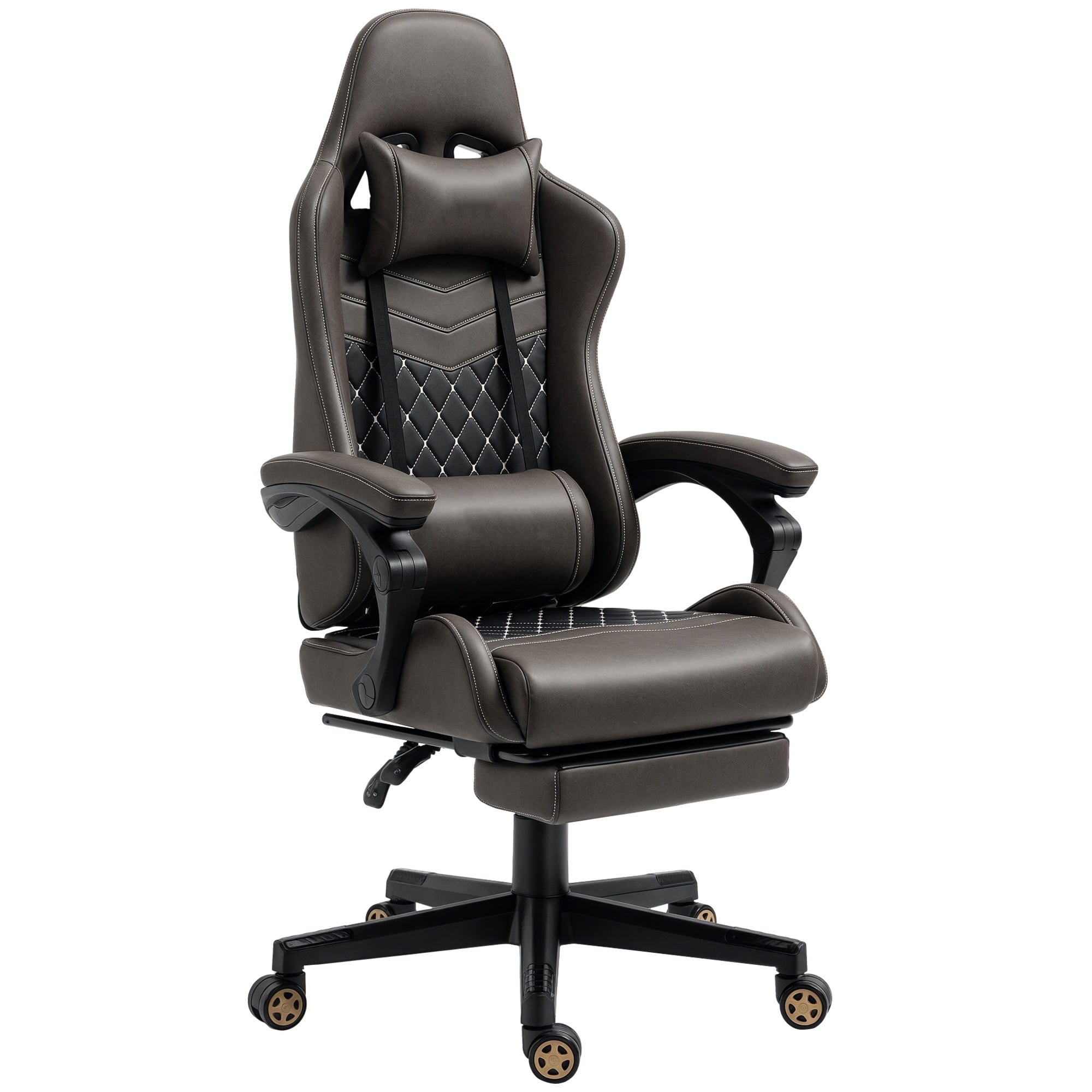
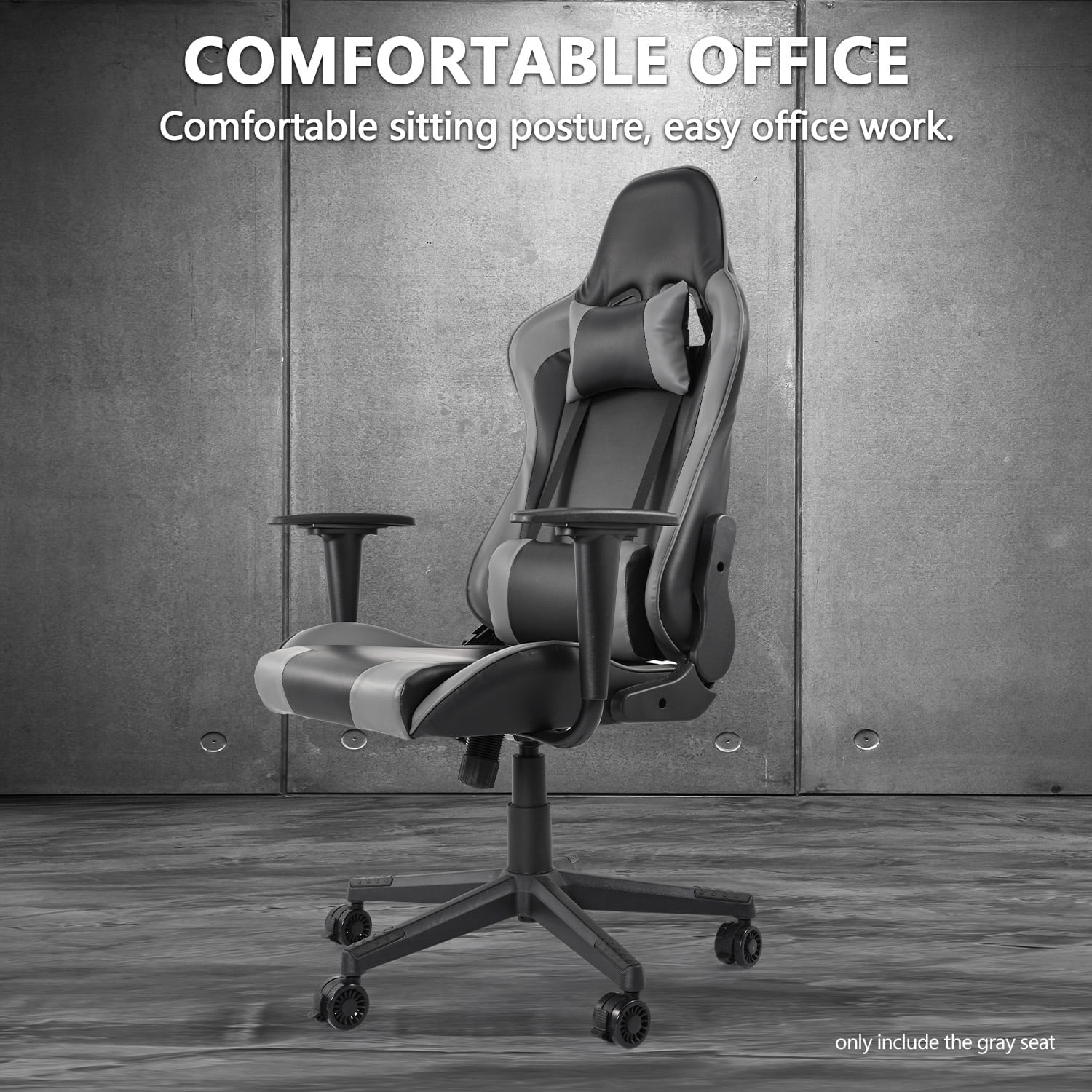
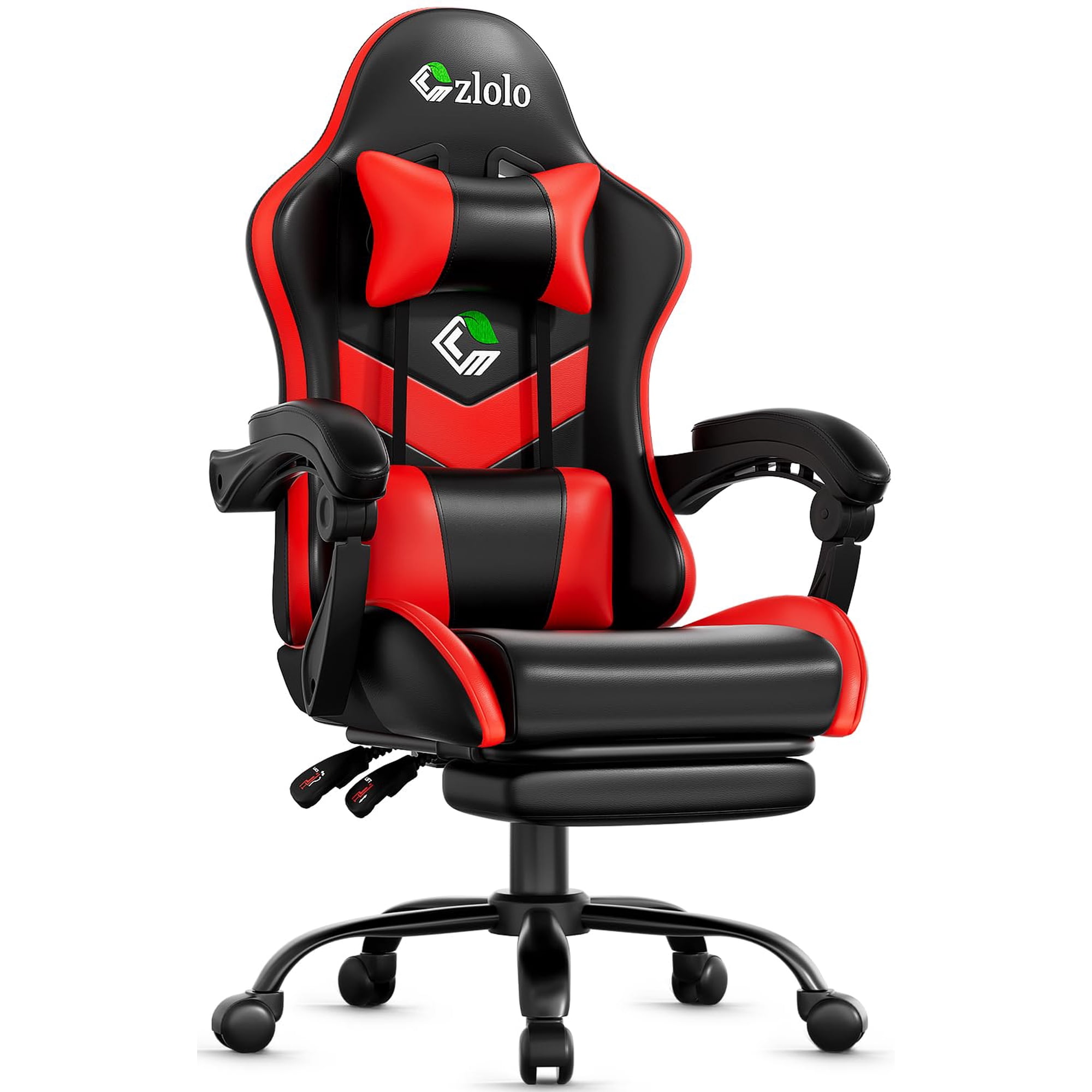
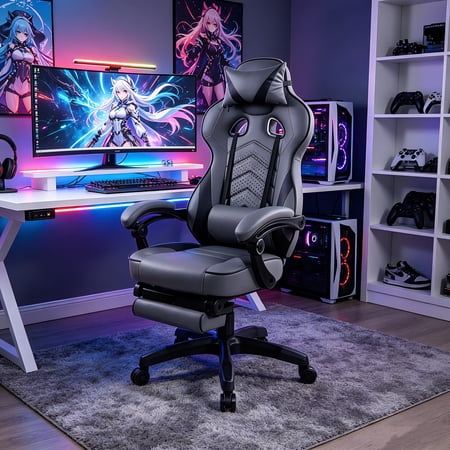
Walk into any modern office or look at a popular home setup, and you'll likely see it: the unmistakable silhouette of a racing style office chair. With its high back, pronounced side bolsters, and sporty aesthetics, this chair has transcended its gaming origins to become a mainstream favorite for anyone seeking a blend of bold design and serious ergonomic support. But is it just a stylistic fad, or is there real substance beneath the sleek exterior? We believe it's the latter. This chair style represents a philosophy: that your seating should actively support your posture, much like a racing seat supports a driver through sharp turns, keeping you stable, comfortable, and focused on the road ahead—or in this case, the task at hand.
Unlike traditional office chairs that can feel generic, a racing style chair makes a statement. It signals a dynamic, energetic approach to work. For the remote professional, the dedicated gamer, or the executive who values a contemporary edge, these chairs offer a unique value proposition. They invite you to sit with purpose, providing a structured environment that can enhance concentration during those long, demanding hours. In this guide, we'll dive deep into what makes these chairs tick, helping you understand the features that truly matter so you can make a choice that elevates both your workspace and your well-being.
1. The "Racing DNA": How Car-Seat Engineering Enhances Your Workday
To understand the appeal of the racing style office chair, think of it as a direct descendant of the competition bucket seat found in a Porsche or a Formula 1 car. In a race car, the driver experiences intense gravitational forces during acceleration, braking, and cornering. The deep side bolsters aren't just for looks; they are a critical safety and performance feature designed to hold the driver firmly in place, preventing them from sliding around and losing control. Your office work might not involve 2G turns, but it does involve long stretches of static posture, which can lead to slouching and fatigue. The racing chair applies the same principle to the workplace.
The high back provides continuous support for your entire spine, including the often-neglected upper back and shoulders. The integrated headrest offers a place to rest your neck during micro-breaks, reducing strain. The structured seat pan with its raised edges encourages you to sit centered, naturally aligning your hips and thighs. This design isn't about restriction; it's about providing a "home base" for your body, a stable platform from which you can work efficiently. It actively discourages the cross-legged slouch or the leaned-over posture that often leads to back pain.
Key Ergonomic Benefits Borrowed from the Track
- Enhanced Lumbar Support: Most quality racing chairs come with a dedicated lumbar pillow or a built-in adjustable mechanism. This is non-negotiable for preventing lower back pain. Look for chairs that allow you to adjust the height and depth of the lumbar support.
- Structured Posture Alignment: The wing-like side bolsters on the backrest gently guide your torso into a neutral position, preventing you from leaning too far to one side, a common cause of muscle imbalances and discomfort.
- High-Density Foam Comfort: Unlike some budget office chairs that use soft foam which compresses quickly, racing style chairs typically utilize firmer, high-density foam. This provides better weight distribution and maintains its shape and support for years, preventing the "bottoming out" effect.
- Multi-Point Adjustability: A good racing chair is like a cockpit. You can adjust the seat height, recline the backrest (often up to 180 degrees), and typically have 2D or 3D armrests that move up/down, left/right, and forward/backward to support your arms while typing.
2. Material Science: PU Leather vs. Fabric vs. Hybrid
The material covering your chair isn't just about aesthetics; it dictates comfort, durability, and maintenance. The racing style aesthetic is most commonly associated with sleek, often brightly colored, upholstery. Here’s a breakdown of what you'll encounter:
- PU Leather (Standard): This is the most prevalent material. It offers that classic, sporty look and is very easy to clean—a simple wipe-down handles spills and dust. However, it's not as breathable as fabric, so it might feel warm during long sessions. Premium PU leather is thicker, more durable, and less prone to cracking over time.
- Fabric/Mesh Hybrids: A growing trend in racing style chairs is the use of fabric or mesh on the seating surfaces, often combined with PU leather on the outer back and sides. This is a fantastic compromise. It retains the sporty look while offering the breathability of fabric, keeping you cooler and more comfortable in warmer climates or during intense work periods.
- Genuine Leather (Premium): High-end racing style chairs may feature genuine leather accents or full leather upholstery. This offers unparalleled luxury, durability, and a soft, supple feel that ages beautifully. It demands a higher investment and requires occasional conditioning, but for many, it's the ultimate choice.
Insider Tip: Consider your environment. If your workspace is prone to getting warm, prioritize a chair with breathable fabric or mesh inserts. If you often have drinks at your desk, the easy-clean nature of PU leather might be your best friend. The choice is about balancing style, climate, and lifestyle.
3. The Adjustment Arsenal: Tailoring the Chair to You
A static chair is a one-size-fits-none solution. The true value of a quality racing style office chair lies in its adjustability. Think of it as a suit of armor that you can customize for a perfect fit. Here are the critical adjustments to look for:
- Seat Height: The non-negotiable. Your feet should rest flat on the floor, with your thighs parallel to the ground and knees at a 90-degree angle. A pneumatic gas lift is standard for this.
- Backrest Recline and Tilt Tension: This allows you to lean back and relax. More importantly, the tilt tension knob lets you control how much force is needed to recline. A looser setting allows for active movement and micro-adjustments, which is great for your back. Look for a chair that lets you lock the backrest at various angles.
- 3D or 4D Armrests: This is where comfort lives or dies. Ideally, your armrests should adjust:
- Height: So your elbows rest comfortably at 90 degrees.
- Width: To support your arms without pushing them outwards.
- Depth (forward/backward): To ensure the pad sits right under your elbow while typing.
- Pivot (angle): Some high-end models even allow the armrest pad to angle in or out.
- Lumbar Support: As mentioned, this is vital. A built-in, adjustable lumbar mechanism (often a wheel or lever) that moves up and down is superior to a simple detachable pillow, as it allows for precise placement against your spine's curve.
Frequently Asked Questions About Racing Style Office Chairs
Final Verdict: Is a Racing Style Chair Right for You?
Choosing a racing style office chair is about more than just following a trend; it's a conscious decision to prioritize active, structured support in a design that energizes your space. It bridges the gap between the stark functionality of a traditional task chair and the immersive comfort of a gaming throne. The best models are thoughtfully engineered, combining the supportive principles of automotive seating with the adjustability required for modern ergonomics. They invite you to sit with intent, providing a stable and comfortable foundation for work, creation, and play.
We recommend focusing on the fundamentals: robust adjustability (especially armrests and lumbar support), high-quality materials that suit your climate and lifestyle, and a build quality that promises longevity. By approaching your purchase with these factors in mind, you'll find a racing style chair that not only looks the part but genuinely enhances your daily comfort and productivity for years to come.