
Why Standard Chairs Fail: The Case for Big and Tall Engineering
Imagine trying to fit into a suit that's two sizes too small. That's the daily reality for many larger and taller individuals using standard office chairs. The armrests dig in, the seat feels like a perch, and the back support ends somewhere around your mid-back. But the problem isn't just discomfort; it's safety and longevity. A standard chair's mechanism isn't designed for the stresses of higher weight, leading to premature failure—a broken cylinder or a wobbly base can cause serious injury. According to the Bureau of Labor Statistics, furniture-related accidents account for thousands of workplace injuries annually, many preventable with the right equipment. This guide is about finding a chair engineered not just for size, but for the unique biomechanics of bigger and taller users.
Beyond Weight Capacity: The Anatomy of a Heavy-Duty Chair
Weight capacity is the headline, but the real story is in the details. A true big and tall office chair is a system of reinforced components working together. Let's dissect what makes these chairs different.
1. The Foundation: Steel Frame and 5-Star Base
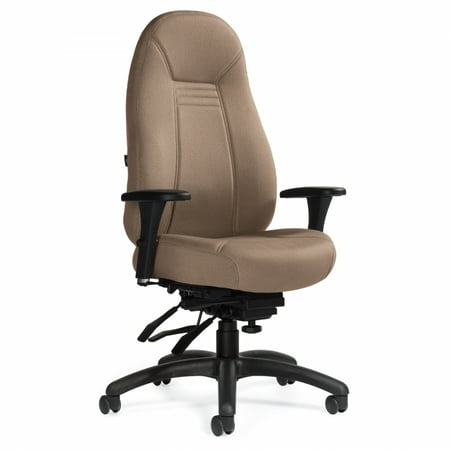
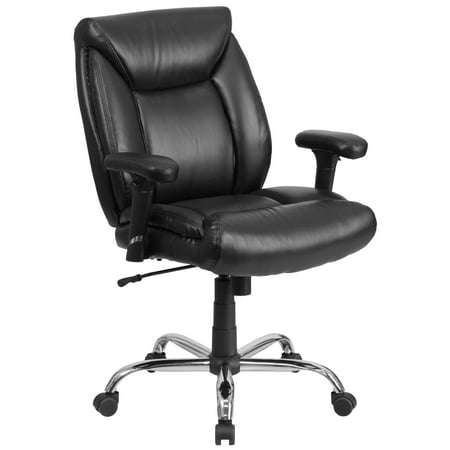
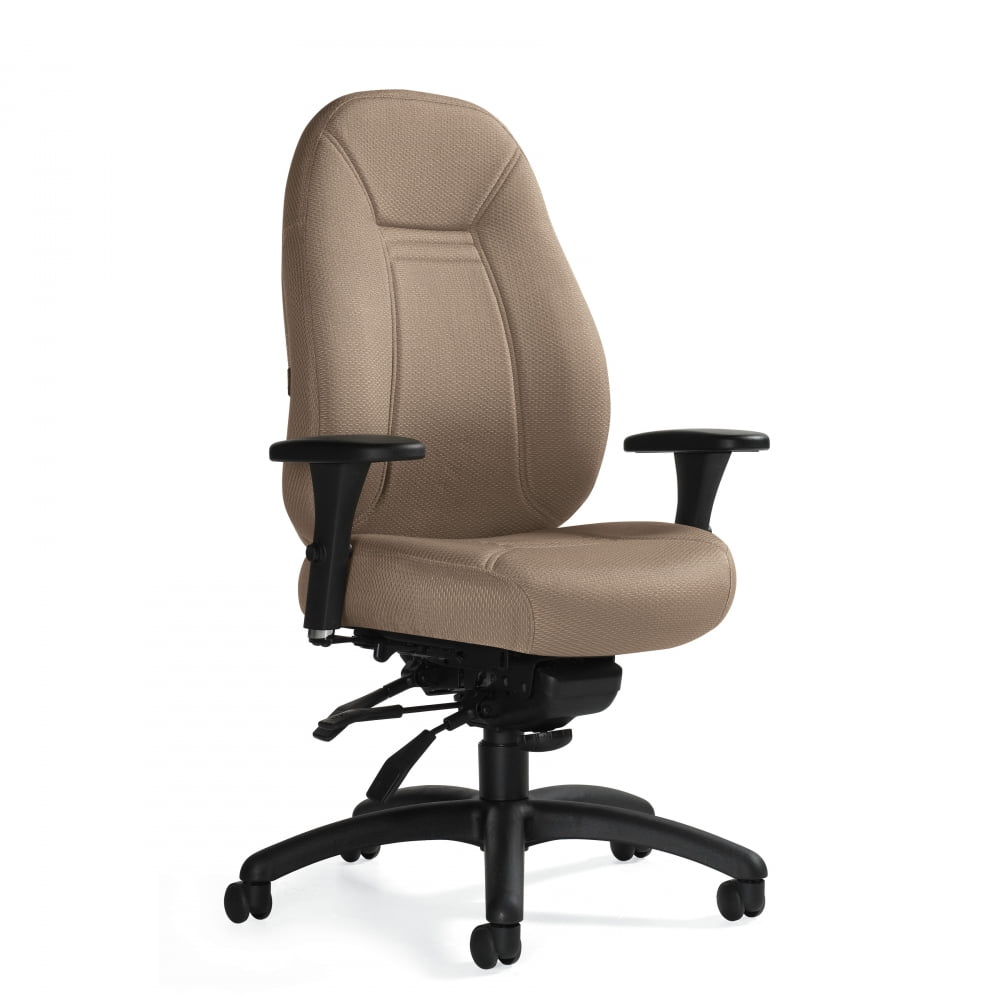
The skeleton of the chair is critical. While standard chairs might use plastic or thin metal, heavy-duty models feature a thick-gauge steel frame that resists twisting and fatigue. The base—the "starfish" that holds the casters—should be made of reinforced nylon or polished aluminum, not flimsy plastic. Look for bases with a wider span (often 28-30 inches) to provide a more stable footprint, reducing the risk of tipping. A standard 25-inch base simply isn't adequate for the leverage exerted by a taller or heavier user leaning back.
2. The Heart: Class 4 and Class 5 Gas Lifts
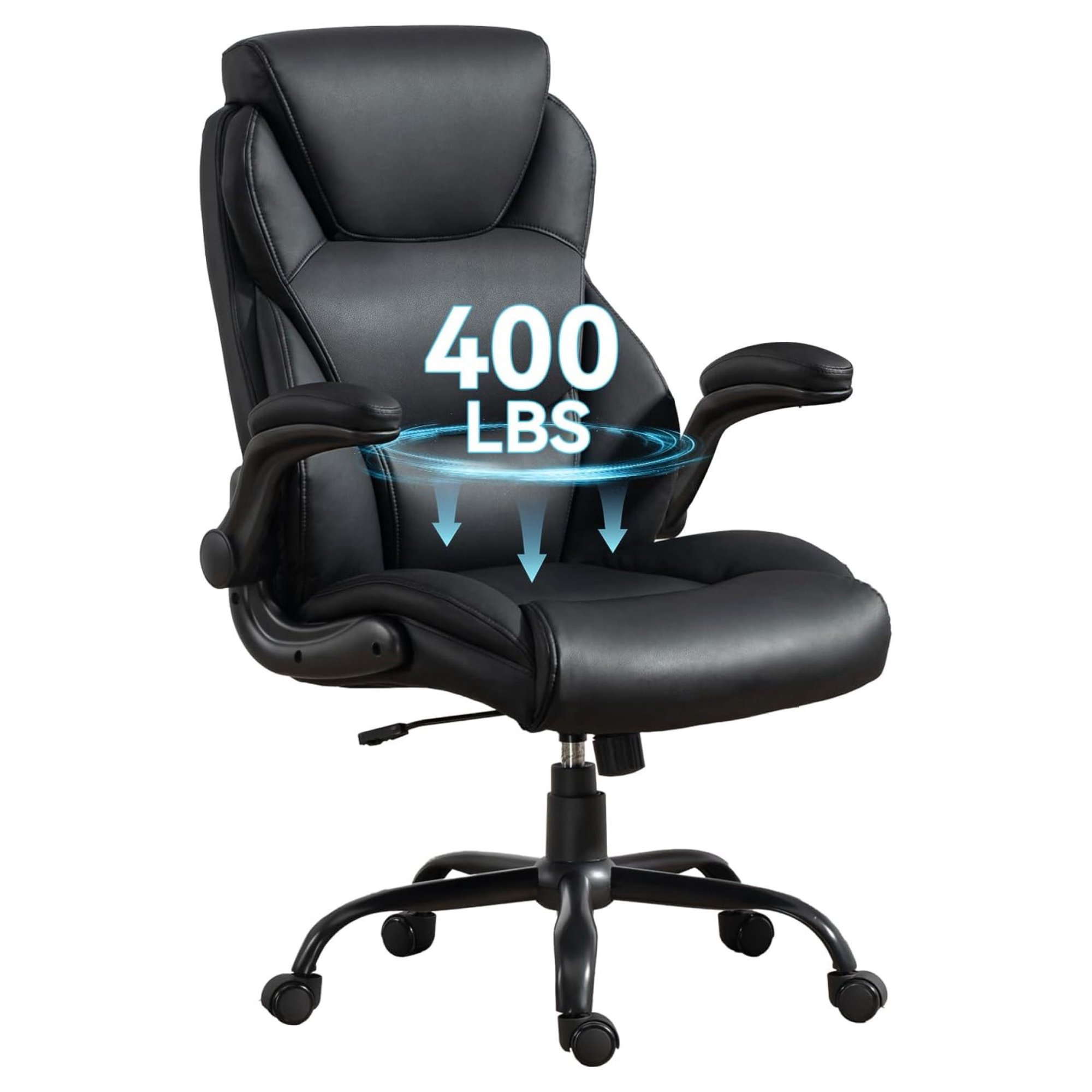
The gas cylinder is what holds you up. It's a precision component filled with pressurized nitrogen. Standard chairs use Class 2 or Class 3 lifts, rated for around 250 lbs. Big and tall chairs require Class 4 (rated for 400 lbs) or Class 5 (rated for 500+ lbs) lifts. These have thicker cylinder walls and heavier-duty seals. Don't just trust the chair's total weight rating; verify the gas lift class. It's the component most likely to fail, and a sudden drop is dangerous.
22" - 30"
Provides ample space for hips and thighs. Measure your own hip width while seated to ensure a comfortable fit with some room to move.
24" - 28"+
Essential for tall users. A high back supports the entire spine, including the thoracic (upper back) and shoulders, promoting better posture.
20" - 22"
Provides adequate thigh support without cutting off circulation. Adjustable seat depth is a premium feature that allows fine-tuning for leg length.
3. Upholstery: Durability Meets Breathability
Material choice is a trade-off. Thick, bonded or premium leather is extremely durable and looks professional, but it can trap heat. High-quality, tightly woven fabric is often more breathable and can be just as durable. Mesh, while breathable, needs to be of a very high tension variety to avoid sagging over time under higher weight. Many top-tier big and tall chairs use a hybrid approach: a breathable mesh back (supported by a strong frame) and a thick, high-density foam seat cushion upholstered in fabric or leather. This offers the best of both worlds: a cool back and a supportive, comfortable seat.
Myth vs. Reality: Big and Tall Edition
Reality: Width is crucial, but so is the reinforced frame, heavy-duty gas lift, and taller back. A wide seat on a weak frame is just a wider hazard.
Reality: Over-buying on capacity can mean a stiffer, less comfortable ride. Match the capacity to your needs (plus a safety margin) for optimal comfort.
Your 4-Point Big and Tall Office Chair Buying Checklist
Use this systematic checklist when evaluating chairs. Don't just look at the photos; dig into the specifications.
The Tall User's Special Considerations
If you're over 6'2", your needs extend beyond weight capacity. You need a chair with a backrest tall enough to support your upper back and shoulders—ideally 24 inches or more from the seat pan. Look for an adjustable headrest that can be positioned to support your neck, not the back of your head. Seat depth is also critical; if the seat is too short, your thighs won't be supported; if it's too long, it will press behind your knees. Adjustable seat depth is a must-have feature for tall users.
Longevity: Maintaining Your Heavy-Duty Investment
A quality big and tall chair is an investment. Here's how to protect it:
- Tighten bolts regularly: The extra stress can loosen fasteners over 3-6 months. Check and tighten all visible bolts.
- Clean upholstery per instructions: Leather needs conditioning; fabric may need spot cleaning. Avoid harsh chemicals.
- Check casters: Heavy-duty casters can still pick up debris. Clean the wheels periodically to ensure smooth rolling and prevent floor damage.
- Lubricate moving parts: If you hear squeaking, a silicone-based lubricant on the mechanism can extend its life.
Frequently Asked Questions About Big and Tall Office Chairs
Conclusion: Invest in the Right Foundation
Finding the right big and tall office chair is about more than just finding a seat that fits. It's about finding a piece of equipment engineered to support you safely and comfortably for years. Focus on the fundamentals: a steel frame, a Class 4 or 5 gas lift, a wide and stable base, and dimensions (seat width, depth, back height) that match your body. Don't settle for a standard chair that's "probably okay." Your comfort, health, and safety are worth the investment in a chair built specifically for you. Use the checklist, understand the specs, and choose a chair that lets you focus on your work, not your discomfort.