

Your Complete Guide to Choosing the Perfect Home Office Chair
Working from home is no longer a temporary trend — it’s a lifestyle. And the centerpiece of any productive home workspace is a home office chair that supports your body, fits your room, and keeps you focused for hours. Unlike corporate settings where chairs are often one-size-fits-all, your home office chair should reflect your personal comfort needs, space constraints, and style. In this guide, we’ll walk you through everything: ergonomics, materials, size considerations, and hidden features you didn’t know you needed.
1. Why a Home Office Chair is Different from an Office Chair
At first glance, a home office chair may look similar to its corporate cousin. But the context is different: at home, you might have limited space, a mix of decor styles, and longer stretches of sitting without the natural breaks of an office environment. Home office chairs often prioritize:
- Aesthetics: They need to blend with your interior — from mid‑century modern to industrial loft.
- Space efficiency: Smaller footprint, sometimes with flip‑up arms or compact bases.
- Multi‑use: The chair might also serve for reading, gaming, or occasional guest seating.
- Quiet operation: Home offices share space with family; silent casters and smooth recline are gold.
2. Anatomy of an Ergonomic Home Office Chair
Ergonomics isn’t just a buzzword. A truly ergonomic home office chair should have these key adjustments. Think of them as dials to tune your chair to your unique body.
• Seat height & depth
Your feet should rest flat, knees at 90°. Seat depth (the distance from back to edge) should leave 2–3 fingers between the seat pan and the back of your knee. Many home chairs now offer seat slide adjustment.
• Lumbar support (height & depth)
The lower back curve varies per person. Adjustable lumbar (both up/down and in/out) is a must for all‑day comfort. Some chairs use a dynamic tension system that flexes with you.
• Backrest recline & tilt tension
A chair that lets you lean back periodically reduces spinal disc pressure. Look for synchro‑tilt or multi‑position lock. Tilt tension knob lets you adjust how much force is needed to recline.
• Armrest adjustability
4D armrests (up/down, forward/back, left/right, pivot) are ideal for home offices where you might switch between typing, reading, or using a tablet. At minimum, height‑adjustable arms are recommended.
• Headrest (optional but helpful)
If you often lean back to think or take calls, a headrest supports your neck. Not everyone needs one, but it’s a plus for taller individuals.
Compact design
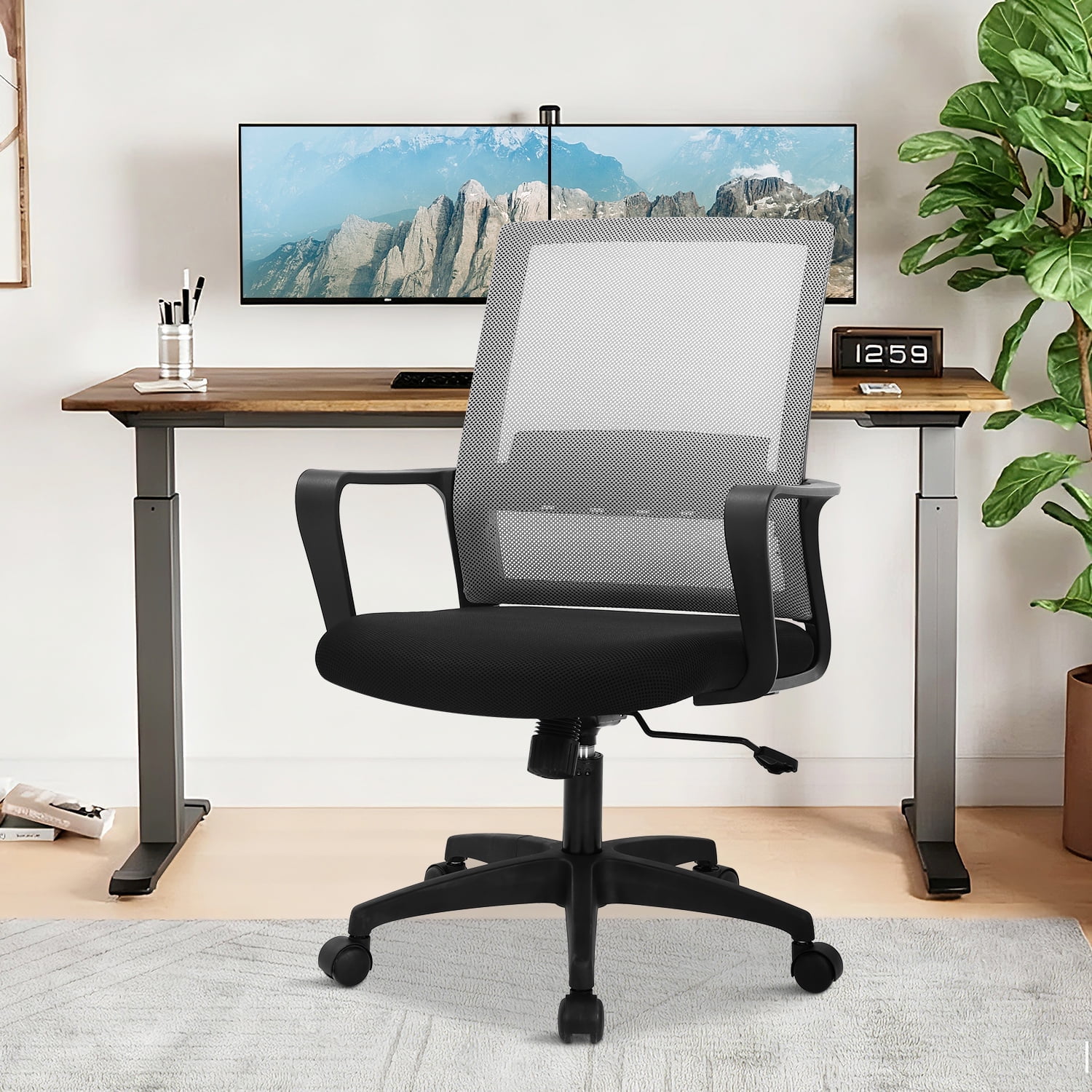
Chairs under 27" wide, often with mesh backs to reduce visual weight.
Flip‑up arms
Slide the chair completely under a desk when not in use — perfect for small apartments.
Style matters
From velvet to woven fabric, home chairs now come in colors that pop.
3. Material Showdown: What Works Best at Home?
Unlike uniform office furniture, your home allows more personality. But material affects comfort, maintenance, and durability. Here’s how to choose:
🌬️ Mesh
Best for: warm climates, long hours, back sweat prevention. Mesh hugs your back and breathes. Often combined with fabric or foam seats.
🪑 Leather / Faux leather
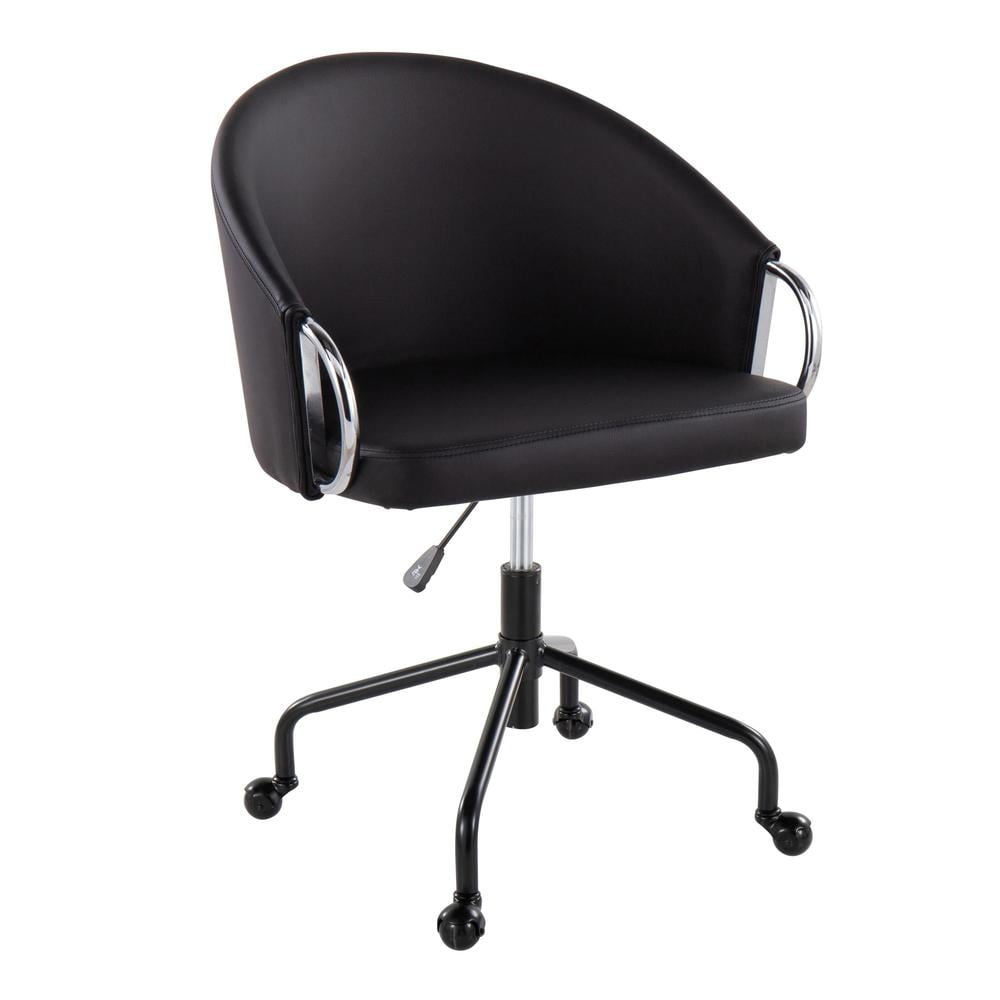
Best for: executive look, easy wipe‑clean. Can be sticky in summer; choose perforated or bonded leather for breathability.
🧶 Fabric / Wool
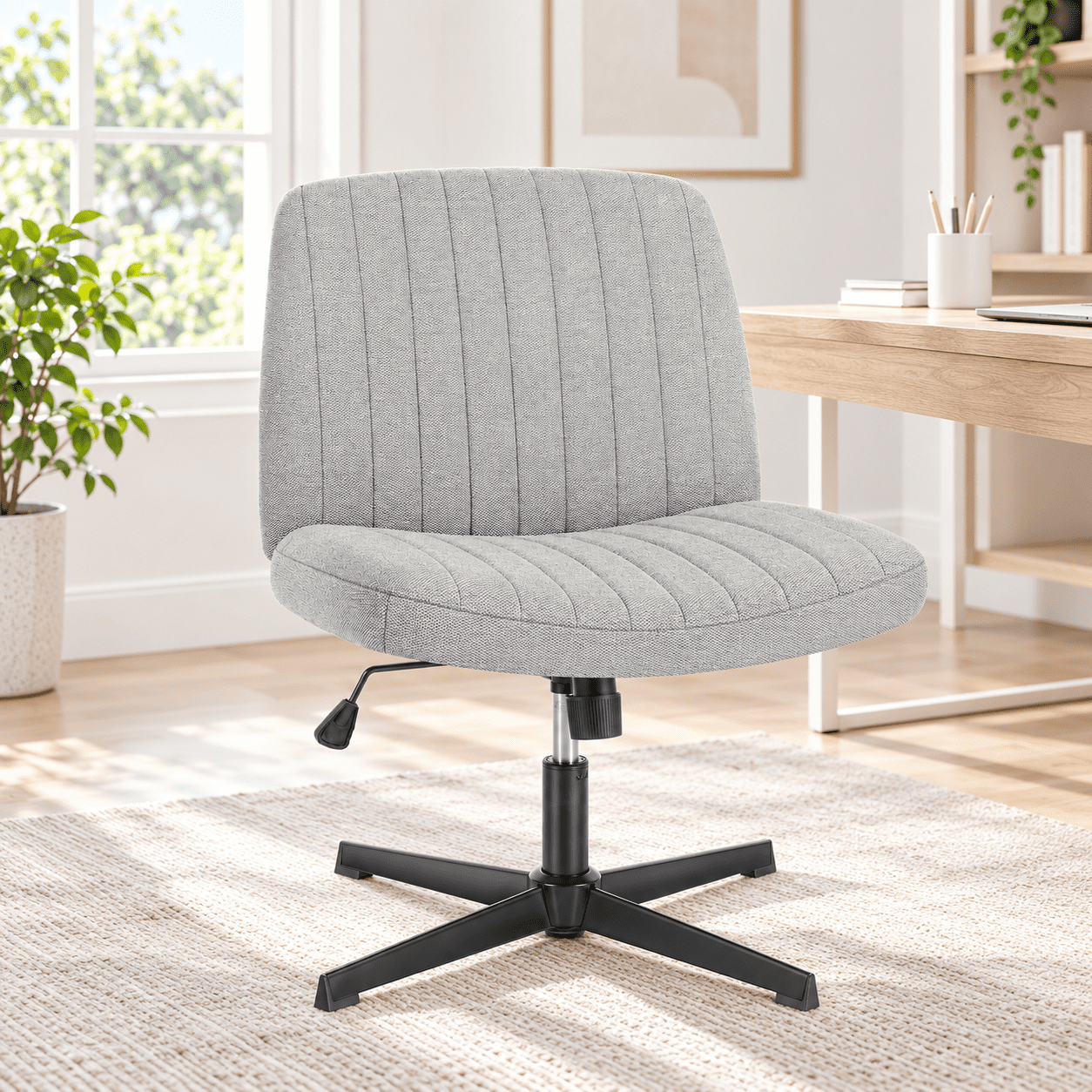
Best for: cozy vibes, color variety, softness. May stain; look for solution‑dyed or treated fabric. Ideal for home offices that double as a reading nook.
4. Space‑Saving & Multi‑Functional Designs
Not everyone has a dedicated home office. Your chair might live in the bedroom corner or living room. Consider these smart configurations:
- Small home office chair: Typically narrower (under 26″ width) with a higher weight capacity despite compact size.
- Armless or low‑back: Visually takes less space; can be tucked under a counter.
- Chair with removable cushions: Some home chairs come with washable covers — a lifesaver if you snack while working.
- Rolling vs. stationary: If you have hardwood, get soft rubber casters. If you hate rolling, consider glides (office chair no wheels).
5. Health Benefits: More Than Just Comfort
Investing in an ergonomic home office chair directly impacts your physical health. A study from the American Chiropractic Association noted that 80% of the population will experience back pain at some point — poor seating is a major contributor. A quality chair with adjustable lumbar support can:
- Reduce spinal compression by up to 35%.
- Improve circulation through waterfall seat edges.
- Encourage micro‑movements (subtle shifts) that nourish spinal discs.
- Prevent “text neck” if you have a headrest or high back.
6. Home Office Chair vs. Gaming Chair: What’s the Difference?
Many remote workers consider gaming chairs because of their aggressive look and high adjustability. While gaming chairs offer similar ergonomic features (lumbar pillows, reclining), they tend to have a bucket‑seat style that may feel restrictive for all‑day sitting. Home office chairs often have a more neutral, professional appearance and breathable mesh backs. If your work involves video calls, a home office chair usually looks more appropriate on camera.
7. Matching Your Chair to Your Desk
Height compatibility is crucial. Measure your desk height (typical range 28‑30″). Your chair’s seat height range should allow you to sit with elbows at 90° relative to the desk surface. If you have a standing desk, make sure the chair can go high enough for perching (some drafting‑style home chairs extend to 32″).
8. Sustainability & Eco‑Friendly Choices
More home office users now look for chairs made from recycled materials, sustainably sourced wood, or certified green manufacturing. Some brands offer chairs with replaceable parts — meaning you don’t toss the whole chair if a cylinder fails. This extends lifespan and reduces waste.
9. Frequently Asked Questions About Home Office Chairs
Conclusion: Your Home Office, Your Throne
Choosing a home office chair is a personal journey — it must fit your body, your room, and your work habits. Prioritize ergonomic adjustments (especially lumbar and seat depth), then let style and material follow. Remember, you’ll likely spend over 2,000 hours a year in this chair. Make it a good one. Browse the curated selection above to find chairs that match the insights from this guide, and take the next step toward a healthier, more productive work‑from‑home life.