
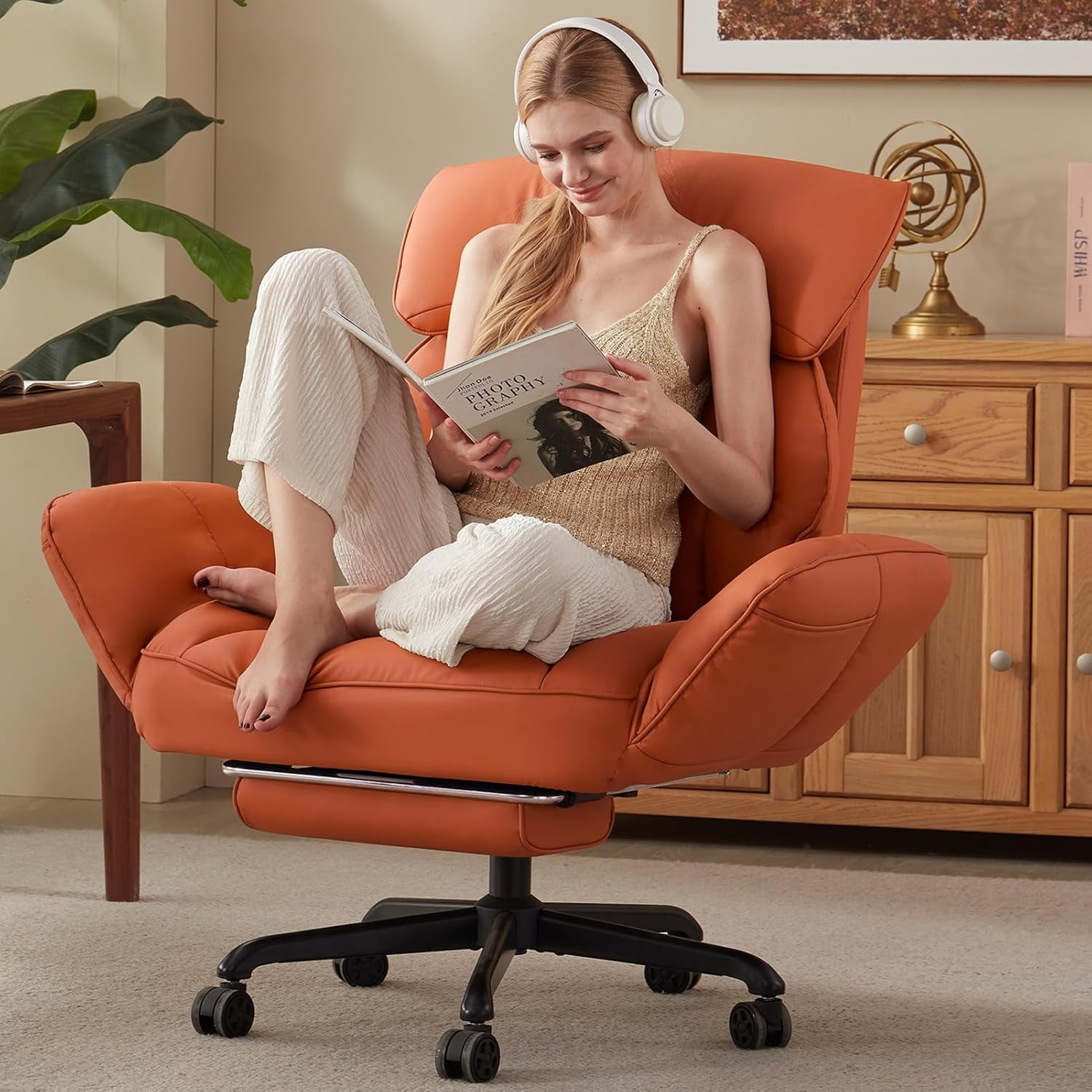
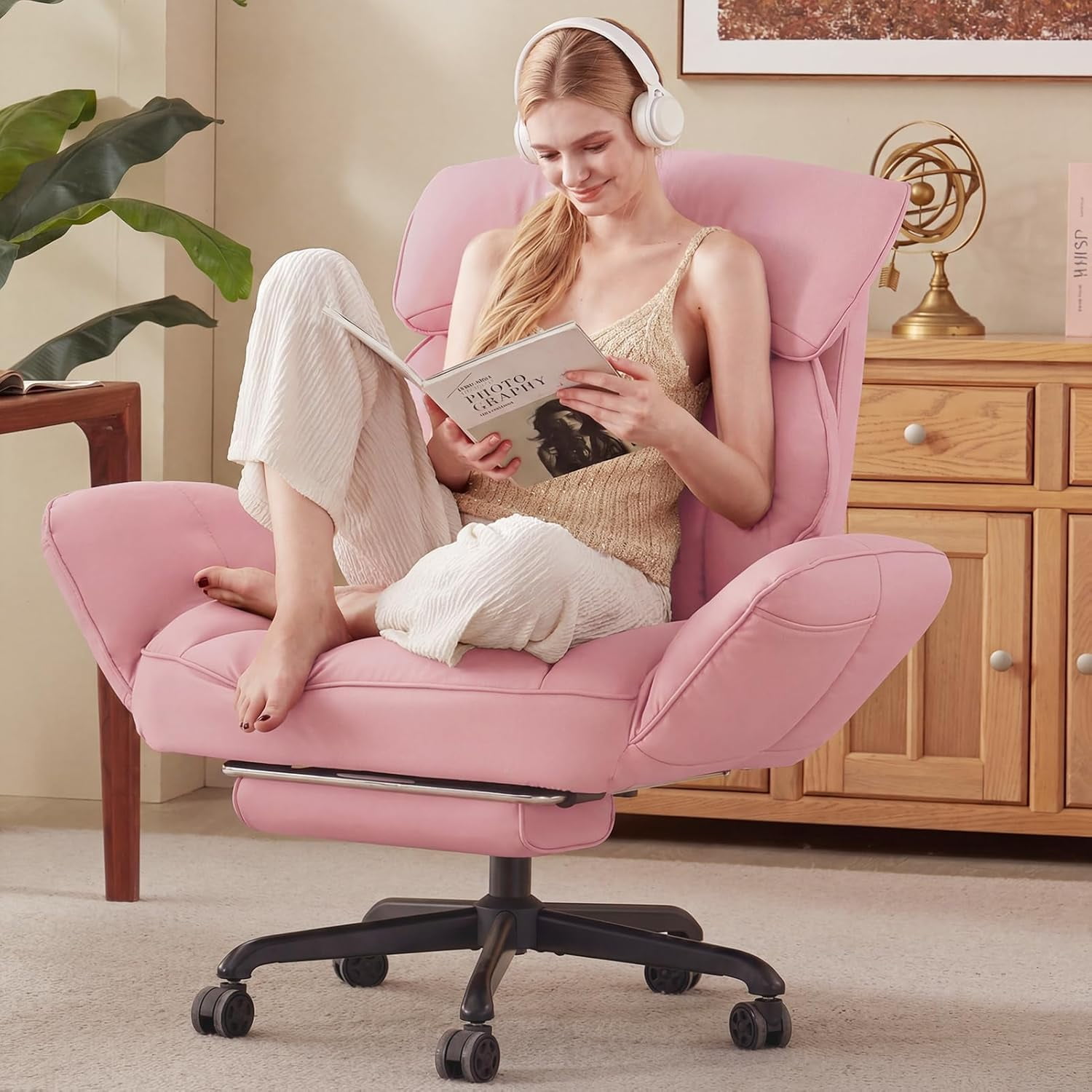
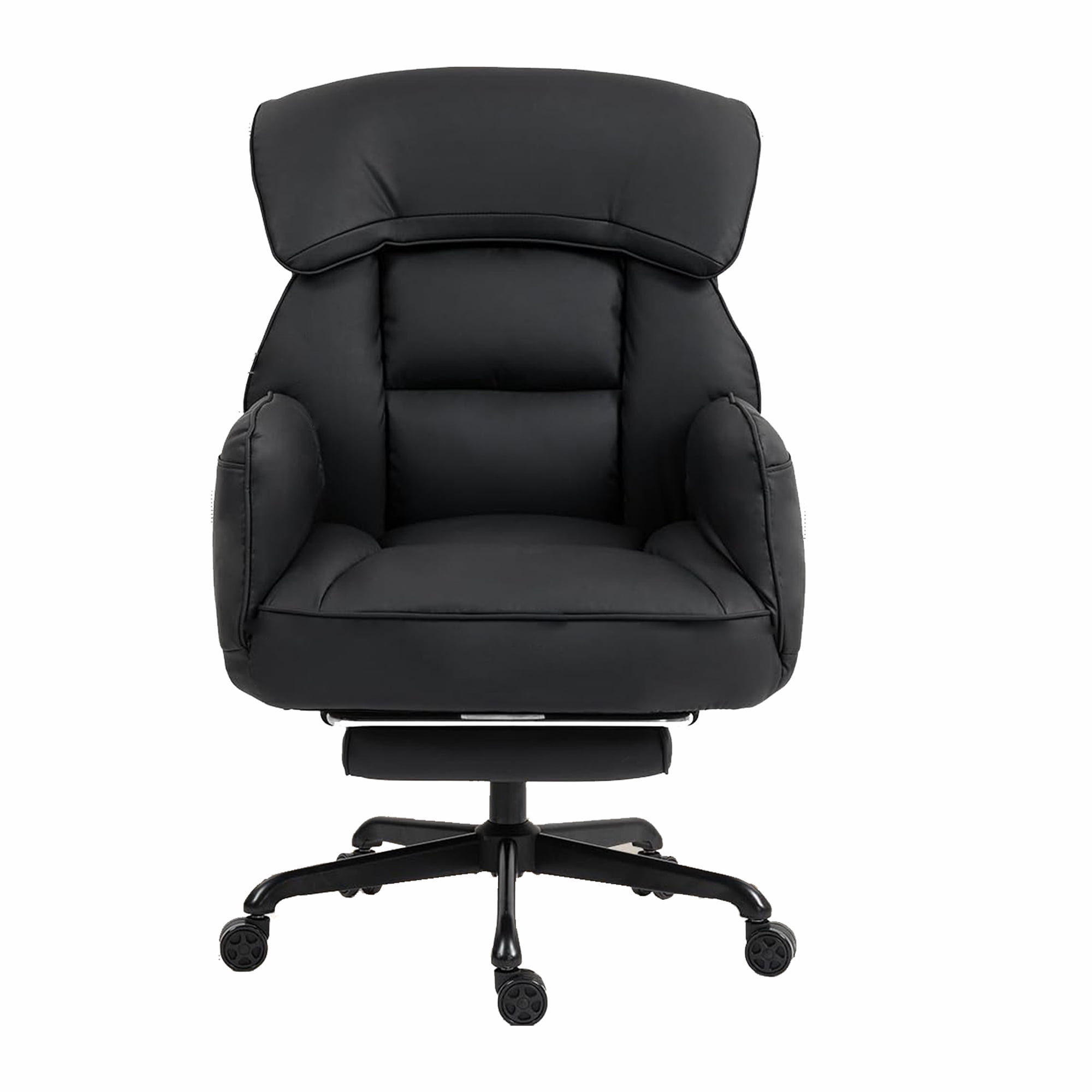
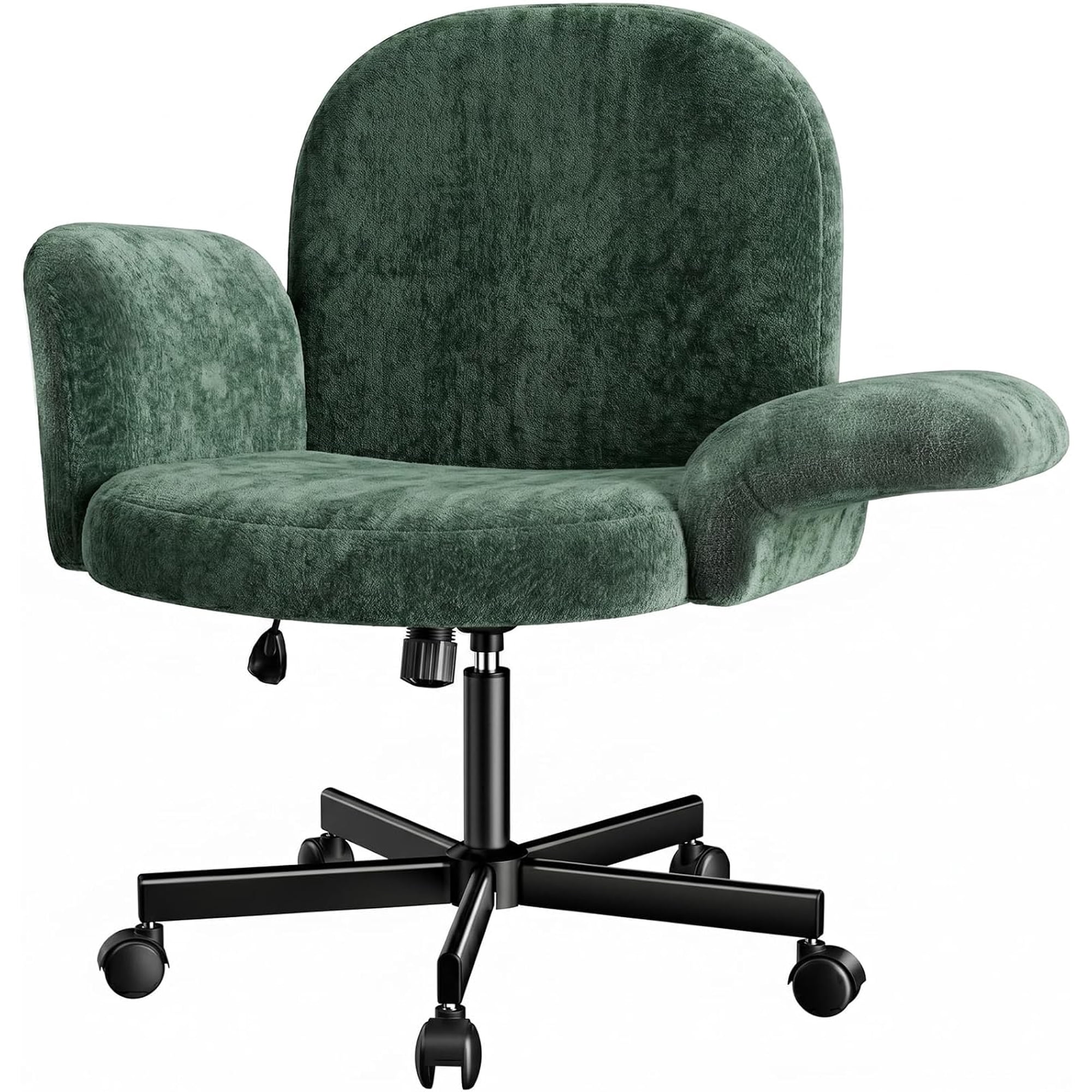
Beyond Basic Comfort: The Case for Pivoting Armrests
Imagine shaking hands with someone while keeping your elbow pinned to your side. It feels awkward, right? That's essentially what a fixed-armrest office chair does to your upper body. It locks you into a position that might not align with your natural frame. An office chair with pivoting armrests acts more like a well-fitted suit—it adapts to you, not the other way around. For the modern professional, this level of customization isn't a luxury; it's a tool for sustained focus and physical well-being.
Ergonomic Insight: Studies from the field of occupational health suggest that poorly positioned armrests can increase muscle activity in the shoulders and neck by up to 20%. By allowing the armrests to pivot and follow the user's natural movements, this unnecessary strain is significantly reduced, potentially lowering the risk of repetitive strain injuries.
Decoding Armrest Adjustability: 2D, 3D, and the Pivoting 4D Advantage
Not all adjustable armrests are created equal. When you start your search for the perfect office chair with pivoting armrests, you'll encounter terms like 2D, 3D, and 4D. Understanding these terms is like learning the language of ergonomic customization. Let's break them down.
The Evolution of Armrest Technology
- 2D Armrests (Height Adjustment): The most basic form of adjustability. You can raise or lower the arm pads. This helps ensure your elbows are at a 90-degree angle while typing, but it doesn't account for arm position relative to your body's width.
- 3D Armrests (Height + Depth): These add forward and backward movement. You can slide the pad closer to your body when typing or push it back when leaning away. This is a step up, but the armrests remain parallel and fixed in width.
- 4D Armrests (Height + Depth + Width/Pivot): This is where pivoting comes into play. 4D armrests offer all the previous adjustments plus the ability to pivot left and right. This allows you to change the angle of the arm pad and, crucially, the width between them. You can splay them outward for a wider stance or bring them in closer for narrow shoulders. This is the hallmark of a true office chair with pivoting armrests.
Think of 2D as a one-size-fits-all t-shirt, 3D as a tailored shirt, and 4D pivoting armrests as a bespoke garment that adjusts to your every move. For anyone spending more than four hours at a desk, the investment in 4D is a game-changer.
Mechanisms of Movement: How Pivoting Armrests Work
The magic lies in the engineering. Pivoting armrests typically use a combination of a robust hinge mechanism and a sliding track hidden beneath the arm pad.
- The Pivot Point: A sturdy, often metal, pivot joint connects the armrest assembly to the chair's backrest or seat frame. This allows the entire armrest to rotate on a vertical axis.
- The Locking System: High-quality chairs use a lever or button-activated lock. When you find the perfect angle and width, you engage the lock, and the armrest stays firmly in place. No wobbling, no slipping.
- Pad Articulation: In more advanced models, the top pad itself might also pivot slightly to match the angle of your forearm, providing consistent surface contact and preventing pressure points.
This isn't just clever mechanics; it's applied physics. By supporting your arm in its natural resting position, these chairs help distribute the weight of your upper limbs through your skeleton and away from your soft tissues, reducing fatigue.
Who Benefits from an Office Chair with Pivoting Armrests? (A Detailed Breakdown)
While almost anyone can appreciate the flexibility, certain users will find pivoting armrests indispensable.
The Shared Desk
In hot-desking environments, one chair must fit many bodies. Pivoting armrests allow each user to quickly customize the fit for their unique frame without needing tools.
Graphic Designers & Video Editors
Switching between a keyboard and a drawing tablet requires different arm positions. Pivot the armrests out of the way for tablet work, then bring them back in for typing.
Broad-Shouldered Users
Fixed armrests are often too narrow, forcing users to sit with arms internally rotated. Pivoting outward provides proper support for the elbows, keeping shoulders relaxed.
Heavy Keyboard/Mouse Users
The ability to pivot armrests inward slightly can bring support closer to the body, reducing the need to reach for the mouse and minimizing shoulder abduction.
Common Myths About Pivoting Armrests Debunked
Let's clear up some misconceptions that might be holding you back from experiencing true ergonomic freedom.
- Myth: "They're just a gimmick." Fact: When the Human Factors and Ergonomics Society discusses optimal posture, adjustability is a cornerstone. Pivoting armrests are a direct application of that science, providing a critical range of motion that fixed armrests cannot.
- Myth: "More moving parts mean they'll break easily." Fact: This depends entirely on build quality. Premium chairs use industrial-grade components tested for thousands of adjustment cycles. A well-made office chair with pivoting armrests will outlast a cheap fixed-armrest chair by years.
- Myth: "You have to adjust them constantly, which is annoying." Fact: The point is to find *your* setting and lock it in. Once set for your primary task, they stay put. The pivoting feature is there for when your needs change, not for fidgeting.
Beyond the Armrests: What Else to Look For
While the pivoting armrest is the star of the show, a truly great chair is a system of supportive features. Consider these elements to ensure a holistic ergonomic experience.
| Feature | Why It Complements Pivoting Armrests | What to Look For |
|---|---|---|
| Synchronous Tilt Mechanism | As you recline, the seat and backrest move together. Pivoting armrests should ideally move with the backrest, maintaining support through your full range of motion. | A mechanism where the armrests are attached to the backrest, not the seat, so they recline with you. |
| Adjustable Lumbar Support | Good lumbar support keeps your spine in a neutral curve. This proper alignment makes the precise fit of your armrests even more effective. | Depth and height adjustability. A firm, supportive pad that pushes your lower back slightly forward. |
| Seat Depth Adjustment | Ensuring 2-3 inches of space between the back of your knee and the seat pan optimizes circulation. This, combined with perfect arm placement, completes the ergonomic picture. | A sliding seat pan mechanism (often a lever under the seat). |
| High-Quality Casters | Smooth movement prevents you from straining to reach things. If your chair glides easily, your armrests can remain in their optimal position more often. | Dual-wheel casters designed for your floor type (carpet or hard floor). |
Making the Right Choice: A Buyer's Checklist
Ready to find your ideal match? Keep this checklist handy as you browse.
- Identify Your Primary Tasks: Will you be typing, designing, or in meetings? Your main activity dictates how you'll use the pivot function.
- Test the Adjustment Mechanism: If possible, try before you buy. The levers or buttons should be easy to reach and operate smoothly.
- Check the Range of Motion: Does the armrest pivot far enough inward and outward for your build? Does it slide forward enough?
- Assess Stability: Once locked, the armrest should feel solid, not wobbly. Give it a gentle shake at its most extended position.
- Consider the Pad Material: Soft, slightly cushioned pads (like polyurethane) are often more comfortable for long days than hard plastics.
Investing in an office chair with pivoting armrests is an investment in your daily comfort and long-term health. It's about creating a workspace that bends to your will, reducing the physical toll of a demanding career.
Conclusion: Work Smarter, Not Stiffer
The quest for the perfect office chair often focuses on the back or the seat cushion, but the arms are where a huge amount of work happens. An office chair with pivoting armrests acknowledges that you are not a static machine. You shift, you lean, you type, you think. By providing support that adapts to your movements, these chairs help you maintain better posture, reduce fatigue, and stay focused on what truly matters. Whether you're a CEO, a creative, or a dedicated work-from-home professional, the freedom of movement offered by pivoting armrests is a step toward a healthier, more productive workday.