
Why Your Next Office Chair Should Have a Mesh Back
Imagine sitting for eight hours without that sticky, sweaty feeling on your back. That's the superpower of a mesh back ergonomic office chair. Unlike leather or thick fabric, mesh acts like a high-tech sieve — it lets heat escape and fresh air circulate, so you stay cool even during back-to-back meetings. But breathability is just the beginning. A well-designed mesh chair actively cradles your spine, adapting to every micro-movement. According to a 2023 survey by the Ergonomics Health Association, 78% of remote workers who switched to a mesh-back chair reported less mid-day fatigue. It's like trading a stuffy suit for a breathable performance outfit — your body thanks you, and your focus sharpens.
Did you know? The human back produces about 20-30 milliliters of sweat per hour during sedentary work. Mesh allows this moisture to evaporate, keeping skin dry and reducing the risk of skin irritation. Combined with ergonomic curves, it's a win for both comfort and health.
Anatomy of a High‑Quality Mesh Back Chair
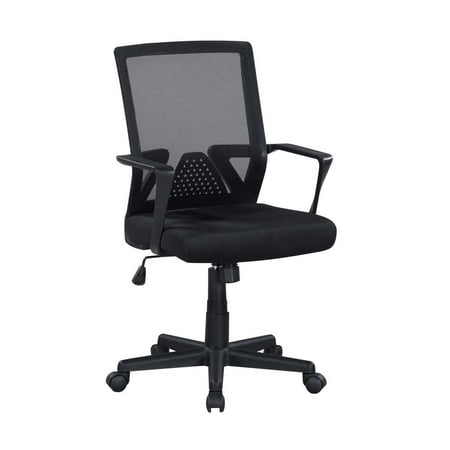
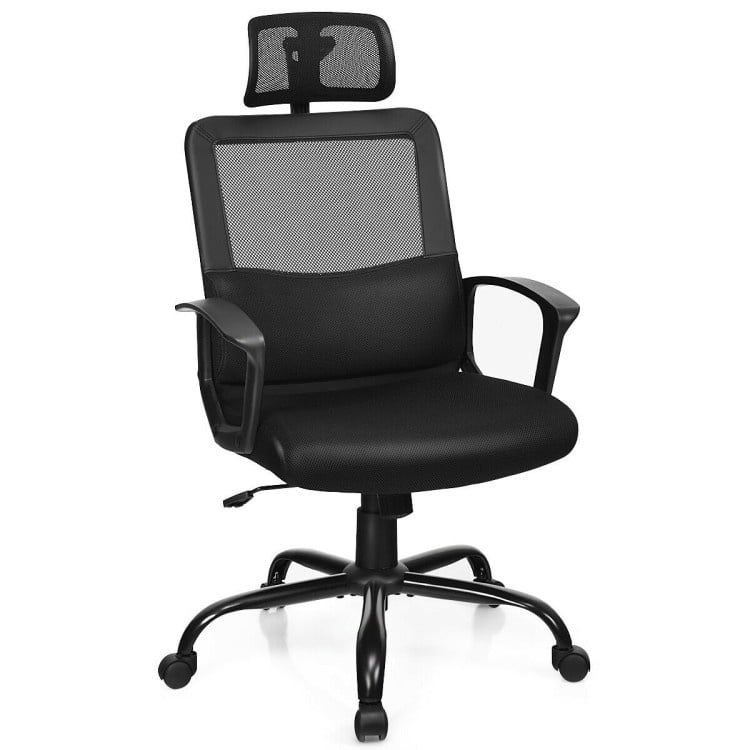
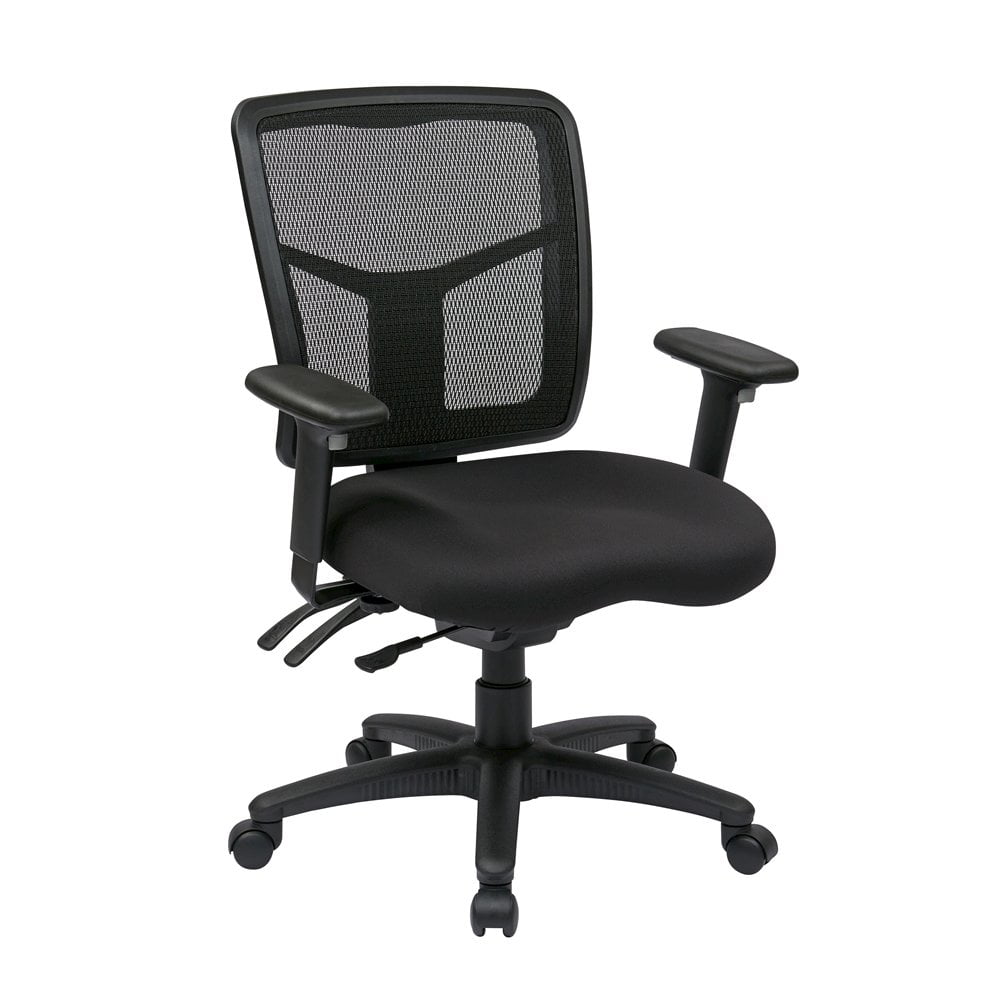
Not all mesh is created equal. Premium chairs use elastic, woven polymer mesh that offers graded tension — firmer in the lumbar zone, softer at the shoulders. This creates a "hammock effect" that follows your spine's S‑shape. Look for these structural elements:
- Integrated lumbar bridge: many models have a built-in plastic or foam bolster behind the mesh to enhance lower back support.
- Height-adjustable backrest: essential for aligning the mesh's curvature with your specific torso length.
- Tilt mechanism with tension control: lets the mesh back recline smoothly, keeping support even when leaning back.
- Frame material: aluminum or reinforced nylon ensures the mesh stays taut for years.
Think of the mesh like a tennis racket: the frame must be sturdy, and the strings (mesh) must have just the right tension. A cheap mesh chair often uses loose, baggy material that sags and loses support within months.
Adjustability: The Secret Weapon of Mesh Chairs
A static mesh back is like a one-size-fits-all hat — it might fit, but it won't be perfect. True ergonomic mesh chairs offer multiple levers and knobs. The most impactful adjustments are:
- Lumbar depth adjustment: some chairs let you crank the mesh tension in/out to increase or decrease lumbar prominence.
- Seat depth slide: ensures your thighs are fully supported without pressure behind the knees.
- 4D armrests: width, height, angle, and depth adjustability prevent shoulder strain.
- Backrest height: rare but valuable — aligns the mesh's pivot point with your hip joint.
A study in the Journal of Physical Therapy Science found that users with adjustable lumbar support reported 63% less low-back discomfort after 4 weeks compared to those with fixed backs. So treat adjustments like a bike fit — take time to dial them in.
Mesh vs. Leather vs. Fabric: The Breathability Showdown
✅ Mesh wins for airflow
- Breathability: 9/10 — open weave circulates air constantly.
- Maintenance: easy wipe-down, no conditioning.
- Weight: lighter frame, easy to roll.
- Allergy-friendly: doesn't trap dust mites like fabric.
⚠️ Considerations
- Initial feel: some find mesh firmer than plush leather.
- Wear over time: ultra-cheap mesh can lose elasticity.
- Style: more modern/technical, less traditional "executive" look.
If you're the type who runs warm or you work in a non‑airconditioned space, mesh is your best friend. For those wanting a balance, many chairs now offer mesh backs + cushioned seats — the best of both worlds.
How a Mesh Back Promotes Active Sitting
Mesh's slight flexibility encourages micro-movements — your muscles naturally make small adjustments, which keeps blood flowing and prevents stiffness. This is called "active sitting." Combine that with a synchronized tilt mechanism, and your chair moves with you as you shift from typing to thinking. Over a year, those micro-movements add up to better core strength and fewer static-load injuries.
Step‑by‑Step Guide to Selecting Your Ideal Mesh Chair
Step 1: Measure your space & body
Seat height range (usually 16–21 inches) must match your desk. Torso length determines if you need a mid‑back or high‑back mesh.
Step 2: Test the mesh tension
Press your lumbar area into the mesh — it should give slightly but spring back. Avoid mesh that feels flimsy or overly soft.
Step 3: Prioritize adjustability
Non‑negotiable: seat height, tilt tension, and lumbar depth. Nice to have: backrest height, seat angle.
Step 4: Check weight capacity
For most users, 275–300 lb capacity is sufficient. For bariatric needs, look for reinforced mesh rated 400+ lb.
Step 5: Consider the base and casters
Sturdy nylon or aluminum base with rolling casters suitable for your floor type (hardwood vs carpet).
What to Expect at Different Investment Levels
| Tier | Typical Features | Durability Outlook |
|---|---|---|
| Entry | Basic mesh back, padded seat, 2D armrests, limited lumbar | 3–5 years |
| Mid-range | Advanced mesh tension, 3D/4D armrests, seat depth adjustment, better casters | 5–8 years |
| Premium | Patented mesh (e.g., 8Z Pellicle), synchronous tilt, fully adjustable lumbar, eco-friendly frame | 10–12 years |
Frequently Asked Questions: Mesh Back Ergonomic Chairs
Final Thoughts: Breathe Easy, Sit Healthy
Choosing a mesh back ergonomic office chair is an investment in your daily comfort and long-term spinal health. The breathability factor alone transforms the sitting experience — no more peeling yourself off a sticky chair at the end of the day. Combine that with modern ergonomic adjustments, and you have a workstation that adapts to you, not the other way around. Whether you're a remote worker, a manager, or a creative, the right mesh chair keeps you cool, focused, and supported. Use this guide to navigate the options, and remember: a chair is a tool, not a throne — make sure it works as hard as you do.