
Why Heavy Duty Office Chairs Are Engineered Differently
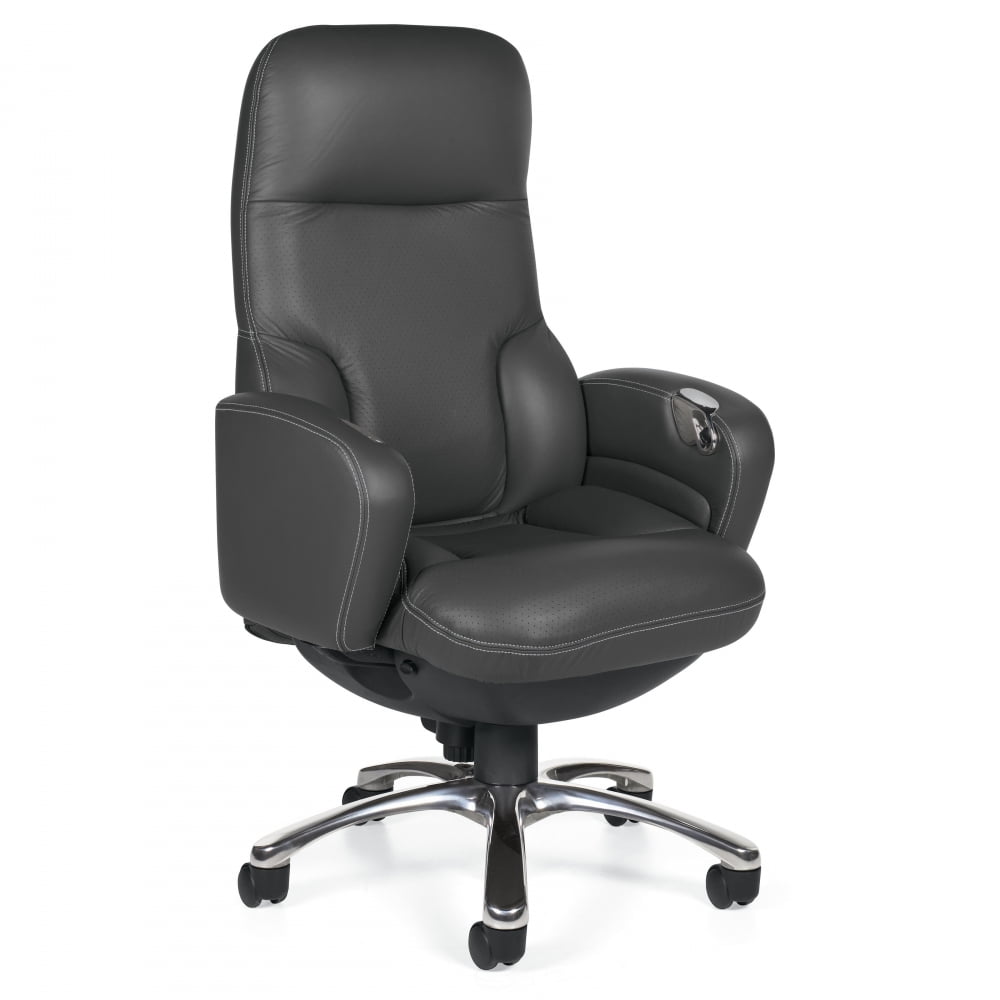
A standard office chair is like a compact car—it works well for average commutes but falters under heavy loads or rough terrain. A heavy duty office chair, by contrast, is the pickup truck of seating. It's built on a reinforced frame, uses thicker materials, and is rigorously tested to support higher weights without compromising comfort or safety.
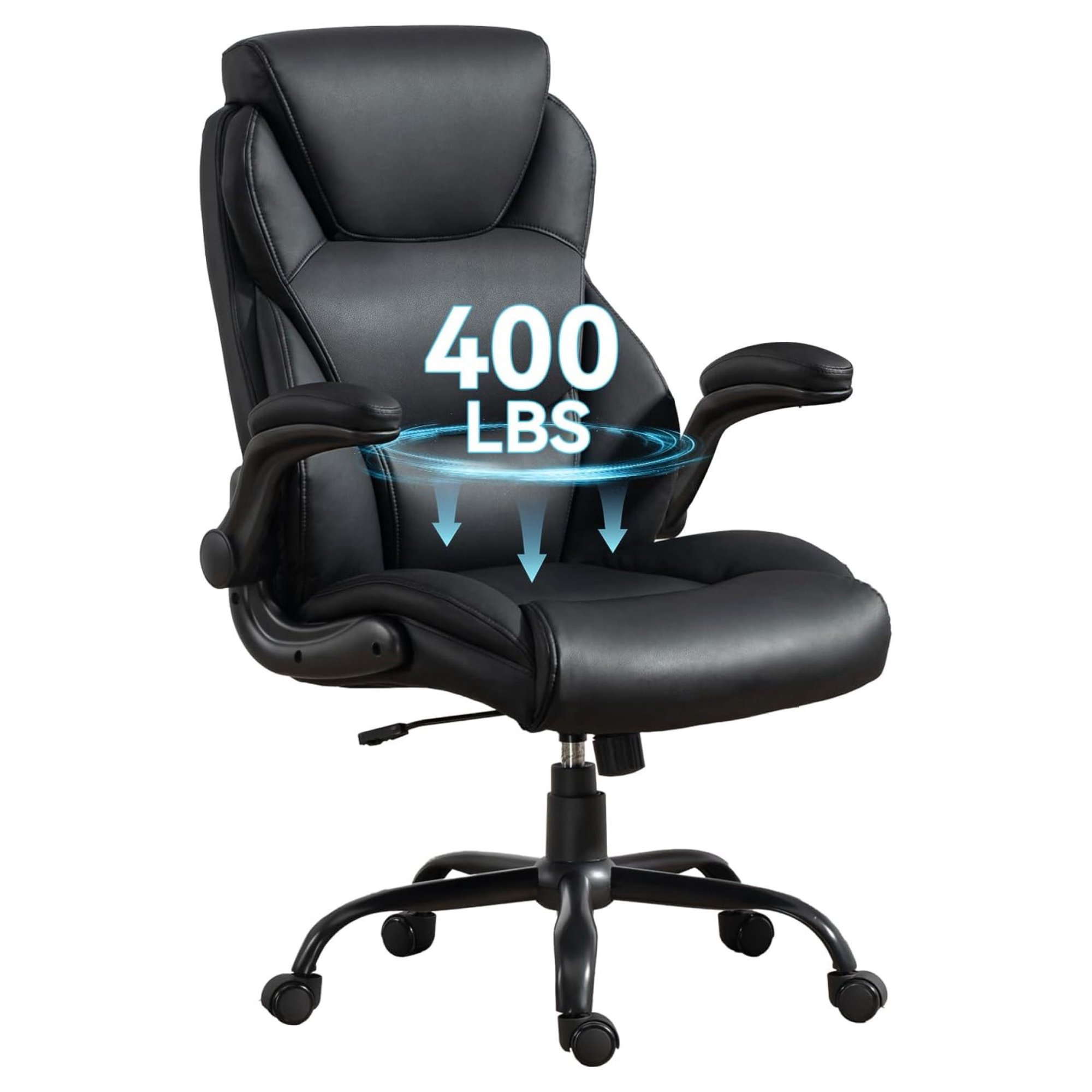
⚙️ Industry Insight: The BIFMA (Business and Institutional Furniture Manufacturers Association) sets safety standards for office chairs. Heavy duty models often exceed these standards, tested for static and impact loads up to 2.5 times their rated capacity. This means a 400 lb rated chair has been tested to withstand over 1000 lbs of force.
For taller or heavier individuals, a high weight capacity chair isn't a luxury—it's a necessity for safety and long-term spinal health. Standard chairs may have gas lifts that fail, bases that crack, or cushions that bottom out. Heavy duty construction addresses every weak point.
The Anatomy of a Heavy Duty Office Chair: Built Like a Tank
What exactly makes a chair "heavy duty"? It's not just one feature—it's the combination of several reinforced components. Here's a breakdown of the key parts that set these chairs apart:
350-500 lbs
Typical weight capacity range
28" Base
Wider stance for stability
20,000+ cycles
Gas lift testing
3-5 year
Comprehensive warranty
1. The Foundation: Base and Casters
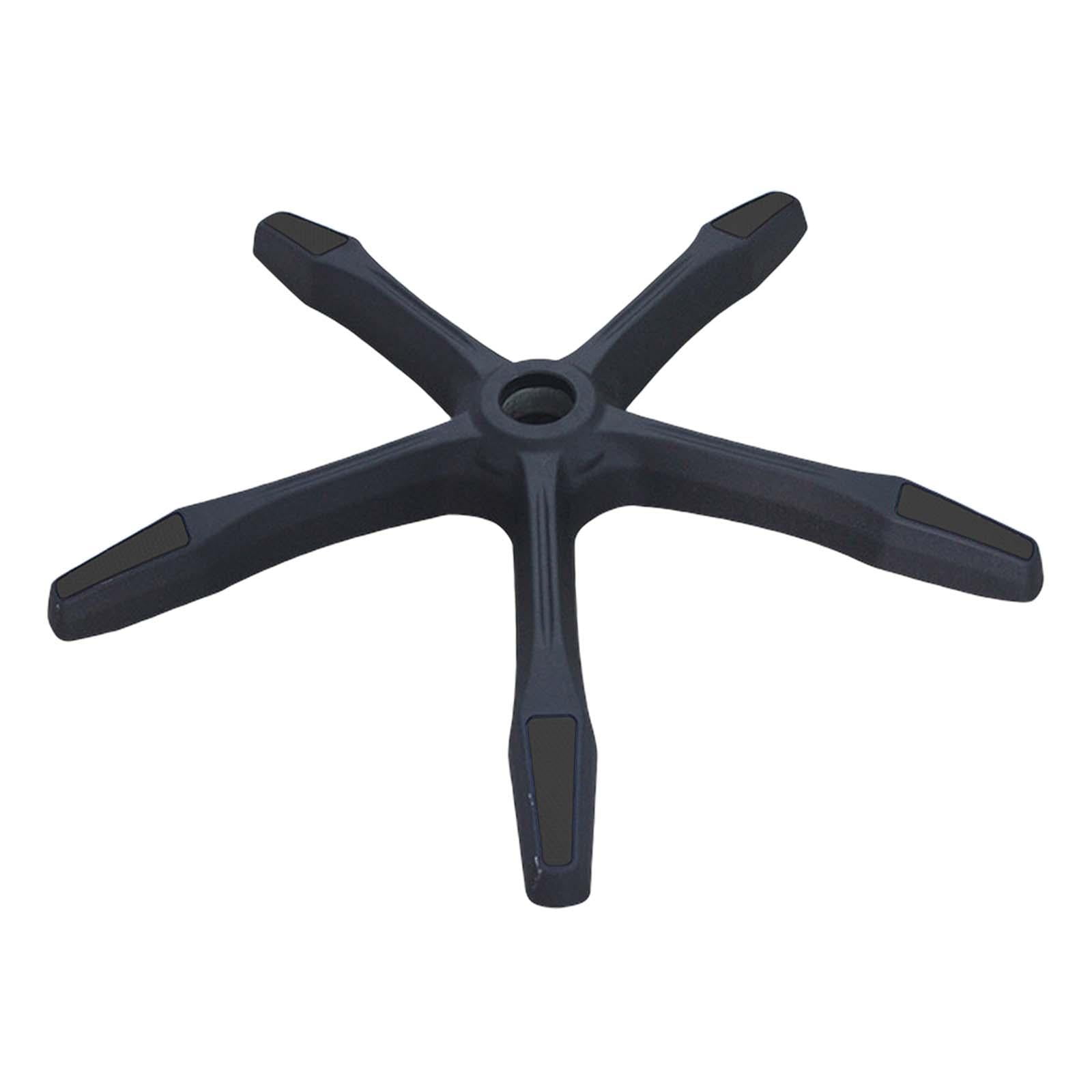
The base of a heavy duty office chair is typically wider (28-30 inches) than standard chairs (26-27 inches). This wider footprint distributes weight more evenly and prevents tipping. Look for nylon or aluminum bases with a matte finish—they're lightweight yet incredibly strong. Casters should be heavy-duty dual-wheel rollers, often with a metal core, designed to roll smoothly under significant weight without cracking.
2. The Backbone: Gas Lift Mechanism
The gas lift is the hydraulic cylinder that allows height adjustment. Standard lifts are often Class 2 or 3, rated for up to 250 lbs. Heavy duty chairs use Class 4 or Class 5 gas lifts, tested to support 400-500 lbs safely. These lifts are wider in diameter and use heavier gauge steel to prevent sudden drops.
3. The Seat: High-Density Foam and Wide Dimensions
Comfort in a heavy duty chair comes from high-density foam that resists compression. Unlike soft foam that collapses, high-density foam maintains its shape and support for years. Seat widths range from 22 to 30 inches, and seat depth is often adjustable to accommodate different leg lengths. The cushion should be at least 3-4 inches thick to prevent "bottoming out."
Decoding Weight Ratings: 350, 400, or 500 lbs?
Manufacturers use different weight ratings, and it's important to understand what they signify—not just for your current weight, but for long-term durability and safety margin.
| Weight Class | Typical User Weight | Recommended For | Construction Features |
|---|---|---|---|
| 350-400 lbs | Up to 350 lbs | Standard heavy duty, everyday office use | Reinforced steel frame, Class 3/4 lift, 26-28" base |
| 400-450 lbs | Up to 400 lbs | Extended use, taller users (6'3"+) | Thicker steel, Class 4 lift, extra-wide seat (24-26"), metal-reinforced casters |
| 450-500+ lbs | Up to 500 lbs | Maximum capacity, bariatric applications | Heavy-gauge steel frame, Class 5 lift, 28"+ base, industrial-grade casters, extra-wide seat (28-30") |
📐 Sizing Tip: Always add a 50-100 lb safety margin to your weight when choosing a chair. If you weigh 320 lbs, opt for a 400 lb rated chair. This ensures the mechanism isn't constantly working at its maximum limit, extending the chair's life.
Ergonomics Tailored for Big and Tall Users
Ergonomics isn't one-size-fits-all. For larger individuals, proper support requires adjustments that accommodate wider hips, longer torsos, and broader shoulders. Here's what to prioritize in a heavy duty ergonomic chair:
- 1. Adjustable Seat Depth (Slider): A must-have. It allows you to move the seat pan forward or backward so there's a 2-3 finger gap between the back of your knee and the seat edge. This prevents circulation issues and supports the thighs properly.
- 2. Lumbar Support with Height Adjustment: Everyone's spine is different. A chair with adjustable lumbar (both height and depth) ensures the curve of the backrest hits your lower back correctly, preventing slouching.
- 3. Wide Armrests (2D or 3D): Armrests should be wide enough to support your forearms comfortably. Adjustable width and pivot allow you to bring them in or out to match your shoulder breadth.
- 4. High Backrest with Headrest: For users over 6 feet tall, a high backrest (28 inches or more) with an integrated or adjustable headrest supports the entire spine and neck, especially during reclining.
Built to Last: Understanding Construction Quality
A durable office chair should withstand years of daily use. Look for these indicators of quality construction:
- Reinforced Point-of-Stress: High-quality chairs have extra welds or brackets at joints—where the backrest connects to the seat, and the seat connects to the gas lift. These are the most common failure points.
- Metal Seat Plate: Beneath the cushion, a thick metal plate (rather than thin particle board) provides a solid foundation and distributes weight evenly.
- BIFMA Certification: This independent testing ensures the chair meets industry standards for durability, stability, and safety. Look for the BIFMA mark.
- Warranty Length: A longer warranty (5 years on parts/frame) indicates manufacturer confidence. Pay attention to what's covered—gas lift, mechanism, upholstery.
Frequently Asked Questions About Heavy Duty Office Chairs
Investing in Comfort and Safety
Choosing a heavy duty office chair is an investment in your daily comfort and long-term well-being. By prioritizing a robust frame, high weight capacity, and ergonomic adjustability, you ensure that your workspace supports you fully. Whether you need a 400 lb rated task chair or a bariatric model with a 500 lb capacity, the right chair will provide years of reliable, comfortable service.
Quick Checklist: Choosing Your Heavy Duty Chair
- ✔️ Weight Capacity: Choose 50-100 lbs above your weight.
- ✔️ Frame: Reinforced steel, not plastic.
- ✔️ Gas Lift: Class 4 or 5 for 400+ lbs.
- ✔️ Seat Width: Measure your hips; aim for 22" or more.
- ✔️ Warranty: Minimum 3 years on mechanism.
Explore our top-rated heavy duty chairs above to find the perfect balance of strength and ergonomics.