
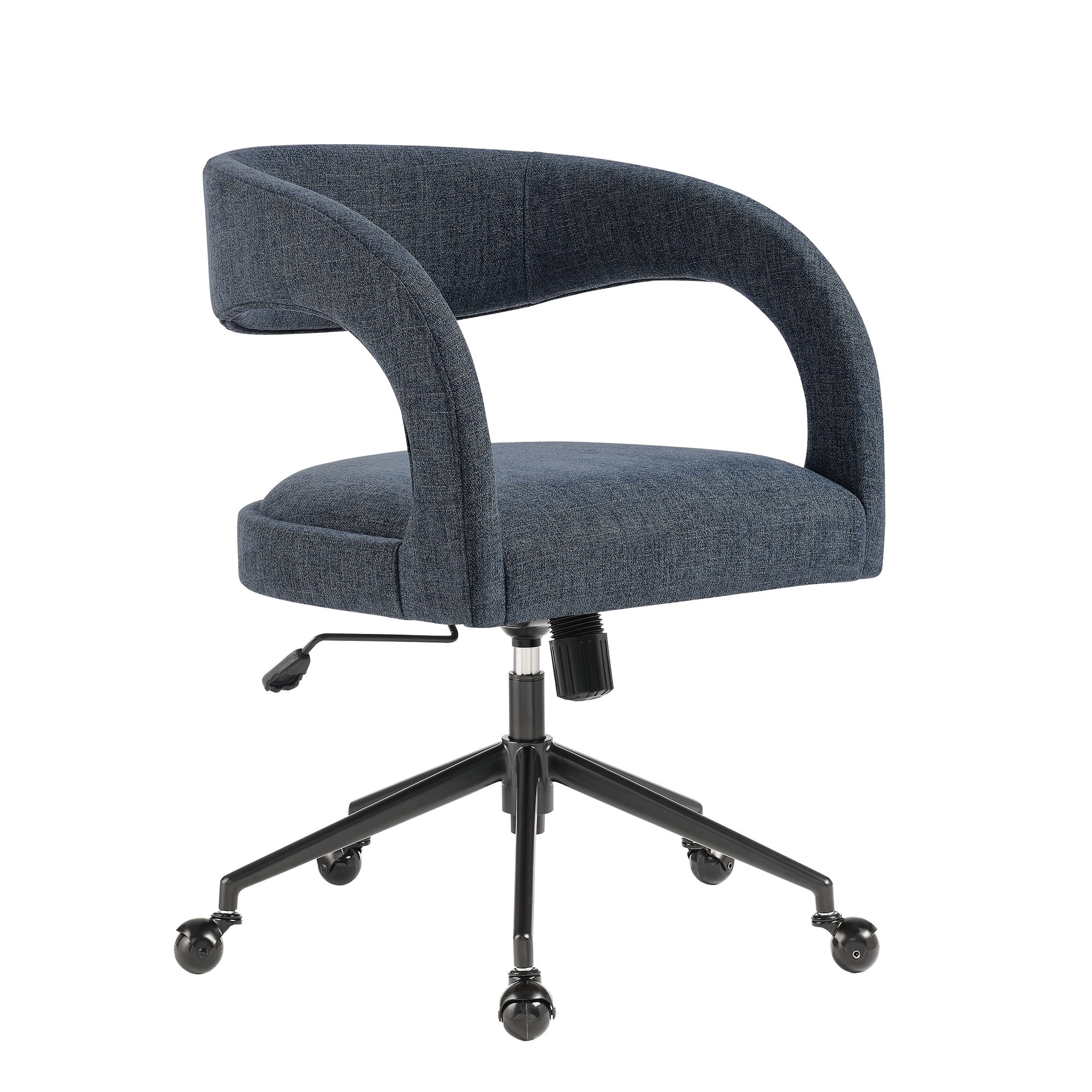
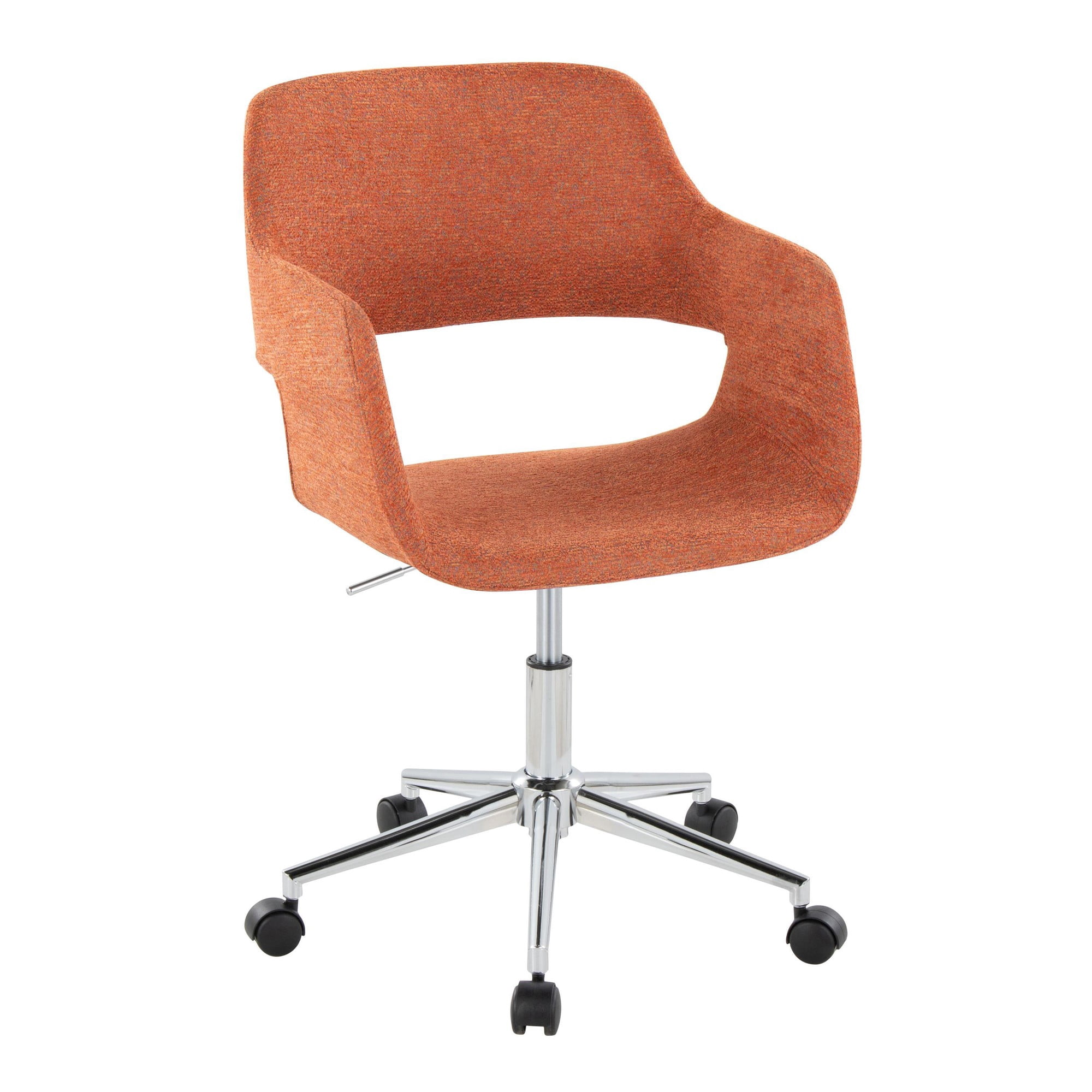
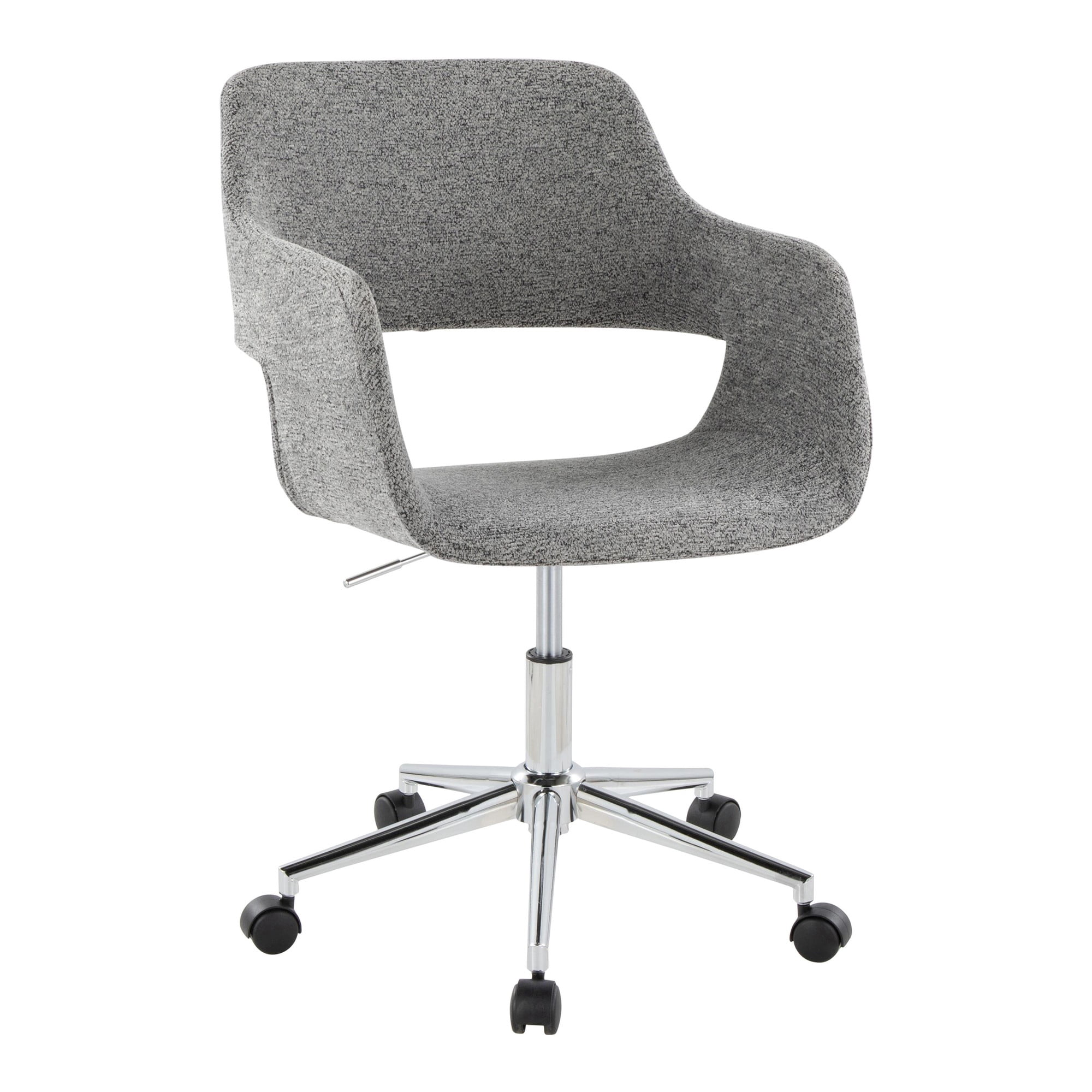
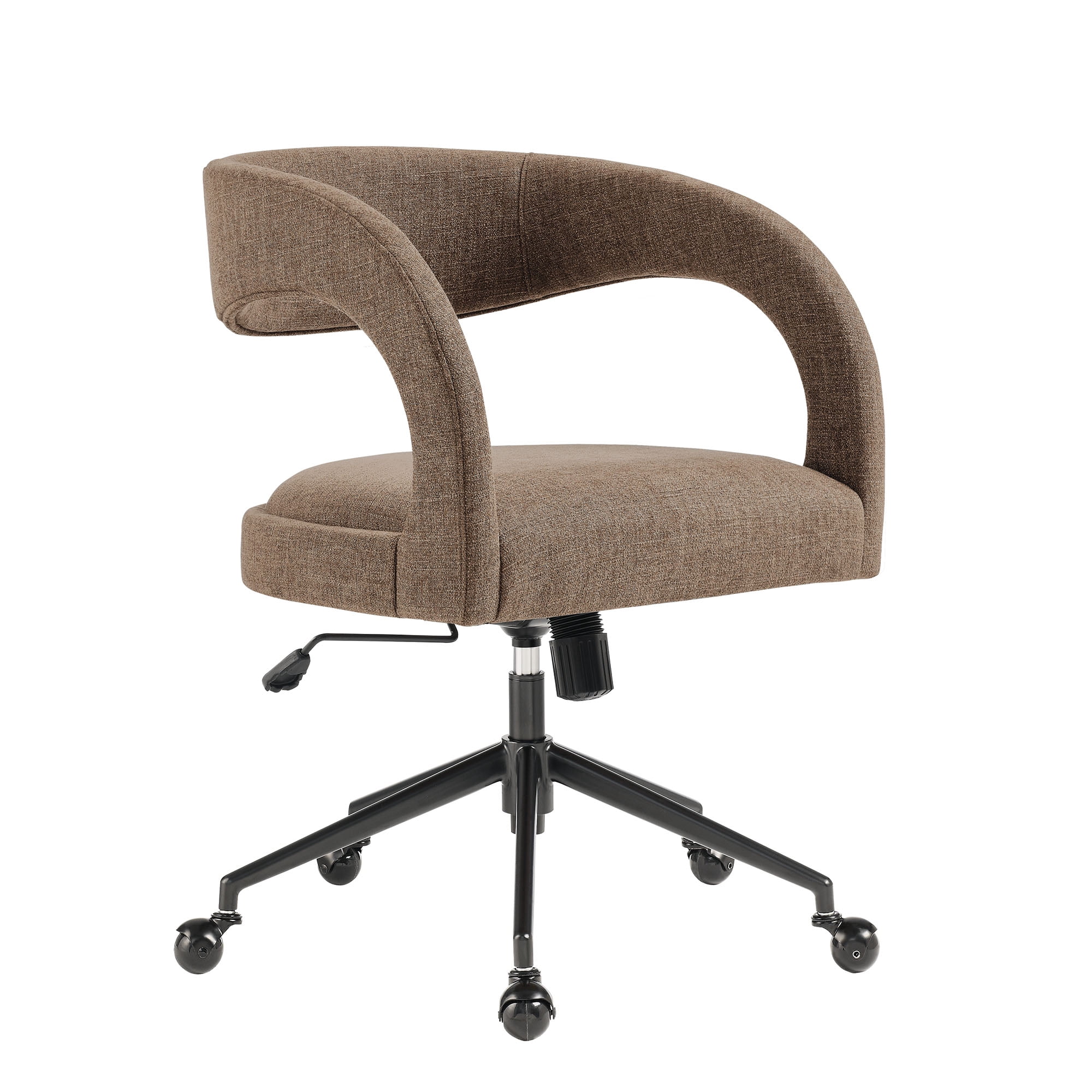
The Rise of Fabric Home Office Chairs: Why Fabric Wins for Remote Work
When you think of a home office, you likely imagine a space that balances productivity with personal comfort. Unlike sterile corporate environments, your home sanctuary calls for furniture that feels inviting. A fabric home office chair delivers exactly that: the warmth of textile, the breathability for long Zoom calls, and the ergonomic support your body craves. According to a 2023 interior design survey, 67% of remote workers now prioritize upholstered chairs for their aesthetic and tactile benefits over leather or plastic.
Why fabric? It's simple: fabric breathes. While leather can feel sticky in summer and cold in winter, quality fabric adjusts to room temperature. It also absorbs sound, reducing the distracting creaks and echoes that can occur in a quiet home office. Think of it as the difference between sitting on a park bench and relaxing on your favorite couch—both serve a purpose, but one encourages you to stay a while.
Key Advantages of Choosing a Fabric Upholstered Office Chair
- Breathability & temperature regulation: Natural and synthetic fabric blends allow air circulation, preventing the "sticky back" syndrome after hours of work.
- Aesthetic versatility: From neutral linens to bold velvets, fabric chairs complement any decor—Scandinavian minimalism, industrial loft, or cozy farmhouse.
- Quiet operation: Fabric dampens movement noise; no squeaking against clothing like some smooth surfaces.
- Comfort without stickiness: In warmer months, fabric feels pleasant against skin, and in winter, it provides a cozy, non-chilling surface.
- Eco-friendly options: Many brands now offer recycled polyester or sustainably sourced wool fabrics, appealing to environmentally conscious buyers.
Anatomy of a High-Quality Fabric Home Office Chair
Not all fabric chairs are created equal. Beneath the soft exterior lies a structure that determines longevity and support. Here’s what happens under the hood:
| Component | Role in Comfort & Durability | What to Look For |
|---|---|---|
| Fabric Type | Determines breathability, stain resistance, and wear. | Polyester blends for durability, linen for breathability, wool for natural luxury. Look for at least 50,000 double rubs (Wyzenbeek test) for home office use. |
| Foam Density | Affects sink-in feel vs. firm support; high-density foam prevents sagging. | High-resilience (HR) foam with a density of 2.5 lb/ft³ or higher. Cold-cured foam offers better long-term shape retention. |
| Seat Construction | Provides foundational support and prevents the "hammock effect." | Eight-way hand-tied springs or sinuous springs with a quality webbing. Avoid cheap particle board bases. |
| Backrest Support | Maintains spinal alignment; can be separate or part of the frame. | Integrated lumbar support or adjustable mechanisms. A frame that allows slight flex without being flimsy. |
Fabric Types Compared: Finding Your Perfect Match
The world of textile is vast, but for office chairs, five main contenders dominate. Choosing the right one is like picking the perfect pair of jeans—fit and fabric dictate your daily comfort.
Polyester / Microfiber
- Pros: Extremely durable, stain-resistant, easy to clean, affordable.
- Cons: Can pill over time if low quality, less breathable than natural fibers.
- Best for: Homes with kids or pets; high-traffic home offices.
Linen / Cotton Blends
- Pros: Highly breathable, natural look, soft feel, eco-friendly.
- Cons: Wrinkles easily, can stain, less durable than synthetics.
- Best for: Low-abuse, style-conscious offices; adult-only spaces.
Velvet / Chenille
- Pros: Luxurious appearance, incredibly soft, rich color depth.
- Cons: Can show compression marks, may attract pet hair.
- Best for: Executive home offices, design-focused spaces, guest-friendly rooms.
Wool / Tweed
- Pros: Naturally flame-resistant, durable, moisture-wicking, classic look.
- Cons: Can be itchy if not blended, heavier, typically more expensive.
- Best for: Cold climates, traditional decor, long-term investment.
Performance Fabrics (e.g., Crypton, Revolution)
These are engineered wonders: they resist stains, moisture, and odors while maintaining a soft hand. Many are made from recycled materials. If you eat at your desk or have accidental spills, a performance fabric chair is a smart upgrade.
Ergonomics Meets Textile: What to Look For
A beautiful chair that causes back pain is a poor investment. When shopping for a fabric home office chair, ensure the ergonomic skeleton is as robust as the upholstery is inviting.
- Adjustable lumbar support: Fabric should not be so thick that it negates lumbar contour. Look for chairs where the lumbar mechanism is independently adjustable, not just a foam bulge.
- Seat depth slider: This allows shorter and taller users to sit with proper thigh support. The fabric should be taut enough to allow the slider to function without bunching.
- Recline and tilt tension: A synchronized mechanism that supports your back through a range of motions is ideal. Test that the fabric doesn't pull or restrict movement.
- Armrest adjustability (4D): Fabric-wrapped armrests feel softer than plastic, but ensure they have sufficient padding underneath to prevent pressure points.
- Headrest inclusion: For tall users or those who lean back for thinking, a fabric headrest adds comfort without the cold feel of leather or mesh.
Why Fabric is the Unsung Hero for Long Workdays
Imagine an 8-hour workday: your body heat rises, you shift positions, you lean back to think. Leather can become a sauna, mesh can feel industrial, but quality fabric manages moisture and adapts. A study by the Furniture Research Center noted that users of breathable fabric chairs reported 30% less perspiration discomfort compared to bonded leather users. Fabric also provides a slight "grip," keeping you gently in place without sliding forward—a subtle aid to good posture.
Maintaining Your Fabric Chair: Simple Routines for Longevity
Your grandmother's upholstered couch lasted decades because she cared for it. Modern fabric chairs are even easier to maintain:
- Weekly vacuuming: Use an upholstery attachment to remove dust, crumbs, and pet hair. This prevents dirt from grinding into fibers.
- Immediate spill response: Blot (don't rub!) with a dry cloth. For water-based spills, a mild soap solution can be applied with a soft brush, then blotted dry.
- Deep cleaning: Once a year, use a fabric-safe upholstery cleaner or steam cleaner (check manufacturer guidelines). Always test on a hidden spot first.
- Sun protection: Direct, prolonged sunlight can fade fabric. Position your chair away from harsh UV rays or use sheer curtains.
Fabric vs. Mesh: A Nuanced Comparison
While mesh is celebrated for breathability, fabric offers a different kind of comfort. Mesh provides point-elasticity (stretching at specific points) and is highly breathable, but it can lack the plush, enveloping feel of fabric. Fabric distributes pressure more evenly across the back and seat, reducing "pressure points" that can occur with mesh's tensioned weave. For users who prefer a softer, more substantial feel, fabric is often the winner. Many hybrid chairs now combine a mesh back (for breathability) with a fabric seat (for comfort under-thigh)—a best-of-both-worlds approach.