
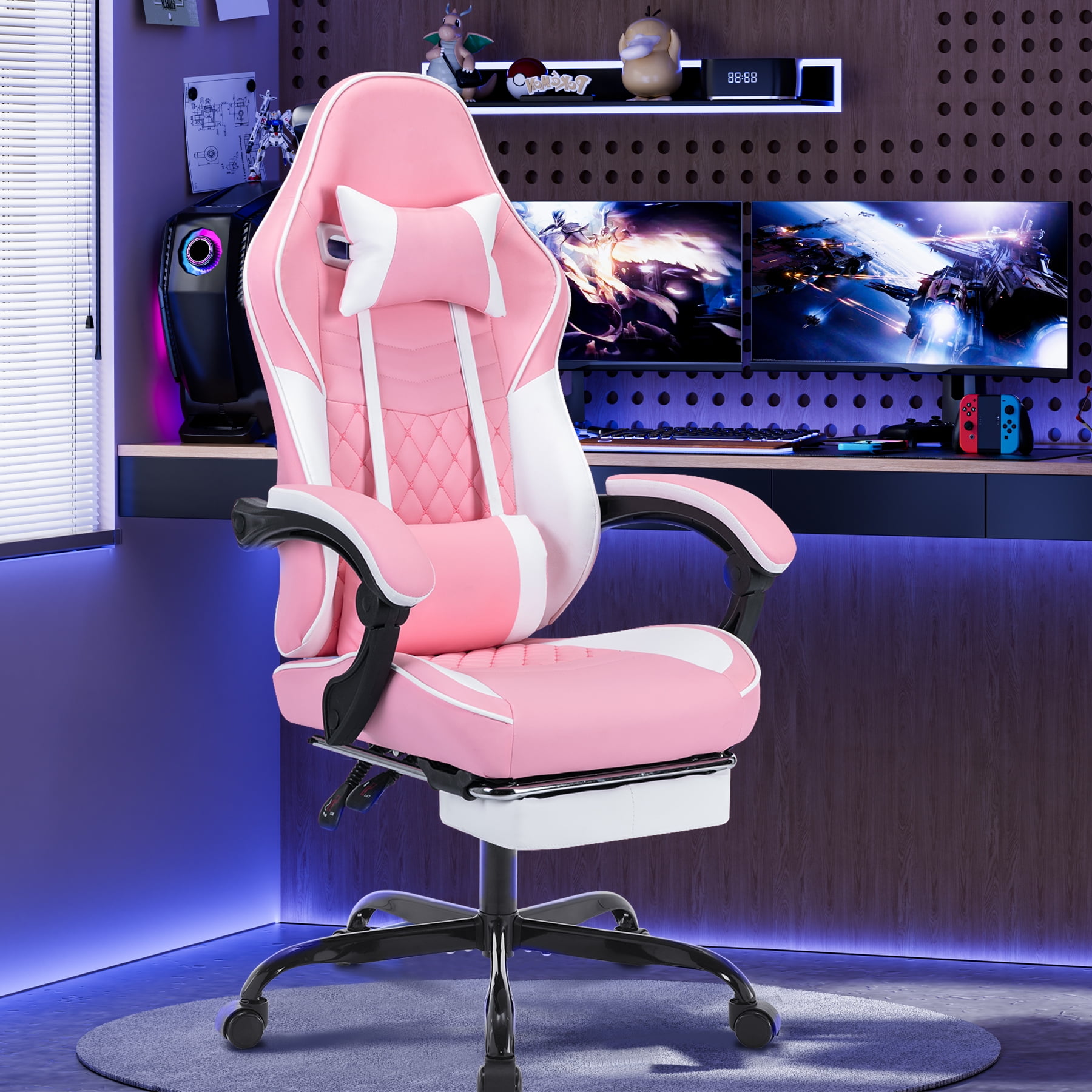
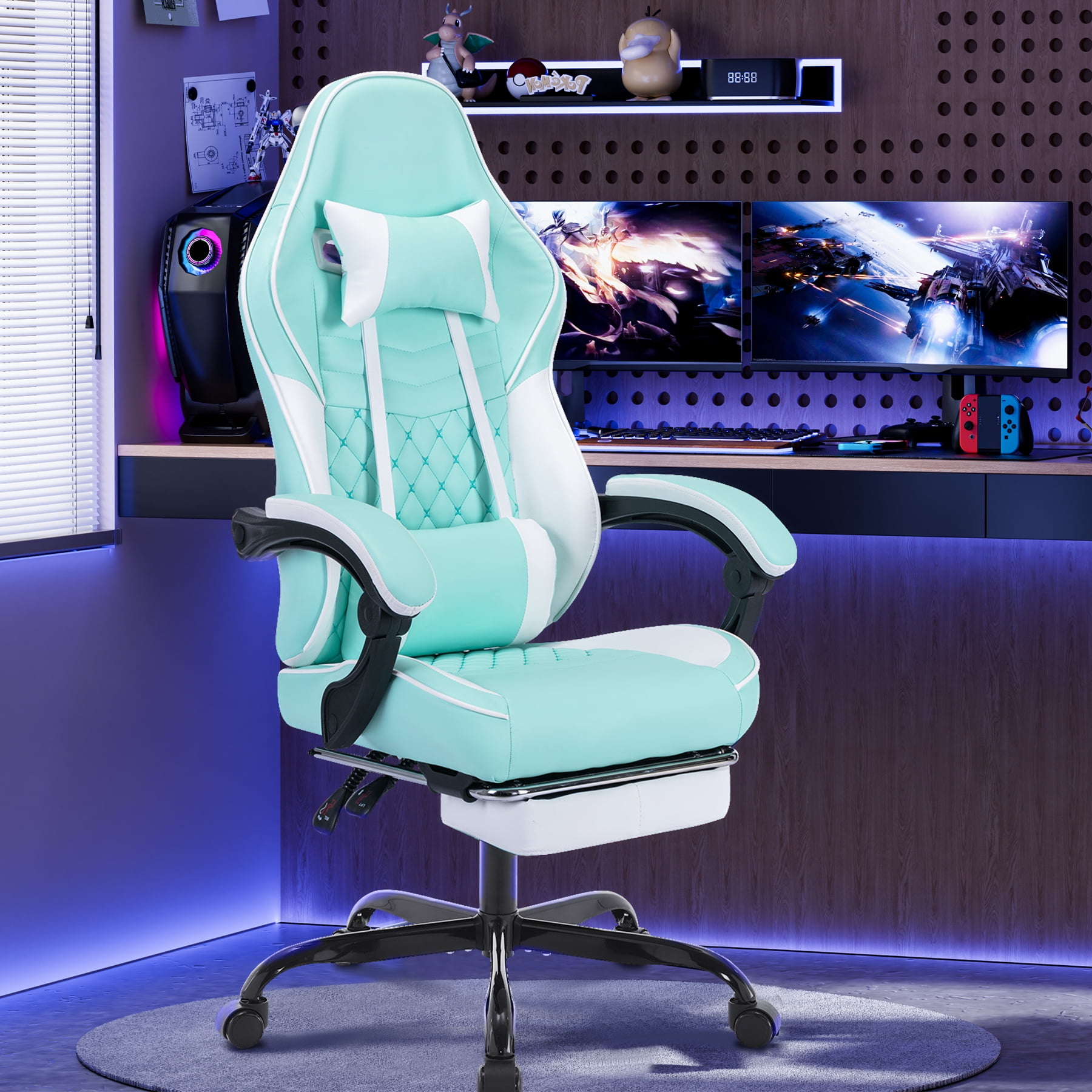
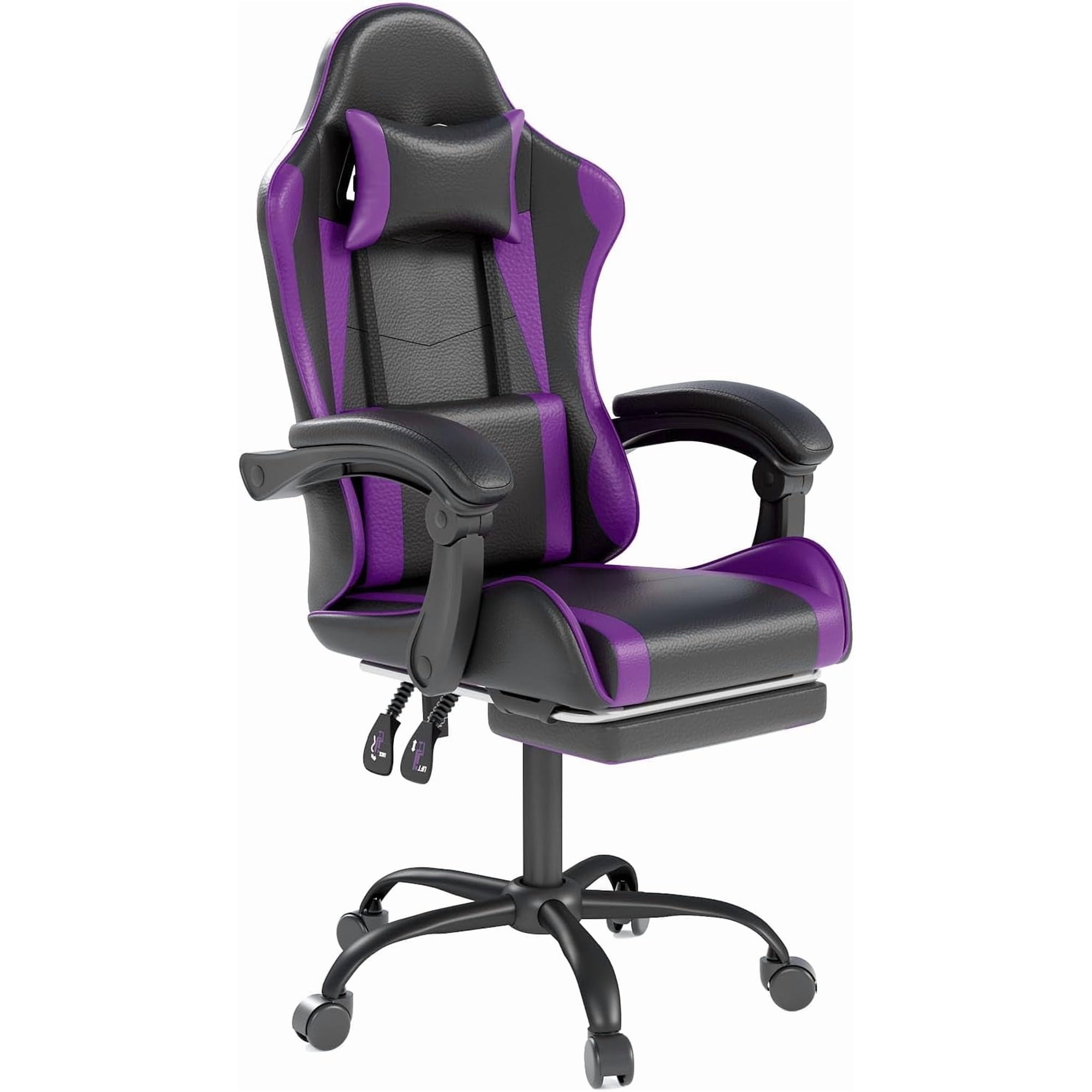
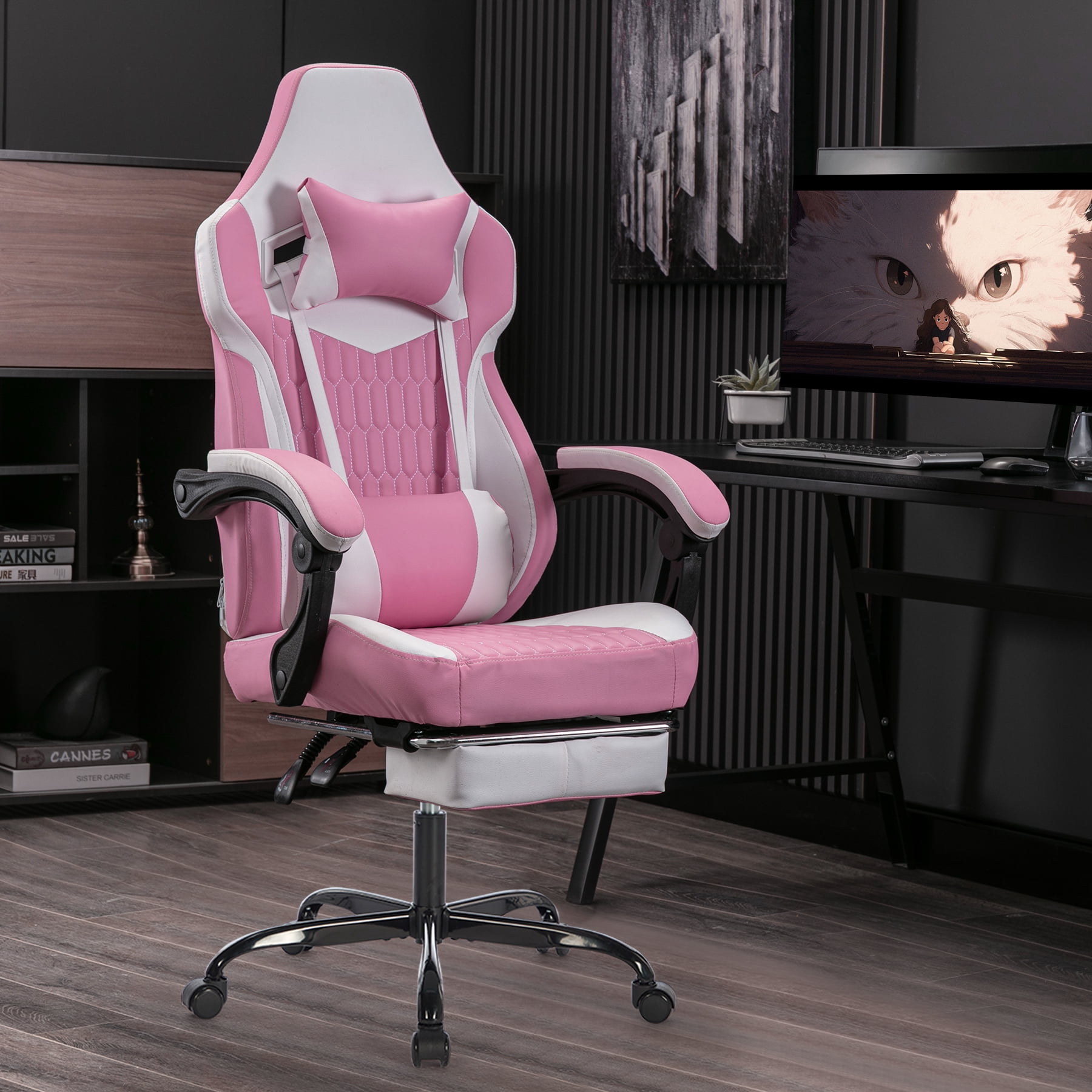
Why choose an office chair with headrest and footrest?
Imagine sitting at your desk for eight hours — your neck aches from looking at the screen, and your feet feel swollen from dangling or pressing the floor. An office chair with headrest and footrest solves both problems. It’s like having a first‑class seat that adapts from intense focus mode to full relaxation. According to ergonomists, supporting the head reduces cervical spine pressure by up to 30%, while elevating the legs helps venous return and lowers lumbar stress.
Research snapshot: A study from the National Institutes of Health found that workers who used a chair with head and foot support reported 45% less fatigue and 22% higher concentration after 6 hours compared to standard task chairs.
Key ergonomic benefits of integrated headrest and footrest
These chairs bridge the gap between office task seating and lounge comfort. Here’s how each element contributes to your well‑being:
Headrest: more than a neck pillow
- Cervical support during recline: When you lean back, the headrest keeps your neck aligned with your spine, preventing “craning” that leads to stiffness.
- Reduces forward head posture: A well‑positioned headrest encourages you to rest your head backward, counteracting the typical “desk hunch”.
- Adjustability matters: Look for 2D or 3D headrests (height + angle). The best ones follow the contour of your neck, not just the back of your skull.
Footrest: hidden wellness tool
- Circulation booster: Legs elevated at or above hip level helps blood flow, especially for those prone to varicose veins or edema.
- Pressure redistribution: Taking weight off your feet reduces pressure on the lower back — like sitting in a zero‑gravity position.
- Types of footrests:
- Fold‑out/extendable: Slides from under the seat; convenient for occasional use.
- Fixed ottoman style: Part of a matching recliner set; often more padded.
- Separate attached platform: Some chairs have a pivoting foot ring (less common for footrest). For this article, we focus on integrated leg supports.
Synergy: headrest + footrest = better recline
A chair that offers both encourages you to take micro‑breaks in a reclined posture. Studies show that shifting position frequently — including leaning back with feet up — re‑energizes muscles and disks. The combination allows a near‑supine position without sliding off the chair.
Quick comparison: headrest + footrest vs standard executive chair
| Feature | Chair with headrest & footrest | Standard executive chair |
|---|---|---|
| Neck support during recline | ✔️ adjustable headrest | usually none or fixed low back |
| Leg elevation option | ✔️ built‑in or fold‑out footrest | ❌ separate footrest needed |
| Ideal for power napping | ✔️ 135°–180° recline + full support | limited tilt, no leg support |
| Space footprint (extended) | requires ~20” front clearance | standard |
| Typical weight capacity | 300–400 lbs (reinforced frame) | 250–300 lbs |
Who benefits most from this chair type?
• Home office workers who want a single chair for work and relaxation.
• Gamers and streamers – long sessions demand neck and leg support.
• People with chronic back pain – elevating legs unloads the spine.
• Tall individuals – adjustable headrest ensures proper neck position.
• Anyone who likes occasional desk naps – the footrest prevents feet from dangling.
5‑step selection guide: find your perfect chair
Step 1: Check recline mechanism
Look for infinite lock or multiple tilt lock positions. A chair that only tilts with tension but doesn’t lock won’t hold your weight when you recline with feet up. Prioritize models with a sturdy steel recline mechanism.
Step 2: Evaluate footrest type
• Fold‑out footrest: usually hidden under seat, deploys by pulling. Ensure it’s padded (at least 1” foam) and wide enough for both feet.
• Extendable slider: slides forward like a drawer. Good for taller users but may have weight limits.
• Test the mechanism in reviews – cheap footrests can feel flimsy.
Step 3: Headrest adjustability
Minimum: height adjustable. Ideal: also tilt angle. The headrest should contact the curve of your neck, not push your head forward. For people over 6’, look for extra‑tall back with headrest extension.
Step 4: Material durability & cleaning
• Leather/ PU: easy to wipe, but may get sticky in hot climates.
• Mesh + fabric combo: breathable, but footrest area might need occasional vacuum.
• High‑density foam (cold‑cured) resists sagging longer.
Step 5: Measure your space
With footrest extended, you need about 55–65 cm (22–26 inches) clearance in front. Also measure door width if you plan to move it assembled.
Analogy: An office chair with headrest and footrest is like a “Swiss Army knife” for seating – it transforms from a professional task chair into a recovery lounge in seconds. Data point: In a 2023 survey of 500 remote workers, 78% said a chair with integrated footrest reduced their end‑day leg fatigue.
Potential drawbacks (honest take)
- Heavier weight: extra components add 5–10 lbs compared to standard chairs.
- Footrest may feel cramped for very tall persons – check extended length (ideal 16–18”).
- Some mechanisms squeak over time: choose reputable brands with grease fittings or solid reviews.
Frequently Asked Questions (office chair with headrest and footrest)
Conclusion: invest in head‑to‑toe comfort
An office chair with headrest and footrest is not a luxury – it’s a productivity and wellness tool. By supporting your cervical spine and allowing leg elevation, it reduces the physical toll of sedentary work. Whether you’re grinding through a deadline or taking a mental break, this chair adapts to you. Use the selection steps above, test the mechanisms, and choose a model with sturdy materials. Your neck and feet will thank you at the end of the day.
Remember: always check the product specifications for weight capacity and recline range. The affiliate‑listed chairs above are a great starting point – they represent some of the best values in this category.