
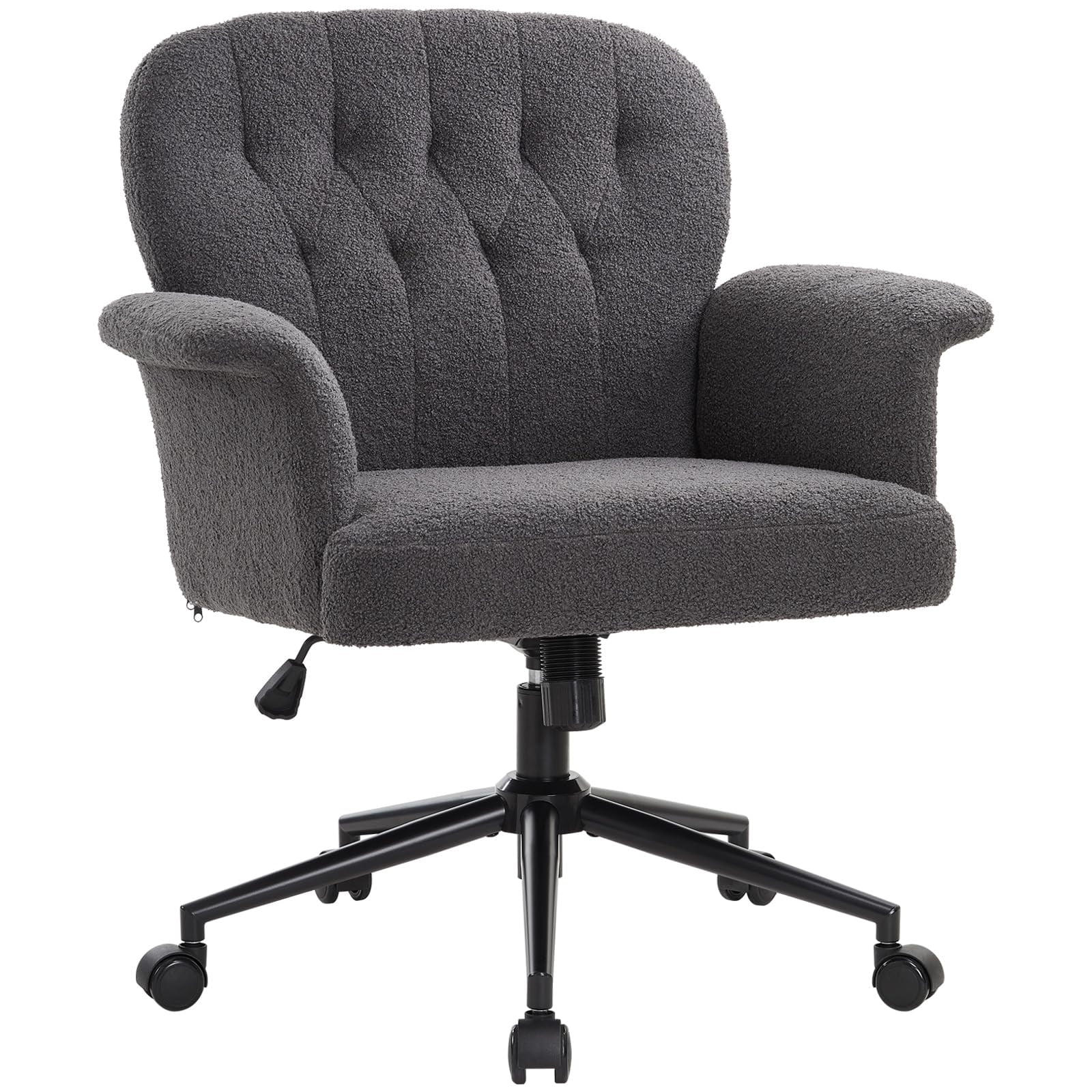
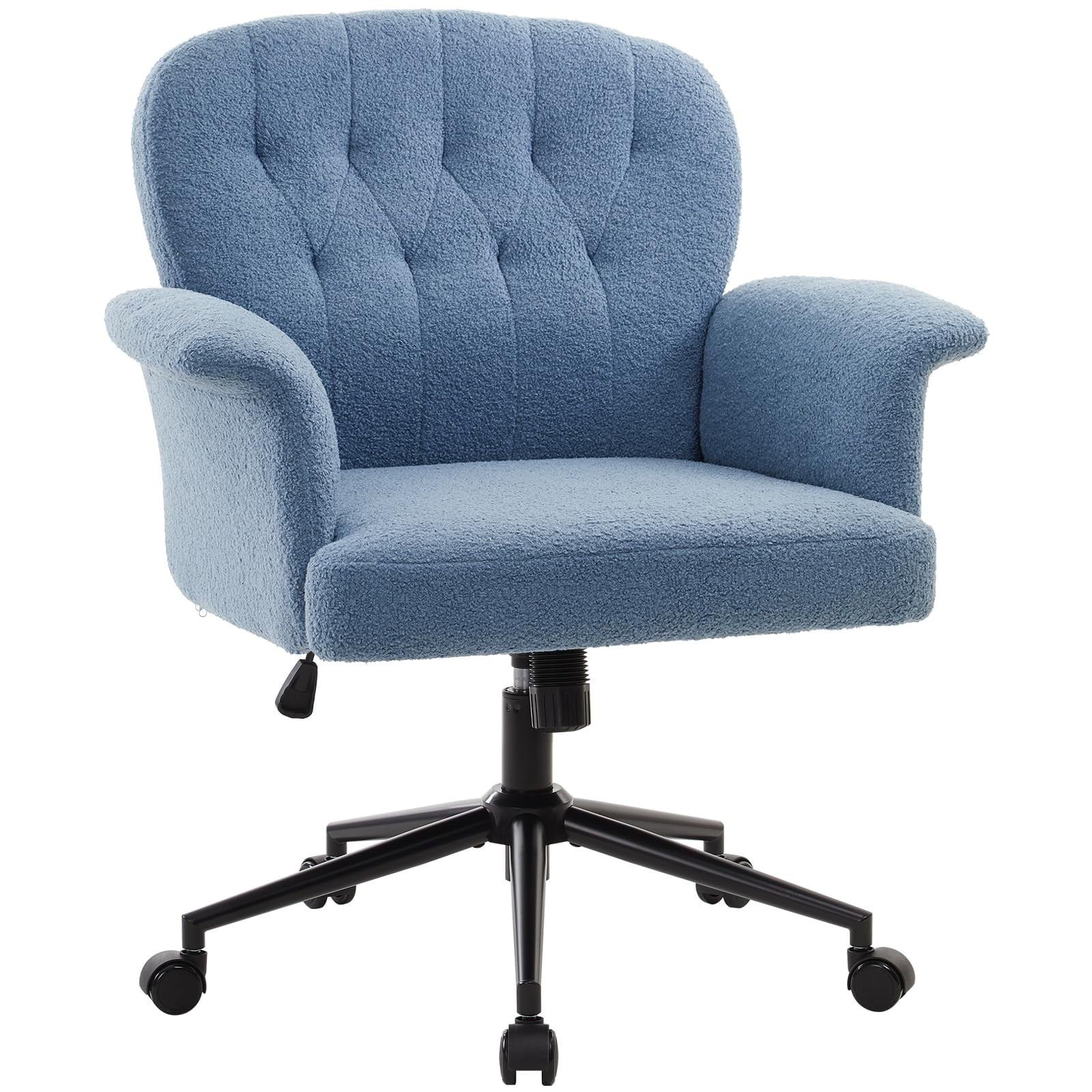
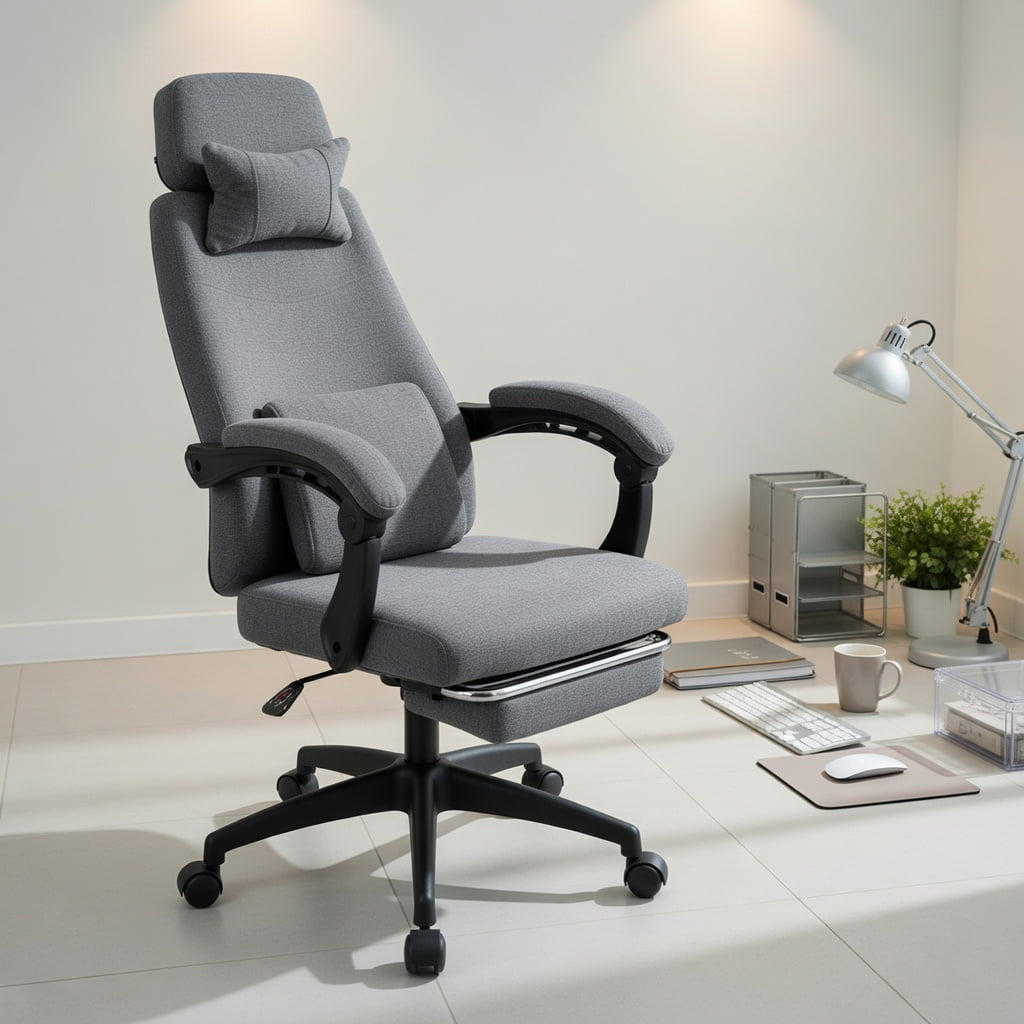
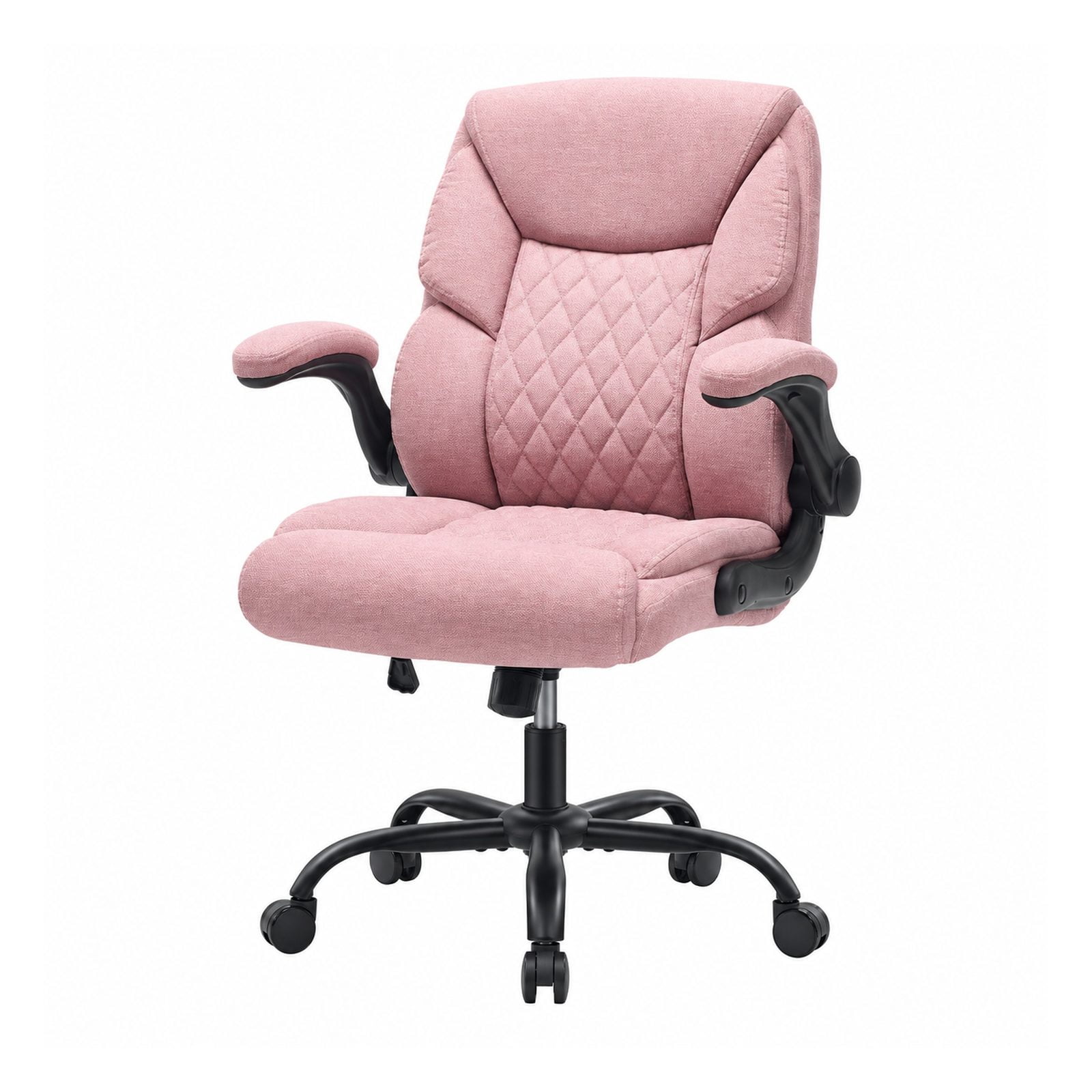
Your Complete Guide to Fabric Upholstered Office Chairs
Imagine settling into your workspace. The chair doesn't feel cold or sticky; instead, it welcomes you with a gentle, breathable surface that adapts to your movements. That's the everyday experience of a quality fabric upholstered office chair. More than just a seating option, fabric chairs represent a commitment to comfort, personal style, and practical ergonomics.
Did you know? According to a 2023 workplace comfort survey, 68% of employees who switched from synthetic leather to a breathable fabric chair reported feeling less fatigued by the end of the workday. The fabric's ability to wick moisture and allow air flow plays a significant role in maintaining comfort during long stretches of sitting.
Why Choose Fabric? The Core Advantages
Fabric upholstery isn't a one-size-fits-all category. It ranges from durable twill and textured weaves to plush velvets and high-performance polyester blends. Each brings distinct benefits to your workspace.
- Superior Breathability: Fabric naturally allows air to circulate, preventing the uncomfortable heat buildup common with vinyl or budget leather. This keeps you cooler in summer and cozier in winter.
- Exceptional Comfort & Warmth: The textile surface is soft to the touch and feels less stark than leather. It provides a warmer, more inviting feel, which can psychologically signal relaxation and focus.
- Aesthetic Versatility: From sleek office-appropriate grays and blues to bold accent colors, fabric offers endless design possibilities. Texture adds depth to your office decor.
- Noise Reduction: Fabric absorbs sound slightly, contributing to a quieter office environment compared to the crinkle of leather or the tap of plastic.
- Often More Affordable: High-quality fabric chairs can deliver premium ergonomics and durability at a more accessible price point than top-grain leather equivalents.
Key Considerations When Shopping for Fabric Upholstery
Not all fabric is created equal. Here’s what to look for to ensure your chair stands the test of time and maintains its good looks.
| Fabric Type | Best For | Durability (Double Rubs*) | Maintenance |
|---|---|---|---|
| Polyester/Performance Weave | High-use offices, stain resistance | 50,000 – 100,000+ (heavy duty) | Easy: wipe spills, occasional vacuum |
| Mesh-Fabric Hybrid | Maximum breathability, modern look | Varies; often 40,000 – 80,000 | Low: vacuum mesh, spot clean fabric parts |
| Velvet/Chenille | Luxury feel, executive or home offices | 15,000 – 40,000 (medium use) | Moderate: requires gentle cleaning, can show crush marks |
| Olefin (Polypropylene) | High durability, moisture resistance | 60,000+ (very durable) | Easy: resists stains and moisture well |
*'Double rubs' is a standard industry test (Wyzenbeek) for fabric abrasion resistance. 15,000+ is suitable for residential use; 30,000+ for light commercial; 50,000+ for heavy commercial.
The Ergonomics Factor: It's What's Inside That Counts
A beautiful fabric cover is only as good as the structure beneath it. For a chair to support you effectively, pay attention to these internal elements:
- Foam Density: Look for high-density foam (often labeled as HR or 'molded foam'). It retains its shape longer and provides better support than low-density foam, which can sag within months.
- Frame Construction: A solid wood or reinforced composite frame is the backbone. Avoid chairs with frames made entirely of thin plastic. Plywood with a minimum thickness of 1/2" is a good sign.
- Lumbar Support Integration: The best fabric chairs integrate adjustable lumbar support beneath the upholstery. This could be a built-in curve, an adjustable pad, or a tension mechanism that moves with you.
- Suspension System: Quality chairs use sinuous springs or elastic webbing beneath the foam to provide 'give' and prevent you from bottoming out on the frame.
Fabric vs. The World: A Quick Comparison
Still wondering how fabric stacks up against other popular materials? Here’s a side-by-side look.
Fabric vs. Leather
Fabric wins on: breathability, initial cost, color/texture variety, and a warmer, less formal feel. Leather wins on: ease of wiping clean, durability (with proper care), and a traditional upscale aesthetic.
Fabric vs. Mesh
Fabric offers: full-body cushioning and a plusher feel. Mesh is excellent for breathability but may lack the padded comfort some users prefer on the seat and thighs. Hybrid models combine both: a mesh back with a fabric seat.
Maintaining Your Fabric Chair: Simple Routines for Long Life
Proper care keeps your chair looking professional and extends its lifespan. Think of it like caring for a favorite jacket – regular attention prevents major issues.
- Weekly Vacuuming: Use the upholstery attachment to remove dust and crumbs from the seat, back, and crevices. This prevents dirt from grinding into the fibers.
- Immediate Blotting: For spills, never rub! Blot firmly with a clean, dry white cloth to absorb as much liquid as possible. Repeat with a cloth dampened with water.
- Deep Cleaning: For overall freshening, use a fabric-safe upholstery cleaner foam. Apply with a soft brush, let it dry, then vacuum. Always test on the underside first.
- Professional Cleaning: For significant stains or annual maintenance, consider a professional steam cleaning service that specializes in upholstery.
Frequently Asked Questions About Fabric Upholstered Office Chairs
Conclusion: Finding Your Perfect Fabric Match
Selecting a fabric upholstered office chair is an investment in your daily comfort and the atmosphere of your workspace. By prioritizing breathable, durable fabric over a high-density foam core and a sturdy frame, you're choosing a seat that supports both your body and your personal style. Whether you opt for a sleek performance weave for a busy office or a luxurious velvet for a home workspace, the right fabric chair transforms sitting from a necessity into a pleasure. Use this guide to navigate the options and find a chair that feels as good as it looks, day after day.