
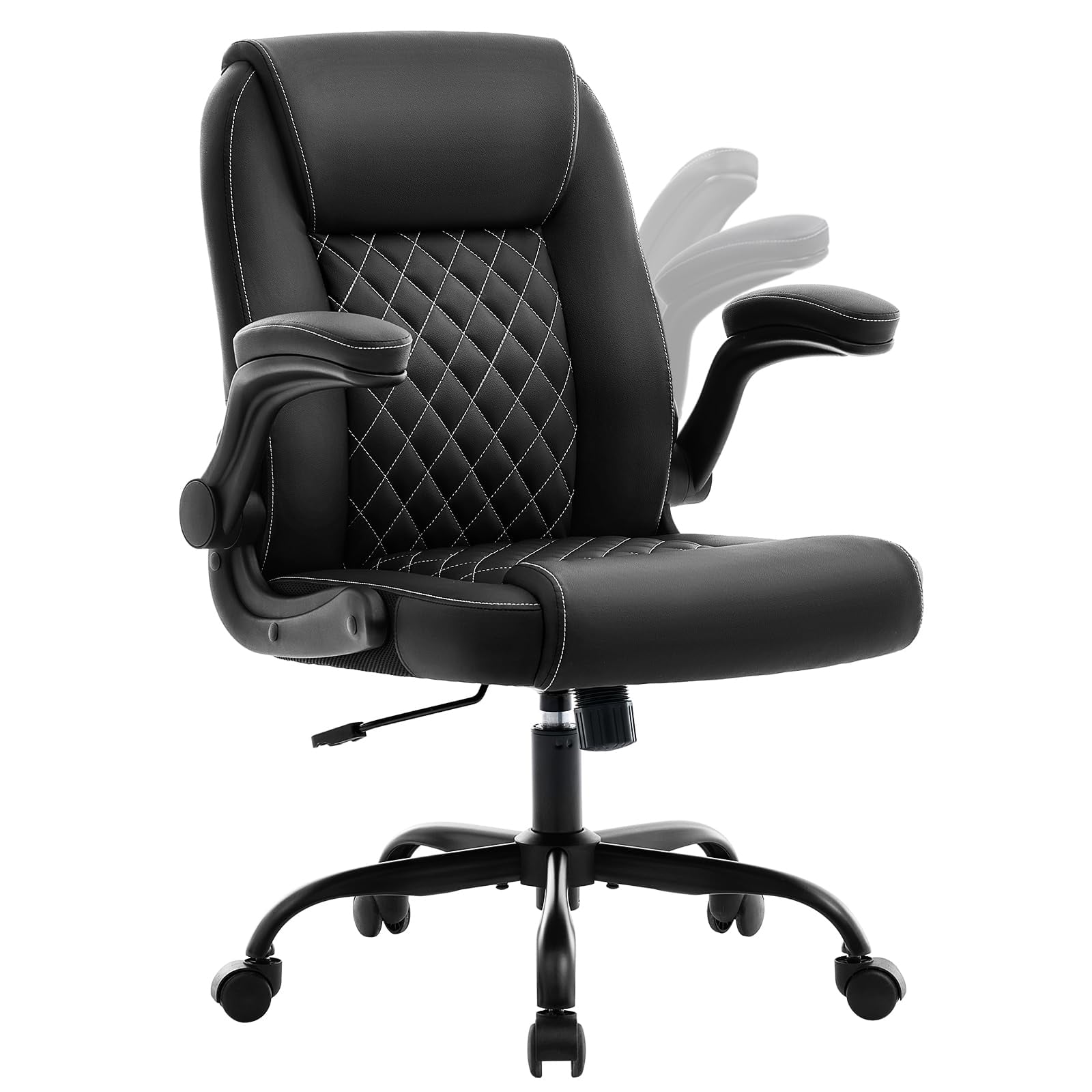
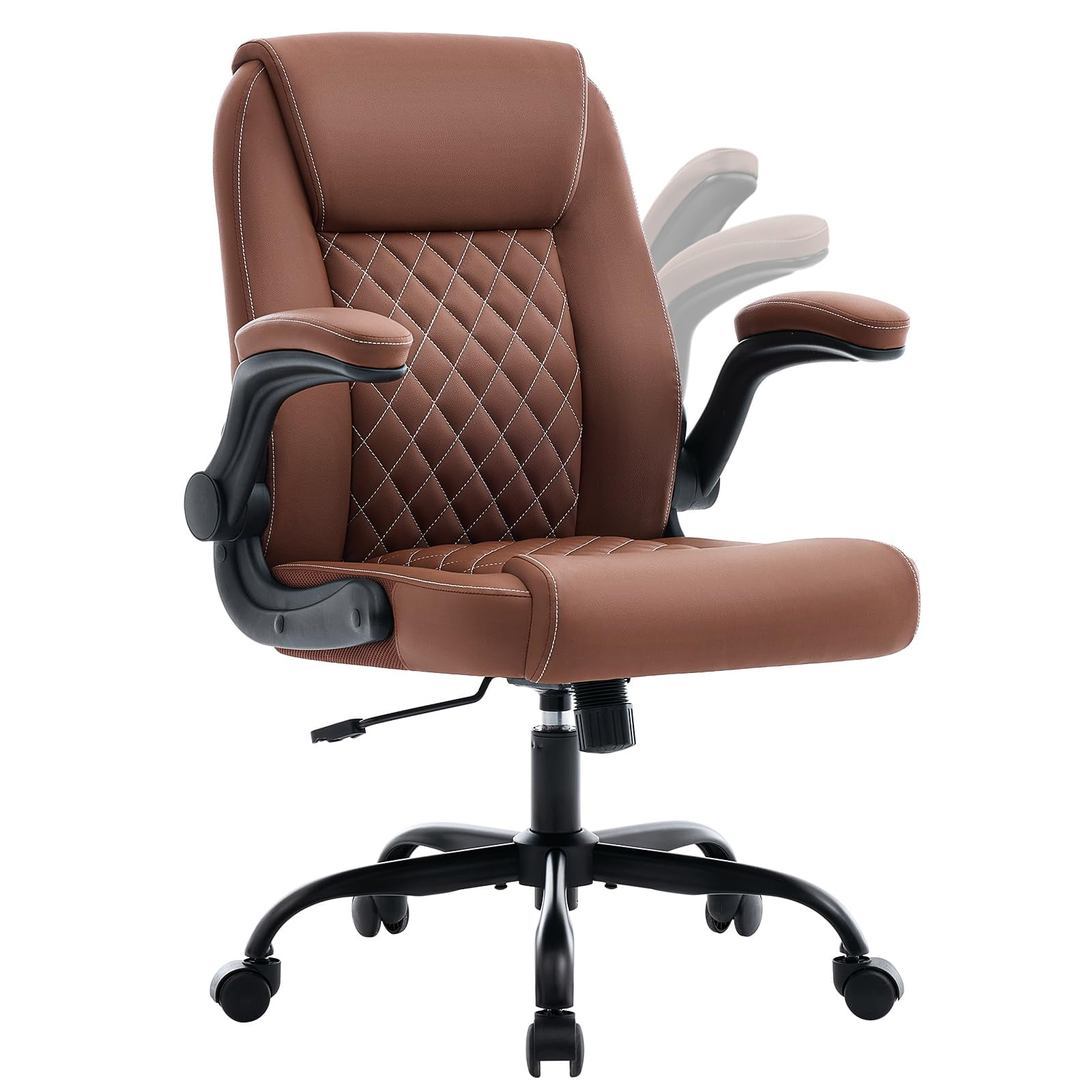
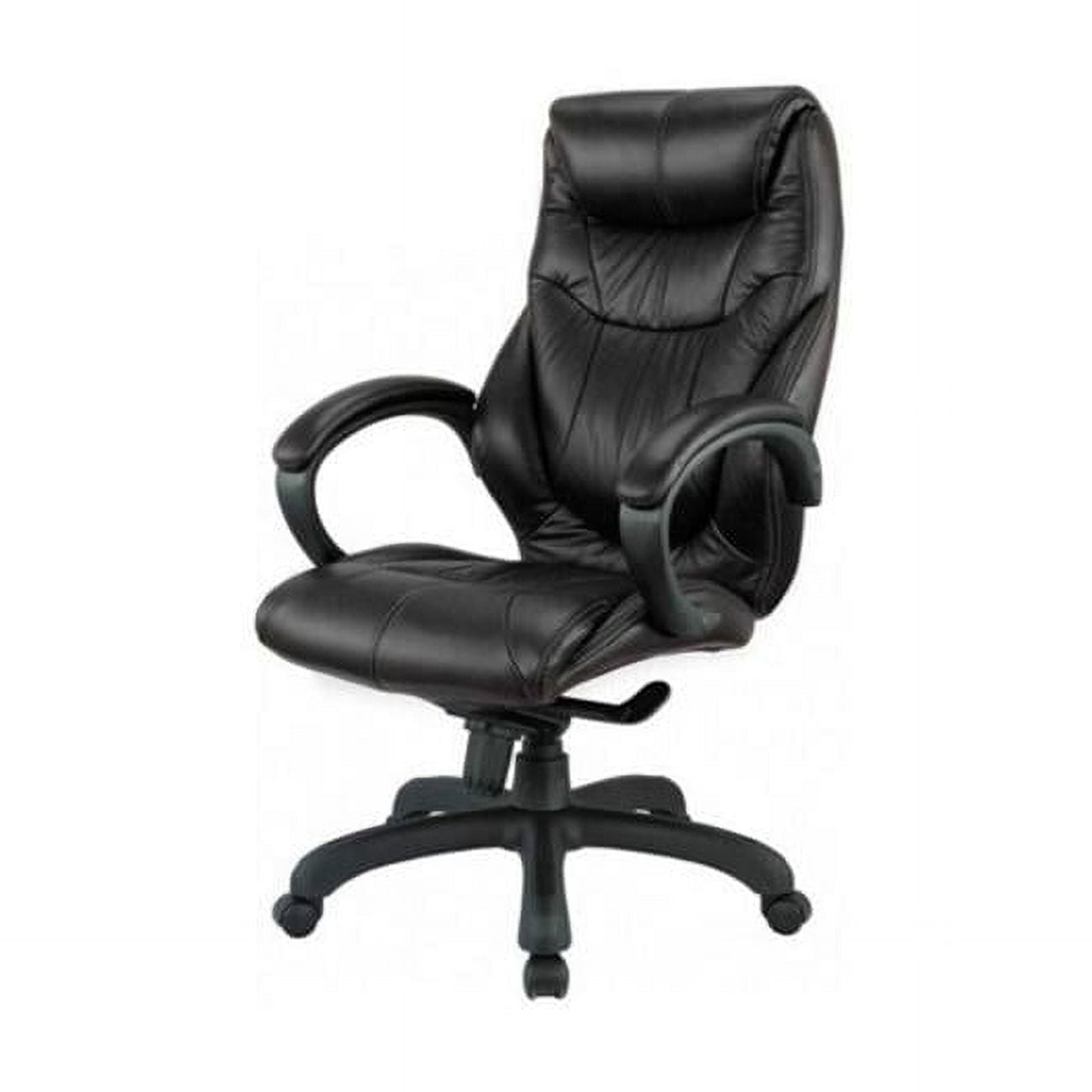
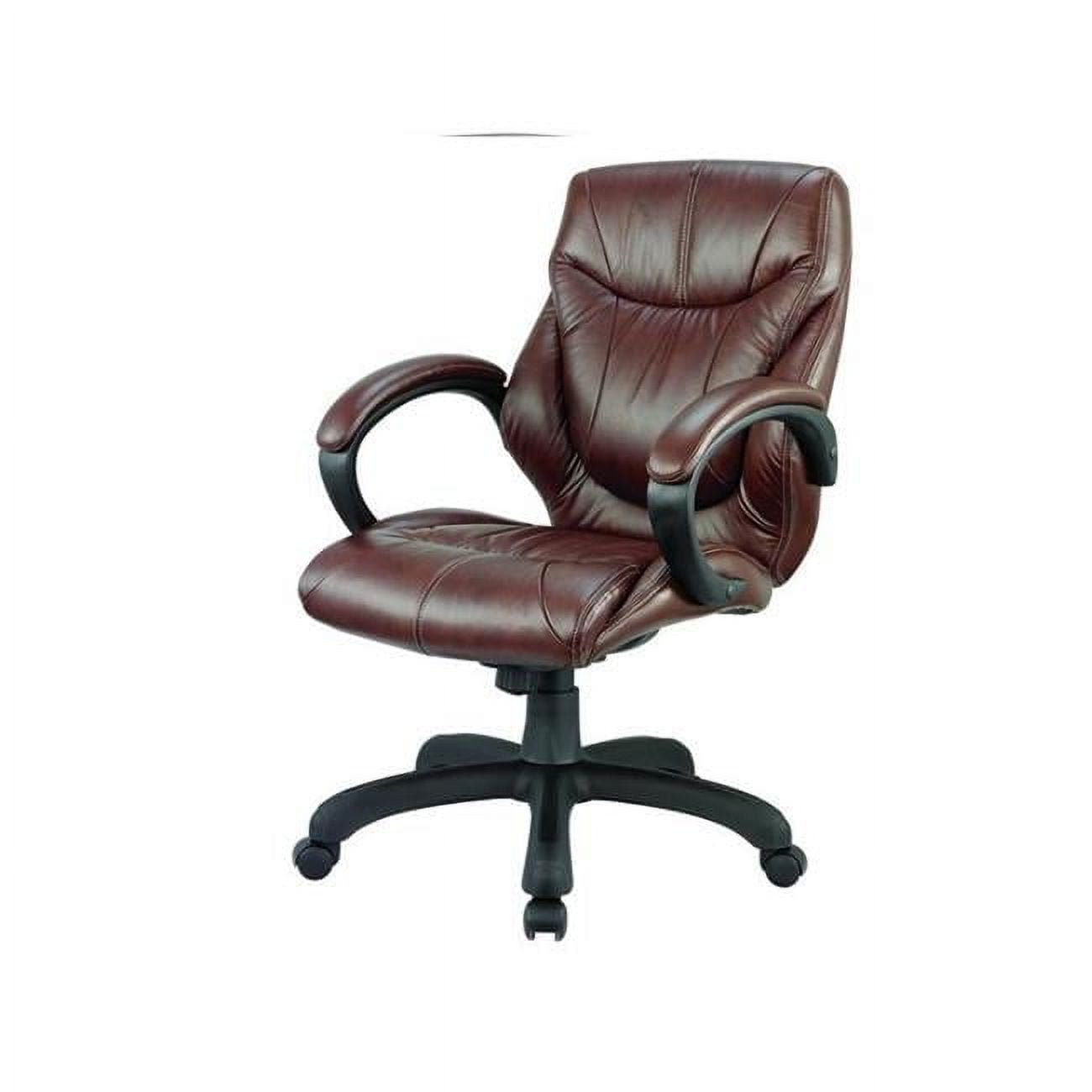
The Enduring Appeal of Real Leather in the Executive Suite
Walk into any corner office that exudes influence, and you'll likely find one constant: a real leather executive office chair. It’s not merely about seating; it’s a statement. In a world of disposable furniture, genuine leather represents permanence, taste, and a connection to craftsmanship. But beyond the prestigious look, a chair upholstered in authentic hide offers tangible benefits that directly affect your workday. Unlike fabric that stains or bonded leather that peels, real leather ages gracefully, becoming uniquely yours.
However, the term “leather” has become diluted. Manufacturers use phrases like “genuine leather” loosely, sometimes referring to low-grade split leather coated with plastic. This guide cuts through the marketing fog. We’ll explore why investing in a top-grain or full-grain leather executive chair is a decision that pays dividends in comfort, durability, and professional image. According to a 2023 survey by the American Society of Interior Designers, 78% of executives believe that the quality of their office furniture directly impacts client perception. Your chair is your silent partner in negotiations.
Did you know? A full-grain leather hide can be up to 4mm thick and, with proper care, outlast the chair’s mechanism. It’s one of the few materials that actually improves with age, developing a rich patina that synthetic materials can only imitate poorly.
Why Real Leather? The Untold Advantages for Decision Makers
When you’re finalizing deals or leading meetings, your chair should be the last thing on your mind. A real leather chair fades into the background because it’s naturally comfortable. Let's break down the core reasons to choose authentic hide over faux alternatives.
1. The Science of Breathability & Thermoregulation
Leather is a natural fiber with a porous structure. It acts as a buffer against temperature swings. In a climate-controlled office, it prevents that sticky, sweaty feeling common with synthetic materials. Think of it like a high-end leather car seat: it’s warm in winter without being stifling in summer. This breathability reduces fatigue during marathon work sessions.
2. The Patina: Your Chair’s Story
One of the most misunderstood aspects of real leather is its evolution. Unlike faux leather that looks worn out after two years, real leather develops a patina—a soft sheen and subtle color variations that result from use and exposure. It’s a record of your work life. Executives often remark that a ten-year-old leather chair feels like an old friend, conforming perfectly to their sitting posture.
3. Structural Integrity & Longevity
A real leather executive office chair isn't just about the cover. Brands that use genuine hides typically pair them with stronger internal components: solid hardwood frames, heavy-duty tilt mechanisms, and thicker casters. The leather itself is tear-resistant and can handle daily stress for decades. Here’s a quick comparison you won’t find on the example page:
- Full-Grain Leather: The top layer of the hide, retaining natural grain. Most durable, develops best patina. Used in chairs above $1,500.
- Top-Grain Leather: Sanded to remove imperfections, more uniform, slightly thinner. Excellent for executive chairs ($800–$1,800).
- Split / Bonded Leather: NOT real leather in the true sense. It’s leather fibers glued together. Avoid for daily executive use—it will crack.
4. Hypoallergenic Properties
For executives sensitive to dust or allergens, real leather is a winner. Its non-porous surface (when finished) doesn’t trap dust mites, pet dander, or pollen like fabric can. A quick wipe with a damp cloth restores cleanliness—a subtle health advantage during allergy season.
Real Leather vs. Premium Alternatives: A Fresh Perspective
| Feature | Full-Grain Leather | Top-Grain Leather | High-End Fabric (e.g., wool blend) |
|---|---|---|---|
| Initial feel | Firm, substantial | Smooth, supple | Soft, warm |
| 10-year appearance | Rich patina, character | Minor softening, even look | Possible fading, pilling |
| Breathability | Excellent | Very good | Moderate to high |
| Maintenance | Condition twice/year | Condition twice/year | Vacuum; professional cleaning |
| Status perception | Ultimate prestige | High prestige | Casual creative |
5. Sustainability Angle
While vegan leather is marketed as eco-friendly, many are plastic-based (PU, PVC) that shed microplastics. Real leather is a byproduct of the food industry; using it upcycles a material that would otherwise go to waste. A real leather chair that lasts 20 years has a lower environmental footprint than three faux-leather chairs replaced every 5 years. It’s the "buy it for life" argument applied to office furniture.
Step-by-Step: How to Select Your Real Leather Throne
Navigating the options requires a plan. Follow this framework to ensure your investment aligns with your needs.
🔍 Step 1: Verify the Leather Grade
Ask the manufacturer directly: "Is this full-grain, top-grain, or bonded leather?" Reputable brands will proudly state the grade. If the description only says "genuine leather" without specifics, assume it’s lower-grade split leather. Look for swatches or detailed specifications.
📏 Step 2: Assess the Tannage
The tanning process affects durability. Aniline leather (dyed with soluble dyes) retains natural markings but is less stain-resistant. Semi-aniline offers a protective topcoat—better for high-use executive chairs. For a daily driver, semi-aniline top-grain provides the best balance of feel and resilience.
⚙️ Step 3: Prioritize Ergonomic Backbone
Don't let the beauty of leather distract you from the chair's skeleton. Test the lumbar support: it should be adjustable in height and depth. The best real leather chairs hide advanced mechanisms beneath the hide—like asynchronous tilting or weight-sensitive recline. Ensure the armrests are 4D adjustable so the leather doesn’t wear prematurely from constant rubbing.
🪑 Step 4: Examine Stitching & Padding
Real leather stretches slightly. Look for double-stitched seams, especially on high-stress areas like the seat edges. The padding beneath matters: high-density foam (2.5–3.5 lbs density) will support the leather and prevent sagging. Ask about the foam type—cold-cured foam is a mark of quality.
Debunking Myths About Real Leather Office Chairs
- Myth: "Leather is always slippery." Reality: High-quality leather has a natural grip; it’s only coated cheap leather that feels plasticky and slick.
- Myth: "It’s too high maintenance." Reality: A quick dusting and bi-annual conditioning is less work than trying to remove a coffee stain from fabric.
- Myth: "All leather chairs are firm." Reality: The feel depends on the padding underneath. You can find plush or firm—leather is just the cover.
Frequently Asked Questions: Real Leather Executive Chairs
Final Verdict: Is a Real Leather Executive Chair Your Next Smart Investment?
A real leather executive office chair is more than a purchase—it’s a cornerstone of your professional environment. It signals to clients and colleagues that you value quality and longevity. More importantly, it provides a comfortable, supportive base that allows you to focus on high-level tasks without physical distraction. While the upfront cost is higher than synthetic alternatives, the cost-per-year over a decade or two is remarkably low. When you factor in the ergonomic benefits, the timeless aesthetic, and the sheer pleasure of sitting on a natural material, the choice becomes clear.
We recommend setting a budget that prioritizes a top-grain leather chair from a manufacturer with a solid warranty (10+ years on frame). Pair that with the ergonomic adjustments that fit your body, and you’ll have a command center that works as hard as you do. Explore the curated products below—each has been vetted for leather authenticity and executive-level comfort.