
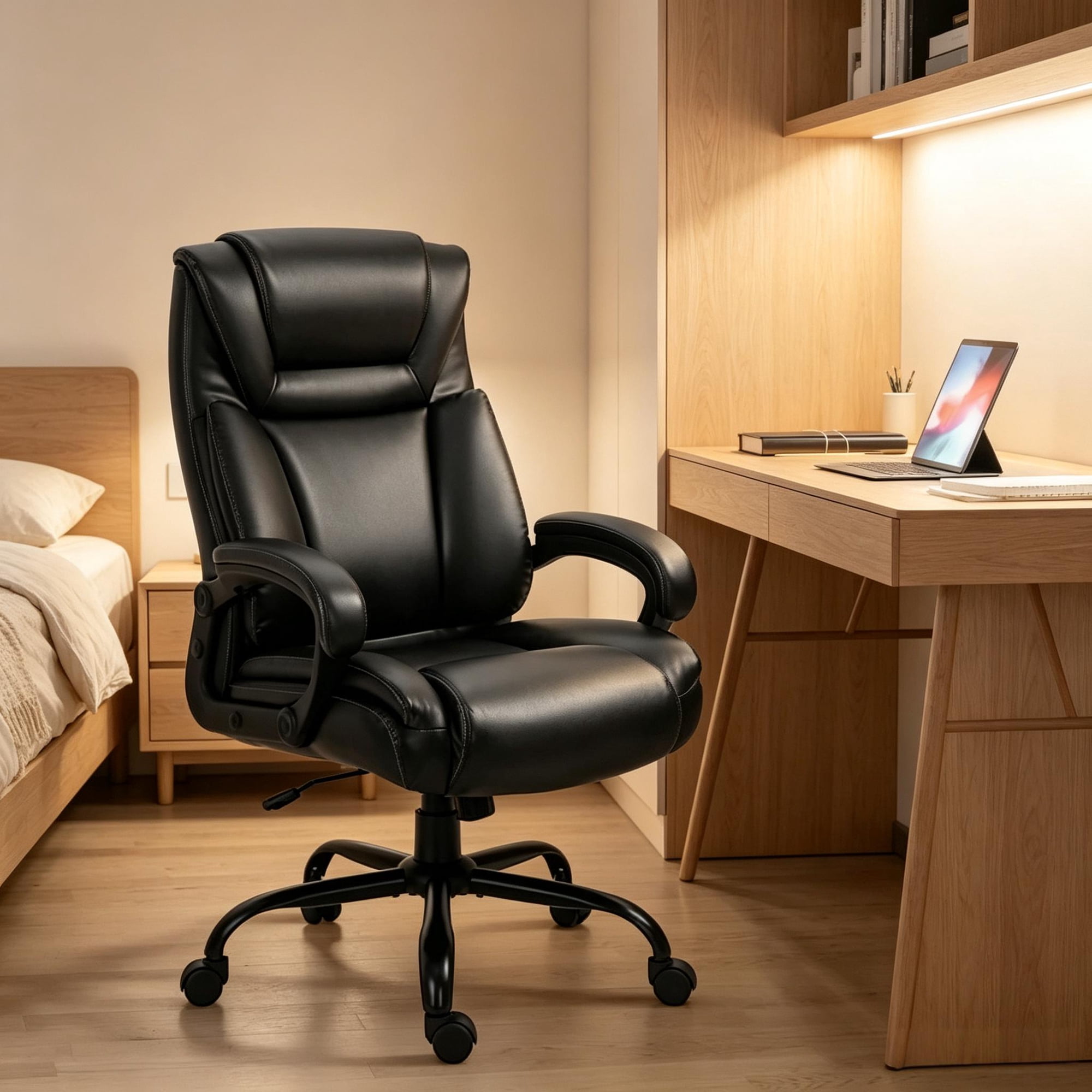
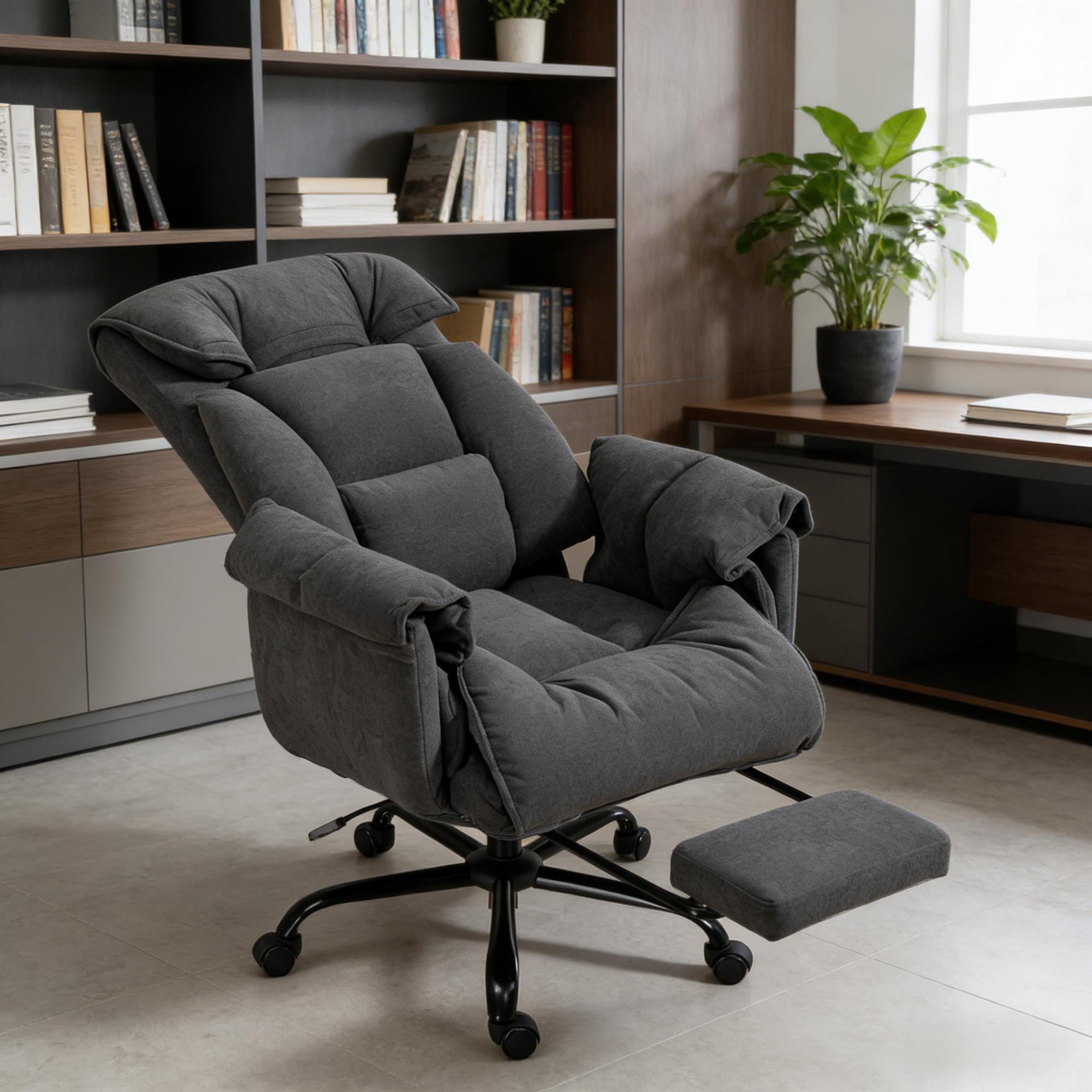
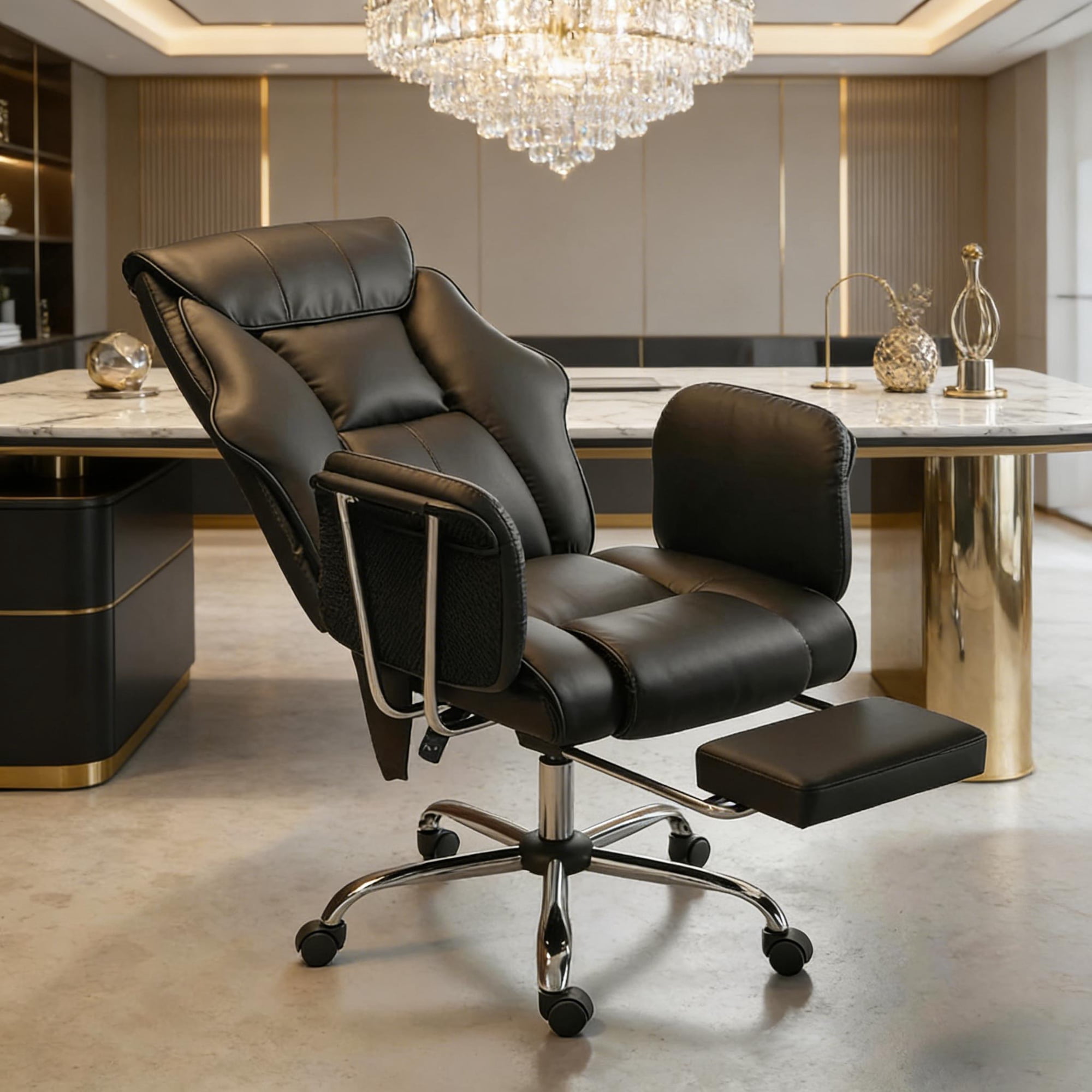
Why Go High-Back? Beyond Basic Seating
Imagine leaning back in your chair during a moment of deep thought, only to realize there's nothing supporting your head. Your neck muscles have to work overtime to keep your head upright. This is the everyday reality for millions of office workers using mid-back or low-back chairs. A high back office chair solves this by extending the backrest to cradle your entire spine—from your pelvis all the way up to your head. It's like the difference between sitting on a stool and relaxing in a luxury car seat. According to the Occupational Safety and Health Administration (OSHA), proper head and neck support can reduce upper back strain by up to 40% during extended sitting.
The Anatomy of Superior Support: Breaking Down the High-Back Chair
A high-back chair is more than just a tall piece of foam. It's an engineered system designed to support the three natural curves of your spine: the lumbar (lower back), thoracic (mid-back), and cervical (neck). Let's explore each zone.
1. The Three Support Zones: Lumbar, Thoracic, and Cervical
Lumbar Zone (Lower Back)
Prominent inward curve. High-back chairs often have aggressive, adjustable lumbar support to maintain this curve and prevent slouching.
Thoracic Zone (Mid/Upper Back)
Supports the rib cage and shoulders. A well-designed high-back chair has a slight outward curve here, allowing shoulder blades to move freely.
Cervical Zone (Neck)
The headrest supports the neck's natural forward curve. It should be adjustable in height and angle to fit your specific neck position.
2. Headrests: Fixed, Adjustable, or None?
The headrest is the defining feature of a high-back chair. But not all headrests are created equal.
- Fixed headrests: Common in budget chairs. They may work for average-height users but often miss the mark for taller or shorter individuals.
- 2D adjustable headrests: Move up/down and tilt angle. This is the sweet spot for most people, allowing you to align the headrest with your neck's natural position.
- 3D/4D adjustable headrests: Add forward/backward and sometimes lateral movement. Premium feature found in high-end ergonomic chairs.
- Integrated headrest: The backrest flows seamlessly into the headrest without a visible gap. Offers a sleek look but less adjustability.
3. Recline Mechanics: Keeping You Supported as You Move
A true high-back chair shines when you recline. The backrest should move in a way that maintains support. Look for synchronized recline where the seat and back move together at a ratio (often 2:1 or 3:1). This prevents your shirt from pulling and keeps the lumbar support in contact with your back. Some chairs also offer a recline lock so you can relax in your favorite position without fighting the tension.
Why Your Neck Will Thank You: The Science of High-Back Seating
Let's look at some compelling data that makes the case for upgrading to a high-back chair.
- 📊 A study published in the journal Applied Ergonomics found that participants using high-back chairs with headrests reported 28% less perceived discomfort in the neck and shoulders after a 4-hour simulated work session compared to those using mid-back chairs.
- 🧠 Neurological research suggests that when the neck is unsupported, the muscles fire continuously to stabilize the head (which weighs 10-12 lbs). This constant low-level tension can lead to tension headaches and fatigue. A high-back chair allows these muscles to fully relax during micro-breaks.
- 📏 For users over 6 feet tall, a standard mid-back chair often ends mid-shoulder blade, leaving the upper back and neck completely unsupported. A high-back chair with an extended frame can increase the supported surface area by up to 35%.
5-Step Guide to Choosing Your Perfect High-Back Chair
Follow this systematic approach to ensure your new chair fits you like a glove.
- Measure your seated height: Sit on a flat surface, measure from the floor to the top of your head, then from the floor to your shoulder. Compare these to the chair's backrest height and headrest range.
- Prioritize headrest adjustability: Ideally, you want a headrest that can move up/down and tilt. This ensures the support hits your neck, not the back of your skull.
- Check lumbar adjustability: A high-back chair without adjustable lumbar is like a tailored suit off the rack—it might not hit your curve. Look for height and depth adjustments.
- Test the recline tension and lock: Make sure you can recline smoothly and lock it at several angles. The chair should feel stable even when fully reclined.
- Consider material and breathability: High-back chairs cover more of your body. Mesh backs are excellent for airflow, while leather offers a premium feel. If you run hot, lean towards mesh or a combination.
Quick Comparison: High-Back vs. Mid-Back Office Chairs
| Feature | High-Back Chair | Mid-Back Chair |
|---|---|---|
| Neck/Head Support | ✅ Yes (with headrest) | ❌ No |
| Upper Back Support | Full coverage to shoulders | Stops below shoulders |
| Ideal for Tall People (6'+) | ⭐⭐⭐⭐⭐ | ⭐⭐ |
| Recline Comfort | Head remains supported | Head unsupported when leaning back |
| Typical Best Use | Long hours, executives, gaming, neck pain | Task work, meetings, varied users |
Frequently Asked Questions About High Back Office Chairs
Final Verdict: Is a High-Back Chair Your Next Investment?
If you suffer from neck stiffness, often lean back to think, or are simply tall, a high back office chair is not a luxury—it's a necessity. It transforms your chair from a simple seat into a full-body support system. The key is to prioritize adjustability: a headrest that moves, lumbar that contours, and a recline that flows with you. With the right high-back chair, you can say goodbye to that nagging neck ache and hello to truly relaxing work breaks.