

Why Your Chair Choice Determines Your Workday Success
Imagine running a marathon in dress shoes. Sounds painful, right? Yet, millions of professionals sit for 8, 10, or even 12 hours a day in office chairs that are the equivalent of those ill-fitting shoes. If you're spending extended periods at a desk, your chair isn't just a piece of furniture—it's the foundation of your physical well-being and professional output. Choosing the right office chair for long hours is one of the most critical investments you can make for your health and career.
A study published in the American Journal of Epidemiology found that prolonged sitting is linked to a higher risk of chronic diseases. But the problem isn't just sitting; it's sitting *poorly*. A high-quality, ergonomic chair actively supports your body, encourages movement, and mitigates the negative effects of a sedentary work style. It's the difference between ending your day with energy or ending it with an aching back and stiff neck.
Decoding the Perfect Chair for Endurance Sitting
Not all chairs are created equal, especially when your workday stretches into the evening. The search for the ideal office chair for long hours requires looking beyond aesthetics and focusing on features that promote dynamic support and lasting comfort. Let's break down the essential components.
1. The Holy Trinity of Adjustability
Think of your chair as a piece of customizable athletic gear. It needs to be tuned to your specific body. For long-duration sitting, the "holy trinity" of adjustments is non-negotiable:
- Seat Height: Your feet should rest flat on the floor, with your knees at a 90-degree angle (or slightly less). This ensures proper blood circulation and prevents pressure on the backs of your thighs.
- Seat Depth (Slider): This often-overlooked feature allows you to adjust the seat pan length. You should be able to fit 2-3 fingers between the back of your knee and the seat edge. This prevents circulation cutoff and supports your thighs correctly.
- Lumbar Support (Height & Depth): Your lower back has a natural inward curve. A good chair has a lumbar support that pushes *into* this curve. Height adjustment ensures it hits the right spot, and depth adjustment controls how much support you feel. This is your primary defense against slouching and back fatigue.
2. The Backrest: Your Constant Companion
The backrest is where you'll spend the vast majority of your time. For long hours, it must work with you, not against you.
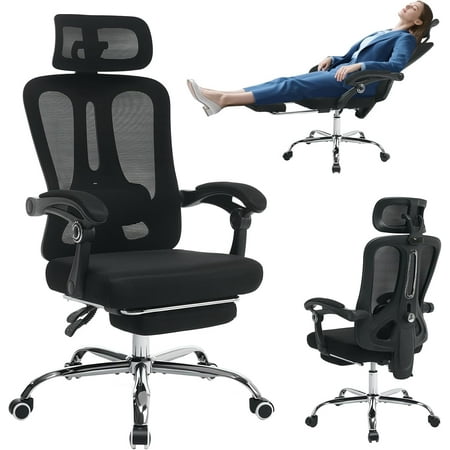
- Height and Recline: A high-back chair offers more support for your upper back and shoulders. More importantly, look for a synchronized recline mechanism. This allows the backrest and seat to move in harmony, providing support whether you're typing intently or leaning back to think. The ability to lock the recline in multiple positions is a must.
- Tension Control: This knob lets you adjust how much force is needed to recline. A lighter tension encourages movement, which is vital for long hours. You should be able to rock back effortlessly and have the chair support your weight at any angle.
- Breathable Material: A hot, sweaty back is a distraction. For all-day sitting, a mesh backrest is often the best choice. It allows air to circulate, keeping you cool and dry. If you prefer upholstery, ensure it's a high-quality, breathable fabric.
3. Armrests: The 4D Difference
Basic armrests that only adjust up and down are a thing of the past. For true long-haul comfort, seek out 4D armrests. This means they adjust in four directions:
- Up/Down: To match the height of your desk, allowing your shoulders to relax.
- Left/Right (Width): To bring the support closer to your body, preventing you from leaning to one side.
- Forward/Backward (Depth): To ensure your forearms are supported when typing, taking the load off your shoulders and neck.
- Pivot/Angle: Some armrests even swivel to match your natural hand position.
Adjustable armrests are like cruise control for your upper body, providing support exactly where and when you need it.
4. The Foundation: Base and Casters
A five-point base is standard, but for long hours, its material matters. A sturdy, polished aluminum base signifies higher quality and durability than plastic. The casters (wheels) are equally important. Hard plastic casters can damage floors and make it harder to move. Look for:
- Dual-wheel casters: They roll more smoothly and distribute weight better.
- Floor-appropriate material: Soft, rubberized casters for hard floors (wood, tile) and standard hard casters for carpet. Some brands offer "roller blade" style wheels for an ultra-smooth glide.
Did You Know? According to the British Journal of Sports Medicine, breaking up long periods of sitting with just 2 minutes of walking every hour can counteract the negative health effects. The right chair makes it easy to shift, move, and get up, while the wrong one locks you in a static, unhealthy position.
5. The Importance of a Headrest
While not essential for everyone, a headrest is a game-changer for long hours, especially if you:
- Take phone calls frequently and need to lean back.
- Read documents or review work while reclined.
- Simply want a place to rest your head during micro-breaks to de-stress your neck muscles.
Think of a high-quality office chair for long hours as the suspension system in a luxury car. Just as a car's suspension absorbs bumps and keeps you comfortable on a long journey, an ergonomic chair's adjustments absorb the physical stress of sitting, keeping you comfortable, focused, and "in the driver's seat" all day long.
6. Material Matters for the Long Haul
The material you choose directly impacts your comfort over an 8-hour shift. Here’s a quick breakdown:
- High-Quality Mesh: The champion of breathability. It prevents heat and moisture buildup, keeping you cool. Look for mesh that is supportive and doesn't sag over time.
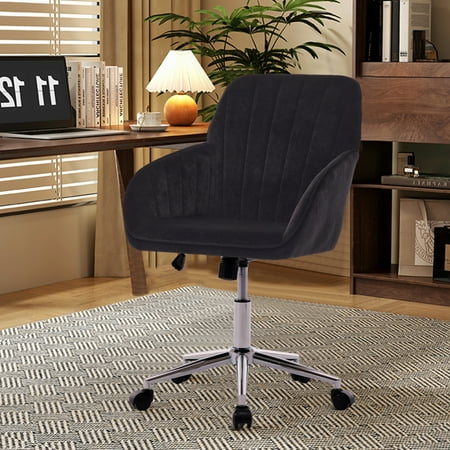
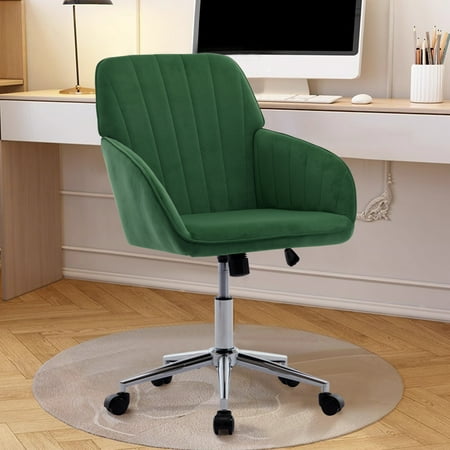
- Performance Fabric: Modern textiles are often stain-resistant, durable, and more breathable than traditional fabric or leather. They offer a good balance of comfort and professional look.
- Leather (Bonded or Top-Grain): While luxurious and easy to clean, leather can get hot and sticky during long periods. It's a better choice for shorter durations or climate-controlled executive offices.