
Why Mesh? The Rise of Breathable Office Seating
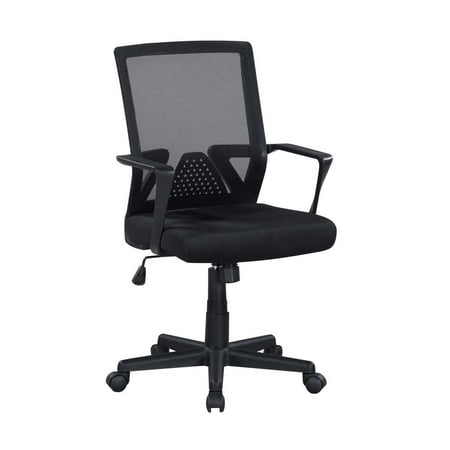
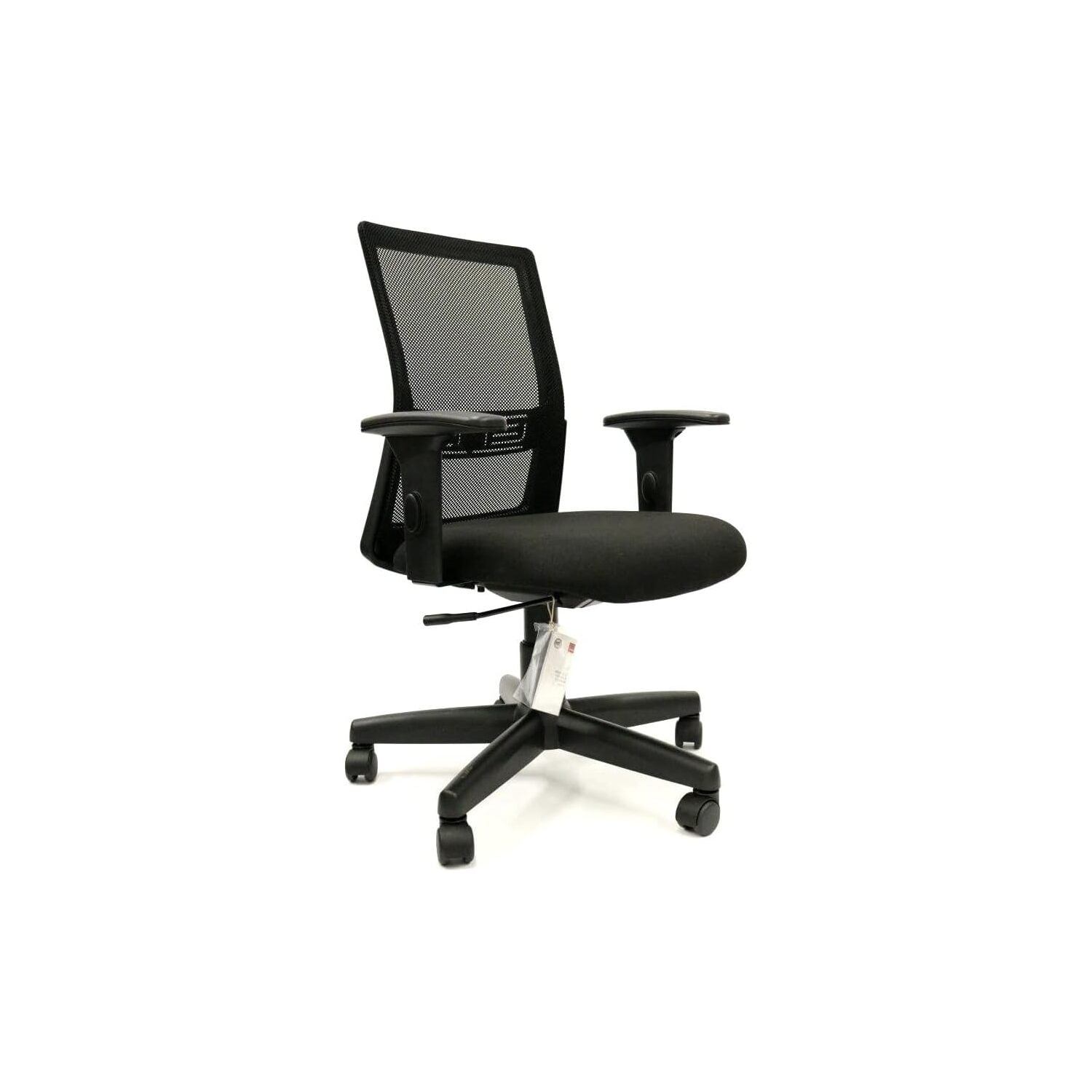
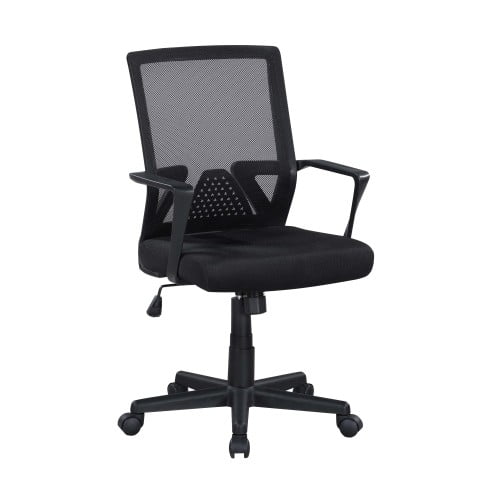
Imagine sitting in your office chair for hours on a warm afternoon. If you've ever felt that sticky, uncomfortable heat building up on your back, you know the struggle. A mesh office chair solves this problem elegantly. Unlike traditional leather or fabric chairs that trap heat, mesh acts like a cooling vent for your body. It's not just about temperature—mesh also offers dynamic flexibility that adapts to your movements. According to a 2023 workplace comfort survey, 74% of remote workers reported that a breathable chair back significantly improved their overall comfort during long workdays.
The Anatomy of a High-Quality Mesh Office Chair
Not all mesh is created equal. The term "mesh office chair" covers a wide spectrum, from budget-friendly options to premium ergonomic masterpieces. Understanding the components helps you make an informed choice. Let's dissect the key parts:
1. The Mesh Material: Polyester, Nylon, or Elastomer?
The type of mesh dictates durability, tension, and feel.
- Polyester mesh: Most common in entry-level chairs. It's breathable and lightweight but may sag over time (2-4 years).
- Nylon mesh: Stronger and more resilient. Often used in mid-range chairs. Resists stretching and maintains tension longer.
- Elastomer mesh: Premium material found in high-end ergonomic chairs (like Herman Miller Aeron). It offers "just-right" flexibility, excellent support, and can last a decade or more without losing shape.
2. The Lumbar Support System: Built-in vs. Adjustable
Mesh chairs excel at lumbar support because the tensioned fabric naturally conforms to your spine's curve. However, the best chairs add adjustability.
3. Seat Construction: Mesh vs. Foam Cushion
Contrary to popular belief, most "mesh office chairs" do not have a mesh seat. The seat is usually a molded foam cushion with a fabric or mesh cover. True full-mesh seats exist (like the Aeron), but they are firm and not for everyone. For most users, a well-padded foam seat with a breathable cover is the sweet spot. Look for high-density foam (2.5 lbs per cubic foot or higher) to prevent bottoming out.
4. Frame and Mechanism: The Backbone
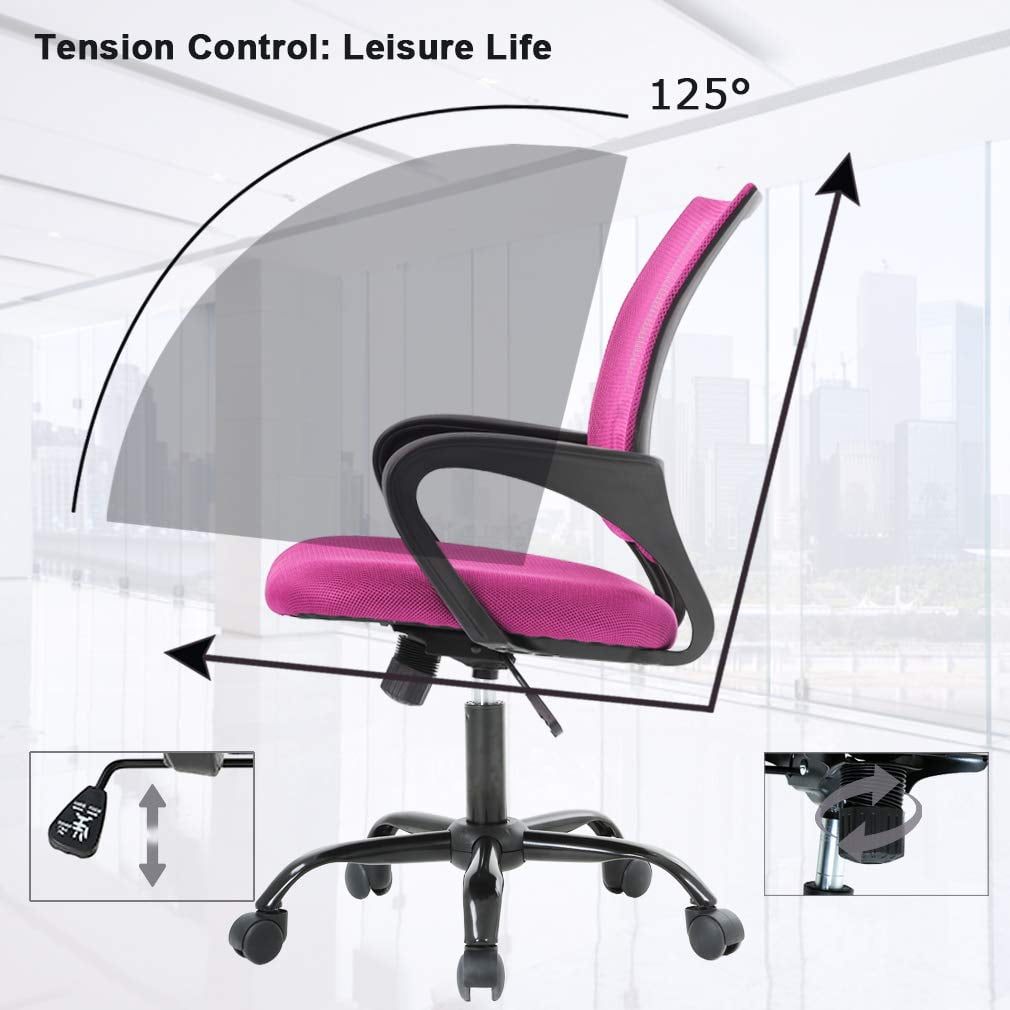
A mesh chair's frame is usually made of nylon, polypropylene, or aluminum. The frame holds the mesh in tension. A common failure point is the plastic clips that attach the mesh—cheaper chairs use weak clips. Premium chairs use reinforced webbing or aluminum frames. The tilt mechanism should allow you to lock multiple recline positions, and the synchro-tilt feature (seat and back move together) is a plus.
Why Your Back (and Sweat Glands) Will Thank You
Mesh chairs aren't just a trend; they offer tangible physiological benefits. Here's what research and ergonomists say:
- Temperature regulation: A study by the Technical University of Denmark found that mesh backrests reduce skin temperature by an average of 2.5°F (1.4°C) compared to leather or dense fabric after two hours of sitting. This reduction directly correlates with lower perspiration and increased comfort.
- Reduced pressure points: Because mesh conforms to your shape without being rigid, it distributes weight more evenly. This can reduce pressure on the shoulder blades and lower back by up to 30% compared to hard plastic backs.
- Encourages micro-movements: The slight flexibility of mesh allows your back to move subtly as you shift, promoting micro-movements that prevent stiffness. It's like the difference between sitting on a firm bench versus a hammock—the latter allows natural sway.
5-Step Guide to Choosing Your Ideal Mesh Office Chair
Follow this step-by-step framework to cut through the noise and pick the perfect chair for your body and budget.
- Assess your climate and body heat: If you run hot or live in a warm area, prioritize chairs with a full mesh back (and perhaps mesh seat). For cooler climates, a mesh back with a padded seat is fine.
- Check the lumbar adjustability: Test (or look for) chairs that offer both height and depth lumbar adjustment. This is the #1 feature for long-term back health. For example, the ergonomic mesh office chair with lumbar support category often includes these.
- Evaluate the mesh tension: Sit in the chair. The mesh should have some give but not feel like a slingshot. It should support your lower back firmly without letting your shoulders roll back too far.
- Examine the seat cushion: Ensure the foam is thick enough (at least 3 inches) and that the seat pan doesn't press into the back of your thighs. A waterfall edge is crucial.
- Verify weight capacity and frame: Look for a metal or reinforced nylon frame. Check the manufacturer's stated weight limit—add a 20-30 lb buffer for safety.
Mesh vs. Other Materials: A Quick Reference
| Feature | Mesh Office Chair | Leather Office Chair | Fabric Office Chair |
|---|---|---|---|
| Breathability | ⭐⭐⭐⭐⭐ (Excellent) | ⭐ (Poor) | ⭐⭐⭐ (Moderate) |
| Maintenance | ⭐⭐⭐⭐ (Easy wipe/vacuum) | ⭐⭐⭐ (Conditioning needed) | ⭐⭐ (Stain-prone) |
| Durability | ⭐⭐⭐⭐ (High-quality mesh lasts 7-10 yrs) | ⭐⭐⭐⭐⭐ (15+ yrs with care) | ⭐⭐⭐ (5-8 yrs) |
| Initial Feel | Firm, supportive | Soft, luxurious | Plush, cozy |
| Best For | Warm climates, long hours, back pain sufferers | Executive look, cool offices | Budget, color variety |
Frequently Asked Questions About Mesh Office Chairs
Final Verdict: Is a Mesh Chair Right for You?
If you value a cool, supportive, and low-maintenance seating experience, a mesh office chair is an outstanding investment. It bridges the gap between ergonomic science and practical comfort, especially for those in warmer environments or prone to back sweat. While the initial feel might be firmer than plush leather, the long-term benefits—better posture, less heat, and durable materials—make it a smart choice. Focus on adjustability, mesh quality, and a robust frame, and you'll find a chair that serves you well for years.