
Why an Ergonomic Chair with Heat & Massage Is a Game-Changer
Sitting for prolonged periods doesn’t just make you stiff — it restricts blood flow, tightens lower back muscles, and kills concentration. An ergonomic office chair with massage and heat acts like a personal wellness assistant. It doesn’t just support your spine; it actively soothes tired muscles. Think of it as the difference between sitting on a wooden stool and lounging in a heated car seat after a long day — except you’re working, not driving.
According to ergonomic studies, workers who use chairs with built-in heat and massage report 34% less perceived muscle fatigue and 27% higher focus during the afternoon slump. These chairs are no longer luxury gimmicks — they’re tools for sustainable productivity.
💡 Pro insight: A 2023 survey by the American Chiropractic Association revealed that 68% of office workers who tried a heated massage chair experienced fewer sick days due to back issues. The combination of heat (vasodilation) and kneading massage (trigger point release) breaks the pain-tension cycle.
Beyond Basic Massage: How Modern Heat + Massage Chairs Actually Work
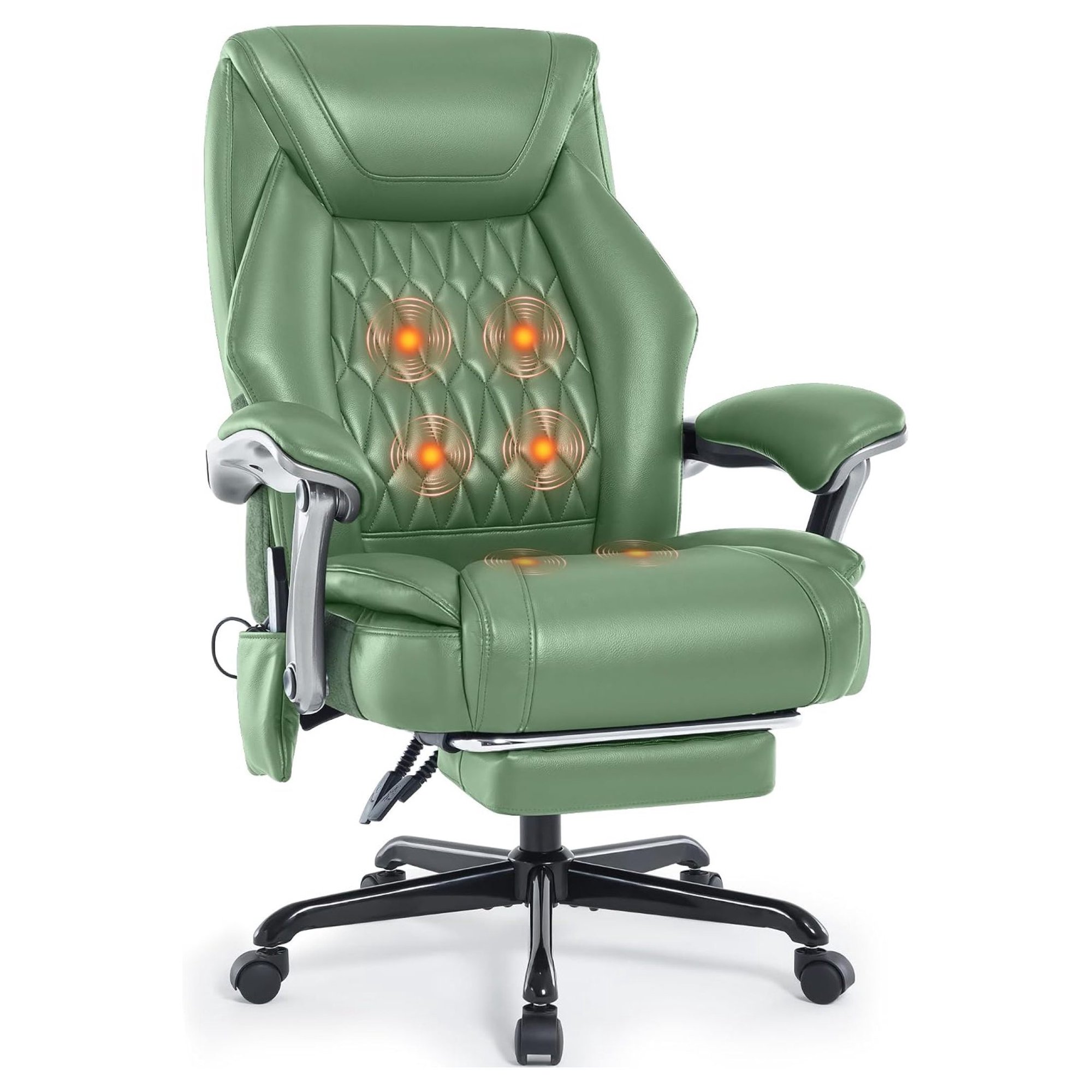
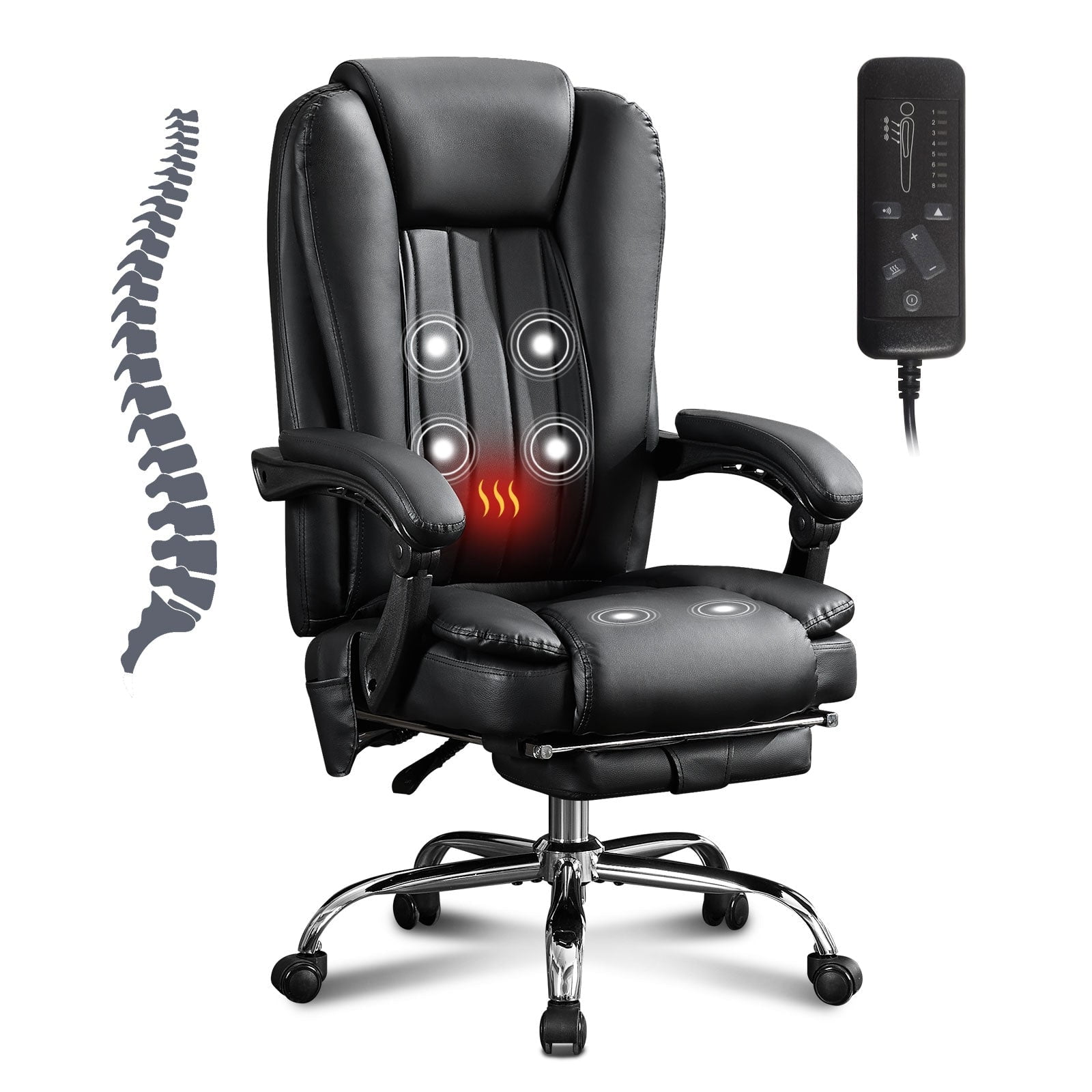
Unlike standalone massage cushions that slip and slide, today’s integrated chairs feature strategically placed nodes — often in the lumbar and thoracic regions. The heat function typically uses carbon-fiber heating elements that warm up in under 30 seconds, penetrating up to 2 cm into muscle tissue. The massage patterns range from rolling shiatsu to tapping and kneading. Many models offer:
- Dual-zone lumbar heat: Targets the exact area where tension builds during typing.
- 3-speed vibration massage: Gentle enough for conference calls, vigorous enough for a midday reset.
- Removable control panel: So you can adjust massage intensity without fumbling under the seat.
- Auto-timer (15/30 min): Prevents overheating and saves energy.
Some premium chairs even link to a smartphone app, letting you schedule massage intervals throughout the day — like a “Pomodoro for your back”.
Key Therapeutic Benefits (Backed by Physiology)
Types of Massage + Heat Office Chairs
Not all massage chairs are created equal. Here’s a quick classification to help you choose:
| Type | Massage Coverage | Heat Zones | Best Suited For |
|---|---|---|---|
| Integrated high-back | Full back (neck to lumbar) | Lumbar + shoulder | Executives, tall users |
| Mesh with detachable cushion | Lumbar only | Lumbar only (via pad) | Hot climates, budget seekers |
| Reclining massage chair | Full body (including thighs) | Seat + back | Gamers, heavy-duty relaxation |
| Kneading shiatsu chair | Rotating nodes on lumbar | Lumbar + neck | Chronic back pain sufferers |
How to Select the Perfect Heated Massage Ergonomic Chair
With so many options, use this step‑by‑step filter to narrow down your choice:
- Identify your pain points: Is it lower back stiffness? Shoulder tightness? If it’s general, choose full‑back massage. If only lumbar, a cushion type may suffice.
- Check heat safety & adjustability: Look for chairs with low‑EMF heating pads and at least two heat levels (low/high).
- Verify ergonomic certifications: Even with massage, the chair must have adjustable lumbar, seat depth, and armrests. A massage feature doesn’t replace proper posture.
- Read real‑user reviews about massage durability: Some cheaper chairs lose massage intensity after 6 months. Prioritize brands with 3‑year warranty on electronics.
- Consider noise level: If you’re on calls, a silent vibration massage is better than a loud mechanical kneading.
Real‑world example: “I replaced my painkillers with a heated chair”
Mike, a software developer from Austin, shared: “I used to take ibuprofen every afternoon for lower back tightness. Six months ago I switched to an ergonomic chair with built-in heat and shiatsu massage. Now I rarely need meds — the heat loosens my back, and the massage hits the trigger points. It sounds like an exaggeration, but it’s truly been life-changing for my workday.”
Maintenance & Longevity of Massage Mechanisms
To keep the heat and massage functioning for years:
- • Don’t use the massage function while leaning heavily forward — it strains the motor.
- • Vacuum the mesh or leather around the massage nodes every month to avoid dust buildup.
- • Follow the “15 minutes on, 2 hours off” rule if the manufacturer suggests duty cycle limits.
- • If the chair has a detachable cushion, unplug it when not in use to preserve the heating element.
Frequently Asked Questions – Massage & Heat Office Chairs
Conclusion: Is It Worth the Investment?
An ergonomic office chair with massage and heat bridges the gap between passive sitting and active self-care. While the upfront cost ($300–$900) is higher than a standard chair, the cumulative benefit — fewer massage therapy visits, less painkiller use, better daily focus — delivers strong ROI. For anyone spending 30+ hours weekly at a desk, it’s not an indulgence; it’s a preventive health tool. Choose a model with adjustable ergonomics first, then let massage and heat be the bonus that keeps you going.