
Why Choose a Leather Office Chair? The Executive Standard
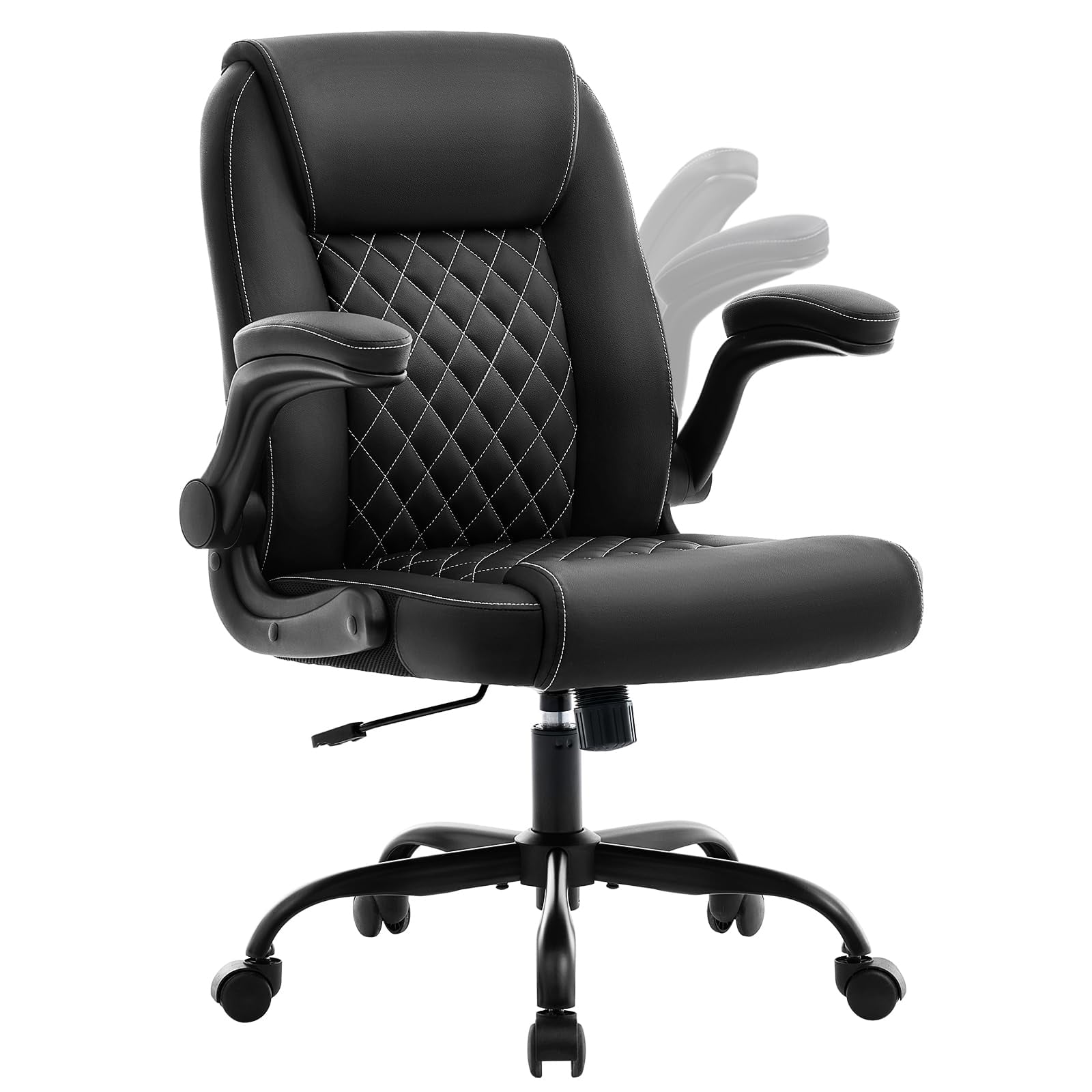
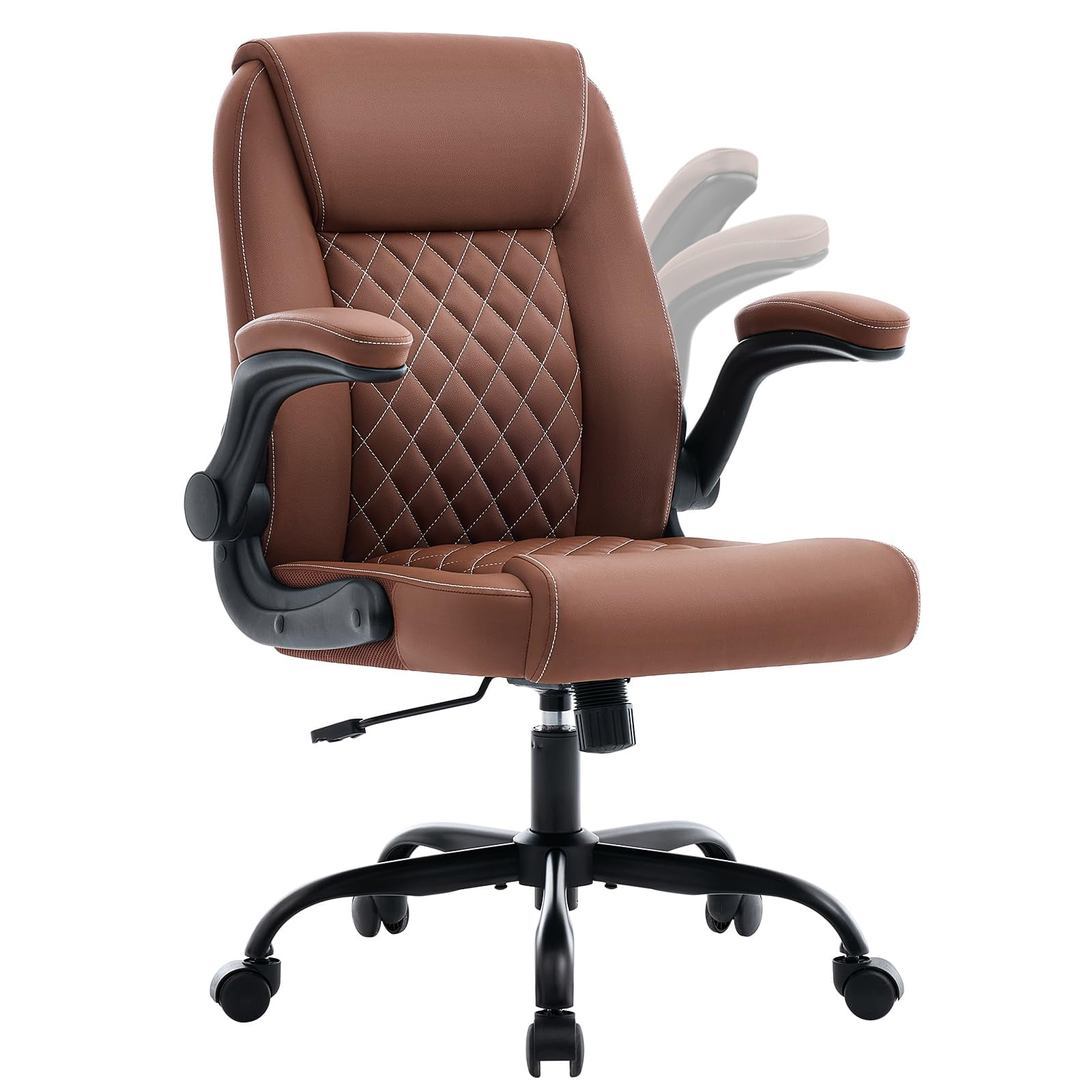
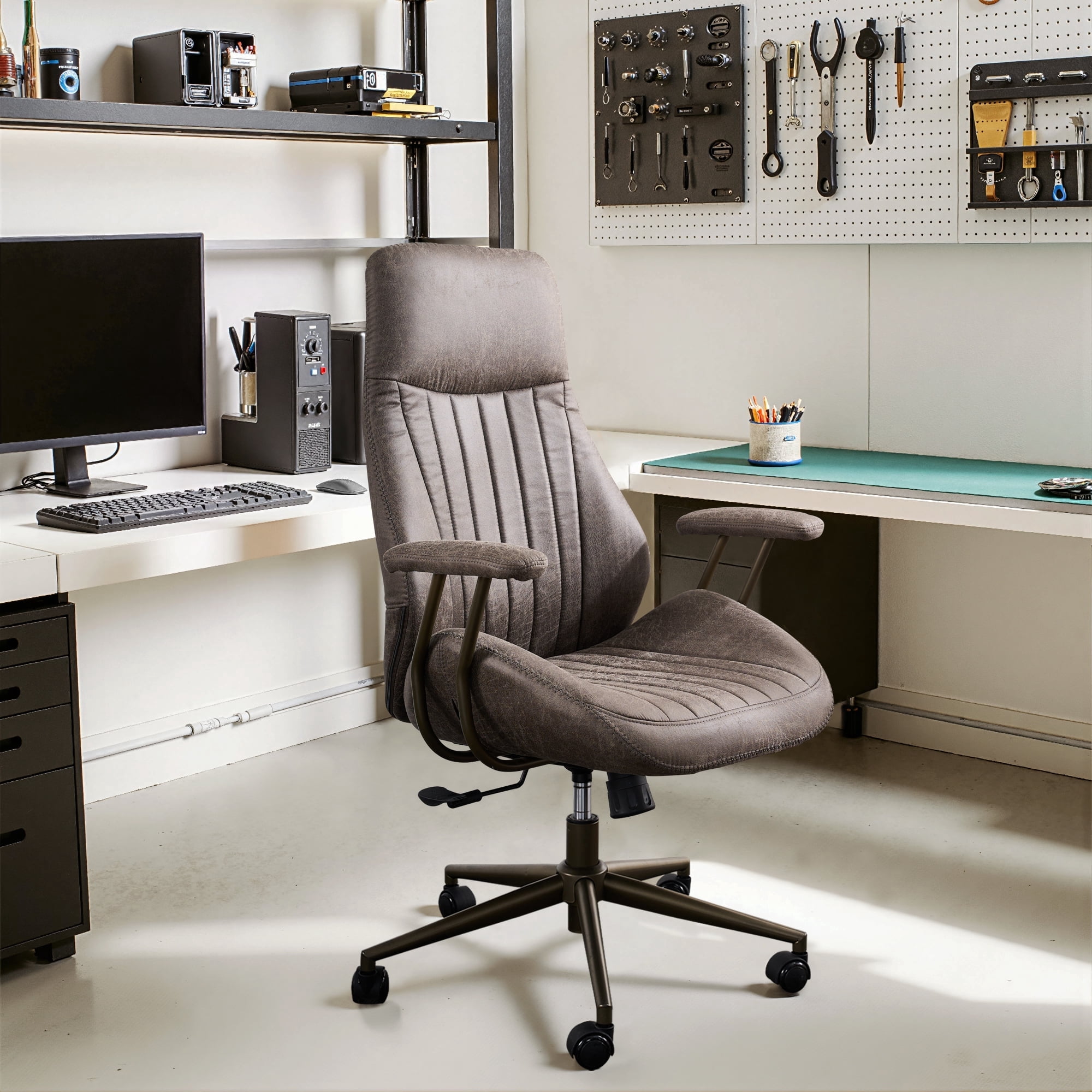
Leather office chairs have long been associated with leadership, success, and refined taste. But beyond the aesthetic appeal, a well-crafted leather chair offers tangible benefits: durability that improves with age, a surface that conforms to your body, and an aura of permanence. Think of leather as the "bespoke suit" of office seating—it makes a statement while providing everyday comfort.
Industry Insight: According to a 2023 workplace comfort survey, 68% of executives prefer leather upholstery for its combination of professional image and long-term value. High-quality leather chairs retain their appearance for over a decade, making them a smart investment for leaders who spend 8+ hours at their desks.
Anatomy of a Quality Leather Office Chair
Not all leather chairs are created equal. Understanding the layers beneath the surface helps you choose a chair that will serve you for years.
1. Leather Grades & What They Mean
- Top-Grain Leather: The highest quality, made from the outermost layer of the hide. It retains natural markings, develops a rich patina, and breathes well. Expect to pay a premium, but it lasts 15+ years.
- Genuine Leather: Real leather but from lower layers; often sanded and embossed. It's durable but less breathable and doesn't age as gracefully. A solid mid-range option.
- Bonded Leather: Made from leather scraps bonded with polyurethane. It looks like leather initially but tends to peel within a few years. Best for light use or tight budgets.
- Faux Leather (PU/Vinyl): Vegan-friendly, easy to clean, and affordable. Modern faux leathers mimic the look of real leather but lack breathability and may crack over time.
2. Cushioning and Support System
A leather chair is only as comfortable as its internal build. Look for these features:
- High-density foam: Resists sagging and maintains shape. Look for foam density above 2.5 lbs/ft³ for longevity.
- Memory foam toppers: Conform to your body shape, reducing pressure points during long sessions.
- Sinuous springs or webbing: Provide suspension and prevent the "bottoming out" feeling.
3. Ergonomic Adjustability in Leather Frames
Many assume leather chairs are rigid, but modern designs integrate ergonomics seamlessly:
- Adjustable lumbar support: Built-in mechanisms that move with you, often hidden beneath the leather.
- Multi-position tilt and lock: Allows you to recline for thinking breaks or upright for focused work.
- 4D armrests: Height, width, depth, and pivot adjustments for personalized arm support.
Leather vs. Other Materials: A Quick Comparison
| Feature | Leather | Mesh | Fabric |
|---|---|---|---|
| Durability | High (10-15 yrs) | Medium (5-8 yrs) | Medium (5-7 yrs) |
| Breathability | Medium | Excellent | Medium-High |
| Maintenance | Easy (wipe clean) | Moderate (dust in weaves) | Harder (stains) |
| Professional Aesthetic | High/Executive | Modern/Casual | Varied |
| Initial Cost | Higher | Mid-High | Low-Mid |
Benefits of Leather Office Chairs: Beyond Appearance
Natural Durability
Leather fibers are tightly woven, resisting tears and abrasions better than most fabrics.
Hypoallergenic Properties
Leather doesn't trap dust mites, pet dander, or pollen—ideal for allergy sufferers.
Conforms to Body
Quality leather softens and molds to your shape over time, creating a custom fit.
Easy to Clean
Spills wipe away quickly without soaking in—a lifesaver for busy executives.
How to Choose the Right Leather Office Chair for Your Needs
Follow this step-by-step guide to ensure your investment matches your work style and body.
- Assess your daily sitting duration: If you sit 8+ hours, prioritize ergonomic adjustments and thicker cushioning.
- Match leather type to usage: Top-grain for full-time use, bonded leather for guest or part-time chairs.
- Consider climate: In warmer regions, look for perforated leather or chairs with integrated cooling gel.
- Check weight capacity: For larger frames, choose reinforced models with 350lb+ capacity.
- Test recline tension: Ensure the tilt mechanism matches your preferred recline resistance.
- Verify warranty: A 10-year frame warranty and 5-year leather warranty indicate confidence.
Maintenance Guide: Keeping Your Leather Chair Pristine
Proper care extends the life of your leather chair dramatically. Follow these tips:
- Dust weekly with a microfiber cloth to prevent buildup in creases.
- Clean spills immediately with a damp cloth—never rub aggressively.
- Use a pH-balanced leather cleaner every 3-4 months.
- Apply a leather conditioner twice a year (especially in dry climates) to prevent cracking.
- Keep the chair away from direct sunlight and heating vents to avoid drying.
Common Myths About Leather Office Chairs
Let's debunk a few misconceptions:
- Myth: "Leather is always hot and sticky."
Fact: High-quality leather breathes and regulates temperature; perforated options enhance airflow. - Myth: "Leather chairs are only for executives."
Fact: There are leather chairs at every price point, suitable for home offices and creative spaces. - Myth: "Leather requires high-maintenance."
Fact: Leather is actually low-maintenance compared to fabric—no need to vacuum or shampoo.
Budget Considerations: What to Expect
Entry-Level
Bonded leather or PU, basic ergonomics, suitable for part-time use.
Mid-Range
Genuine leather, better foam, more adjustments (lumbar, arms).
Premium
Top-grain leather, advanced ergonomics, heavy-duty build, 10+ year warranty.
Luxury
Full-aniline leather, custom options, designer brands, heirloom quality.
Frequently Asked Questions About Leather Office Chairs
Final Thoughts: Is a Leather Office Chair Right for You?
Leather office chairs represent a blend of tradition and modern ergonomics. They elevate the look of any workspace, offer lasting durability, and become more comfortable over time. If you value professional presence and are willing to invest in quality, a leather chair is a choice that pays dividends in daily comfort and longevity. Use the guide above to match your needs with the right leather type, features, and budget.