
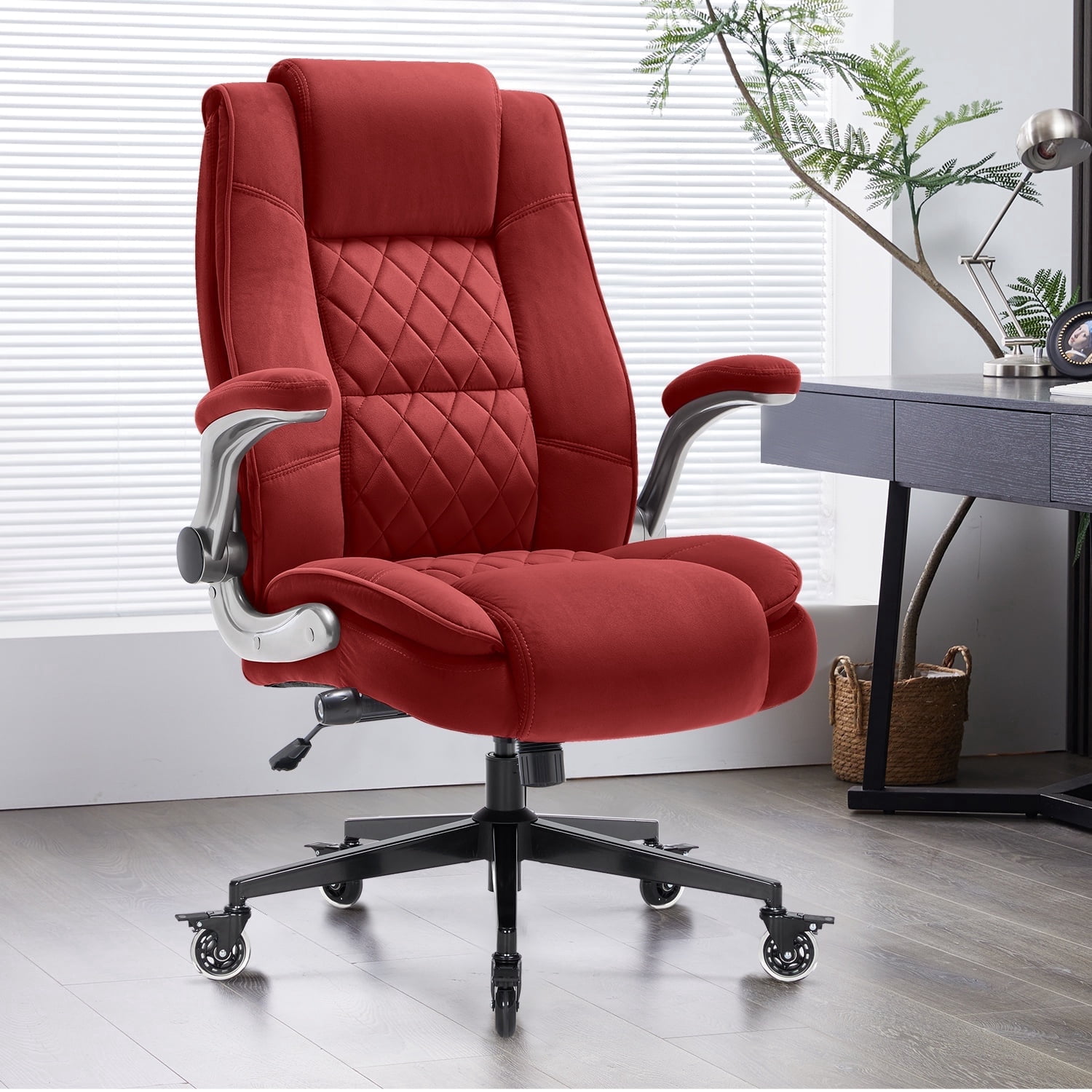
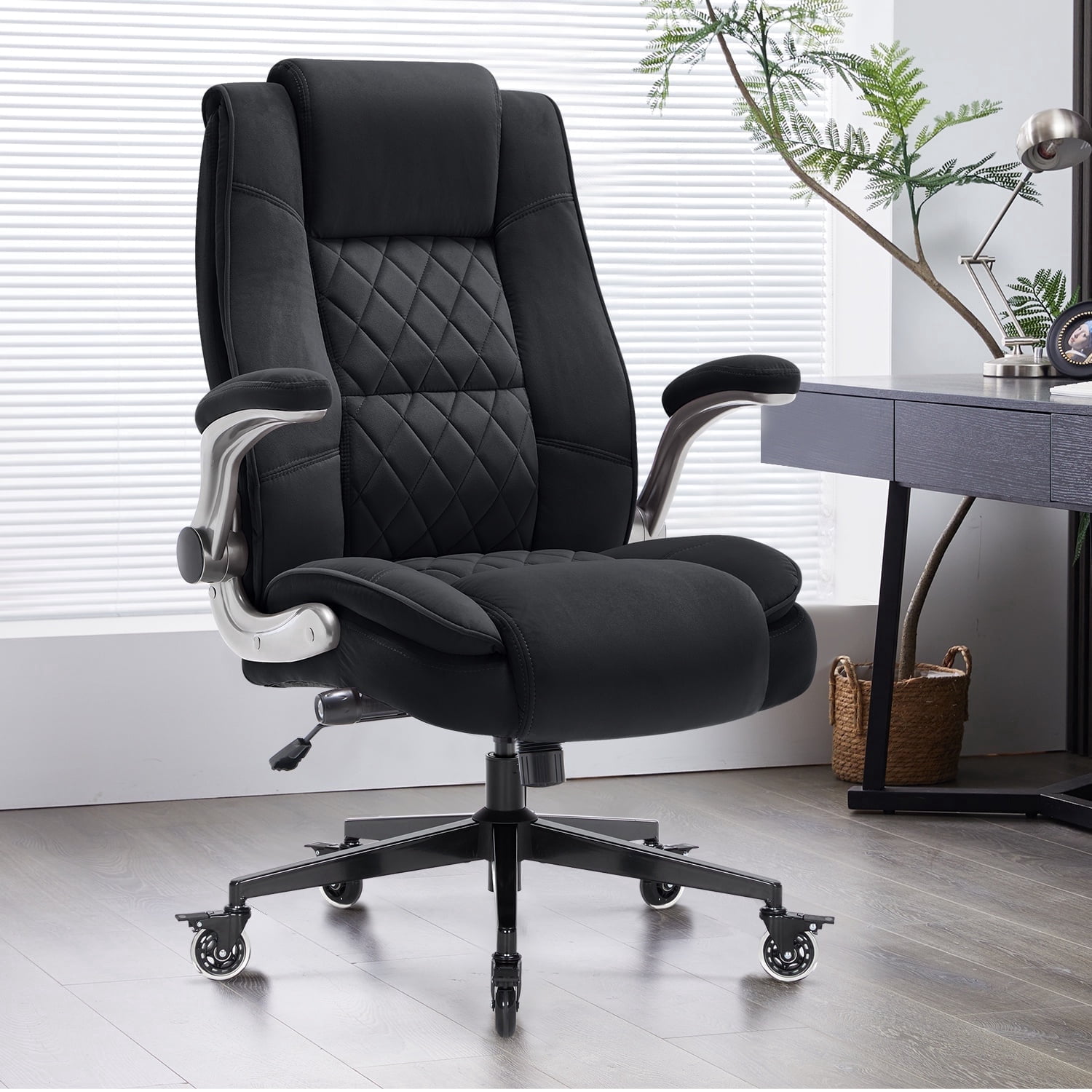
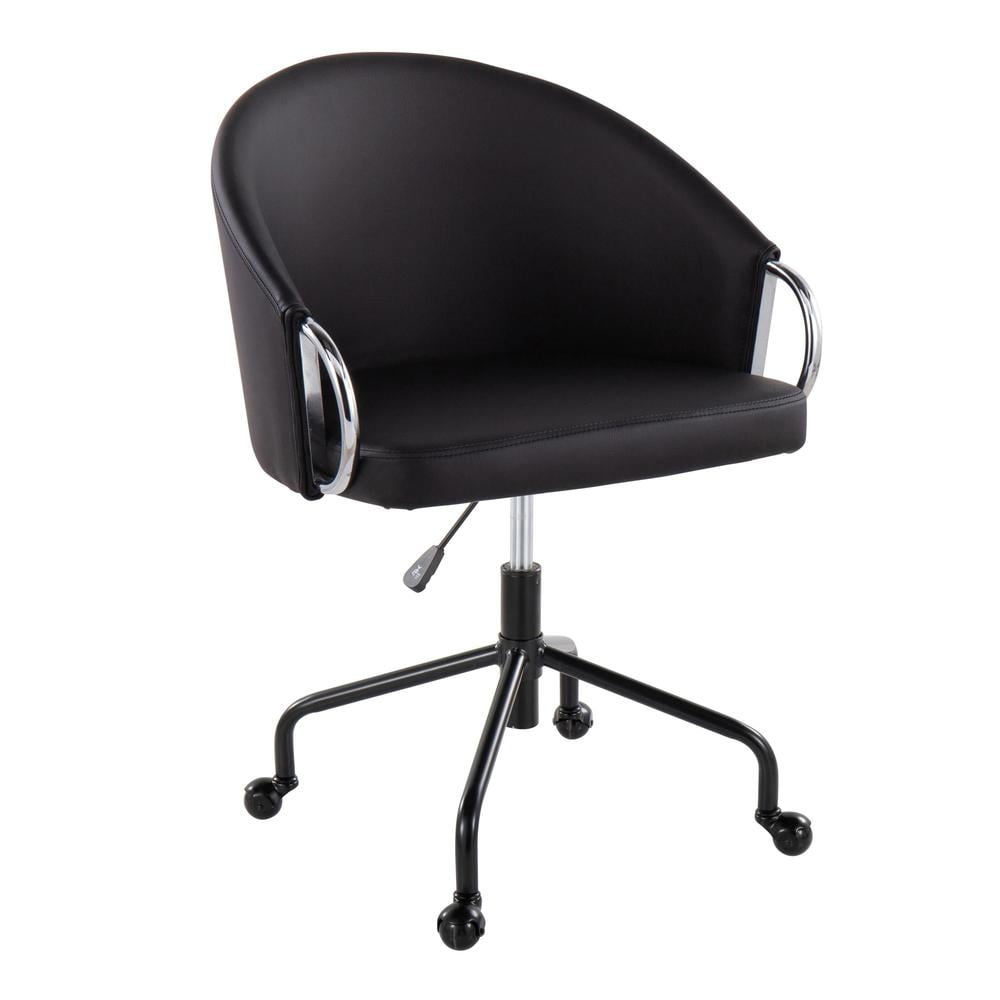
Introduction: Why “Lockable Wheels” Are a Game Changer for Your Office Chair
Imagine you're deeply focused on a delicate task—perhaps drawing, surgery, or precision data entry—and your chair slowly drifts away from the desk. Or you have a slight slope in your home office, and you constantly find yourself rolling toward the wall. For many, the solution is an office chair with lockable wheels. These chairs feature casters equipped with a brake mechanism that lets you lock the wheels in place when you need absolute stability, and release them when you want to roll freely. It’s a simple innovation with profound impact on safety, concentration, and floor protection.
According to a 2023 survey by the Office Ergonomics Association, nearly 34% of remote workers reported issues with chairs rolling unintentionally, leading to minor accidents or discomfort. Locking casters eliminate that risk. In this comprehensive guide, we'll explore everything from the mechanics of locking wheels to the best materials for hardwood floors, ergonomic considerations, and how to choose the perfect model for your workspace. Whether you're a professional seeking precision or someone with mobility challenges, this article will help you make an informed decision.
Stability Analogy: Think of lockable wheels like the parking brake on a car. You wouldn't park on a hill without engaging the brake; similarly, you shouldn't work on an incline without locking your chair's wheels. It's a small action that prevents “roll-away” incidents and keeps you securely anchored.
Deep Dive: The Mechanics and Benefits of Locking Casters
How Do Lockable Wheels Actually Work?
Most office chairs with lockable wheels use a mechanism integrated into the caster. There are two common designs:
- Individual wheel levers: Each caster has a small tab or lever. Pressing it down engages a brake pad against the wheel's inner surface, preventing rotation. To unlock, you lift the lever. This system is simple and reliable.
- Central locking system: A single lever or knob under the seat connects via rods to all casters, locking or unlocking them simultaneously. This is often found on higher-end executive chairs and offers convenience.
- Dual-function casters: Some casters lock both swivel and rotation, so the chair won't pivot either. This is useful for wheelchair accessibility or extreme stability requirements.
The locking mechanism is typically made of durable nylon or metal, ensuring long life. When engaged, the chair becomes virtually immobile—it won't slide even on smooth hardwood or tilted floors.
Five Situations Where Lockable Wheels Are Indispensable
- Uneven or sloped floors: In older homes or converted lofts, floors are rarely perfectly level. A standard rolling chair will gravitate to the lowest point. Lockable wheels keep you exactly where you want.
- Standing desk usage: When you raise your desk to stand, you often lean or shift weight. Locked wheels prevent the chair from sliding out from behind you, reducing tripping hazards.
- Precision work: Artists, surgeons, architects, and gamers benefit from a stationary base. No micro-movements means better control.
- Mobility aids: For individuals with limited leg strength or balance issues, sitting down or standing up from a rolling chair can be dangerous. Locked wheels provide a solid platform.
- Protecting children or pets: A rolling chair can easily move when a child or pet bumps into it, potentially causing falls. Locking the wheels adds a layer of safety at home.
Types of Locking Casters by Floor Surface
| Floor Type | Recommended Caster Material | Locking Mechanism Style | Notes |
|---|---|---|---|
| Hardwood / Laminate / Tile | Soft rubber or polyurethane | Individual lever (to avoid scratching) | Soft casters grip well and leave no marks. Ensure the brake pad doesn't scrape the floor. |
| Carpet (low pile) | Hard nylon or dual-material | Central or individual | Hard casters roll easily on carpet. Look for brakes with a strong spring to prevent slipping. |
| Thick carpet / rug | Wide rubber casters (roller-blade style) with lock | Typically individual | Wider wheels distribute weight and prevent deep indentations. Lock must be robust. |
| Mixed surfaces (mat + floor) | Hybrid polyurethane with brake | Preferably central lock for ease | Choose casters that transition smoothly and lock securely on both surfaces. |
Ergonomics and Lockable Wheels: No Compromise
Some buyers worry that focusing on wheels means sacrificing ergonomic support. That's a myth. Office chairs with lockable wheels come in all ergonomic configurations: adjustable lumbar support, seat depth, tilt tension, and headrests. The locking mechanism is an add-on feature, not a replacement. In fact, many premium ergonomic brands (like Steelcase, Herman Miller, and Haworth) offer locking caster options. For example, the Steelcase Leap can be ordered with “carpet casters with lock” or “hard floor casters with lock.” You get the same patented LiveBack technology plus the stability of locked wheels.
For budget-conscious buyers, numerous third-party locking casters are available that fit standard 7/16" stems. You can upgrade your existing ergonomic chair without buying a whole new one. This is a cost-effective way to add functionality.
Material Considerations: Beyond the Wheels
While the wheels are the star, the chair's upholstery and frame matter too. Here’s a quick comparison of materials used in chairs that offer lockable wheels:
Mesh Back + Locking Casters
- Breathability: Ideal for long hours, keeps you cool.
- Modern look: Pairs well with tech offices.
- Lightweight: Easier to move when unlocked.
- Typical use: Task chairs, home offices.
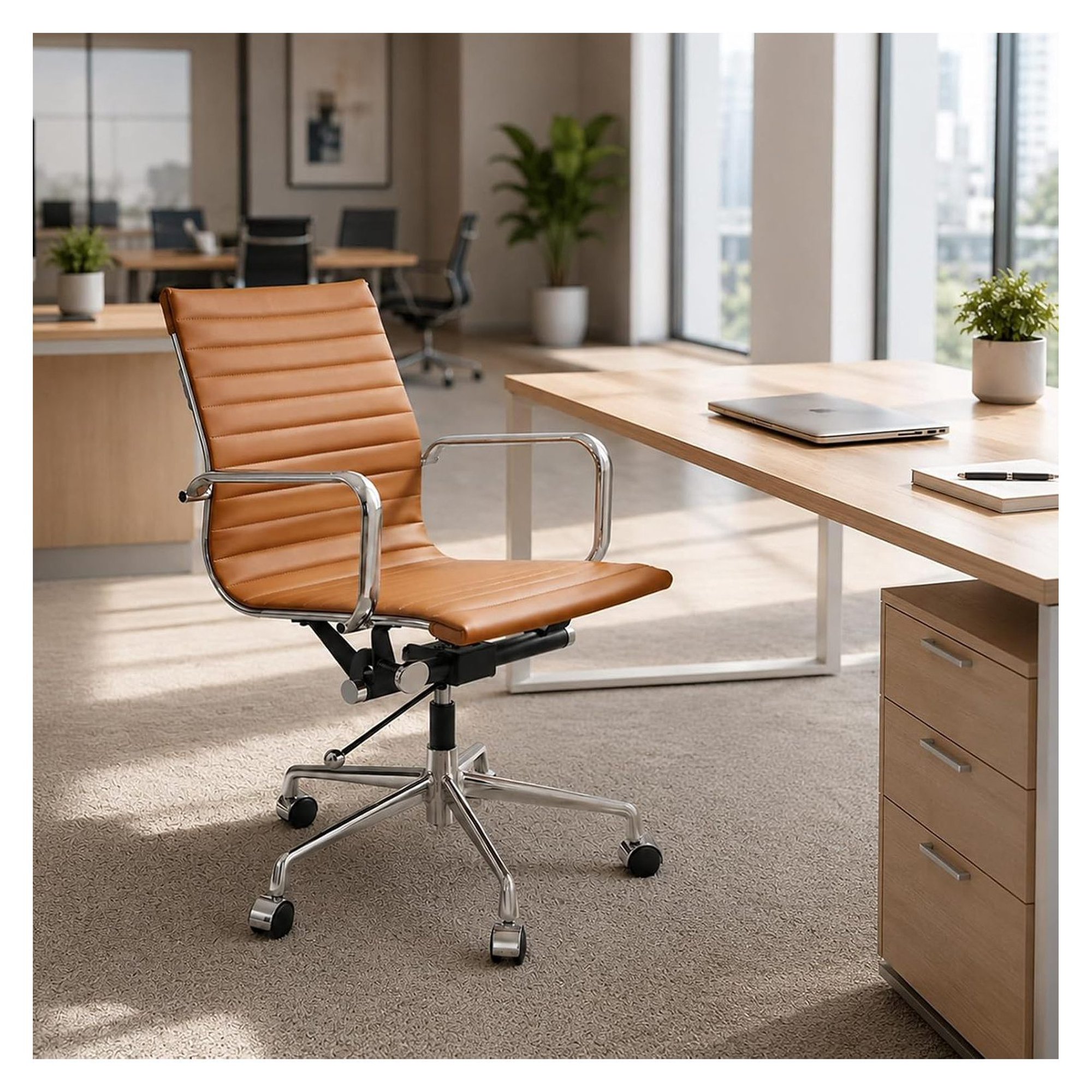
Leather/Faux Leather + Locking Casters
- Executive appearance: Professional and luxurious.
- Durable: Cleans easily, resists stains.
- Weight: Heavier, stays put even when unlocked.
- Typical use: Management offices, conference rooms.
Installation and Retrofitting: Can You Add Lockable Wheels to Any Chair?
If you already own a comfortable office chair but wish it had brakes, you're in luck. Most office chairs use standard caster stems. Here’s a step-by-step guide to retrofitting:
- Identify your stem type: Remove one caster. Measure the diameter of the stem (usually 7/16" or 10mm) and note if it's a grip ring type (with ridges) or a brake stem (smooth with a spring clip).
- Purchase compatible locking casters: Search for “locking casters 7/16 stem” or “office chair replacement casters with brakes.” Ensure the wheel material matches your floor.
- Remove old casters: Most pull straight out with a bit of force. Use a twisting motion if stuck.
- Insert new locking casters: Push firmly until they click into place. Test the lock lever to ensure it engages.
- Adjust lock tension (if possible): Some casters have an adjustment screw for the brake pressure.
This simple upgrade costs between $20 and $60 and transforms your chair's functionality. It's a DIY project anyone can handle.
Safety and Health Benefits: More Than Convenience
Lockable wheels contribute to overall well-being in the office:
- Fall prevention: A chair that moves unexpectedly when you sit can cause missed seats and falls, especially for older adults. Locked wheels eliminate this risk.
- Better posture: When your chair doesn't drift, you maintain a consistent distance from your desk, encouraging proper arm and wrist positioning.
- Reduced fatigue: Constantly correcting your position by pulling yourself back or readjusting wastes energy. Stability reduces micro-movements and muscle strain.
A study in the Journal of Occupational Health (2022) noted that workers using chairs with locking casters on sloped floors reported 27% less lower back discomfort, likely due to reduced need for stabilizing muscles.
How to Choose the Perfect Office Chair With Lockable Wheels
Step 1: Assess Your Floor and Environment
Check your flooring. For hardwood, prioritize soft rubber wheels with brakes that have a smooth engagement to avoid floor dents. For carpet, hard nylon with a strong lock is fine. Also measure the height of your desk—locking casters are usually the same size as standard (2.5 to 3 inches), but verify.
Step 2: Determine Ergonomic Needs
Make a list of must-have ergonomic features: adjustable lumbar, seat depth, armrests (4D adjustable), headrest, recline range. Ensure the chair model you're eyeing includes all these, plus the locking wheels. Many manufacturers list “locking casters” as an option in the specifications.
Step 3: Weight Capacity and Build
If you're above 250 lbs, look for heavy-duty chairs with reinforced bases and casters rated for higher loads. Locking casters for heavy-duty use often have all-metal brakes and wider wheels. Check the product details for “weight capacity with locked wheels” – some brakes hold better under load.
Step 4: Test the Lock Mechanism (if possible)
In a store, try engaging and disengaging the locks. They should be easy to operate—either with your foot or hand. Avoid mechanisms that require excessive force, as they'll become annoying over time. If buying online, read reviews specifically about the wheel locks: do they hold on slopes? Do they unlock smoothly?
Step 5: Budget Considerations
Basic / Retrofit
Basic chair frame + separate locking casters. Good for retrofitting existing chairs.
Mid-Range
Ergonomic chair with factory-installed locking casters. Solid build, good adjustability.
Premium
High-end ergonomics (mesh/leather) with advanced lock systems, long warranties.
Executive/Luxury
Top-grain leather, massive build, central locking, design award winners.
Maintenance Tips for Locking Casters
To keep your wheels locking smoothly:
- Clean debris: Hair and dust can clog the brake mechanism. Use compressed air or a toothpick to clean around the wheel axle and brake pad.
- Lubricate moving parts: Apply a silicone-based lubricant to the brake lever pivot points annually.
- Check for wear: If a wheel no longer locks fully, the brake pad may be worn. Some casters allow replacement of just the brake part.
Frequently Asked Questions About Lockable Wheel Office Chairs
Conclusion: Secure Your Seat, Enhance Your Focus
An office chair with lockable wheels is more than a niche product—it's a practical solution for modern workspaces with varied flooring, for individuals seeking stability, and for anyone who values precision. Whether you retrofit your current chair or invest in a new ergonomic model with integrated brakes, the benefits are clear: safety, reduced fatigue, and uninterrupted workflow. Remember to match the caster type to your floor, prioritize ergonomic features, and maintain the mechanism for years of reliable use. By choosing a chair with locking casters, you're not just buying a seat; you're investing in a stable foundation for your productivity.