
Why an Executive Office Chair is More Than a Seat
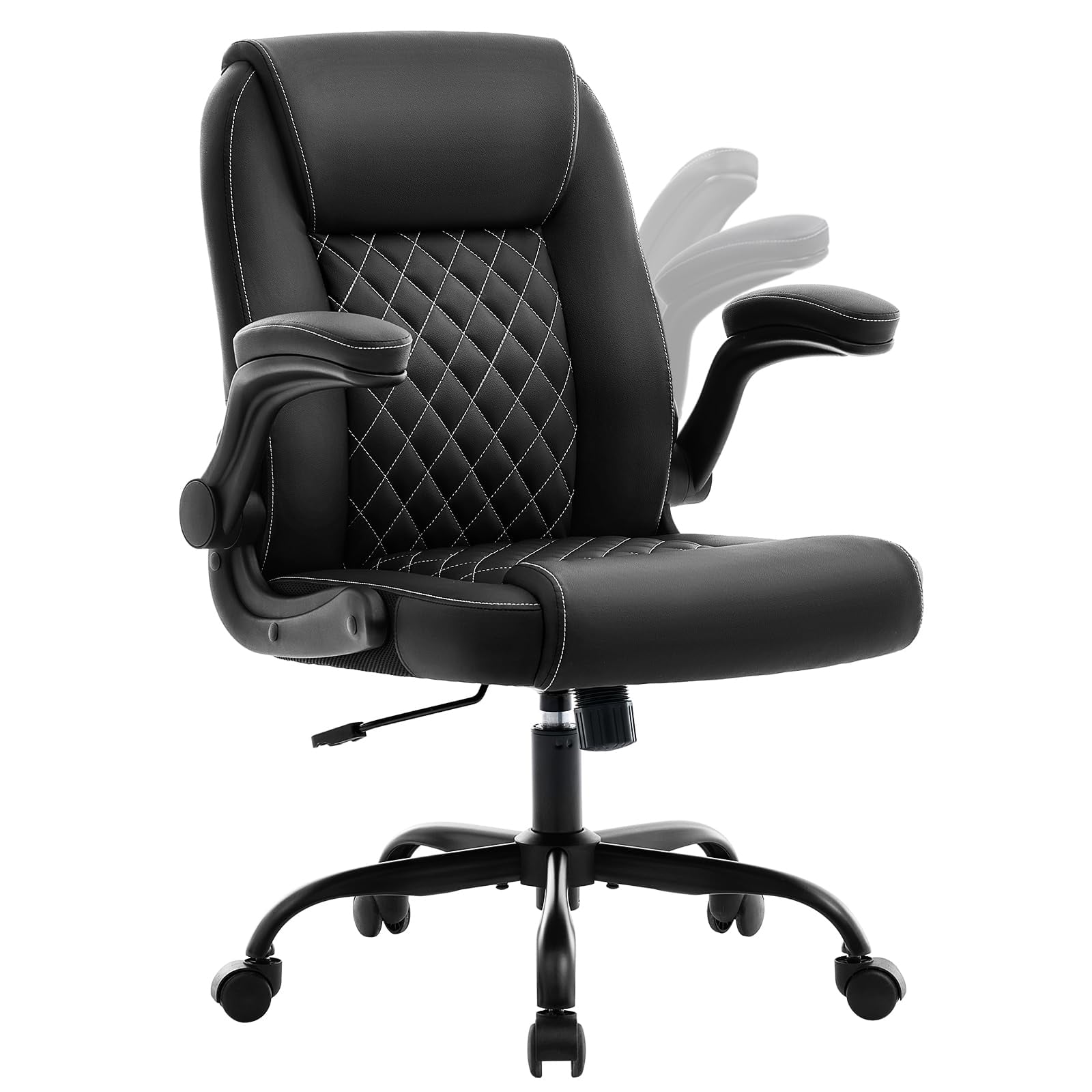
Imagine a chair that not only reflects your leadership but actively supports your physical well-being during 10-hour workdays. That's the promise of a well-designed executive office chair. Unlike standard task chairs, executive models prioritize both commanding aesthetics and advanced ergonomics. They act as your "command center" — a place where decisions are made, and comfort is non-negotiable.
Did you know? According to a 2024 workplace wellness report, executives who use ergonomic chairs with proper lumbar support report 37% less fatigue and 23% higher focus during afternoon hours. The chair is literally a productivity tool.
The Anatomy of Leadership: Key Features of Executive Chairs
Executive chairs differ from typical office seating in several fundamental ways. Let's dissect what makes them worthy of the corner office.
1. High-Back Design: The Shoulder and Neck Support Advantage
Most executive chairs feature a backrest that extends to shoulder height or higher. This isn't just for show — it provides crucial support for the upper trapezius and cervical spine. Think of it as the difference between a sedan and an SUV: the extra height offers stability and reduces slouching. Look for models with an integrated or adjustable headrest if you often recline to think or take calls.
2. Material Matters: Leather, Fabric, or Mesh?
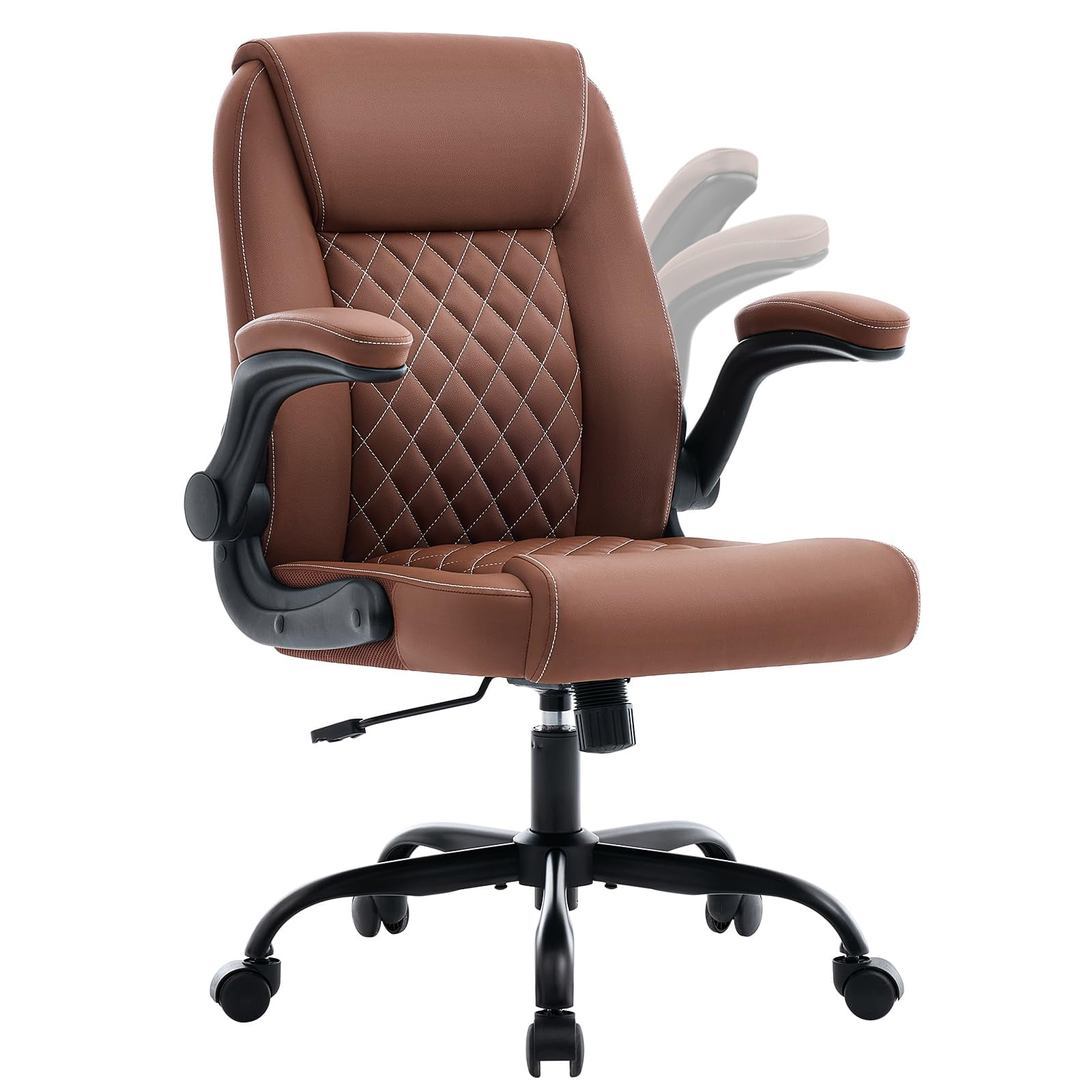
- Premium Leather (Top-Grain): The classic choice. It ages beautifully, develops a patina, and signals authority. Requires conditioning but lasts over a decade.
- Bonded Leather / PU: More affordable, easier to clean, but less breathable. Good for guest offices or moderate use.
- High-End Fabric: Some modern executive chairs use performance fabrics that are stain-resistant, breathable, and available in sophisticated colors. Often preferred in creative industries.
- Mesh Accents: Some executive chairs combine a leather exterior with a mesh back for breathability — a hybrid approach for warm climates.
3. Adjustment Capabilities: Beyond Height
A true executive chair offers multi-dimensional adjustments. Here's what to look for:
- Seat Depth Slider: Allows you to adjust the pan length so there's a 2-3 finger gap behind your knees.
- 4D Armrests: Move up/down, left/right, forward/backward, and pivot. Essential for supporting elbows during typing or meetings.
- Lumbar Support (Height & Depth): Not just a bump — a mechanism that pushes into your lower back at the right spot.
- Multi-Lock Tilt: lets you recline and lock in several positions, ideal for shifting postures.
4. Base and Casters: Stability and Floor Protection
Executive chairs typically use a five-star base made of polished aluminum or heavy-duty nylon. For carpets, choose hard casters (often included). For hardwood floors, upgrade to soft rubber casters to prevent scratches.
The Four Pillars of Executive Seating
When evaluating chairs, consider these pillars as your decision framework:
Pillar 1: Presence
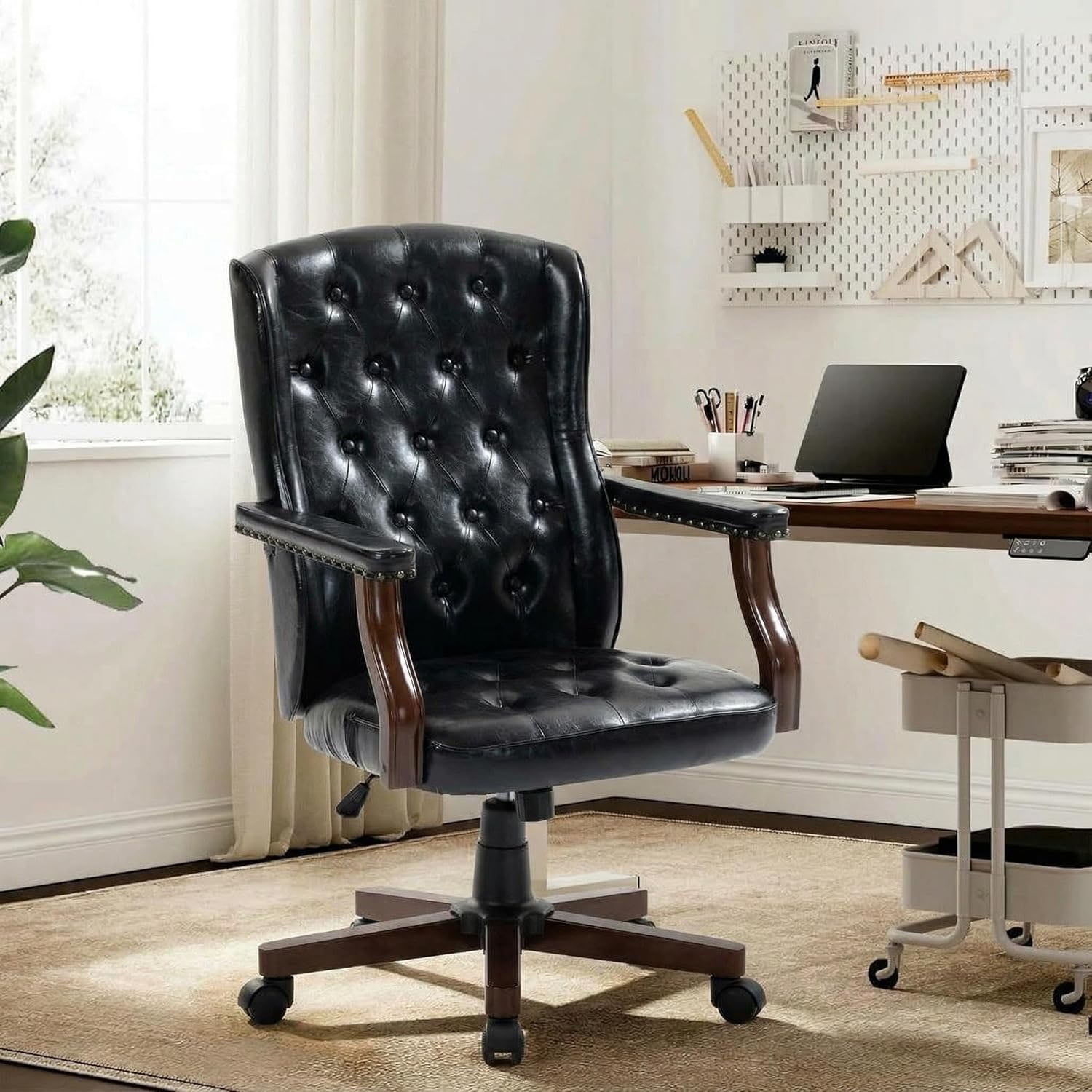
Does the chair command respect? Materials, silhouette, and finish matter. A tufted leather back or polished chrome accents elevate the room.
Pillar 2: Endurance
Can it support 8+ hours without discomfort? Look for high-density foam (2.5 lb/ft³ or higher) and a frame rated for daily intensive use.
Pillar 3: Adaptability
Does it adjust to your body? Not everyone is the same size. Adjustable lumbar, seat depth, and armrests ensure a personalized fit.
Pillar 4: Longevity
Will it last 10 years? Check warranties (10 years on frame, 5 on mechanism) and material guarantees.
Executive Chair Buyer's Checklist
Before you click 'add to cart', verify these points:
- ☐ Seat width supports your hips (usually 20-22 inches).
- ☐ Backrest height matches your torso length (measure from seat to shoulder).
- ☐ Lumbar support contacts your curve (adjustable preferred).
- ☐ Armrests allow shoulders to relax, not hunch.
- ☐ Tilt mechanism lets you recline at least 15 degrees.
- ☐ Weight capacity exceeds your weight by at least 50 lbs.
- ☐ Warranty covers parts and labor for minimum 5 years.
Ergonomic Impact: What Research Shows
A Cornell University study found that executives using chairs with dynamic lumbar support had 28% fewer reports of lower back pain over a 6-month period compared to those in fixed-back chairs. Additionally, the ability to recline slightly (open up the hip angle) reduces spinal disc pressure by up to 40% — crucial for those with sedentary roles.
Investment Levels: What to Expect
Essential
Basic ergonomics, bonded leather or fabric, limited adjustments. Suitable for part-time or guest executives.
Professional
Genuine leather or high-end fabric, better foam, adjustable lumbar and arms. Ideal for daily full-time use.
Premium
Top-grain leather, advanced ergonomics (4D arms, seat depth), polished aluminum base. 10-15 year durability.
Luxury
Handcrafted, full-aniline leather, custom options, designer brands, heirloom quality.
Frequently Asked Questions About Executive Office Chairs
Conclusion: Choose Your Command Post
An executive office chair is a long-term partner in your professional journey. Prioritize adjustability and material quality over flashy looks. Remember, the best chair is one you don't notice — because it supports you so well that you can focus entirely on your work. Use the checklist and budget guide above to find the chair that matches your leadership style and physical needs.