
The Hidden Power of Putting Your Feet Up at Work
For decades, the standard office chair has been a static throne—a seat with a back, arms, and casters, but little else. We sit with our feet flat on the floor, knees at 90 degrees, and that was considered the gold standard of ergonomics. But what if we told you that the next evolution in workplace comfort isn't about sitting still, but about giving your legs the freedom to move and rest? Enter the office chair with footrest.
Think of your body like a car on a long road trip. Without a break, your legs get stiff, your circulation slows, and fatigue sets in. An integrated footrest acts like a rest stop for your lower body. According to a study published in the International Journal of Occupational Safety and Ergonomics, workers who used a footrest reported a 30% decrease in lower back discomfort and a significant improvement in overall sitting comfort. This isn't just a luxury; it's a tool for maintaining energy and focus throughout a long workday.
Anatomy of an Office Chair with Footrest: What to Look For
Not all footrests are created equal. Some are simple flip-out wire loops, while others are plush, padded ottomans that extend as you recline. Understanding the mechanics and features will help you choose a chair that truly serves your needs.
1. The Mechanics: Flip-Out vs. Extendable Footrests
The way a footrest deploys is crucial for both convenience and durability. Here are the two primary mechanisms you'll encounter:
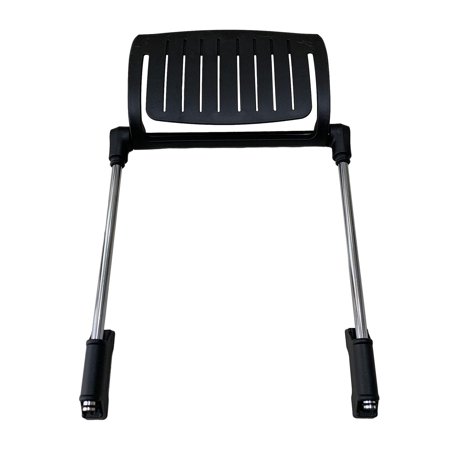
- Flip-Under Tray: This is the most common design. The footrest is stored neatly under the seat and you simply reach down and flip it forward. It's simple, mechanical (fewer parts to break), and often found on mid-range chairs. Perfect for those who want a footrest for occasional use without a complex mechanism.
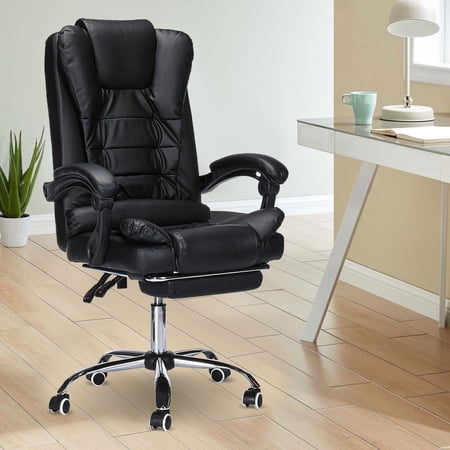
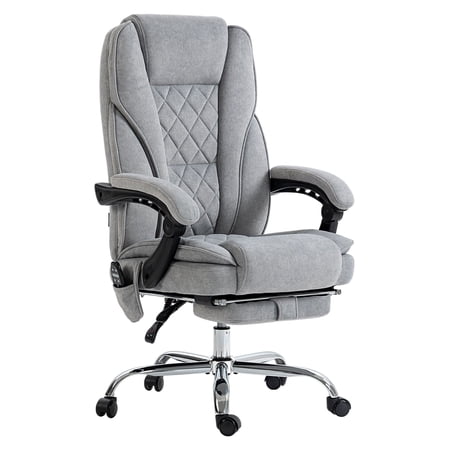
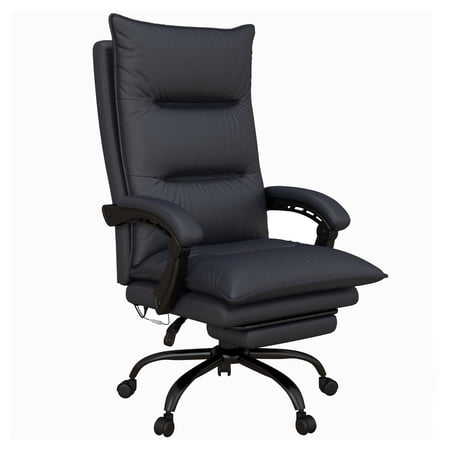
- Extendable Ottoman (Recliner Style): This design is typically integrated with the chair's recline function. As you lean back, a padded ottoman extends from the front of the seat to support your legs. This creates a "zero-gravity" or lounge-like feel. These are ideal for people who take dedicated breaks or enjoy thinking sessions in a reclined position. However, the mechanism is more complex and may require a higher budget for quality construction.
2. Material Matters: Padding and Upholstery
Since your feet and calves will be resting on it, the footrest's surface is important.
- Padded/Vinyl or Fabric: Most built-in footrests are padded with foam and upholstered in the same material as the chair. This offers the most comfort, especially if you plan to use it for extended periods. Look for high-density foam that won't compress over time.
- Hard Plastic or Metal: Some flip-under footrests are simply a hard surface. While less comfortable for resting bare feet, they are durable, easy to clean, and provide a solid platform for your shoes. You can always add a small cushion if desired.
3. The "Recline" Connection: Finding Your Perfect Angle
An office chair with footrest is often paired with a reclining backrest. Here's how to evaluate that system:
This allows the seat and back to move in a synchronized ratio (e.g., for every 3 degrees the back reclines, the seat tilts up 1 degree). It keeps you stable and supported while reclining, perfect for active work and short rests.
Essential if you want to work or relax at a specific angle. Look for a chair that lets you lock the recline in multiple positions, not just upright and fully laid back.
This adjusts how much force is needed to recline. A good tension knob allows lighter users to lean back easily and heavier users to feel secure without tipping back too fast.
4. The "Sweet Spot": When and How to Use Your Footrest
Using a footrest isn't just about putting your feet up whenever. It's a strategic tool. Here are three scenarios where it provides maximum benefit:
- During Deep Focus or Creative Thinking: Reclining slightly with your feet elevated can shift your brain into a more relaxed, creative state. It's the office equivalent of a thinking pose. Use this for brainstorming or planning.
- For Postural Change: Ergonomists recommend changing your posture every 20-30 minutes. Using a footrest gives you a different position than the standard "feet on floor," engaging different muscle groups and relieving static load on your spine.
- During Phone Calls or Reading: When you don't need to be typing intensely, elevating your legs can improve circulation and give your back a break. It turns passive tasks into active recovery moments.
5. Health Benefits: More Than Just Comfort
The advantages of a well-designed footrest go beyond simple relaxation. Consider these physical benefits:
Improved Circulation
Elevating your legs helps blood flow back to the heart, reducing the risk of swelling and varicose veins, especially for those who sit for hours.
Reduced Lower Back Pressure
When you recline with feet up, the angle between your torso and thighs opens, reducing pressure on the lumbar discs. A study in Spine journal noted that a 135-degree recline with leg support is the most heart-healthy and back-friendly sitting position.
Decreased Muscle Fatigue
Holding your legs in a fixed position (feet on floor) all day can fatigue hip flexors and leg muscles. A footrest allows for micro-movements and changes in position, keeping muscles active and less tired.
Enhanced Focus
Physical discomfort is a major distraction. By reducing aches and pains, a footrest allows you to concentrate on your work for longer periods.
6. Separate Footrests: A Versatile Alternative
If you're not ready to buy a whole new chair, a separate under-desk footrest is an excellent option. These come in various forms:
- Flat Platforms: Simple, adjustable-height platforms that keep your feet flat. Some have a textured surface for grip.
- Rocking Footrests: These have a curved base that allows your feet to rock back and forth, promoting subtle leg movement and circulation.
- Tilting Footrests: Allow you to adjust the angle of the platform, flexing your ankles and keeping joints active.
A separate footrest is a budget-friendly way to test if this ergonomic aid works for you, and it can be used with any existing chair.
Frequently Asked Questions About Office Chairs with Footrests
Making the Right Choice for Your Workflow
An office chair with footrest is more than a gadget—it's an acknowledgment that work doesn't have to be a static, uncomfortable grind. By allowing you to shift positions, elevate your legs, and even recline, these chairs bring a level of adaptability to your workspace that a standard chair simply cannot match. Whether you opt for a high-back executive model with a plush extendable ottoman or a simple task chair with a flip-out footrest, you are investing in your physical well-being and daily comfort.
Consider your typical workday: Do you take calls where you could relax? Do you suffer from restless legs or lower back stiffness? If so, a footrest-integrated chair might be the missing piece in your ergonomic setup. Start by identifying the mechanism that fits your routine, ensure the build quality is solid, and then prepare to experience a new level of seated freedom.