
Why “Small Office Chairs for Small Spaces” Are a Smart Investment
Working from a cozy apartment corner, a converted closet office, or a compact studio means every square inch counts. Choosing the right small office chair for small spaces isn't just about squeezing furniture into a corner—it's about creating a productive, healthy, and visually spacious environment. A bulky executive chair can overwhelm a room, but a thoughtfully designed compact chair can make your workspace feel open and intentional.
Space & Health Insight: According to interior design studies, reducing visual clutter by 30% can lower stress levels. A slim-profile chair contributes to that calm. Ergonomically, a properly fitted small chair encourages better posture than a oversized one you sink into. The key is choosing a chair designed for proportion, not just shrinkage.
Key Features of Truly Space-Saving Chairs
Not every chair labeled "small" is created equal. Here are the specific design elements that make a chair perfect for tight quarters:
- Narrow seat width (under 20 inches): Allows the chair to fit between arms of a small desk or in a tight corner without feeling cramped.
- Shallow seat depth (under 18 inches): Essential for smaller users or to prevent the edge of the seat from hitting the back of your knees when sitting upright.
- Low-profile or armless design: Enables you to slide the chair completely under a desk, freeing up floor space when not in use.
- Lightweight construction (under 30 lbs): Makes it easy to move the chair around to clean or to repurpose the space for other activities.
- Visual lightness: Chairs with open backs, mesh materials, or slim metal frames appear less bulky and make a room feel larger.
Compact vs. Standard: A Quick Comparison
| Feature | Standard Office Chair | Small Space Chair |
|---|---|---|
| Typical Seat Width | 20" - 22" | 18" - 19.5" |
| Backrest Height | 22" - 26" (high-back) | 16" - 21" (mid/low-back) |
| Arm Style | Fixed or wide-set | Flip-up, adjustable narrow, or armless |
| Base Diameter | 28" | 24" - 26" |
| Ideal Room Size | 100+ sq ft | 50-90 sq ft |
Material & Design Psychology for Small Spaces
Materials play a dual role in small spaces: they affect comfort and the perception of space. Here’s how to choose wisely:
Mesh & Transparent Materials
- Visual Airiness: Mesh backs and clear acrylic elements allow light to pass through, making the room feel less cluttered.
- Breathability: Perfect for small, potentially warmer rooms without great airflow.
- Modern aesthetic: Complements minimalist and Scandinavian designs common in apartments.
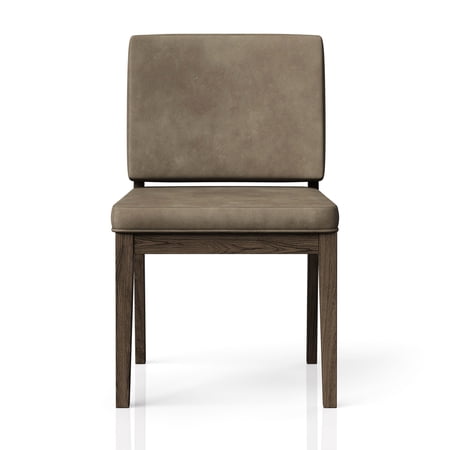
Compact Fabric & Leather
- Cozy factor: Adds warmth to a small home office nook.
- Color choice matters: Light beige or soft grey fabrics recede visually, while dark colors can make a space feel smaller.
- Maintenance: Small spaces mean less room for error—spills are more noticeable, so consider stain-resistant treatments.
5 Space-Saving Chair Styles That Actually Work
Let's break down the specific types of small office chairs for small spaces that deliver both form and function.
1. The Armless Task Chair
By eliminating arms, these chairs reduce width by 4-6 inches. They're ideal for desks with limited width or for users who prefer unrestricted movement. Many armless models still offer pneumatic height adjustment and tilt tension. Best for: Narrow desk alcoves and corner setups.
2. The Chair with Flip-Back Arms
This hybrid style gives you the best of both worlds. Arms provide support while typing, but when you're done, they flip up so the chair can slide fully under the desk. This feature alone can reclaim up to 24 inches of floor space. Best for: Multipurpose rooms where the chair needs to be tucked away.
3. The Low-Back Sled Base Chair
Sled bases (a single continuous piece of metal forming the frame and legs) are often more compact than traditional five-star bases. Combined with a low back, these chairs have a minimal footprint and a sleek, modern look. Best for: Modern home offices and reception areas within a home.
4. The Petite Ergonomic Chair
Designed specifically for smaller-framed individuals, these chairs scale down every dimension—seat width, depth, and back height—while retaining full lumbar support. They prevent the "swimming" feeling of a too-large chair. Best for: Teenagers, smaller adults, and anyone seeking a proportional fit.
5. The Backless Stool-Style Chair
For ultra-tiny spaces like a writing desk or a makeup-vanity-turned-workstation, a backless perching stool takes up virtually no visual space. Some models have a slight tilt to engage core muscles. Best for: Very short work sessions or standing-desk companions.
How to Measure Your Space for a Compact Chair
A common mistake is buying a chair that looks small in the store but overwhelms your specific nook. Follow this simple measuring guide:
- Measure your desk height: Standard desks are 29-30 inches. Ensure the chair's maximum seat height is at least 2 inches lower than the desk surface so you can slide it under.
- Check the width between desk legs or arms: If your desk has a hutch or fixed arms, measure the inside opening. Your chair's seat width must be at least 2 inches narrower than this opening.
- Account for recline: If you like to lean back, measure the space behind your desk. Add 15-20 inches to the chair's depth to ensure it won't hit the wall.
- Floor space for base: Even compact chairs have a base spread. Measure the diameter of the base (usually 24-26 inches) and ensure it has clearance from nearby furniture.
Health Considerations: Don't Sacrifice Support for Size
It's a myth that small chairs can't be ergonomic. In fact, a well-designed compact chair often encourages better posture because it fits your body rather than engulfing it. Look for these non-negotiable features:
- Adjustable lumbar support: Even a slim chair should support the natural curve of your lower back.
- Seat height adjustment: Your feet must rest flat on the floor, with thighs parallel to the ground.
- Waterfall seat edge: Prevents circulation restriction behind the knees, crucial for any size chair.
- Stability: A compact chair with a wide-enough base (minimum 24 inches) prevents tipping.
Better Posture
Chairs that fit properly reduce slouching by 25%.
More Floor Space
Gain up to 4 sq ft when chair tucks under desk.
Less Visual Clutter
Open designs make rooms feel 15% larger.
Easy Mobility
Lightweight chairs are 40% easier to move.
Step-by-Step Selection Guide
Step 1: Define Your Primary Use
Are you typing 8 hours a day, or just paying bills for an hour? Full-time work demands more ergonomic adjustability, even in a compact package. Occasional use allows for simpler, potentially smaller designs like stools.
Step 2: Prioritize "Must-Have" Adjustments
Make a list: pneumatic height (yes), armrests (maybe flip-up), lumbar support (yes), tilt lock (maybe). This helps filter out purely aesthetic chairs that lack function.
Step 3: Match Material to Lifestyle
If you eat at your desk, choose leather or high-quality mesh that wipes clean easily. If you're in a warm climate, prioritize breathable mesh. If style is paramount, look for slim upholstered chairs in light fabrics.
Step 4: Test the Footprint
Use painter's tape on the floor to outline the chair's base and the space needed to recline. Live with that outline for a day to ensure it doesn't block pathways or feel cramped.
Where to Place Your Small Office Chair
Strategic placement amplifies the benefits of a compact chair. Avoid dead-center placement. Tuck it into a corner with the desk against the wall, or use it as a flexible extra seat for guests that can be rolled away. In a living-room office, choose a chair that complements your decor—like a slim leather or fabric task chair that doesn't scream "office."
Conclusion & Final Recommendations
Selecting a small office chair for small spaces is about intentionality. It's proof that you don't need a sprawling executive throne to be productive and comfortable. By focusing on proportion, essential ergonomics, and smart features like flip-up arms or breathable mesh, you can transform a cramped corner into a highly functional command post.