
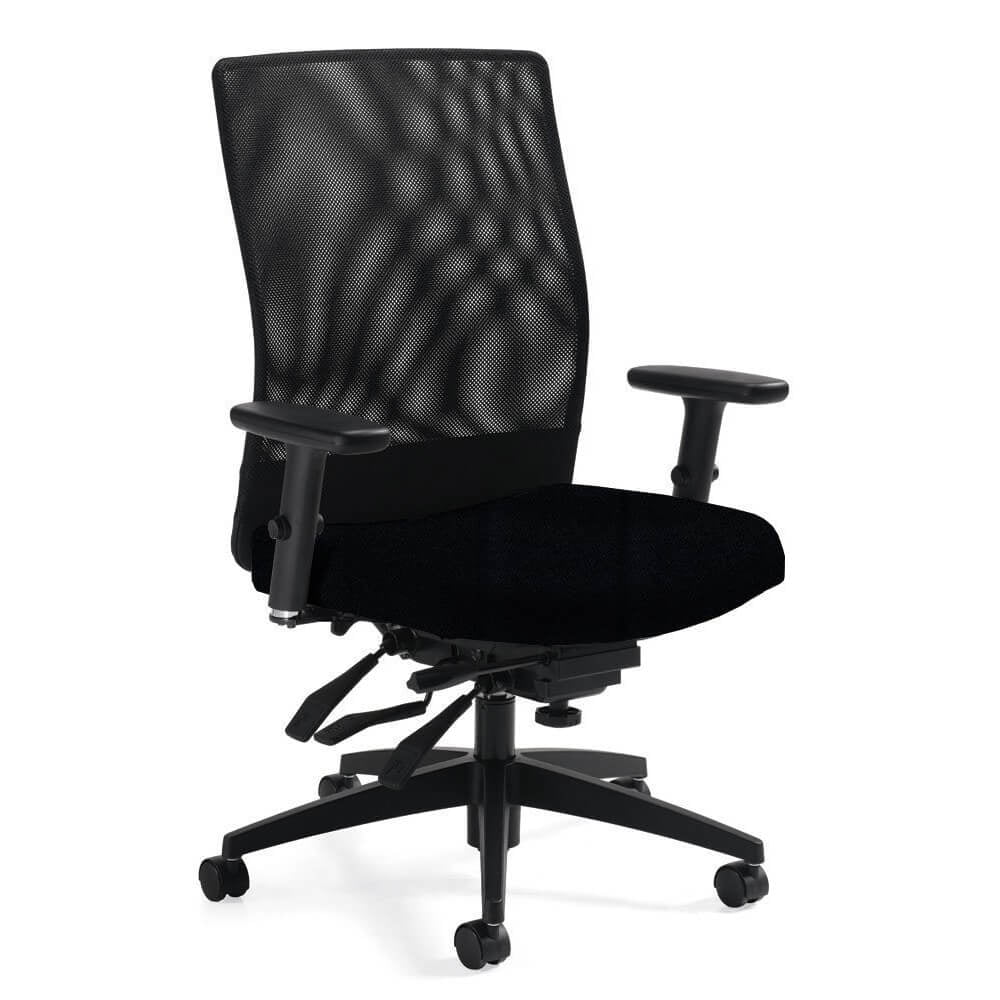
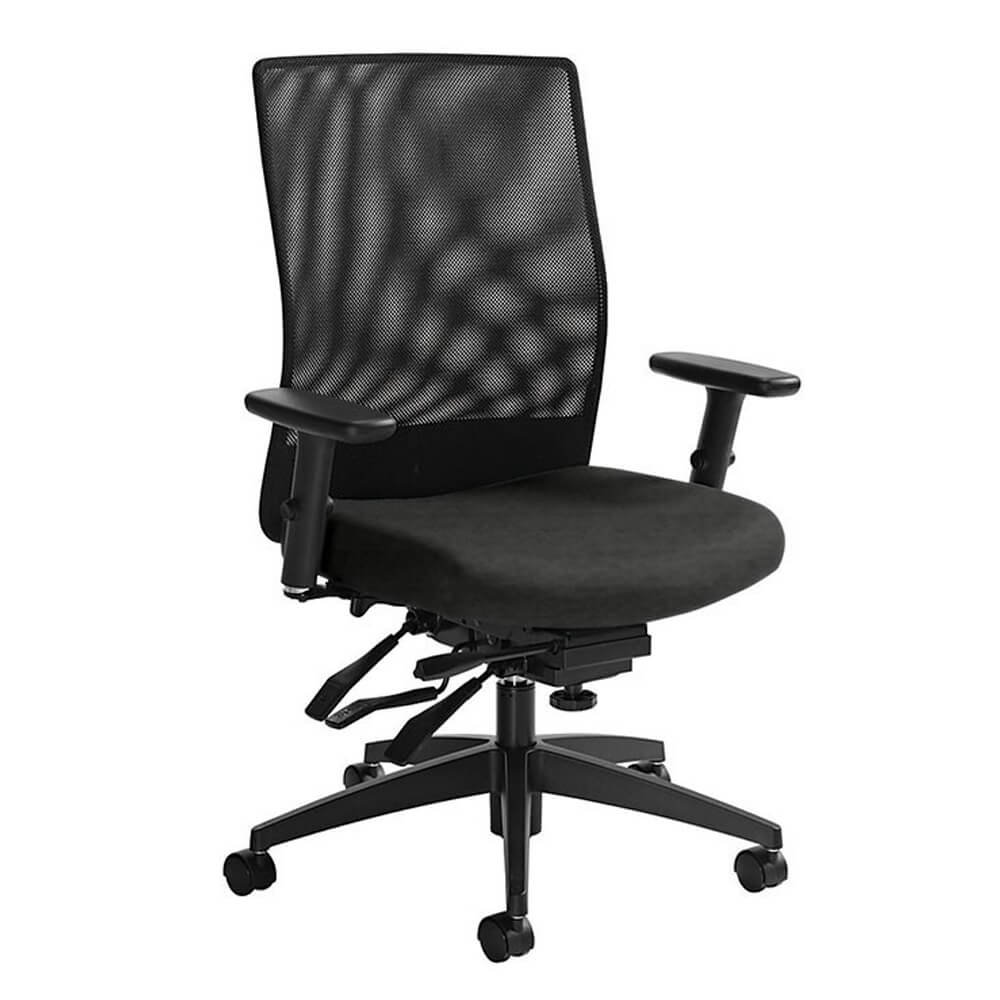
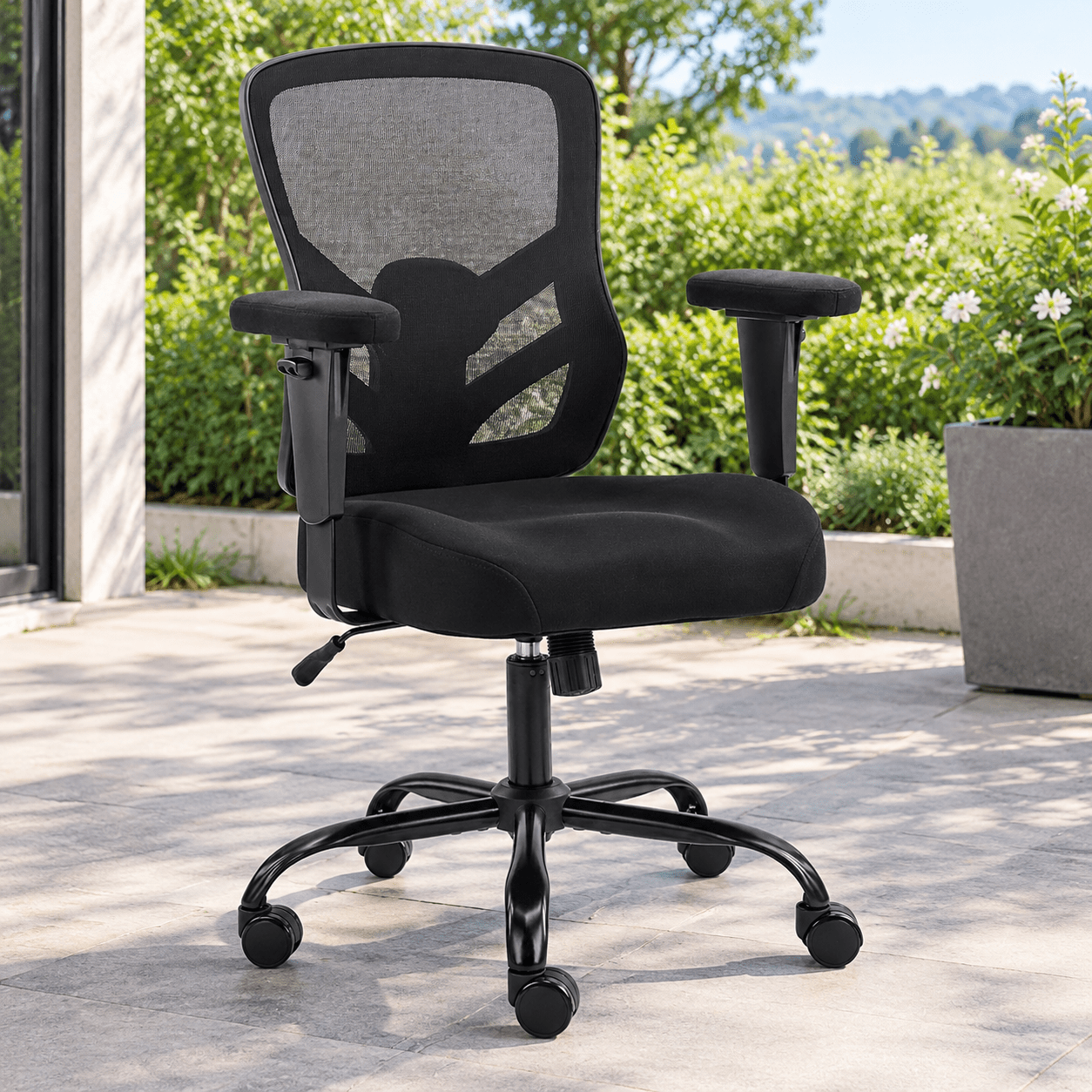
Why Your Next Office Chair Should Be Mesh
Imagine sitting at your desk for hours without that sticky, uncomfortable feeling building up on your back. That's the primary promise of a mesh ergonomic office chair. Unlike traditional fabric or leather chairs that trap heat, mesh acts like a high-tech cooling system, allowing air to flow freely through the backrest. But the benefits go far beyond temperature regulation. A well-designed mesh chair is a tool for long-term health, offering dynamic support that adapts to your every move.
In today's world, where many of us spend upwards of 8-10 hours a day seated, choosing the right chair isn't just about comfort—it's an investment in your physical well-being and professional productivity. Think of a mesh chair not as a piece of furniture, but as a performance engine for your workday. It provides a responsive, breathable, and supportive foundation that helps you maintain energy and focus from your first email to your last task.
Decoding the Mesh: How It Works and Why It Matters
To truly appreciate a mesh ergonomic chair, it helps to understand the engineering behind it. This section dives into the unique properties of mesh and how they translate into real-world benefits for you.
The Science of Breathability: More Than Just a Feeling
• Micro-Climate Management: The open weave of mesh fabric allows body heat to dissipate and fresh air to circulate. This prevents the micro-climate between your back and the chair from becoming hot and humid. According to ergonomic studies, maintaining a comfortable core temperature can improve cognitive function and reduce fatigue. It's the difference between feeling fresh at 5 PM or feeling drained and clammy.
• Dynamic Conforming Support: Unlike rigid foam that creates high-pressure points, quality mesh (like pellicle mesh) stretches and conforms to the unique shape of your back. As you shift positions throughout the day—which ergonomists encourage—the mesh responds instantly, providing continuous, evenly distributed support. It's like having a chair that "hugs" you back, without the pressure.
Lumbar Support Reimagined: The Mesh Difference
Lumbar support is crucial, but in a mesh chair, it's often implemented in a superior way. There are two primary types you'll encounter:
- Integrated Tension Curve: The mesh itself is tensioned to create a pronounced, supportive curve in the lumbar region. This provides a firm, yet forgiving, foundation for your lower back. Some high-end models allow you to adjust this tension, letting you control how much "push-back" you feel.
- Adjustable Lumbar Pad: A separate, often padded, support mechanism sits behind the mesh or is integrated into it. These are highly adjustable, allowing you to move the support up or down to fit the exact curve of your spine. Look for chairs that offer both height and depth adjustment for a truly customized fit.
Both methods are effective, but they feel different. The key is to understand your preference: do you want the seamless, continuous support of a tensioned curve, or the targeted, adjustable pressure of a dedicated pad?
Beyond the Backrest: The Holistic Ergonomic Package
While the mesh back is the star, a true ergonomic office chair is a system of interconnected parts. Don't overlook these critical components when making your choice:
- The Seat Pan (Waterfall Edge): The front of the seat should curve gently downward (a "waterfall edge") to prevent pressure on the back of your thighs, promoting healthy blood circulation to your legs and feet. A depth-adjustable seat pan is a must-have feature for taller or shorter individuals.
- Synchronized Recline Mechanism: This advanced feature allows the backrest and seat to move in a coordinated, ergonomically-optimized ratio as you lean back. It keeps you supported and your feet planted on the floor, whether you're typing intently or leaning back to think.
- 4D Adjustable Armrests: Armrests should be adjustable in height, width, depth, and pivot angle. This allows you to rest your arms in a relaxed position with your shoulders down, preventing neck and shoulder tension. Your elbows should form an L-shape at your sides.
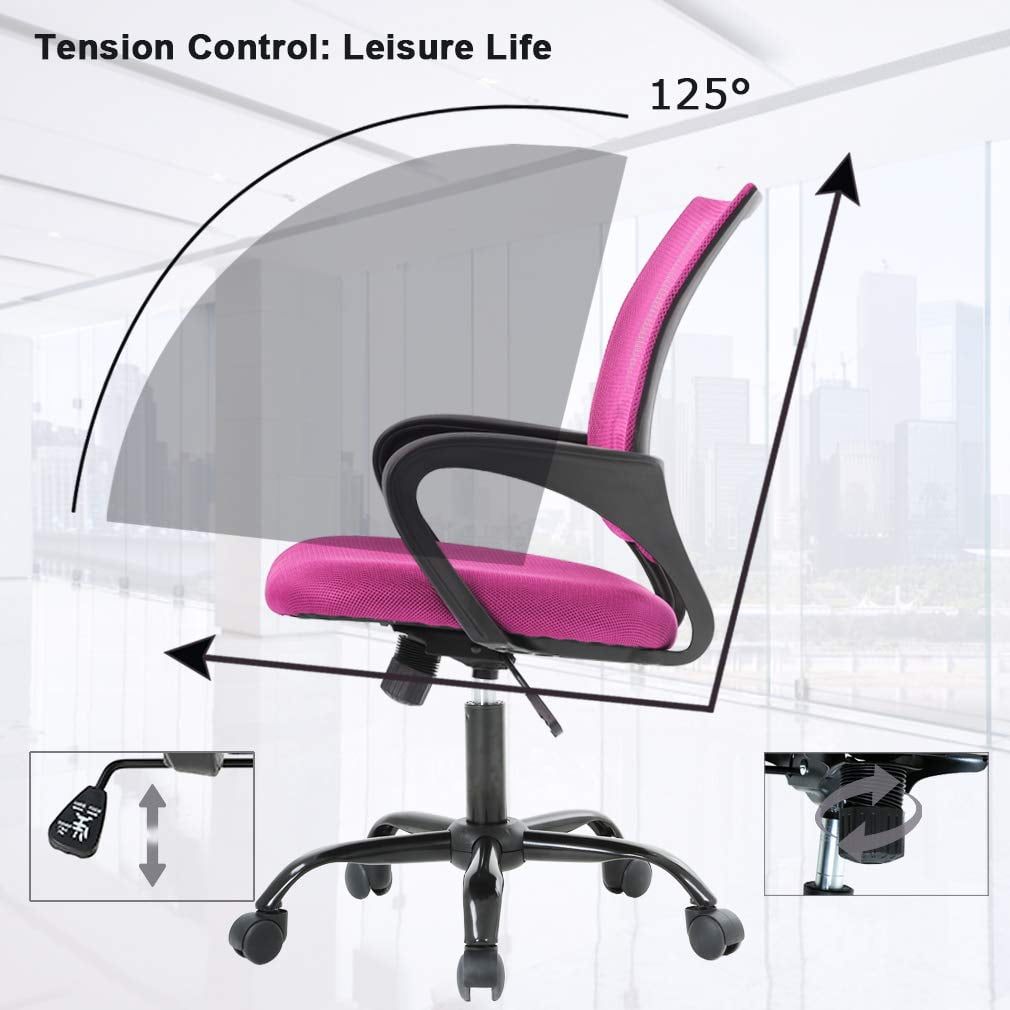
- Tilt Tension Adjustment: This controls how much force is needed to recline. A properly adjusted tension lets you move fluidly between postures without feeling like you're fighting the chair or that it's too loose.
When you combine a breathable mesh back with these comprehensive ergonomic features, you get a chair that doesn't just keep you cool—it actively promotes movement, supports healthy posture, and adapts to your work style.
Frequently Asked Questions About Mesh Ergonomic Office Chairs
Conclusion: Make the Cool, Comfortable Choice
Choosing a mesh ergonomic office chair is a decision to prioritize your daily comfort and long-term health. It's an acknowledgment that the hours you spend at your desk should be supported by intelligent design. By prioritizing breathability and dynamic support, mesh chairs offer a unique solution to the common problems of heat buildup and postural fatigue. They represent a shift from passive seating to an active, supportive partnership with your body. We hope this guide has illuminated the path to finding your perfect seat. Remember to consider your specific needs, test key adjustments, and invest in a chair that will keep you cool, comfortable, and productive for years to come.