
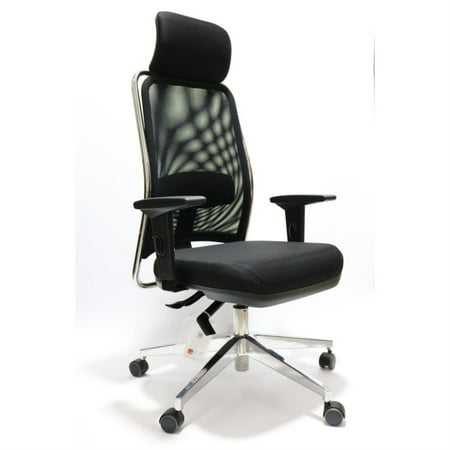

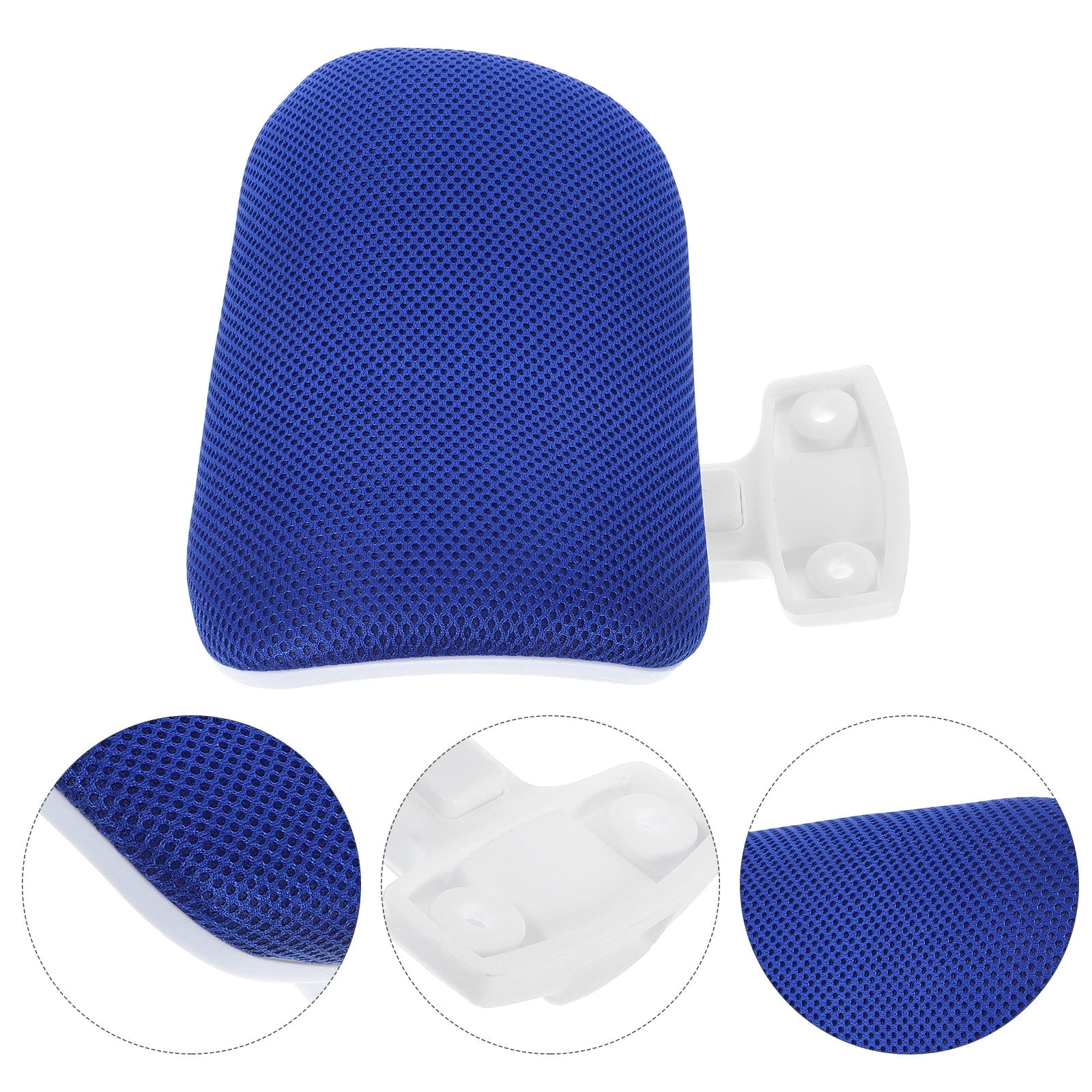
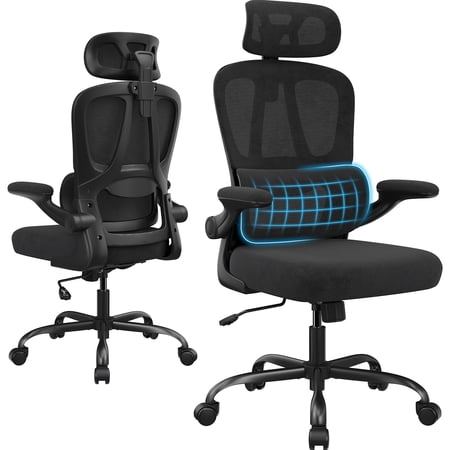
Why Your Desk Setup Deserves an Office Chair with Headrest
Imagine driving a car without a headrest—your neck would feel every bump, and long journeys would be torture. Yet millions of professionals sit 8+ hours daily in office chairs that offer zero neck support. An office chair with headrest changes that. It’s the difference between arriving home energized or rubbing a stiff neck.
Ergonomic fact: The human head weighs about 10-12 lbs. For every inch your head moves forward, the strain on your neck muscles doubles. A headrest helps maintain neutral spine alignment, potentially reducing neck strain by up to 40% according to posture studies.
The Hidden Cost of a Headrest-Less Chair
Without head support, you unconsciously hold your head up using muscles, leading to fatigue and “forward head posture.” Over months, this can cause chronic pain, tension headaches, and even reduced lung capacity. An office chair with headrest allows your cervical spine to rest, especially during reclined moments—think reading, thinking, or taking a call.
What Makes a Great Office Chair with Headrest? (Key Buying Criteria)
Not all headrests are created equal. Here’s a breakdown of features that separate a gimmick from a game-changer:
- Adjustability (2D/3D/4D): Look for height and angle adjustment. Premium models let you move the headrest forward/backward to fit the depth of your neck.
- Padding & Material: Memory foam or high-density foam with breathable fabric (mesh or leather) ensures comfort without sweating.
- Integration with Recline: The headrest should move with you when you recline. Some chairs have a synchronized mechanism where the headrest tilts backward as you lean, maintaining support.
- Frame Compatibility: For tall users, ensure the headrest goes high enough; for shorter users, it shouldn’t push your head forward.
Beyond the Neck: Full-Body Benefits of a Headrest Chair
1. Spinal Harmony: The Domino Effect
Supporting your neck naturally aligns your thoracic spine (upper back) and lumbar curve. When your head is back, your shoulders relax, and your lower back maintains its natural arch. This holistic alignment reduces pressure on spinal discs. A 2021 ergonomics review noted that workers using headrests reported 33% less mid-back discomfort.
2. The “Micro-Break” Advantage
During intense focus, we forget to rest. A chair with a headrest invites micro-breaks: you lean back for 30 seconds, rest your head, and reset. These mini-pauses improve circulation and mental clarity. Think of it as a pit stop for your brain.
3. Reclining: The Productivity Hack
Studies suggest that a 135-degree reclined position (with head support) is the healthiest for your spine when not typing. It opens up hip angles and reduces disc pressure. A headrest makes reclining practical—you can actually relax without craning your neck forward.
Who Benefits Most from a Headrest?
- Tall individuals: Standard chairs often end mid-neck. A headrest bridges the gap.
- People with existing neck issues (e.g., whiplash, arthritis): Extra support is therapeutic.
- Multi-taskers: Those who switch between typing, reading, and phone calls benefit from varied postures.
- Gamers & home workers: Long sessions demand head support for endurance.
Materials Showdown: Finding Your Perfect Match
Let’s compare common materials used in headrest chairs so you can pick what suits your climate and style.
Mesh Headrests
- Breathable: Airflow prevents sweat on your neck.
- Flexible support: Conforms without hard pressure.
- Lightweight: Ideal for modern office aesthetics.
- Easy to clean: Wipe with a damp cloth.
Leather / PU Headrests
- Plush feel: Soft and luxurious.
- Professional look: Suits executive settings.
- Durable: With proper care, lasts years.
- Note: Can get sticky in hot weather; look for perforated leather.
Fabric Headrests: The Middle Ground
Fabric (like polyester or wool blends) offers a balance: softer than mesh, less temperature-sensitive than leather. It’s cozy for colder offices but may absorb odors over time. Great for home offices.
How to Adjust Your Office Chair Headrest Properly (Step-by-Step)
- Sit upright with your back against the chair. Close your eyes and relax your neck.
- Adjust the headrest height so the center of the pad supports the back of your head (the occipital bone), not your neck vertebrae.
- Angle the headrest to make contact without pushing your head forward. It should feel like a gentle cradle, not a shove.
- Test while reclining: Lean back about 20-30 degrees. Your head should stay in contact; if it loses support, readjust angle or height.
- Fine-tune depth (if available): Move it forward/backward until your neck feels neutral, not stretched.
According to a survey by the American Chiropractic Association, 67% of workers who added a headrest to their chair reported a decrease in weekly headaches within 30 days.
Common Myths About Office Chairs with Headrests
- Myth: "Headrests are only for sleeping." Reality: They support your neck during passive moments, keeping muscles fresh for active work.
- Myth: "They take up too much space." Reality: Most are compact and integrated—they don’t extend beyond the chair’s profile.
- Myth: "I’m short, so a headrest will push my head forward." Reality: Look for fully adjustable models—they accommodate heights from 5'0" to 6'5".
Frequently Asked Questions (Office Chair with Headrest)
Conclusion: Invest in Your Neck, Invest in Your Future
An office chair with headrest is more than a comfort upgrade—it’s a long-term investment in your physical well-being. Whether you're a CEO grinding through 12-hour days, a programmer deep in code, or a hybrid worker shifting between tasks, neck support should be non-negotiable. Use this guide to find a chair with the right adjustability, material, and build quality. Your future pain-free self will thank you.
Quick Recommendations by Use Case
| User Profile | Headrest Type | Material | Key Feature |
|---|---|---|---|
| Tall executive | Adjustable height + tilt | Leather | High extension range |
| Hot climate / home office | 3D adjustable | Mesh | Breathable & supportive |
| Shared workspace | 4D adjustable | Fabric | Multiple adjustment points |
| Budget-conscious | Fixed but well-padded | Mesh or PU | Affordable neck relief |