
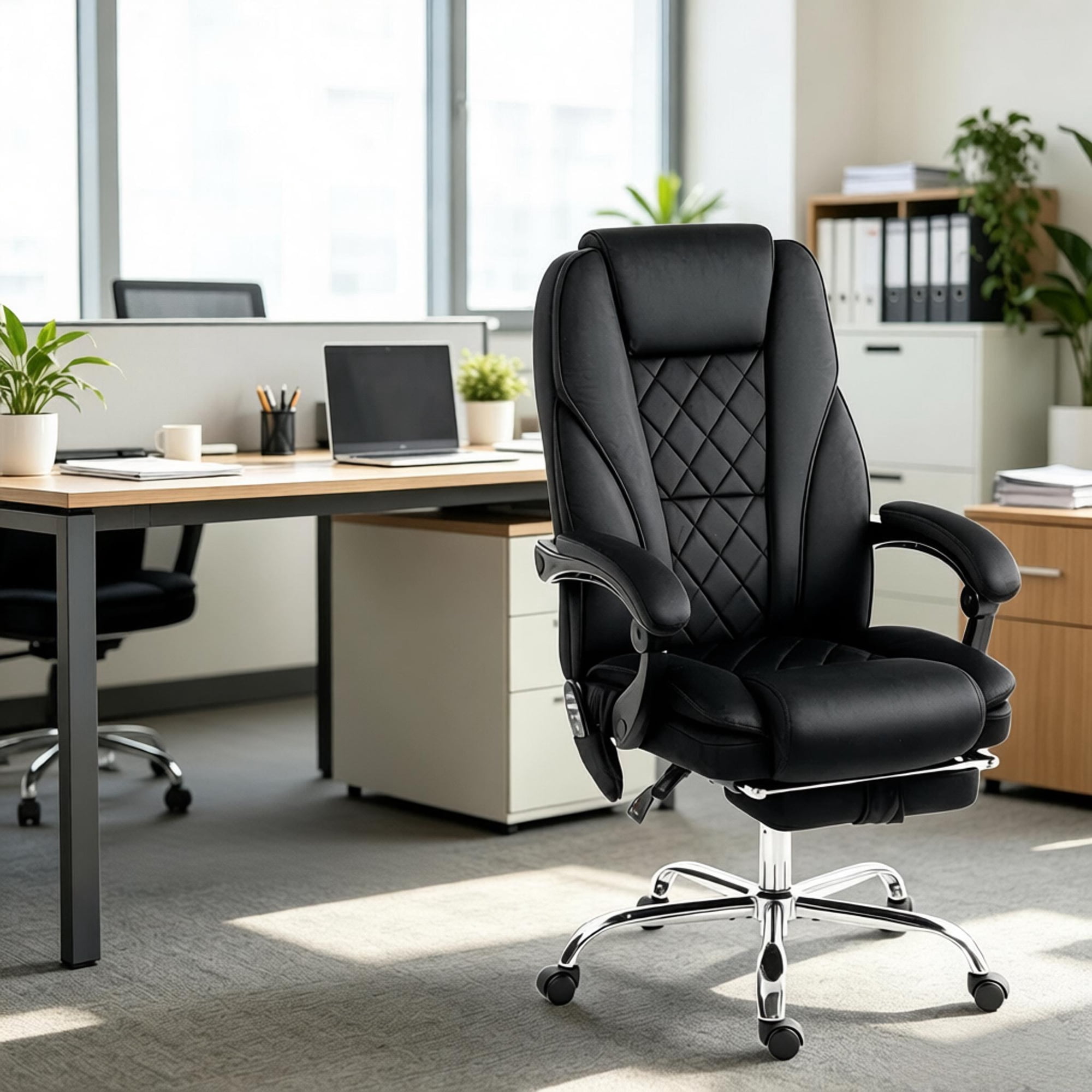
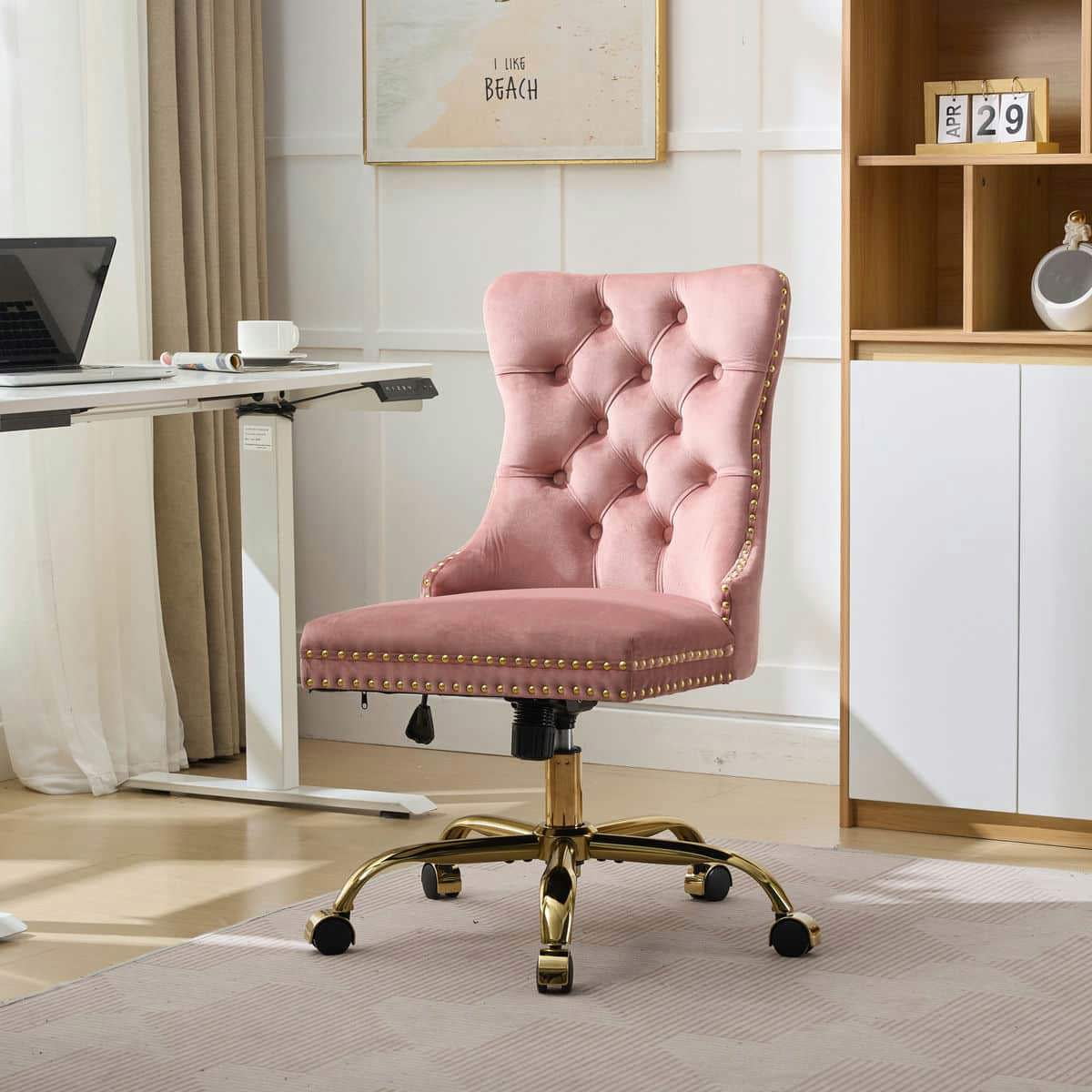
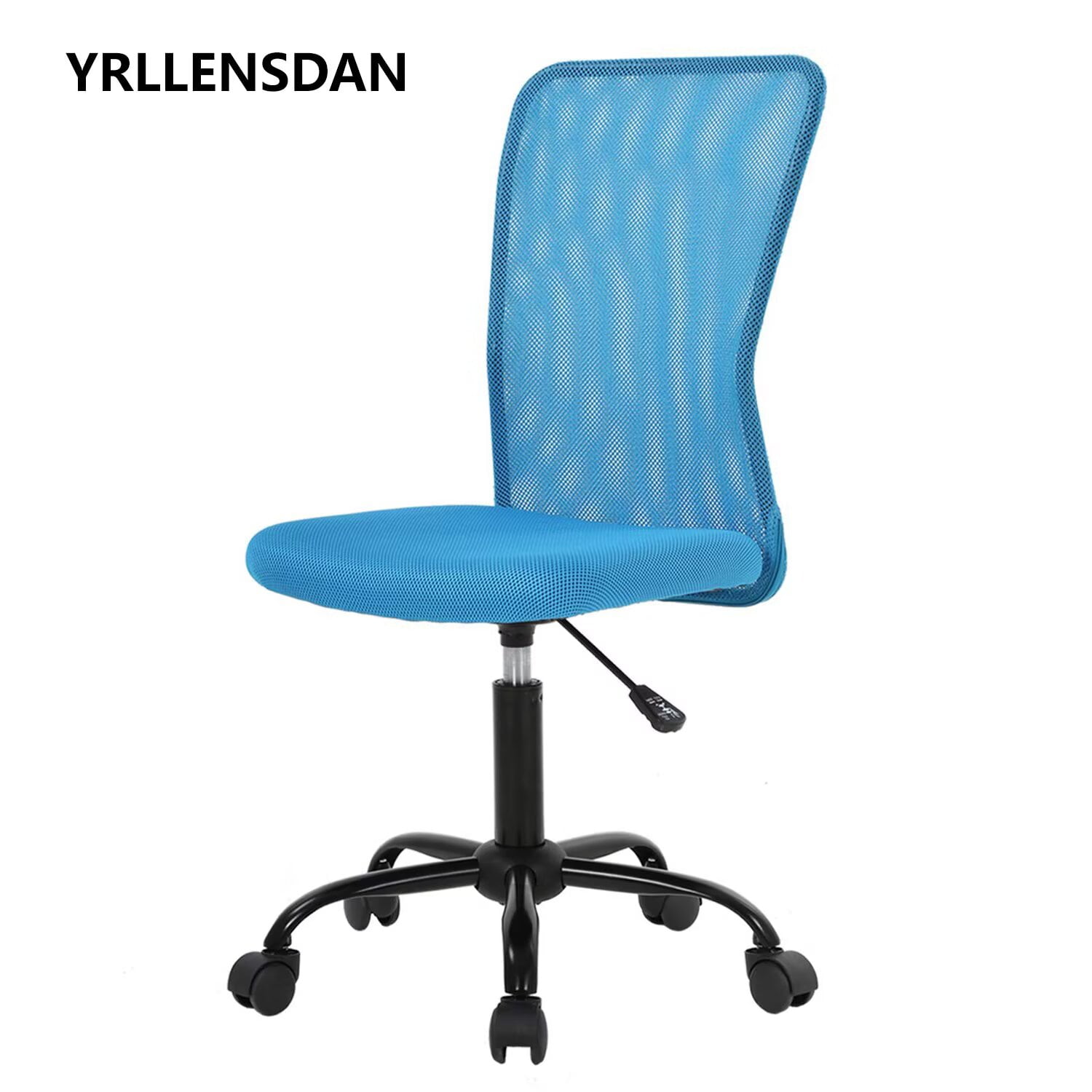
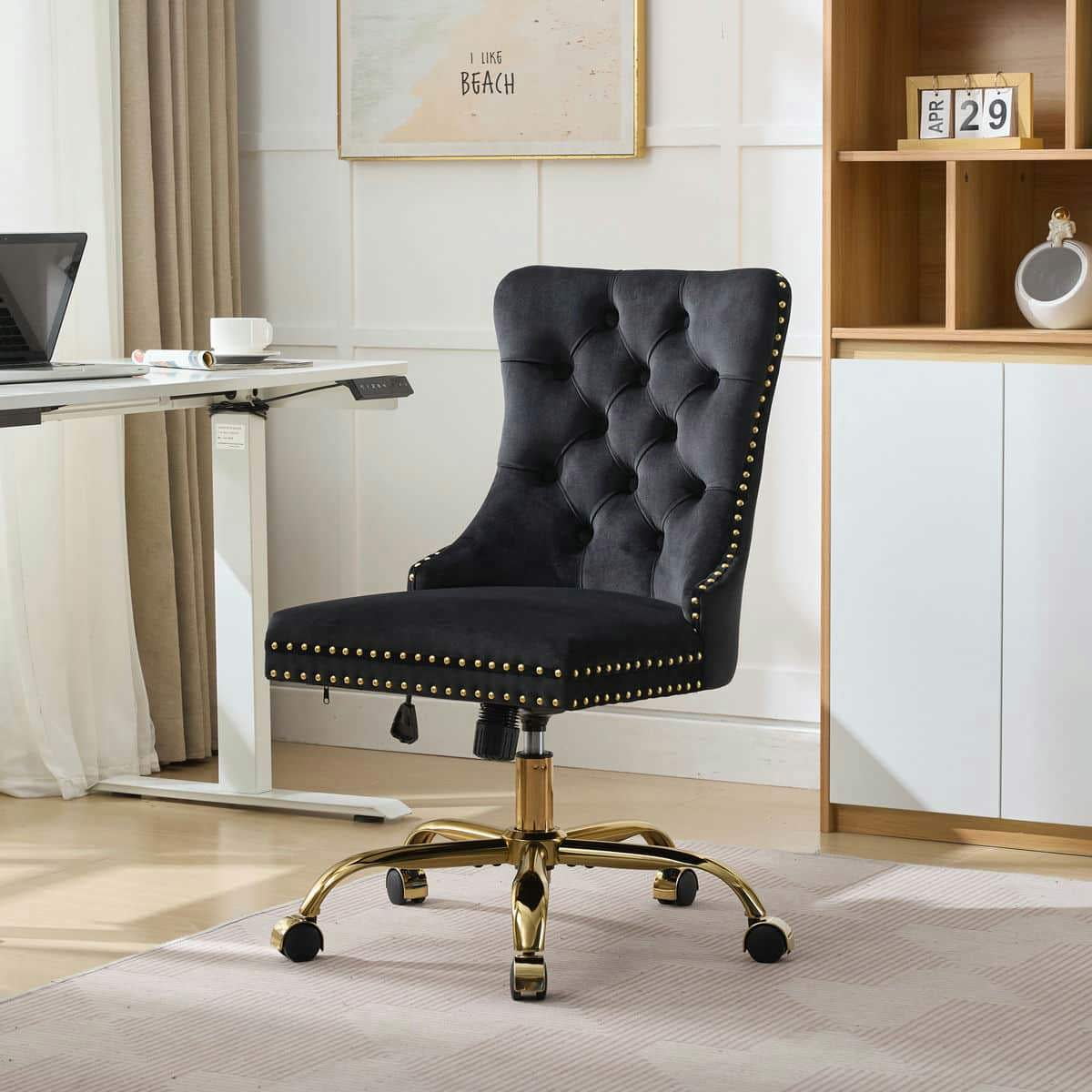
Your Desk Chair: The Unsung Hero of the Workday
Imagine trying to write a novel while sitting on a park bench — no back support, arms dangling, shifting every ten minutes. That’s what working from a poor office desk chair feels like. The average professional spends over 1,500 hours per year in their chair. Yet many people choose one based on looks alone, ignoring how it interfaces with their body, desk, and daily tasks.
A study from the National Institute for Occupational Safety and Health found that workers using properly adjusted chairs reported 38% less upper back and neck discomfort. But "properly adjusted" is the key. An office desk chair isn't a one-size-fits-all throne; it's a tool that must be tailored to your height, weight, and work habits. This guide will walk you through everything — from materials to mechanisms — so you can select a chair that disappears into your workflow, leaving only comfort and focus.
📊 1,500+ hours per year: time spent in your desk chairDeconstructing the Office Desk Chair: What Lies Beneath
Let’s pull back the upholstery and look at the core components that define a great desk chair. Understanding these will help you decode product specs and make an informed choice.
1. The Seat: Foundation of Comfort
The seat pan determines how your weight is distributed. Key factors:
- • Foam density: High-density cold-cure foam retains shape for years; soft foam collapses quickly. Look for "HR foam" (high resilience).
- • Seat depth and width: Should accommodate your thighs without pressing behind knees. Depth adjustment (slider) is a premium feature.
- • Waterfall edge: Curved front edge relieves pressure on thighs, improving blood circulation — critical for long sits.
2. Backrest: Your Spinal Ally
A static, flat backrest forces your muscles to work overtime. Modern desk chairs offer:
- • Lumbar support (adjustable): should fit the natural inward curve of your lower back. Height and depth adjustability are ideal.
- • Recline mechanism: Synchronous tilt (seat and back move together) allows dynamic sitting. Tilt tension knob lets you set resistance.
- • Backrest height: Mid-back for task focus, high-back for full upper body support during breaks.
3. The Chair-Desk Relationship: A Crucial Match
An excellent chair paired with the wrong desk height ruins ergonomics. Here’s a quick reference:
4. Armrests: Often Overlooked
Fixed armrests can force you to hunch. Look for 3D or 4D armrests (adjustable up/down, left/right, forward/back, pivot). They let you support forearms without lifting shoulders, reducing neck tension. If you push your chair under the desk when not in use, flip-up armrests are a space-saving bonus.
5. Base, Casters & Gas Lift — The Unsung Mechanics
A five-star base (metal or reinforced nylon) ensures stability. Casters matter: soft rubber for hardwood, hard wheels for carpet. The gas lift should be Class 3 or 4 (rated for thousands of cycles). Weight capacity: even if you're light, a 300 lb rating means sturdier internals.
Material Matters: Mesh, Leather, Fabric & More
🕸️ Mesh
Breathable, contours to shape, ideal for long hours. Look for high-tension mesh that won't sag.
🪑 Leather (Top-grain / bonded)
Premium look, easy wipe-clean. Can get warm; genuine leather softens with age. Bonded may peel after 3-5 years.
🧵 Fabric
Wide color range, cozy feel. Look for stain-resistant treatment and high abrasion resistance (50,000+ rubs).
🪵 Faux leather / PU
Budget-friendly, easy to clean. Less durable than genuine leather; avoid direct sunlight.
Your 5-Step Office Desk Chair Selection Timeline
- Measure your space & body: desk height, floor space, your height and weight. Note any specific needs (back pain, tall torso).
- Define must-have adjustments: seat slider? 4D arms? headrest? Make a non-negotiable list.
- Choose material based on climate & use: hot office → mesh. client-facing → leather. home/family → stain-resistant fabric.
- Check durability signals: weight capacity (250-400 lbs), gas lift class, warranty (10 years on frame is gold).
- If possible, test or use free returns: comfort is subjective. Many online brands offer 30-day trials.
✅ Benefits of a quality desk chair
- Reduces back & neck pain (up to 54% per studies)
- Improves focus — less fidgeting
- Lasts 8–12 years (vs. 2–3 for cheap chairs)
- Enhances professional image
⚠️ If you ignore ergonomics
- Higher risk of musculoskeletal disorders
- Fatigue and reduced productivity
- Frequent replacement costs
- Poor posture habits
Frequently Asked Questions About Office Desk Chairs
Conclusion: Invest in Your Daily Foundation
Choosing an office desk chair is not about buying a piece of furniture — it's about investing in your physical well-being and daily focus. The right chair supports you silently, allowing you to concentrate on your work without distraction. Use the framework above: measure, prioritize adjustments, pick a material that suits your environment, and never underestimate the importance of a trial period.
Browse the curated selection of desk chairs above — many come with free returns so you can experience the difference. Your back (and your productivity) will thank you.