
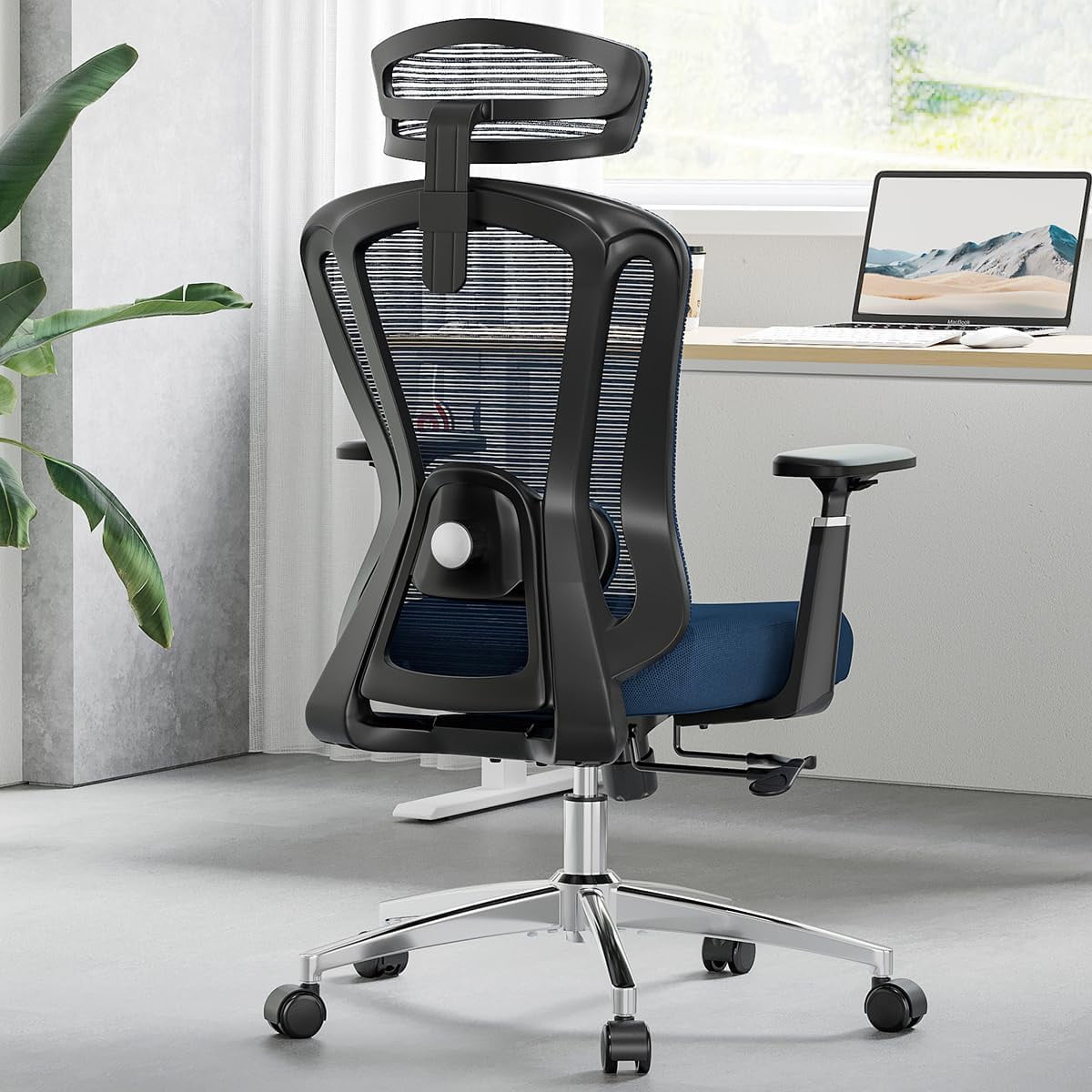
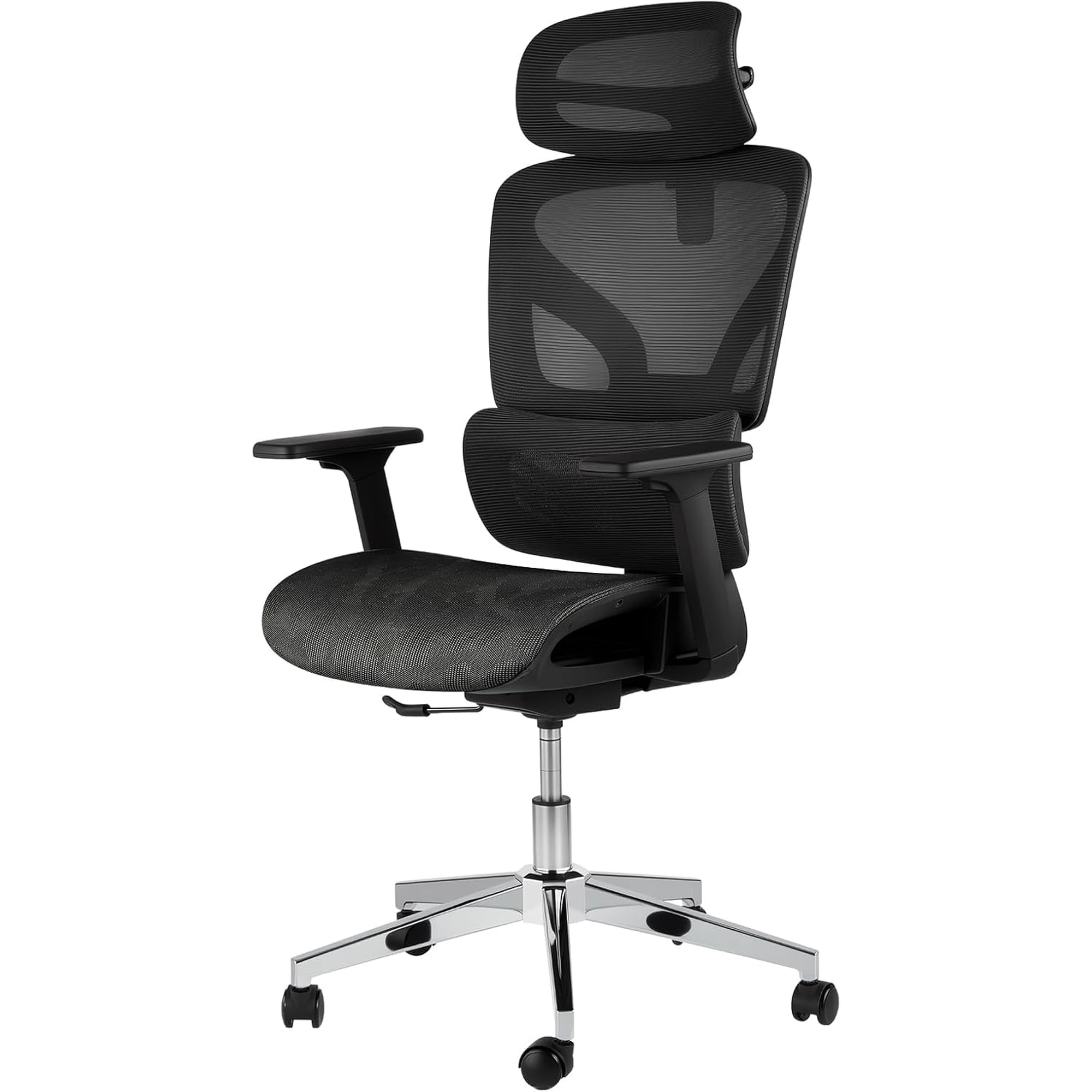
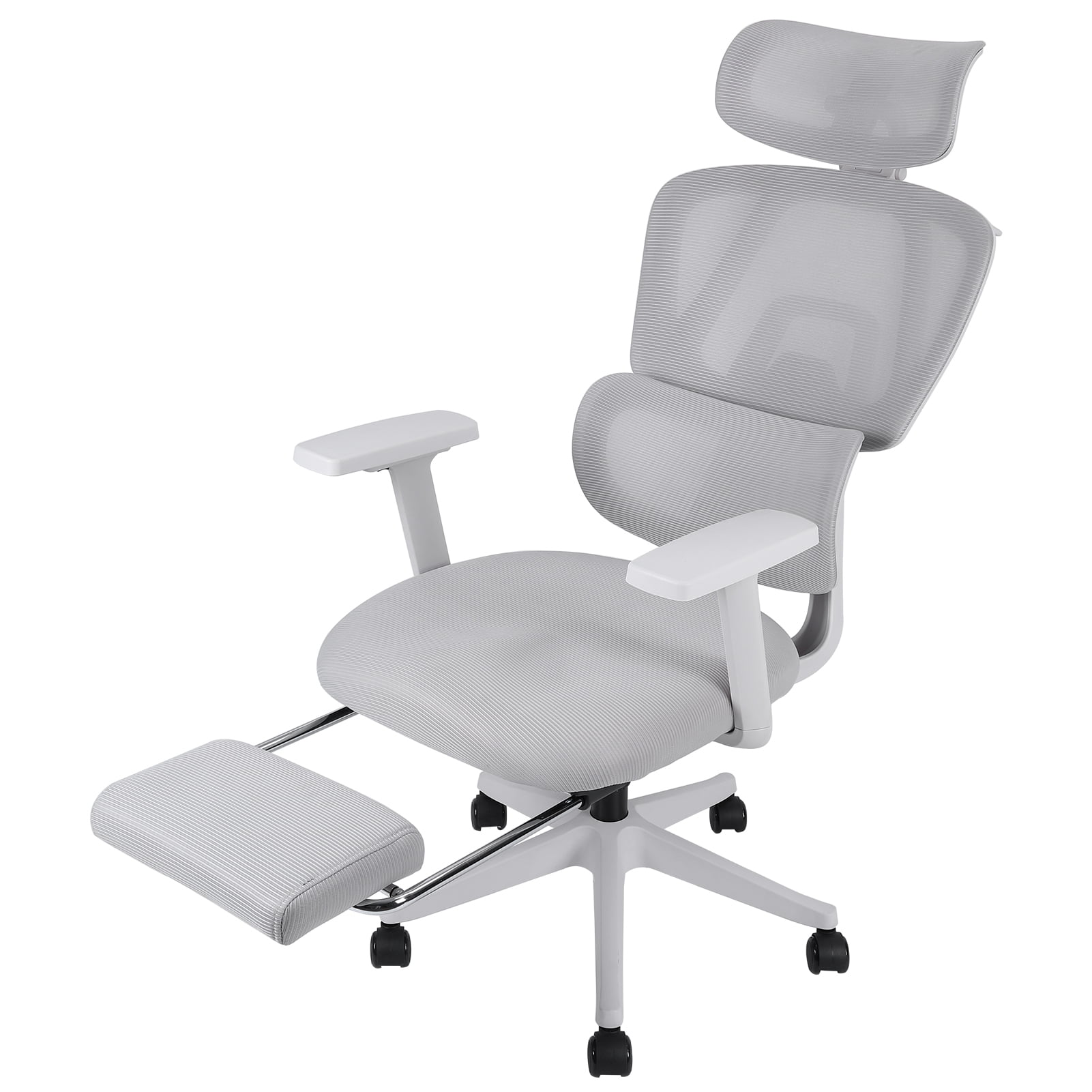
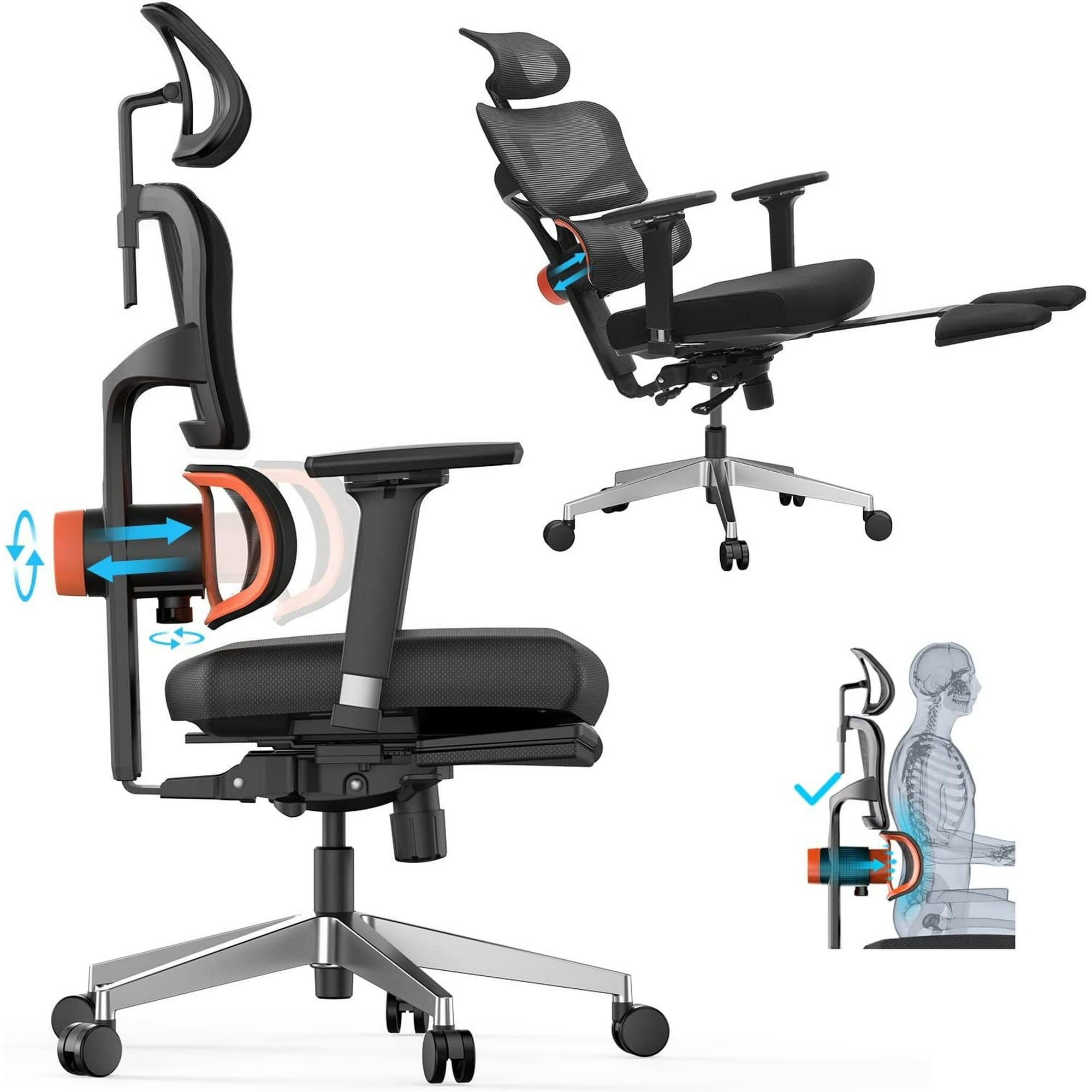
The Foundation of True Ergonomics: Adjustable Seat Depth
Imagine wearing a pair of shoes that are either too long or too short. You could still walk, but you'd be uncomfortable, and eventually, you'd develop blisters or foot pain. This is exactly what happens when you sit in a chair with the wrong seat depth. An ergonomic office chair with adjustable seat depth solves this problem by allowing you to customize the seat pan length to match your unique leg length. It's not just a luxury feature; it is a fundamental component of a healthy sitting posture.
Did you know? According to a study published in the journal "Applied Ergonomics," improper seat depth is a leading contributor to sitting discomfort and reduced productivity. Workers using chairs with personalized seat depth adjustments reported a 30% decrease in lower limb discomfort by the end of the workday.
In this comprehensive guide, we will explore why this feature is critical, how it works, and how to choose the best chair for your body. We will move beyond the basics to understand the biomechanics of sitting and how a simple slider mechanism can transform your work life.
Understanding the Biomechanics of Seat Depth
To appreciate the value of an adjustable seat depth, you must first understand what happens when you sit. Your sitting bones (ischial tuberosities) are designed to bear weight. The back of your thighs, however, are filled with blood vessels and nerves. An ergonomic office chair with adjustable seat depth is engineered to support the former without compressing the latter.
The "Two-Finger Rule" Explained
Ergonomists use a simple test to check for correct seat depth. This is known as the "two-finger rule" or "fist rule."
- The Test: Sit upright with your back firmly against the backrest.
- The Measurement: While maintaining this position, try to slide your fingers (or make a fist) behind your calf, just under your knee, at the front edge of the seat.
- The Result: You should have about 2 to 4 fingers (or 1-2 inches) of space between the back of your knee and the seat edge.
If you have more space, the seat is too short, and your thighs lack support. If you have less space or the seat edge presses into your knee, the seat is too long, which can impede circulation and cause numbness.
How Adjustable Seat Depth Mechanisms Work
Manufacturers implement seat depth adjustment in a few key ways. Understanding these mechanisms helps you choose a durable and easy-to-use chair.
1. Sliding Seat Pan
The most common mechanism. A lever under the seat releases a lock, allowing you to slide the entire seat pan forward or backward on a rail system. This is intuitive and usually offers a wide range of adjustment (typically 2-3 inches).
2. Backrest Adjustment
Some chairs adjust the seat depth by moving the backrest forward or backward instead of the seat pan. This achieves the same result—changing the distance from your back to your knees—and is often found in high-end "synchronous" chairs.
3. Fixed Multi-Position
This system uses a discrete set of positions (e.g., 3-4 preset depths). While not infinitely adjustable, it covers the most common body sizes and is a reliable, durable mechanism found in many mid-range chairs.
The "Butterfly Effect" of Proper Leg Support
Adjusting your seat depth correctly creates a positive chain reaction throughout your body:
- Improved Circulation: By eliminating pressure behind the knees, blood flows freely to your lower legs and feet, preventing swelling and "pins and needles."
- Natural Spinal Curve: With your thighs fully supported, your pelvis is less likely to tilt backward. This allows your lower back to maintain its natural inward curve (lordosis) and make full contact with the lumbar support.
- Reduced Hip Strain: The correct depth helps maintain a 90-100 degree angle at the hips, reducing strain on the hip joints and surrounding muscles.
- Enhanced Stability: When your thighs are fully supported, you feel more anchored in the chair. This reduces micro-movements and fidgeting, allowing for greater focus.
Who Benefits Most from Adjustable Seat Depth?
While everyone can benefit, this feature is indispensable for specific groups:
- Tall Individuals: Standard chairs are often too short in the seat, leaving tall people with unsupported thighs, forcing them to slouch to feel stable.
- Petite Individuals: For shorter users, standard seat depths are often too long. They are forced to sit on the edge of the chair or use a cushion to avoid knee pressure, losing critical back support.
- People with Knee or Hip Issues: Conditions like arthritis or bursitis can be aggravated by improper leg positioning. A custom fit reduces joint stress.
- Those Who Sit for 8+ Hours: Long-duration sitting amplifies the negative effects of a poor fit. Proper depth is a non-negotiable feature for all-day comfort.
Beyond Depth: The Interconnected Ergonomic Features
An ergonomic office chair with adjustable seat depth is most effective when combined with other adjustments. Think of these features as an orchestra—the seat depth is the cello section, providing the foundational rhythm. It works in harmony with:
- Adjustable Lumbar Support: Once your seat depth is set, you can adjust the lumbar support to fit the curve of your spine precisely.
- Seat Height Adjustment: This ensures your feet are flat on the floor, with thighs parallel to the ground, working in tandem with depth.
- Backrest Recline Tension: Proper depth allows you to recline safely without the seat edge digging into your thighs.
- Adjustable Armrests: With your body in the correct position, armrests can be set to support your elbows without raising your shoulders.
Frequently Asked Questions About Seat Depth Adjustment
Conclusion: Invest in the Right Fit
Choosing an ergonomic office chair with adjustable seat depth is one of the most important investments you can make in your daily comfort and long-term physical health. It moves you away from the "one-size-fits-all" approach and into the realm of personalized ergonomics. By ensuring proper thigh support and spinal alignment, this single feature can alleviate discomfort, boost your focus, and make those long workdays significantly more bearable.
Don't just look at the style or the brand. When shopping, look for a chair with a smooth, sturdy seat slider mechanism. Test it if possible, or carefully measure your current sitting position to understand how much adjustment you need. Pair this feature with good lumbar support and adjustable armrests, and you will have created a workstation that works *for* you, not against you.
Your Next Step
Browse our curated selection of chairs above. We've specifically selected models featuring robust, easy-to-use seat depth adjustment mechanisms. Read the reviews, check the specifications, and take the first step toward a more comfortable and productive work life. Your body will thank you.