
Why Your Workspace Needs an Ergonomic Bar Height Office Chair
Imagine walking into a modern coffee shop—you see people perched on high stools at counter-height tables, working on laptops, engaged in deep focus. Now imagine doing that for 8 hours a day without proper lumbar support. That's the difference between a standard bar stool and a properly designed ergonomic bar height office chair.
The modern workplace has evolved dramatically. Standing desks now account for nearly 40% of new office installations according to recent industry data. Collaborative spaces with high-top tables have become standard in tech companies and creative agencies. Home offices are increasingly built around kitchen islands or custom standing desks. Yet the seating solution for these elevated surfaces has lagged behind—until now.
What Makes a Bar Height Chair Truly Ergonomic?
Not all tall chairs are created equal. A genuine ergonomic bar height office chair incorporates specific design elements that standard stools or cheap drafting chairs miss entirely. Let's break down the essential components:
🦵 Adjustable Foot Ring
The foot ring is your "floor" at elevated heights. Premium chairs offer height-adjustable rings that accommodate different leg lengths. Look for wide, non-slip surfaces that allow you to shift foot positions throughout the day. This single feature reduces thigh pressure by up to 40% according to biomechanical studies.
⚖️ Wide, Heavy-Duty Base
Higher seat height means higher center of gravity. Quality ergonomic bar chairs feature 25-28 inch diameter bases (compared to 23-24 inches on standard chairs) with weighted construction. This prevents tipping when you lean forward or reach across your desk.
🔧 Extended Height Range
Standard office chairs adjust from 16-21 inches. Bar height chairs need 24-32 inch adjustment range to accommodate everything from 36-inch counter tables to 42-inch bar-height surfaces. Pneumatic lifts with Class 4 or higher gas cylinders ensure smooth, reliable adjustment at these extended heights.
💺 Full-Size Ergonomic Backrest
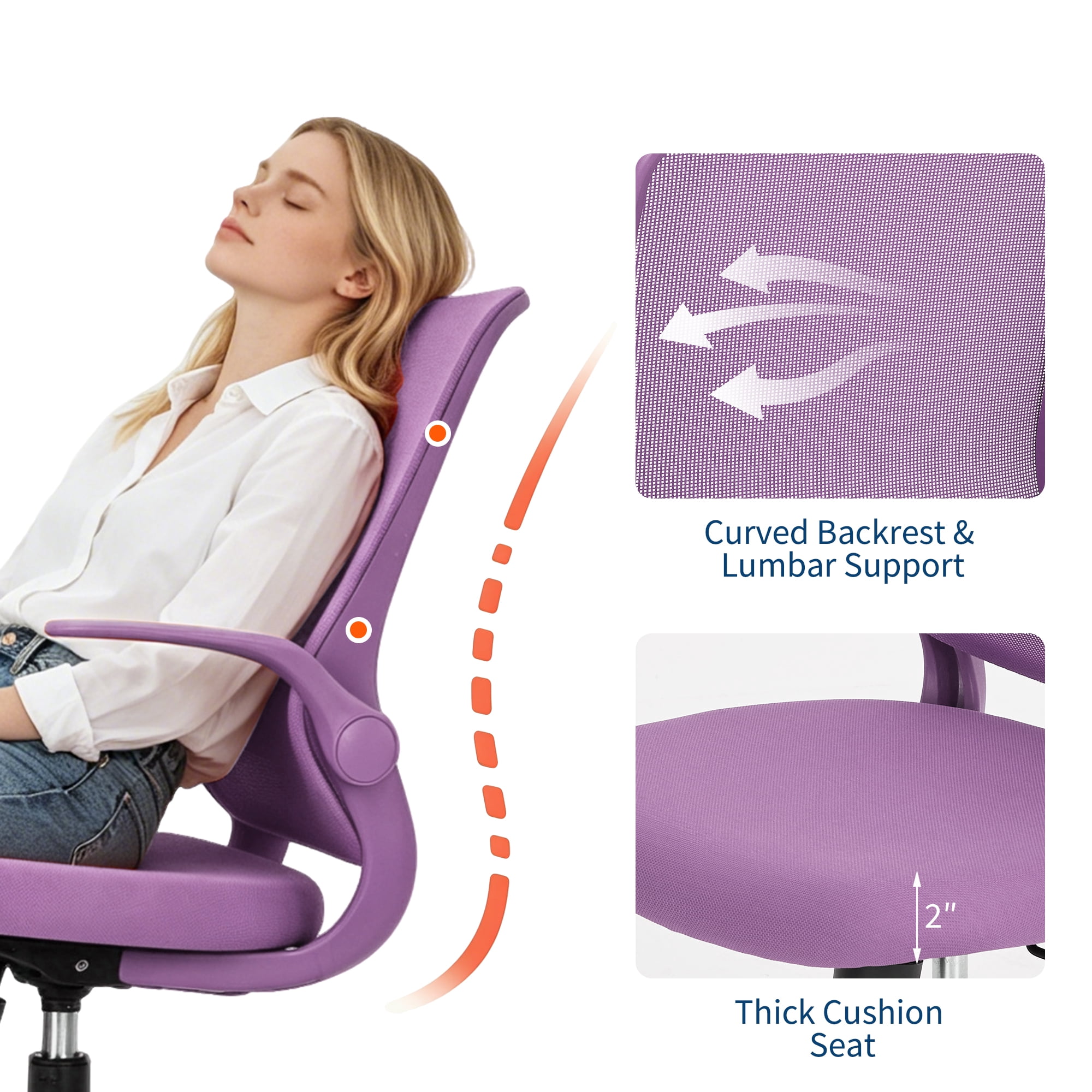
Many drafting stools skimp on back support, offering only small lumbar pads. True ergonomic bar height chairs feature full-sized backrests (18-22 inches tall) with the same contouring and adjustability as premium office chairs—including height-adjustable lumbar support.
The 90-90-90 Rule at Bar Height
You've probably heard of the 90-90-90 ergonomic principle: feet flat on floor (or footrest), knees at 90 degrees, hips at 90 degrees. But how does this translate to bar height seating? Here's the adapted formula for elevated workspaces:
Feet flat on adjustable ring, not dangling. Ring height should allow knees at 90°
90-100 degrees. Thighs parallel to floor, slight slope toward knees
90-100 degrees. Open hip angle prevents lower back compression
Top of monitor at or slightly below eye level (adjusted for bar height desk)
Pro Tip: When adjusting your bar height chair, start with the foot ring. Set it so your feet rest flat with knees at 90 degrees. Then adjust seat height so your hips are also at 90 degrees (thighs parallel to floor). Finally, set backrest tension to support your natural spine curve without forcing you forward.
Bar Height vs. Drafting Chairs: Clearing the Confusion
The terms "bar height chair," "drafting chair," "counter stool," and "perch stool" are often used interchangeably, but there are important distinctions:
| Chair Type | Typical Seat Height | Key Features | Best Use Case |
|---|---|---|---|
| Drafting Chair | 24-30 inches | Foot ring, basic back support, often minimal adjustability | Architecture studios, drafting tables, short-term use |
| Bar Stool | 28-32 inches | No backrest or minimal back, foot rest, decorative focus | Kitchen islands, home bars, casual seating (1-2 hours max) |
| Perch Stool | 26-30 inches | Saddle seat, no backrest, encourages active sitting | Standing desk companions, short-duration perching |
| Ergonomic Bar Height Chair | 24-32 inches (adjustable) | Full ergonomic backrest, adjustable lumbar, foot ring, armrests, 8+ hour comfort | Full-time office work at elevated surfaces, sit-stand workstations, collaborative spaces |
Health Benefits of Proper Bar Height Seating
Investing in a quality ergonomic bar height office chair isn't just about comfort—it's about long-term health and productivity. Here's what proper support at elevated heights delivers:
Reduced Spinal Compression
Proper lumbar support at bar height maintains natural S-curve, reducing disc pressure by up to 30% compared to slouching on stools
Improved Circulation
Adjustable foot rings eliminate dangling feet, preventing blood pooling in lower legs and reducing risk of deep vein thrombosis during long sits
Better Shoulder & Neck Posture
Full backrests encourage upright positioning, reducing forward head posture by 2-3 inches compared to backless stools
Enhanced Core Engagement
Stable seating with proper foot support allows natural core activation without the fatigue of balancing on unstable stools
Materials Matter: Choosing the Right Upholstery for Bar Height Chairs
Because bar height chairs often live in high-traffic areas or serve as the primary seating for standing desks, material selection becomes even more critical:
- Commercial-Grade Fabric: Ideal for collaborative spaces. Look for stain-resistant treatments and high double-rub counts (100,000+ for heavy use). Breathable fabrics prevent sweat buildup during long sessions.
- Premium Leather/Faux Leather: Easy to wipe clean, perfect for kitchen-counter offices or spaces where spills might happen. Full-grain leather develops character over time and lasts decades with proper care.
- Mesh Backs: Excellent for temperature regulation. Many ergonomic bar height chairs combine mesh backs with cushioned seats—the best of both worlds for all-day comfort.
- Memory Foam Seats: Given the higher seat height, foam density matters more. Look for high-resiliency foam (2.5-3.0 lb density) that won't break down from the increased leverage of elevated seating.
Sit-Stand Synergy: Pairing Bar Height Chairs with Adjustable Desks
The rise of standing desks has created a perfect use case for ergonomic bar height chairs. Here's how to create a seamless sit-stand workflow:
- Set your standing desk height to your ideal standing position (elbows at 90 degrees, wrists straight).
- Adjust your bar height chair so that when seated, your elbows maintain that same 90-degree angle at the desk.
- Position your foot ring so feet are flat and knees at 90 degrees—this creates the "standing posture while seated" position.
- Transition seamlessly throughout the day. Quality bar height chairs with pneumatic adjustment let you raise or lower the seat without leaving your chair.
According to a 2024 study in the Journal of Occupational Health, workers with integrated sit-stand setups using ergonomic bar height chairs increased their standing time by 47 minutes per day while maintaining productivity—compared to those using standard office chairs with standing desks who often skipped the sit portion entirely.
Weight Capacity and Stability Considerations
This is perhaps the most overlooked factor in bar height chair selection. When you're seated 30 inches above the floor, stability requirements multiply:
- Base Diameter: Look for 26-inch minimum base width. Larger bases distribute weight better and resist tipping.
- Gas Lift Class: Class 4 (heavy-duty) or Class 5 (extra heavy-duty) gas lifts are essential. Class 3 lifts common in cheap stools can fail at elevated heights.
- Caster Type: Locking casters or brakes are valuable at bar height—the last thing you want is your chair rolling unexpectedly when you lean forward. Alternatively, glides (non-rolling feet) provide maximum stability.
- Frame Construction: Steel frames with reinforced welding points handle the leverage of elevated seating better than aluminum or plastic composites.
Safety First: The BIFMA (Business and Institutional Furniture Manufacturers Association) standards for bar height chairs are more stringent than for standard office chairs. Look for BIFMA certification on any chair you consider—it ensures the chair has been tested for stability at maximum height with simulated use.
Armrests at Bar Height: Yes or No?
Armrests on bar height chairs spark debate among ergonomists. Here's the balanced view:
✅ Benefits of Armrests
- Support for shoulders during typing
- Easier ingress/egress at height
- Reduced neck tension
- Armrests that flip up offer flexibility
⚠️ Challenges of Armrests
- May not fit under some bar-height desks
- Can restrict movement if too wide
- Adds width for tight spaces
- Adjustability is critical
The verdict: Adjustable armrests (height and width adjustable) are ideal. They provide support when needed but can be moved out of the way. Fixed armrests at bar height often cause more problems than they solve—they either don't fit under the desk or force you to sit too far back.
Setting Up Your Bar Height Ergonomic Workspace: A Step-by-Step Guide
Creating the perfect elevated workstation involves more than just buying the right chair. Follow this systematic approach:
- Measure Your Surface Height: Standard counter height: 36 inches. Bar height: 40-42 inches. Standing desk range: 36-48 inches. Your chair's maximum height should be at least 4 inches below your desk surface to allow for thigh clearance.
- Calculate Seat Height Range: For a 40-inch desk, you'll need seat height around 27-30 inches (depending on your torso length and preferred arm position). The formula: Desk height minus elbow height (when seated with 90-degree arms) gives ideal seat height.
- Position the Foot Ring: With seat at working height, adjust foot ring so feet rest flat with knees at 90 degrees. If the ring is fixed (non-adjustable), consider aftermarket adjustable footrests that clamp to the chair base.
- Set Backrest Tilt and Tension: Bar height chairs benefit from slightly more recline tension than standard chairs because of the higher center of gravity. You want support, not excessive rocking.
- Arrange Monitor Height: At bar height, your eye level changes significantly. Raise monitors so the top bezel is at or slightly below eye level. This may require monitor arms or risers.
- Test Reach Zones: Keyboard and mouse should be within easy reach without leaning. At bar height, you may need to bring your desk accessories closer than with standard seating.
Common Mistakes When Buying Bar Height Office Chairs
Learn from others' errors. These are the most frequent pitfalls we see:
- Mistake #1: Buying a stool instead of a chair. If you work 6+ hours at an elevated surface, you need a full chair with back support, not a backless stool.
- Mistake #2: Ignoring the foot ring adjustment. Fixed rings rarely hit the right spot for different users. Height-adjustable rings are non-negotiable.
- Mistake #3: Underestimating base size. Narrow bases at height are dangerous. Always check base diameter specifications.
- Mistake #4: Forgetting about desk clearance. Some bar height chairs have high armrests or tall backrests that don't slide under desk surfaces. Measure twice, buy once.
- Mistake #5: Choosing style over substance. A beautiful chair that doesn't support your back for 8 hours is an expensive mistake.
Frequently Asked Questions About Ergonomic Bar Height Office Chairs
Conclusion: Elevate Your Workday With the Right Ergonomic Bar Height Chair
As workspaces evolve toward greater flexibility and height adjustability, the humble office chair must evolve too. Ergonomic bar height office chairs represent this evolution—specialized seating that brings professional-grade ergonomics to elevated surfaces.
The key takeaways from this guide are simple but crucial:
- Bar height seating requires specific ergonomic features—especially adjustable foot rings and wider bases—that standard chairs don't provide
- The 90-90-90 rule still applies, but foot rings replace floor contact
- Material selection, weight capacity, and adjustability matter more at elevated heights due to increased leverage and stability requirements
- Integration with standing desks creates powerful sit-stand workflows that boost productivity and health
Whether you're outfitting a collaborative workspace, creating a home office around a kitchen island, or maximizing your standing desk setup, investing in a proper ergonomic bar height chair pays dividends in comfort, health, and daily performance. Browse the options above, compare features against your specific needs, and take the next step toward a more comfortable, productive workday—at any height.
Remember: The best chair is one that fits your body, your workspace, and your work habits. Use this guide as your roadmap, test chairs when possible, and prioritize adjustability over aesthetics. Your back will thank you.