
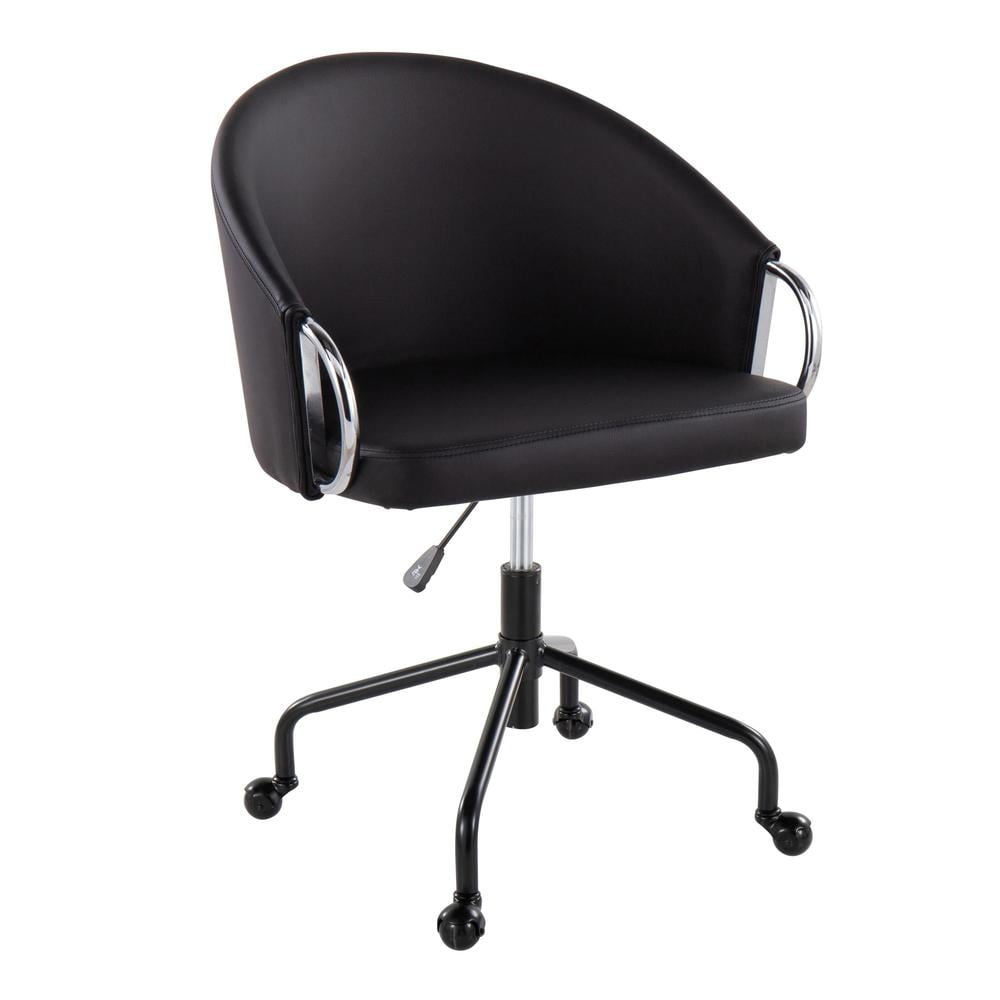
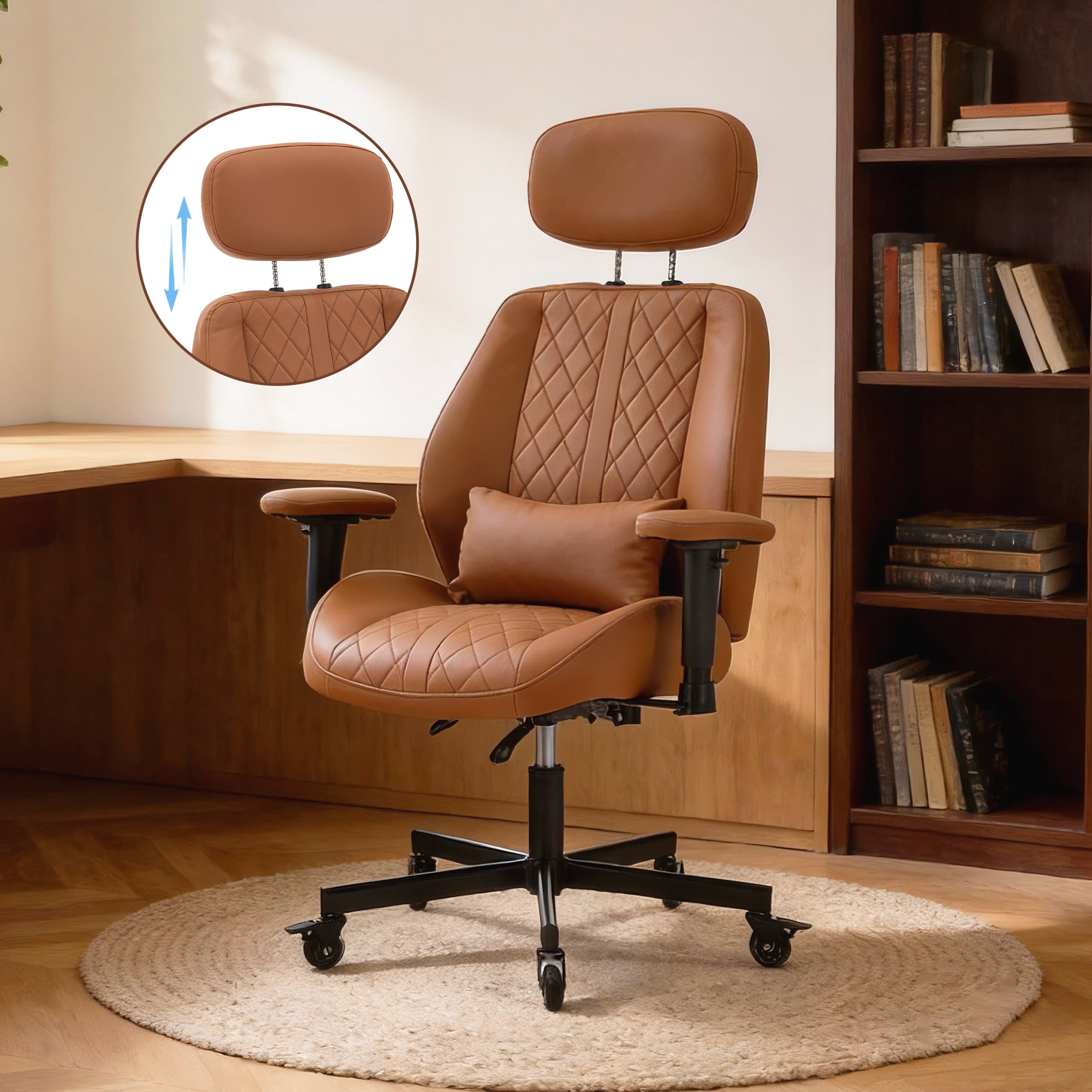
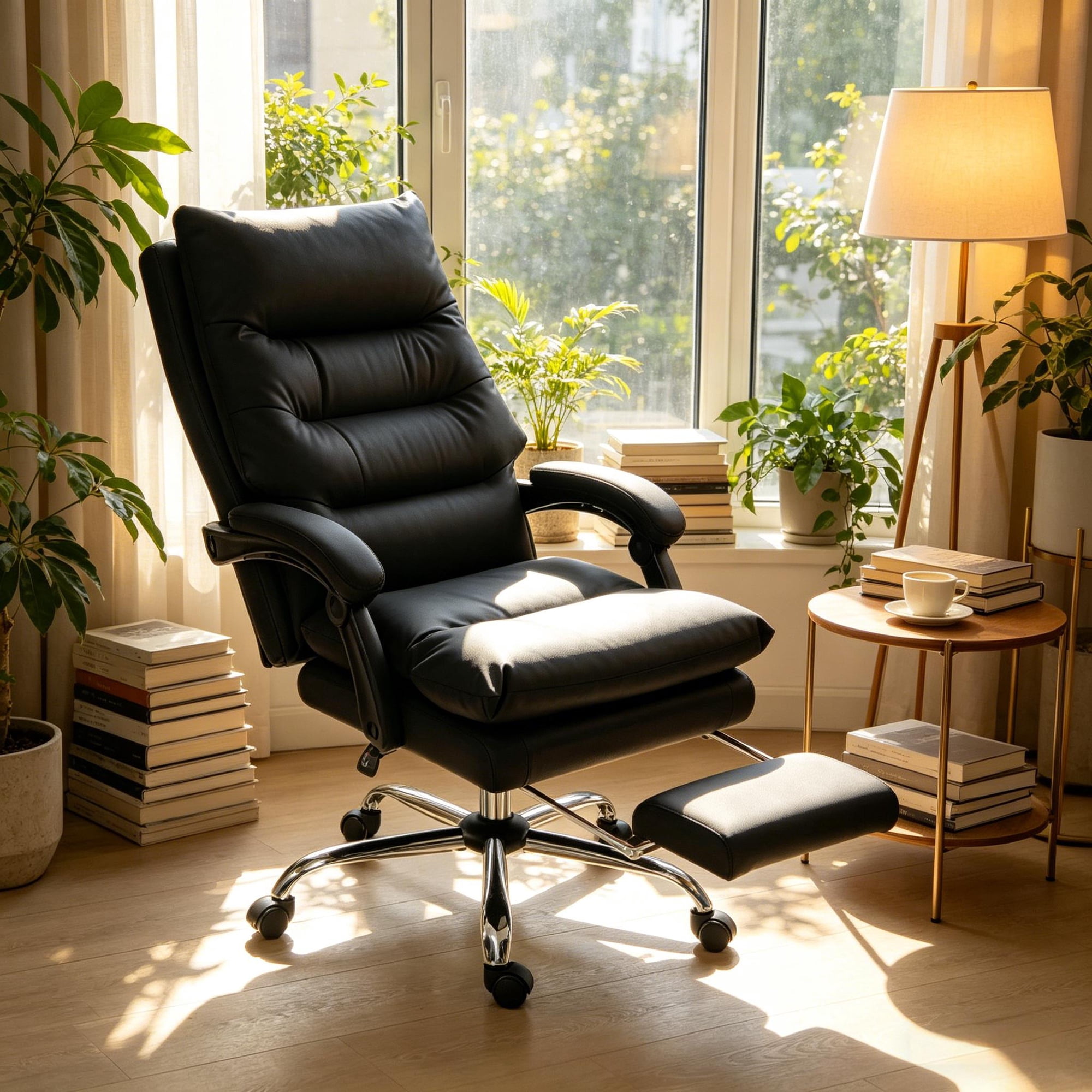
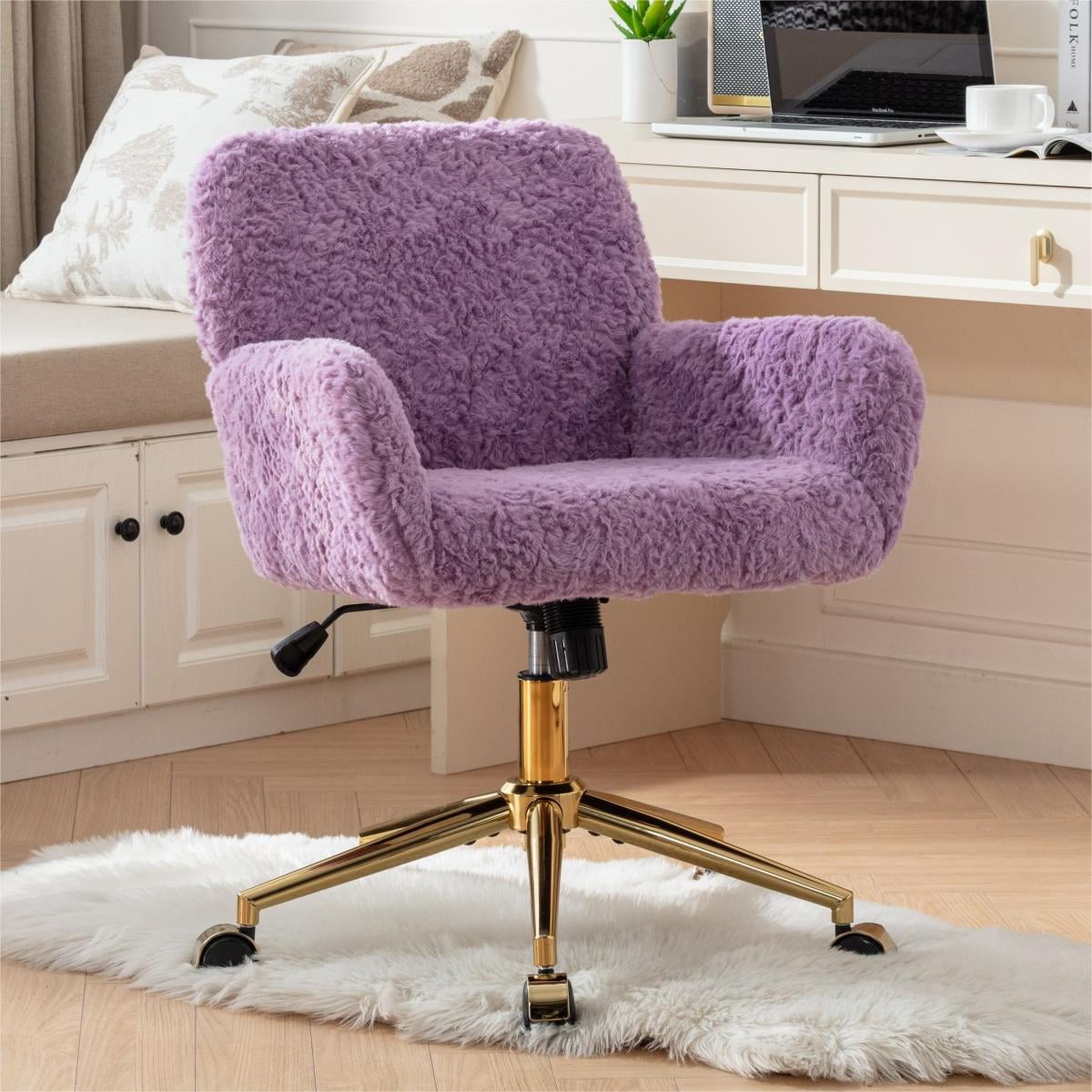
Introduction: Why "Stopping Power" Matters in an Office Chair
Imagine you're deeply focused on a complex spreadsheet, and with a slight shift of weight, your chair rolls backward, breaking your concentration. Or perhaps you're presenting to a client via webcam, and you keep drifting out of frame. This is where an office chair with brakes becomes a game-changer. Often overlooked, locking casters or central brake systems provide the stability of a fixed seat with the flexibility of wheels when you need them. It's like having "parking mode" for your chair.
Did you know? According to a 2023 survey by the Office Ergonomics Research Committee, 38% of remote workers reported that chair instability or unwanted rolling negatively impacted their productivity. Chairs with brakes directly address this friction point.
1. Understanding Chair Brake Systems
Not all brakes are created equal. The technology ranges from simple wheel locks to sophisticated multi-functional levers. Let's break down the primary mechanisms you'll encounter.
• Individual Locking Casters
Each caster wheel has a small flip-lock or push-button that stops the wheel from rotating. These are common in industrial settings but are increasingly found on premium office chairs. You lock them once, and the chair stays put until you unlock them. Think of them like the parking brake on each wheel of a car.
• Central Brake Pedal / Lever System
Inspired by dental and medical chairs, some high-end office chairs feature a foot pedal that, when pressed, engages brakes on all casters simultaneously. This is incredibly convenient if you frequently switch between sitting, standing, or moving around. A simple tap locks you in place; another tap releases you. It's analogous to a "handbrake" but for your chair.
• Auto-Lock / Weight-Activated Brakes
Emerging technology includes casters that automatically lock when they sense weight and release when weight is removed. These are less common but represent the future of "smart" office seating. They ensure the chair is always stable when you sit, and always mobile when you get up.
2. Who Benefits Most from Locking Casters?
While anyone can appreciate a stable chair, certain users find brakes indispensable.
🖥️ Designers & Architects
When drafting at a high table or drawing board, any movement can ruin a steady hand. Brakes provide a solid base.
🦷 Healthcare Professionals
Dentists, surgeons, and therapists need precise positioning without rolling. Locking chairs are a standard in their fields.
🏡 Hardwood Floor Owners
Standard wheels roll too easily on smooth surfaces. Brakes offer resistance, preventing the "drifting" effect.
⚕️ People with Limited Mobility
For those who need extra leverage to stand up, a locked chair provides a stable platform, reducing fall risk.
3. The Safety Factor: Brakes as an Ergonomic Feature
Ergonomics isn't just about lumbar support; it's about the interaction between you and your environment. A chair that rolls away when you try to sit down can cause awkward landings or even falls. Similarly, when you recline, if the chair rolls backward, it creates a moment of instability. Brakes anchor the chair, allowing you to use the recline function safely and confidently. This transforms the chair from a passive object into an active tool that supports your movements.
4. Floor Protection: A Dual Benefit
Locking casters, particularly those made of soft polyurethane, serve a dual purpose. When locked, they grip the floor to prevent sliding. When unlocked, they roll smoothly without marking or denting hardwood, laminate, or tile. Unlike some standard hard plastic casters that can scratch, quality brake casters are floor-friendly. This makes them an excellent choice for home offices where aesthetics matter.
5. Types of Locking Mechanisms: Detailed Comparison
| Mechanism Type | Operation | Best For | Durability |
|---|---|---|---|
| Stem Casters with Side Lock | Manual lever on each caster | Users who lock once and rarely change | Very High (minimal moving parts) |
| Central Foot Pedal | One pedal locks all wheels | Frequent locking/unlocking, multi-user | High (mechanism is protected) |
| Dual-Wheel with Brake | Brake pad inside wheel housing | Smooth floors, modern designs | Medium (can wear over time) |
| Total Lock Casters | Lock both swivel and rotation | Absolute zero movement (e.g., surgical) | High |
6. Installation: Retrofitting vs. Buying New
If you already own a comfortable chair, you don't necessarily need to buy a new one. Brakes can often be added.
- Measure the stem: Most office chairs use a 7/16" or 11mm diameter stem. Check your chair's casters.
- Choose locking casters: Buy a set of four or five locking casters online. Ensure they are rated for your floor type.
- Installation: Simply pull out the old casters (they may require a firm tug) and push in the new locking ones. It's a 5-minute upgrade.
- Cost: A set of quality locking casters ranges from $25 to $60, a fraction of a new chair.
However, if you desire a chair with a central brake pedal or integrated design, purchasing a new chair with that factory feature is the best route.
7. What to Look for When Buying (Checklist)
- Brake Type: Do you prefer individual wheel locks or a central lever? Think about your daily routine.
- Wheel Material: Polyurethane is excellent for hardwood. Nylon is better for carpets. Ensure compatibility.
- Weight Capacity: Verify that the casters and chair base support your weight, especially when locked.
- Ease of Engagement: If possible, test how easy it is to flip the locks. They shouldn't require excessive force.
- Overall Ergonomics: Don't sacrifice back support for brakes. Look for chairs that offer both—adjustable lumbar, seat depth, and armrests.
8. Common Misconceptions About Chair Brakes
Myth: "Brakes make a chair difficult to move."
Fact: When unlocked, quality locking casters roll as freely as non-locking ones. They only engage when you want them to.
Myth: "I don't need brakes because I have carpet."
Fact: While carpets offer more resistance, chairs can still shift, especially on low-pile carpet or when reclining.
Myth: "All locking casters are the same."
Fact: There are significant differences in materials, locking mechanisms (side lock vs. top lock), and load ratings. Choose wisely.
Frequently Asked Questions About Office Chairs with Brakes
Conclusion: Stability is a Superpower
An office chair with brakes is not just a niche product; it's a thoughtful upgrade for anyone who values precision, safety, and uninterrupted focus. Whether you retrofit your current chair or invest in a new model with an integrated system, the ability to "lock in" your position transforms your workflow. It eliminates micro-adjustments and lets your chair become a stable command post. As we spend more time at our desks, small innovations like locking casters make a significant difference in comfort and productivity. Explore the options, match them to your floor type and habits, and experience the confidence of a chair that stays put.