
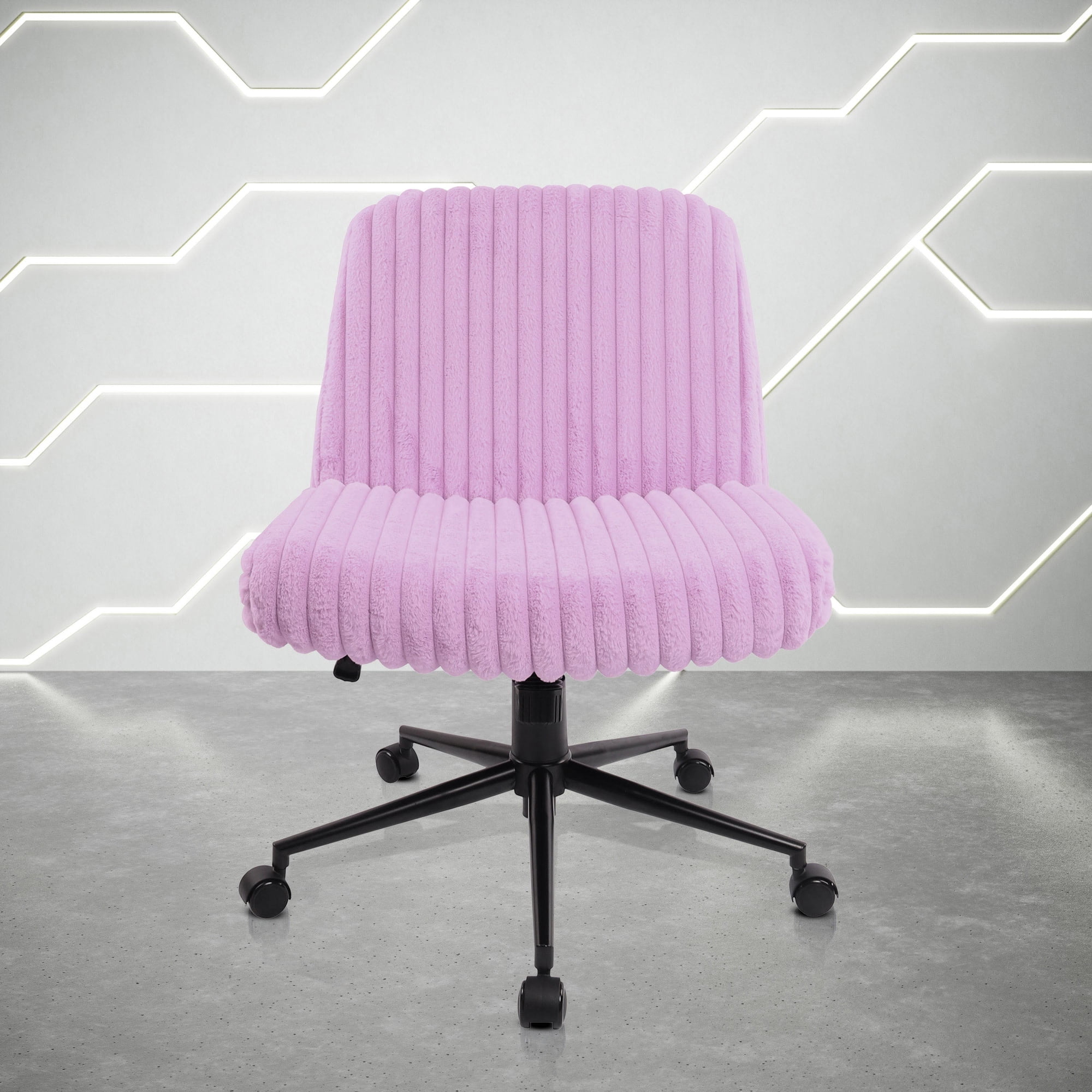
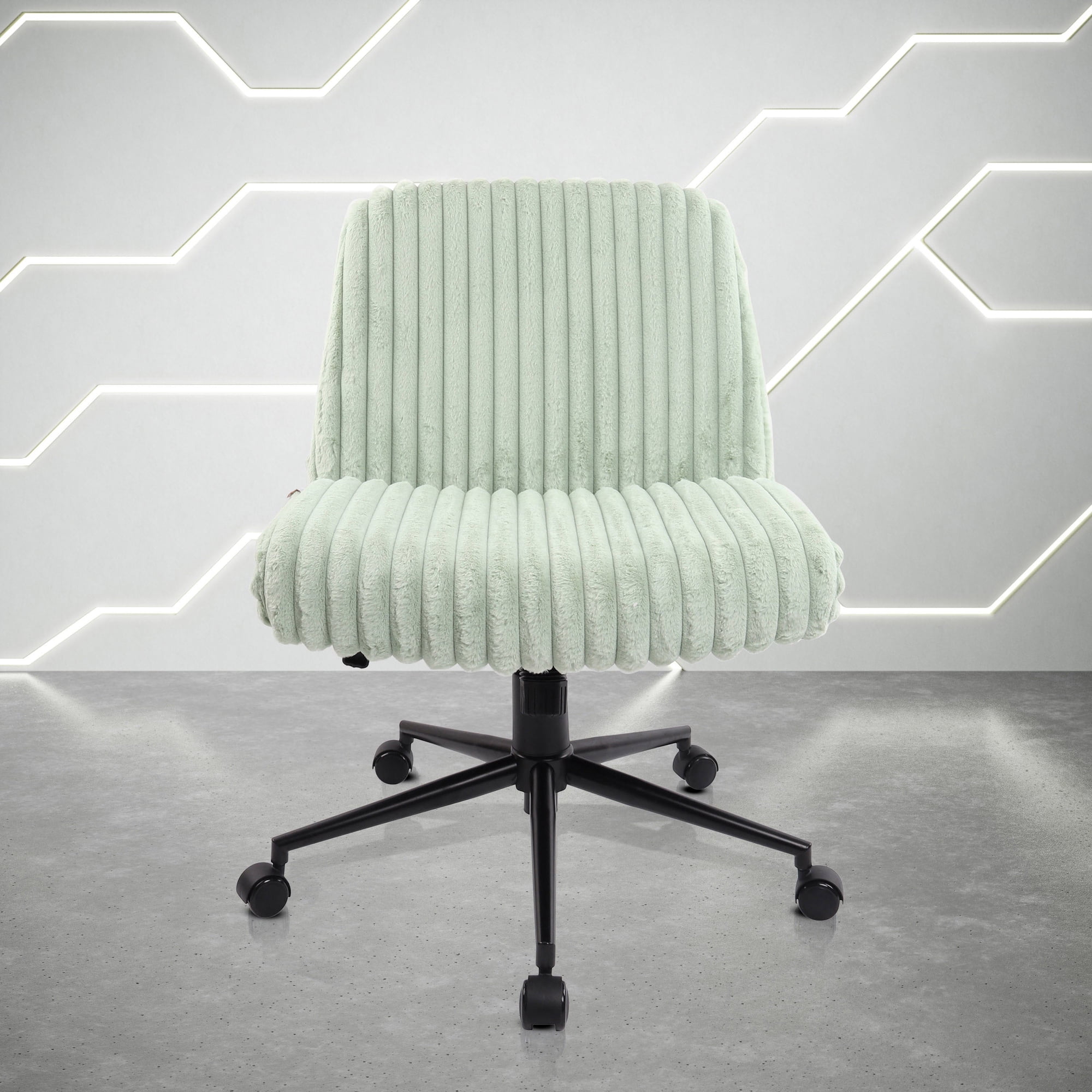
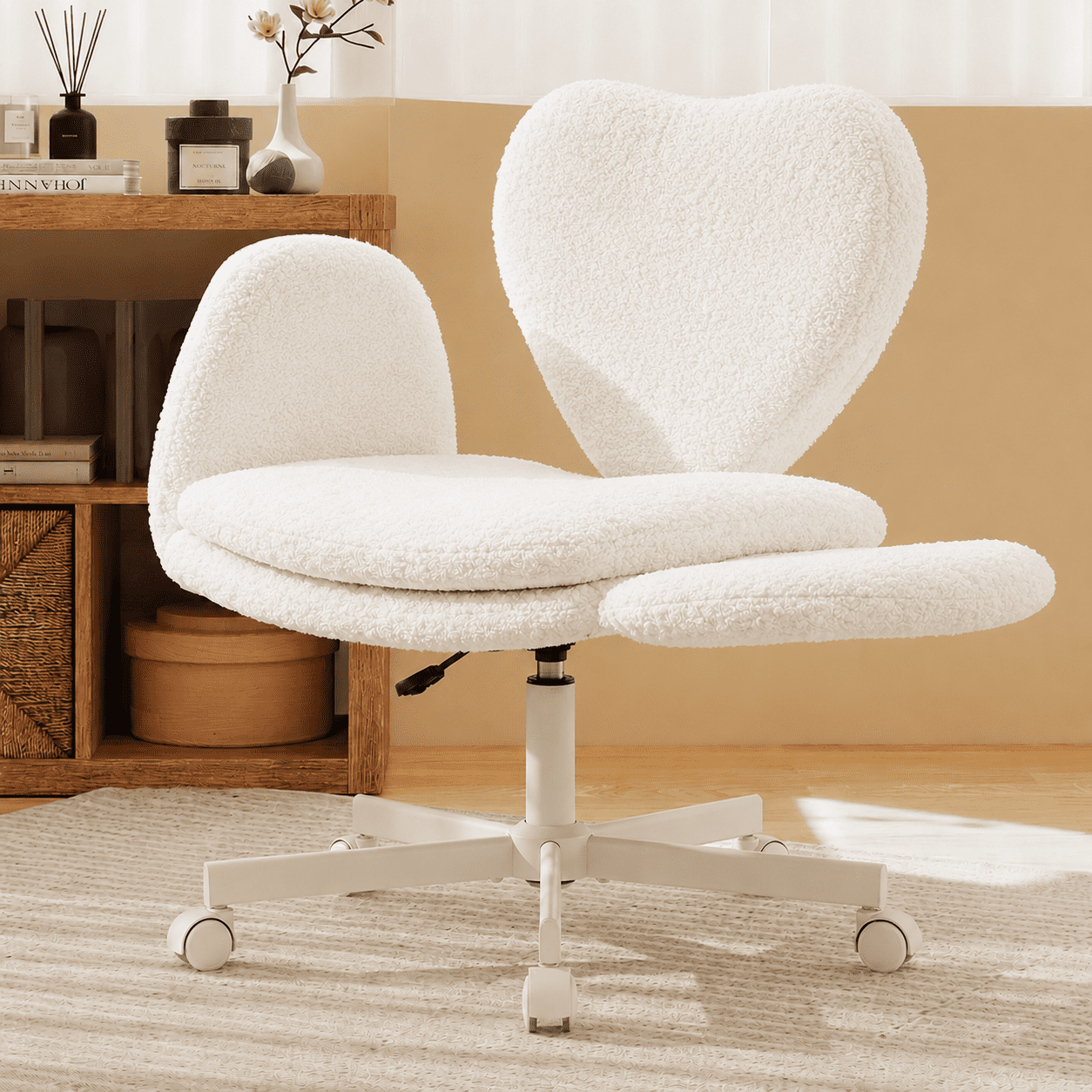
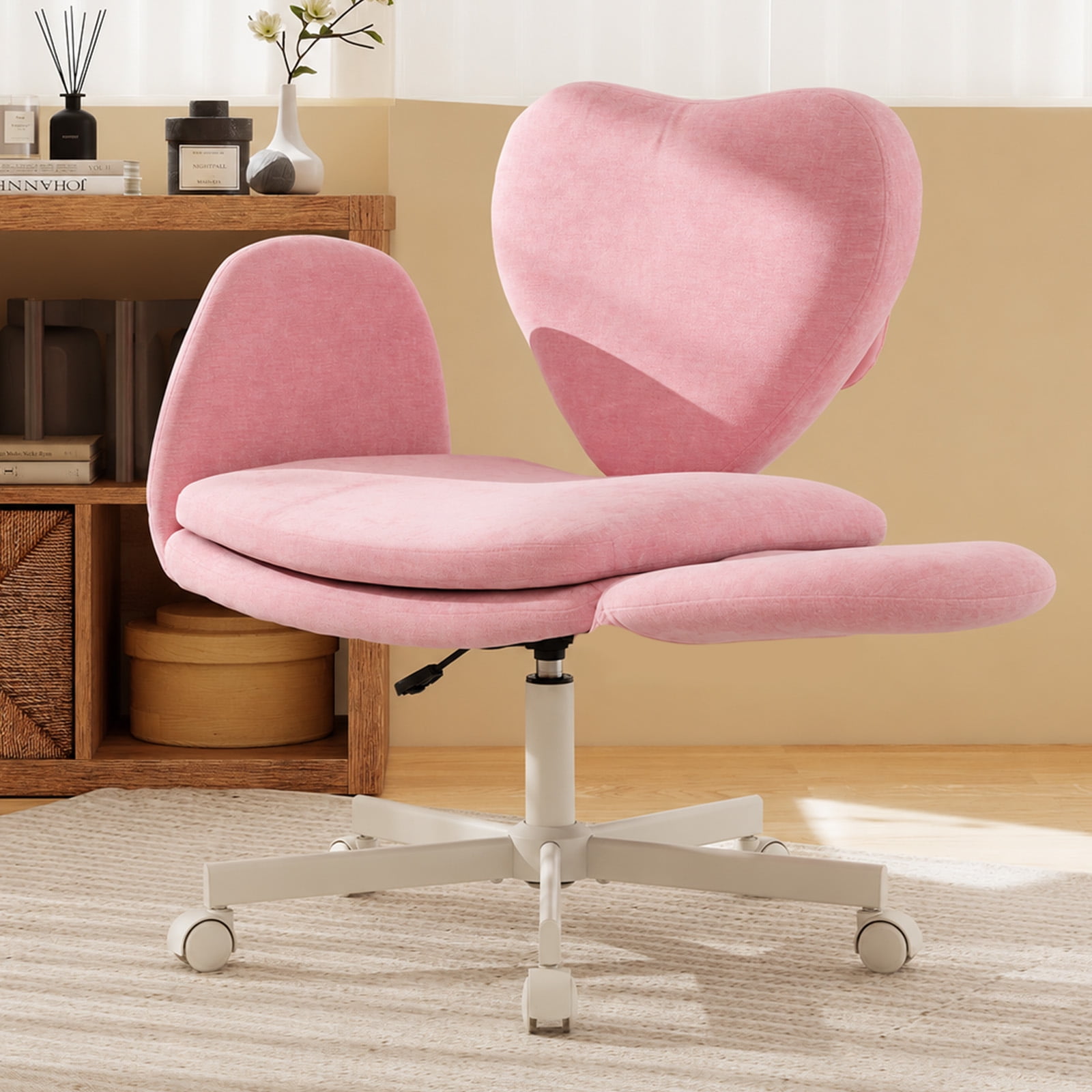
Why "Cross Legged Office Chairs" Are Gaining Popularity
For decades, office chairs forced us into a rigid 90-degree angle. But humans are natural fidgets. Sitting cross legged—whether Indian style, criss-cross, or with one leg tucked—is a deeply ingrained comfort position. According to a recent workplace comfort survey, 62% of remote workers admit to sitting cross legged in their chair at least once a day, often to relieve lower back tension or simply feel more grounded. The problem? Traditional chairs with narrow seats, hard armrests, and unforgiving edges make this position painful. That's why office chairs you can sit cross legged in are no longer a luxury—they're a necessity for flexible, productive workspaces.
Quick insight: The global ergonomic chair market is shifting. A 2023 report by the Office Ergo Association noted a 47% increase in searches for "wide seat office chair" and "criss cross chair," indicating that users want furniture that adapts to them, not the other way around.
Anatomy of a Cross-Legged Friendly Office Chair
Not every wide chair works for cross-legged sitting. The secret lies in five specific design elements that transform a standard task chair into a flexible throne. Understanding these will help you choose a model that supports your hips, knees, and ankles without cutting off circulation.
1. Seat Width and Depth: The Foundation of Freedom
Think of the seat as your basecamp. To sit cross legged comfortably, you need at least 22 inches of seat width (24+ inches is ideal). This gives your thighs room to rest without spilling over the edge. Depth matters too: a shallow seat (around 18-19 inches) allows you to sit back while your knees bend naturally. Avoid overly deep seats that push you forward when you cross your legs.
- Minimum width: 22" (standard is often 19-20")
- Waterfall front edge: prevents pressure behind the knees
- Contoured foam: high-density foam that doesn't flatten after an hour
2. Seat Material & Texture: Breathability is Key
When you sit cross legged, skin contact with the seat increases. Hard leather can become sweaty and sticky, leading to discomfort. Look for breathable mesh, soft fabric, or bonded leather with a matte finish. These materials reduce friction and allow air circulation, keeping you cool. Some chairs now feature cooling gel-infused foam—a bonus for long-term sitters.
3. Armrest Design: Get Out of the Way
Standard armrests often dig into your thighs when you tuck your legs. For cross-legged sitting, consider chairs with flip-up arms, adjustable width, or removable armrests. Flip-up arms (sometimes called "pivot arms") let you lower them completely when you want to sit cross legged, then raise them for typing support. This flexibility transforms a single chair for multiple postures.
4. Backrest Flexibility: Movement Matters
Sitting cross legged shifts your pelvis. A rigid backrest might create a gap. Opt for chairs with synchronous tilt or a flexible back that moves with you. A mesh back with built-in lumbar support that adjusts independently is ideal—it maintains spinal curve even when your legs are crossed.
5. Weight Capacity & Stability
Because cross-legged sitting concentrates your weight on a smaller area (the sit bones), the chair base must be rock-solid. Look for a 350 lb minimum weight capacity and a wide five-point base with sturdy casters. This ensures the chair won't tip when you shift weight to one side.
Interestingly, a small study by the Human Factors and Ergonomics Society found that participants who used chairs allowing varied postures (including cross-legged) reported 34% less perceived lower back fatigue after 6 hours of work compared to those restricted to a 90-degree posture.
Quick Comparison: Traditional vs Cross-Legged Friendly Chair
| Feature | Traditional Office Chair | Cross-Legged Friendly Chair |
|---|---|---|
| Seat Width | 19-20 inches | 22-26 inches |
| Armrests | Fixed / width limited | Flip-up / adjustable |
| Seat Edge | Hard, squared | Waterfall, soft foam |
| Back Flexibility | Limited recline | Dynamic, pelvic support |
| Material | Stiff leather | Breathable fabric/mesh |
Health & Productivity Benefits of Cross-Legged Sitting
Who Benefits Most?
While anyone can enjoy these chairs, they're particularly popular among:
- Yoga practitioners / wellness coaches who prefer natural postures.
- Tall individuals who need extra seat width.
- People with hip or knee stiffness who find traditional sitting painful.
- Creative professionals who like to work in non-standard positions.
Choosing Your Ideal Cross-Legged Chair: A Step-by-Step Guide
Material Deep Dive: What Works Best for Cross-Legged Sitting?
✅ Fabric / Textile
- Breathable, soft, no sticking
- Available in wide widths
- Often more affordable
- Some are stain-resistant
❌ Leather / Bonded Leather
- Can get sticky/hot
- May crack over time
- Harder surface for knees
- Less forgiving on edges
Verdict: For primary cross-legged use, high-quality fabric or mesh is the top choice. If you need leather for aesthetic, look for "soft touch" or "supple" leather with a matte finish and extra give.
Frequently Asked Questions: Sitting Cross Legged in Office Chairs
Conclusion: Freedom to Sit Your Way
Your office chair should be a tool for productivity, not a cage. Office chairs you can sit cross legged in represent a shift toward human-centric design—acknowledging that comfort is personal and postures vary. By prioritizing seat width, flexible armrests, breathable materials, and solid support, you can find a chair that lets you work the way your body naturally wants to. Whether you're answering emails with legs tucked or brainstorming in a half-lotus, the right chair makes all the difference.
Final recommendation: Start by identifying your non-negotiables (flip-up arms? extra width?) and then explore the product grid above. Test the adjustments, read reviews, and remember: the best chair is the one you forget you're sitting in.