
Why Your Spine Deserves a High Back Chair with Lumbar Support
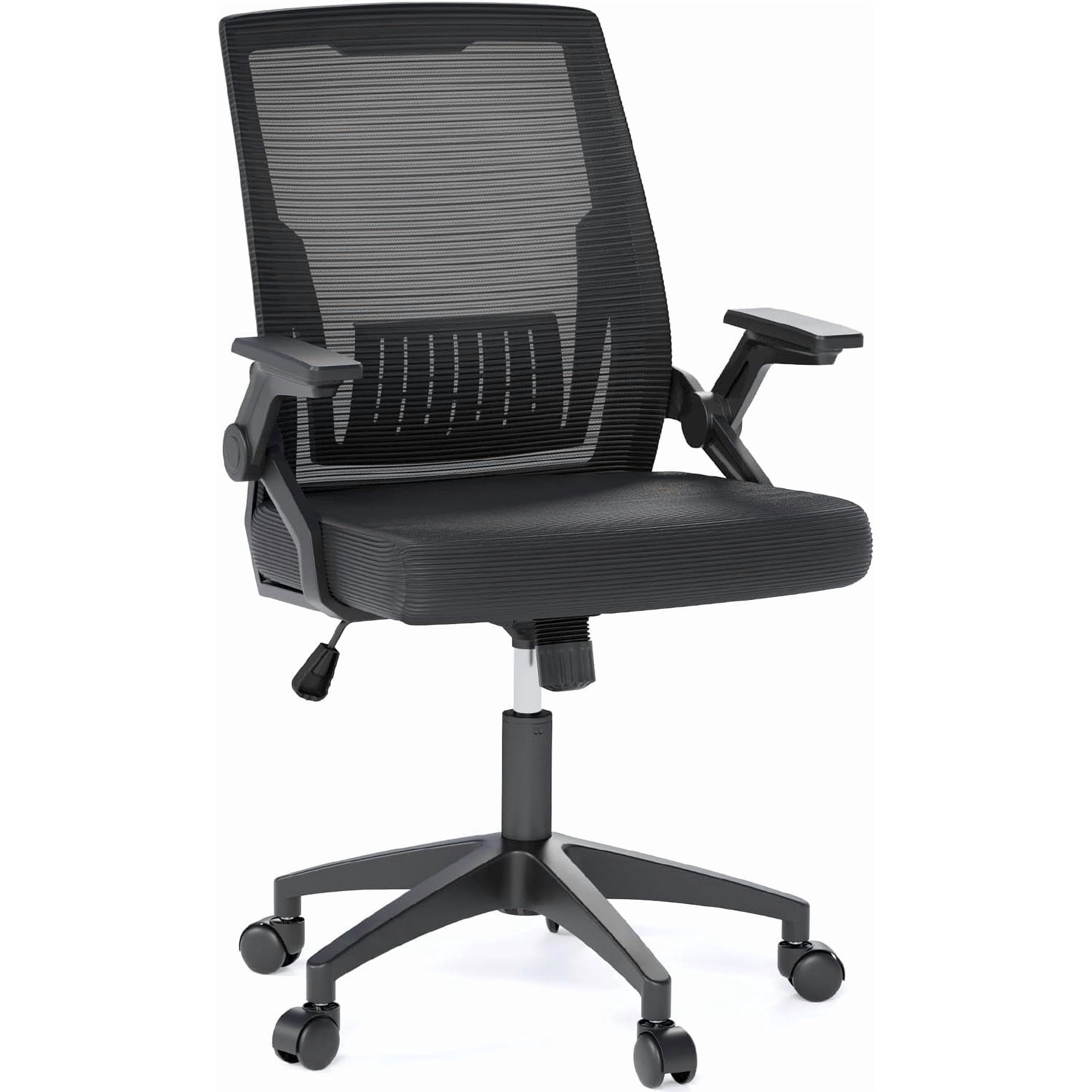
Think of your spine as a carefully stacked column of bricks. Without the right support, that column begins to lean, the "mortar" (your discs) wears unevenly, and eventually, pain signals flare. A high back office chair with lumbar support acts like a custom-built scaffold, keeping every vertebra in its natural alignment. Unlike low-back chairs that stop at mid-back, a high-back design cradles the entire thoracic and lumbar regions, distributing pressure and preventing the dreaded "slump."
Ergonomic research insight: The British Journal of Sports Medicine found that workers using chairs with adequate lumbar support reported 54% less low-back discomfort by the end of the workweek. Your chair isn't furniture; it's your primary wellness tool.
Anatomy of Effective Lumbar Support: Beyond a Simple Pillow
Not all lumbar supports are created equal. A simple foam bump might feel good for ten minutes, but true ergonomic support involves adjustability and contour. Here’s what to look for:
- Height-adjustable lumbar mechanism: Allows you to position the curve exactly where your lumbar spine (L1-L5) resides — typically 6 to 10 inches above the seat.
- Depth adjustment (inflatable or mechanical): Lets you control how much the support pushes into your back. Too much pressure is as bad as too little.
- Dynamic, flexible frame: Some high-back chairs feature a split back or flexible frame that moves with you as you lean, maintaining constant lumbar contact.
- Contoured, not flat: A slight “S” shape mimics the spine’s natural curvature, providing even support from the pelvis to the upper back.
High Back vs. Mid Back: Why Height Matters for Lumbar Health
Imagine wearing a seatbelt that only covers your lap — it’s better than nothing, but in a sudden stop, your upper body flies forward. A mid-back chair supports only the lower back; when you lean back, your upper back and shoulders are unsupported, leading to forward head posture and rounded shoulders. A high back office chair with lumbar support includes a tall backrest (often with an integrated or optional headrest) that supports the entire spine, encouraging you to recline occasionally without losing alignment. This reduces the load on lumbar discs by up to 30% when reclined at 110-120 degrees, according to spine specialists.
Material Matters: Mesh, Fabric, or Leather for Lumbar Support
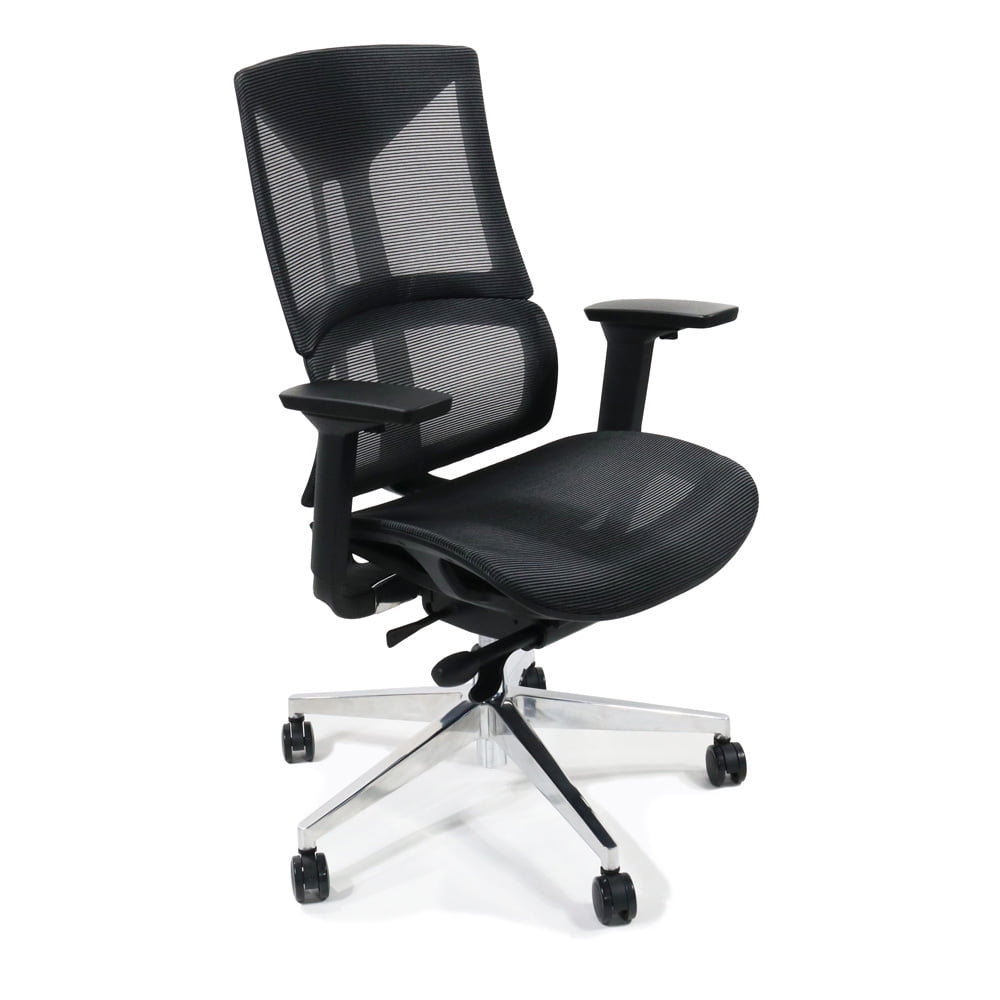
Breathable Mesh
- • Excellent air circulation, keeps back cool
- • Tensioned mesh conforms to spine’s micro-movements
- • Usually lightweight and modern looking
- • Best for: all-day sitting, hot climates, people who prefer a flexible "hammock" feel
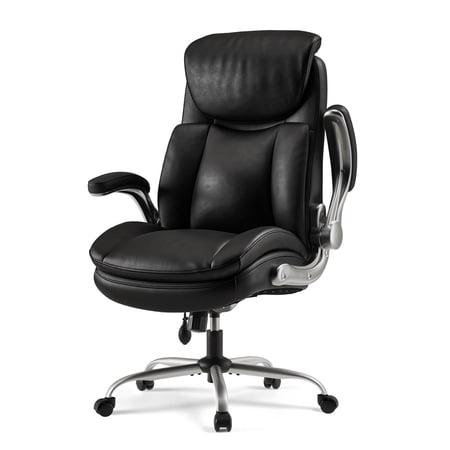
Premium Leather/Fabric
- • Leather offers structured, firm lumbar support
- • High-density foam provides consistent pressure distribution
- • Fabric is cozy and quiet, often with padded lumbar
- • Best for: executive settings, colder environments, those wanting a plush, hugging feel
Pro tip: If you choose leather for a high-back chair, look for models with perforated inserts or a mesh lumbar region to combine breathability with luxury.
5-Step Selection Guide: Find Your Perfect Match
1. Measure Your Torso and Seat Height
With your back against a wall, measure from the seat pan (sitting bone level) to the top of your shoulders. A true high back should reach at least your shoulder blades. Also ensure the chair’s minimum seat height allows your feet to rest flat (usually 16-21 inches).
2. Evaluate Lumbar Adjustability Range
While seated, ask someone to mark the point of your lumbar curve. Check if the chair’s lumbar mechanism can be raised/lowered to that exact spot. Depth adjustment is a bonus — you should feel light pressure, not poking.
3. Check the Recline and Tilt Tension
A high-back chair should allow you to recline while keeping the lumbar support in contact with your back. Look for synchronized mechanism or a separate lumbar that moves with the backrest.
4. Test the Seat Depth
Sit fully back. You should have 2-3 finger widths between the back of your knee and the seat edge. Adjustable seat depth is critical for maintaining that lumbar contact without cutting off circulation.
5. Consider Your Weight and Build
Larger frames require wider backrests and higher weight capacity (400 lbs+). Narrower builds may prefer chairs with more contouring. Always check the manufacturer’s recommended user height range.
Health Benefits: More Than Just Comfort
Frequently Asked Questions About High Back Chairs & Lumbar Support
Conclusion: Invest in Your Spine, Reap Productivity
Choosing a high back office chair with lumbar support is a declaration that your long-term health matters. It’s the difference between leaving work exhausted and leaving work with energy to spare. Use the guide above to test chairs personally, focusing on adjustability and fit. Remember: the most expensive chair is worthless if it doesn’t match your unique spinal curves. Prioritize function, then style — your back will thank you for decades.