
Why Your Next Chair Needs Cooling Technology
Imagine sitting in your office chair on a warm afternoon. After just an hour, you feel that familiar sticky warmth building up on your back and thighs. You shift uncomfortably, trying to find a cooler spot, but the heat keeps distracting you. This isn't just about comfort—it's about focus and productivity. An office chair with cooling is designed to solve this exact problem, acting like a personal climate control system for your seat.
Just as a high-performance laptop needs ventilation to run smoothly, your body needs a chair that breathes. Standard foam and leather chairs can trap heat, leading to discomfort, sweat, and even skin irritation. Cooling chairs use advanced materials and designs to actively or passively draw heat away, keeping you dry and comfortable so you can concentrate on what matters.
The Science of Staying Cool: How Cooling Office Chairs Work
Not all cooling is created equal. Manufacturers use several innovative methods to keep you comfortable. Think of it like choosing between a breathable cotton shirt and a high-tech athletic fabric that wicks sweat away. Both keep you cool, but they work differently. Here are the primary technologies you'll encounter.
1. Passive Cooling: Breathable Mesh & Airflow Design
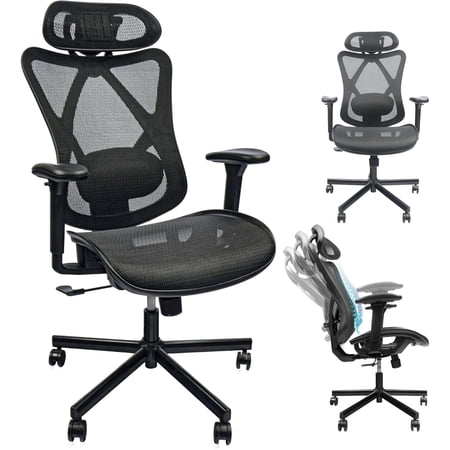
The most common and effective passive cooling method is a breathable mesh backrest. Instead of solid foam or upholstery, the back is made of a stretched, porous fabric that allows air to circulate freely. When you lean back, your body heat escapes, and cool air replaces it. Some chairs extend this concept to the seat pan using a "suspension" mesh, though often a foam seat with a breathable cover is used for comfort. This is like sitting in a well-ventilated porch—constant airflow prevents heat buildup.
- High-tensile mesh: Offers durability and consistent tension, supporting your back while letting air pass through.
- Open-frame back design: Some chairs have minimal back padding with a frame that promotes maximum airflow.
- Breathable fabric covers: Chairs with high-quality polyester or olefin fabrics are more breathable than leather or vinyl.
2. Active Cooling: Phase-Change Materials (PCM) & Gel Infusion
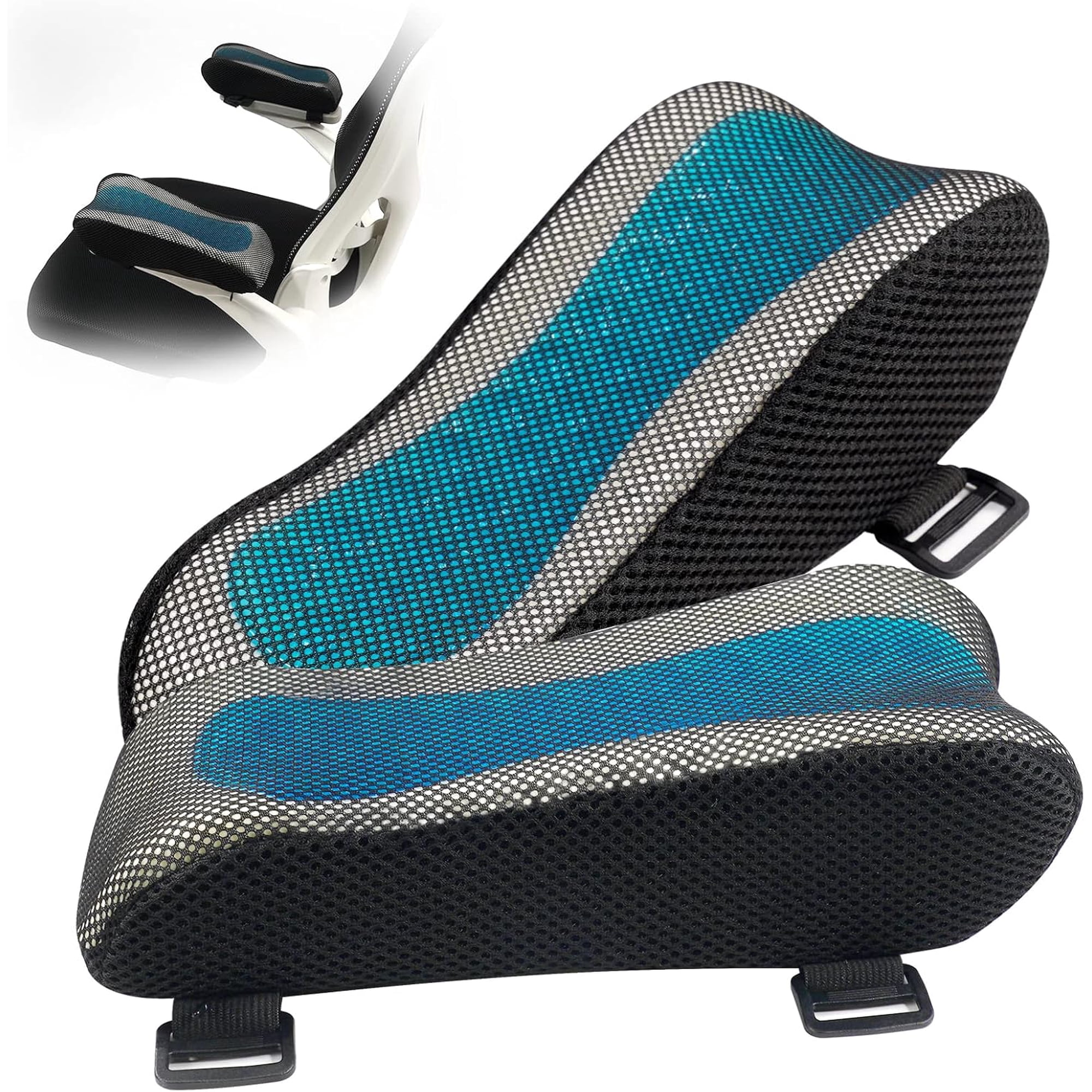
This is where things get high-tech. Imagine a material that absorbs heat when you sit on it and releases it when you get up—that's the magic of phase-change materials (PCM). Originally developed for NASA, PCMs are microscopic capsules embedded in the foam that melt at a specific temperature (around skin temperature), absorbing excess heat in the process. Similarly, gel-infused memory foam uses gel beads or layers to draw heat away from your body, keeping the foam surface noticeably cooler.
⚡ Phase-Change Material (PCM)
How it works: Microcapsules absorb heat as they change from solid to gel-like state, actively pulling warmth away from your body.
Best for: Consistent, long-lasting temperature regulation without moving parts.
🧮 Gel-Infused Foam
How it works: Gel beads or a top layer of gel enhance thermal conductivity, wicking heat away from the surface.
Best for: Immediate cooling sensation and reducing heat buildup in the seat cushion.
3. Active Ventilation: Built-in Fans
For the ultimate in personalized cooling, some high-end chairs feature built-in, whisper-quiet fans. These fans actively draw warm, moist air away from your back and seat and exhaust it out the sides or bottom of the chair. It's like having a small, dedicated air conditioner for your chair. While they require power (usually via USB), they provide unmatched, adjustable cooling on demand.
- Adjustable fan speeds: Allows you to control the cooling intensity.
- Ergonomic integration: Fans are designed not to interfere with the chair's comfort or support.
- Low noise: Premium models use fans quiet enough for a library or open-plan office.
Who Benefits Most From a Cooling Office Chair?
While anyone can appreciate a cooler seat, specific groups find these chairs transformative:
- Professionals in warm climates: If your office lacks powerful AC, a cooling chair is a game-changer.
- Individuals who experience night sweats or hot flashes: The constant cooling provides relief and prevents mid-day discomfort.
- Gamers and intensive computer users: Long sessions generate body heat; cooling chairs prevent fatigue and distraction.
- People with back pain exacerbated by heat and sweat: Staying dry reduces skin irritation and keeps you focused on posture.
Did You Know? A study on thermal comfort in the workplace found that employees with access to personally controlled temperature environments (like a cooling chair) reported a 35% increase in perceived focus and a 28% reduction in discomfort-related task switching.
Key Features to Look For in a Cooling Chair
When shopping for your office chair with cooling, don't just look for the word "cooling." Dig deeper to understand the technology and ensure you're getting a quality product that also supports your body.
| Feature | Why It Matters for Cooling | What to Look For |
|---|---|---|
| Back Material | Determines airflow to your entire back. | Breathable mesh (preferably high-tensile, 3D mesh). Avoid solid backs with minimal perforation. |
| Seat Cushion Technology | Prevents heat buildup where you sit. | Gel-infused foam, PCM layers, or a mesh seat suspension system. |
| Upholstery | Surface material affects heat retention. | Breathable fabric (e.g., high-quality polyester) over leather or bonded leather. |
| Active Cooling System | Provides powered, on-demand airflow. | USB-powered, multi-speed fans with quiet operation. |
| Ergonomic Adjustments | Ensures cooling features work effectively while you maintain good posture. | Adjustable lumbar support, seat depth, and tilt tension—same as any quality ergonomic chair. |
Common Myths About Cooling Office Chairs
Let's clear up a few misconceptions. Some people worry that a chair with cooling might be less durable, or that mesh will sag over time. Modern engineering has addressed these concerns. High-quality mesh is rigorously tested for tens of thousands of sitting cycles. Gel-infused foams are just as durable as standard foams. Active fan systems are built with industrial components. Another myth is that "cooling" means the chair will feel cold to the touch. In reality, these technologies work to maintain your body's natural temperature, preventing overheating rather than making you shiver.
Frequently Asked Questions About Office Chairs With Cooling
Conclusion: Invest in Cool Comfort for Peak Performance
Choosing an office chair with cooling is a proactive step toward enhancing your daily work life. It's not just a luxury; for many, it's a necessity for maintaining focus, comfort, and even skin health. By understanding the different technologies—from breathable mesh and gel infusion to active fan systems—you can select a chair that perfectly matches your body's needs and your work environment.
Remember that cooling features should never come at the expense of ergonomic support. The best chairs integrate these technologies seamlessly, offering both a climate-controlled seating experience and the adjustable support your body needs to stay healthy and pain-free. Whether you're tackling a complex project or powering through back-to-back meetings, a cooling chair ensures that discomfort from heat is one less thing you have to worry about.
Final Thought: Think of a cooling chair as an investment in your daily energy. By eliminating the distraction of heat and sweat, you preserve mental energy for the tasks that truly matter. Stay cool, stay comfortable, and let your best work shine.