
The Executive Advantage: Why Your Chair Matters More Than You Think
Think of your executive office desk chair not just as a place to sit, but as a strategic tool. Just as a leader relies on accurate data and a strong team, they need a reliable foundation—literally. A premium chair is the platform from which you lead meetings, negotiate deals, and map out the future of your business. It silently communicates your standards and, more importantly, safeguards your most valuable asset: your health. A chair that fights against you can lead to fatigue, poor focus, and chronic pain, subtly undermining your performance day after day. Investing in the right chair is investing in your longevity as a leader.
📊 The Leadership Impact: A study in the *Journal of Corporate Health* found that executives using fully adjustable, ergonomic chairs reported a 28% reduction in daily physical fatigue and a 15% improvement in self-reported concentration levels by the end of the work week.
Deconstructing the Throne: The Anatomy of a True Executive Chair
Not every big, black chair is an executive chair. True executive office desk chairs are engineered with specific components that work in harmony. Let's break down the key anatomical parts and what they mean for you.
1. The Foundation: Base and Casters
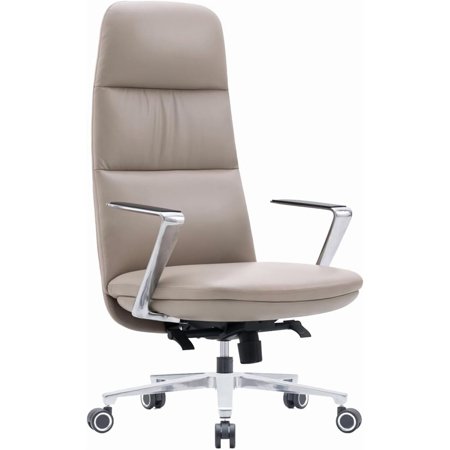
This is the unsung hero of stability and mobility. A quality executive chair almost always features a five-point base, often made of polished aluminum or heavy-duty nylon. This design prevents tipping, even during active leaning. The casters (wheels) should match your floor type—hard casters for carpet, soft rubber blades for hardwood or tile—to ensure smooth, silent movement across your office.
- Aluminum base: Offers a premium look and maximum durability.
- Nylon base: A strong, lightweight, and more cost-effective option.
- Carpet casters: Hard treads that roll easily on thick pile.
- Hardwood floor casters: Soft, non-marking treads to protect sensitive surfaces.
2. The Gas Lift: Height and Beyond
The pneumatic cylinder, or gas lift, is what allows you to adjust the seat height. But in premium chairs, it's more robust. Look for a Class 3 or Class 4 gas lift. These are rated for higher cycles and heavier weights, ensuring your chair won't sink unexpectedly. A proper height adjustment allows your thighs to be parallel to the floor, with your feet flat—the cornerstone of good posture.
3. The Seat Pan: Your Base of Support
The seat pan must do two things: support and distribute weight. High-density, cold-cured foam is the gold standard. It resists sagging and maintains its shape for years. A crucial feature here is seat depth adjustment (slider mechanism). This allows you to move the seat forward or backward, ensuring there are 2-3 finger widths of space between the back of your knee and the seat edge. This prevents pressure on the sciatic nerve and promotes healthy circulation. A "waterfall edge" (a gentle downward curve at the front of the seat) further enhances leg comfort.
4. The Backrest: High-Back vs. Mid-Back
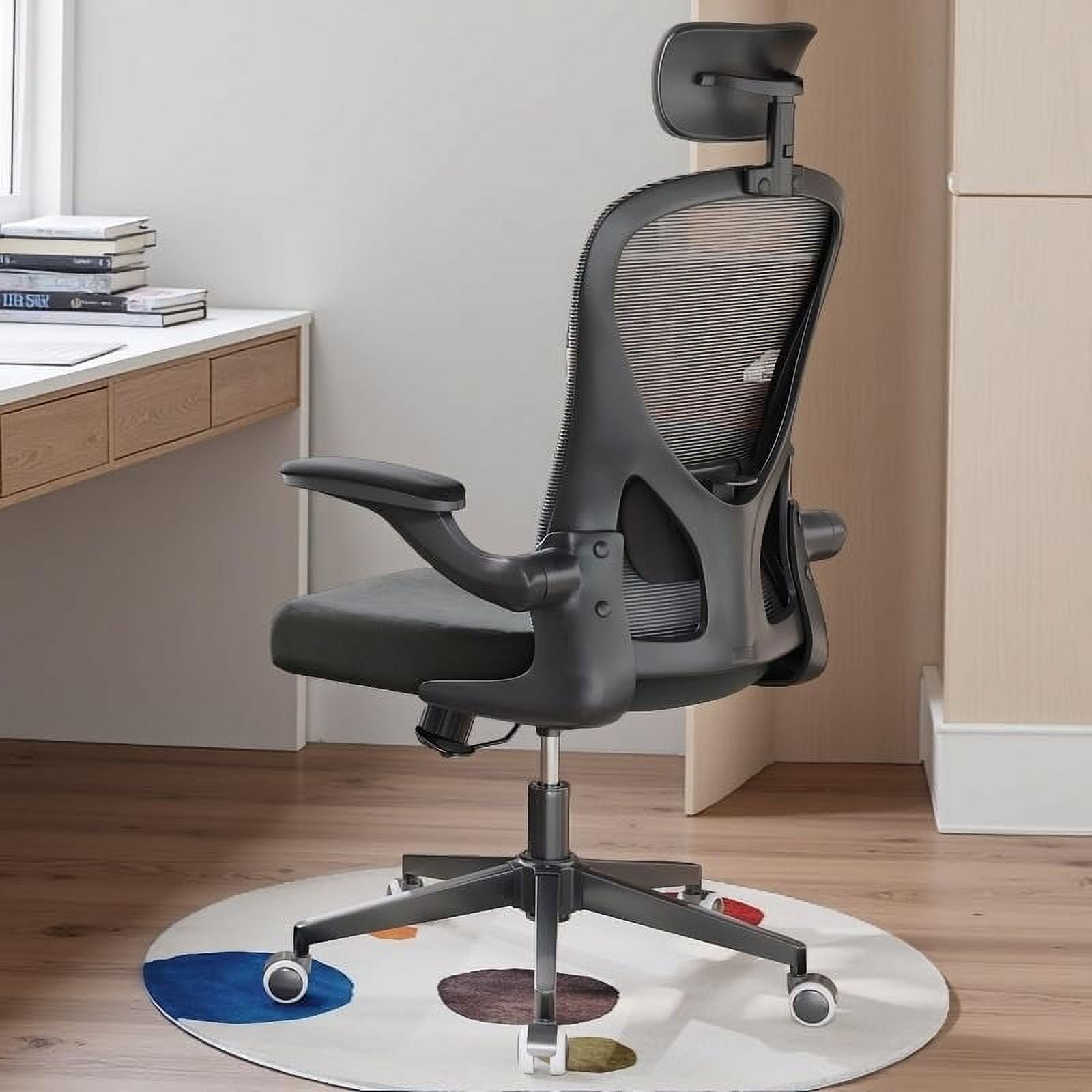
Executive office desk chairs are traditionally high-back. This design provides support not just for the lumbar curve, but for the entire thoracic spine (upper back) and shoulders. It creates a solid, supportive "cradle" that encourages you to sit tall. Mid-back chairs are common for task work, but a high-back is the definitive mark of an executive chair, especially one designed for long periods of strategic thought and client meetings. Some high-end models include an integrated, adjustable headrest for moments of deep thought or reclining.
5. The Lumbar System: The Core of Comfort
This is arguably the most critical ergonomic feature. Static lumbar support is not enough. A true executive chair offers adjustable lumbar support. The best systems allow you to adjust both the height (to align with the curve of your spine) and the depth (how much it pushes into your back). This dynamic support maintains the spine's natural S-curve, preventing the slouching that leads to back pain and fatigue.
6. The Armrests: 4D is the Standard
Armrests are often an afterthought, but they are vital for supporting your arms and taking the load off your shoulders and neck. The modern executive standard is 4D armrests, which adjust in four directions: up/down, forward/back, left/right (pivot), and width. This allows you to position them perfectly so your elbows rest at a 90-degree angle with relaxed shoulders, whether you're typing, reading, or on a video call.
7. The Mechanisms: Syncro-Tilt and More
The control mechanism dictates how the chair moves with you. A basic tilt mechanism simply rocks the chair. A knee-tilt mechanism pivots from a point near your knees, lifting your legs slightly as you recline. However, the premium choice for executives is synchronized tilt. This mechanism allows the seat and backrest to move together at a specific, ergonomically sound ratio (often 2:1 or 3:1, meaning for every 3 degrees the back reclines, the seat rises 1 degree). This keeps you in a natural, supported posture throughout the entire recline range.
Your Personal Fit: A 4-Step Executive Chair Selection Process
Finding your perfect chair is a process of matching your body and work style to the chair's anatomy. Follow these steps:
Step 1: The Body Measurement Audit
Do this: Measure your height and know your weight. While sitting, measure the distance from the floor to the back of your knee (popliteal height) and from your sitting surface to your shoulder.
Why it matters: Your popliteal height determines the correct seat height range. Your torso length determines if you need a high back and where the lumbar support needs to hit. Your weight guides the required chair weight capacity—always choose a chair rated for at least 20% more than your weight for a safety and durability margin.
Step 2: The Daily Task Analysis
Do this: Track your typical day. Are you in back-to-back video calls (need quiet casters, a professional look)? Do you spend hours analyzing reports (need advanced lumbar support and seat depth adjustment)? Do you frequently lean back to think (need a synchronized tilt mechanism with good tension control)?
Why it matters: A chair that's perfect for a programmer might be wrong for a CEO who hosts many meetings. Match the chair's strengths to your primary activities.
Step 3: The Material Selection
Do this: Consider your environment and personal style.
- Leather (Top-Grain/Full-Grain): Best for corner offices, client-facing roles, and those who want a classic, prestigious look that softens and ages beautifully. Requires occasional conditioning.
- Premium Mesh: Ideal for warmer climates, modern office aesthetics, and executives who prioritize breathability above all else. Offers excellent support but a different tactile feel.
- High-End Fabric: A great choice for a softer, warmer feel. Offers incredible color and texture options. Look for solution-dyed or stain-resistant fabrics for easier maintenance.
Step 4: The "15-Minute Test" (Virtually or In-Person)
Do this: Before committing, sit in the chair (or thoroughly research reviews from people with your body type) for at least 15 minutes. Adjust every single lever and knob. Simulate your work—type, lean back, rest your arms.
Why it matters: Comfort is subjective. A feature list on paper can't tell you how the lumbar curve hits your back or how the armrest padding feels. Trust your body's feedback above all else.
The Health Dividend: More Than Just Comfort
Choosing a chair with these anatomical features isn't about luxury; it's about long-term health. Proper support can help mitigate the risks associated with sedentary work, which include musculoskeletal disorders, reduced circulation, and metabolic slowdown. By promoting movement (through a good recline mechanism) and maintaining spinal alignment, a quality executive chair acts as a form of daily, passive healthcare. It's an investment that pays dividends in both your professional performance and personal well-being.
Frequently Asked Questions About Executive Office Desk Chairs
Conclusion: Your Chair, Your Command Center
Selecting an executive office desk chair is a significant decision that blends personal comfort, professional image, and long-term health. By understanding the anatomy of a quality chair—from its robust base to its sophisticated lumbar system—you can move beyond aesthetics and make a choice based on genuine performance. Use the 4-step selection process as your guide, and prioritize the features that align with your body and your daily leadership demands. Remember, this chair is more than furniture; it's the command center from which you lead. Choose wisely, and let your seating support your success for years to come.