
Introduction: Why "One Size Fits All" Fails Tall Users
If you are 6'2" or taller, you have likely experienced the frustration of an office chair that feels like it was built for someone else. The backrest ends mid-spine, the seat pan cuts off circulation to your thighs, and the headrest, if present, jabs you between the shoulder blades. This isn't just uncomfortable—it is a recipe for chronic pain and long-term postural issues. According to a study published in the journal *Applied Ergonomics*, nearly 78% of tall workers report discomfort when using standard office seating, primarily due to improper fit.
An ergonomic office chair for tall person is not a luxury; it is a necessity. It is the difference between leaving work feeling energized or battling lower back tightness and neck stiffness. This guide is designed to walk you through the specific anatomical needs of tall users and help you select a chair that supports your body's unique proportions, enhancing both your comfort and productivity.
Anatomy of the Perfect Ergonomic Chair for Tall Individuals
Selecting a chair for a tall frame requires looking beyond standard specs. We must focus on dimensions that accommodate longer limbs and taller torsos. Think of it like buying a suit: off-the-rack rarely fits perfectly; you need something tailored to your measurements. The same principle applies to your office throne.
1. The Critical Dimensions: Seat Height, Depth, and Backrest Length
These three measurements are the holy trinity for a tall person's seating comfort. Let's break them down:
- Seat Height Range: Standard chairs typically offer a seat height of 16-21 inches. For tall individuals, you need a cylinder that extends higher. Look for a range that reaches at least 22 to 24 inches. This allows your hips to sit higher than your knees, promoting a natural 90-100 degree angle.
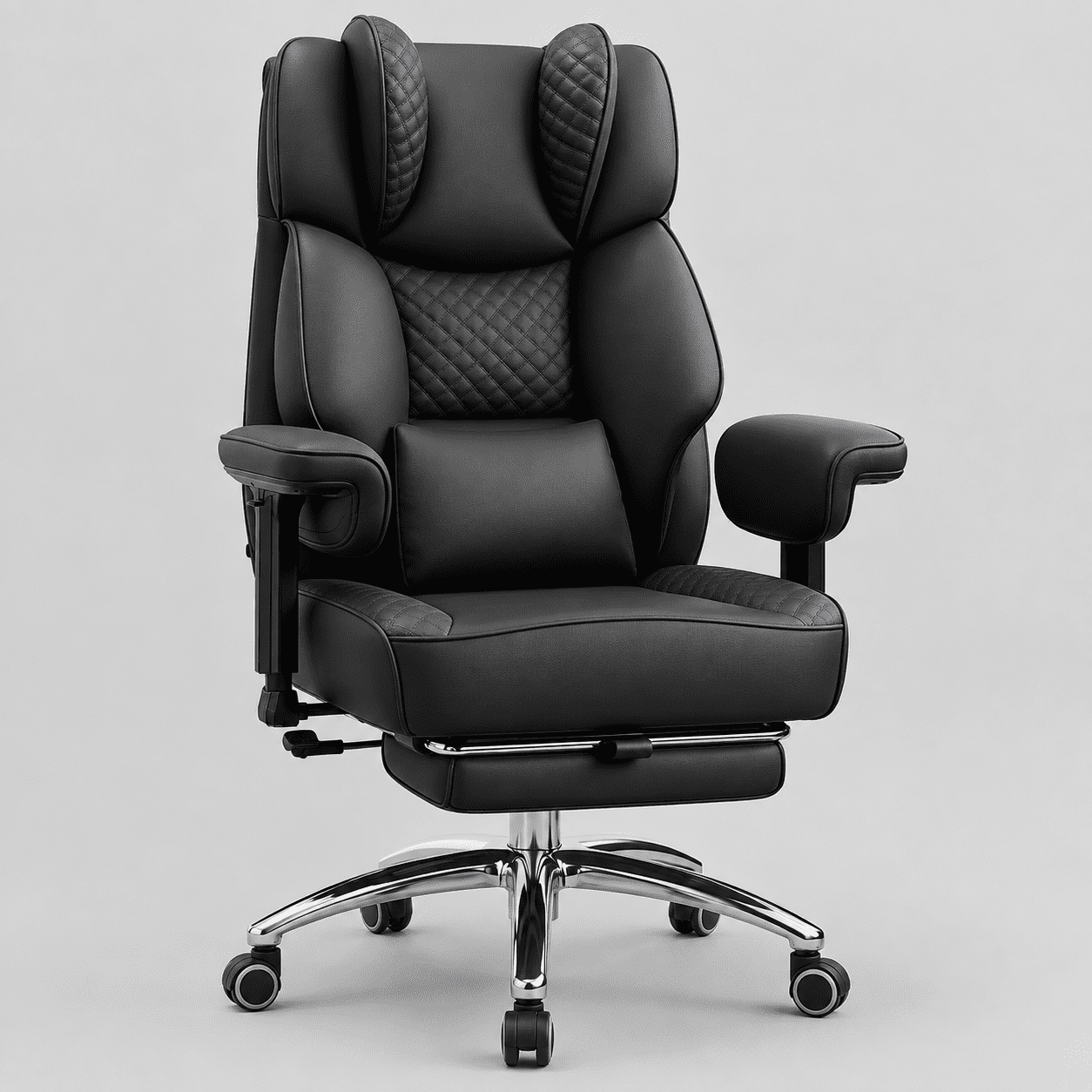
- Seat Depth (the "Waterfall" edge): Your femurs are longer. A standard 18-inch seat depth forces you to either sit on the edge (unsupported thighs) or slide back, which rounds your lower back. You need a seat depth of 20 inches or more. Even better, look for a chair with a seat slider adjustment that lets you move the pan forward or backward, ensuring about 2-3 inches of space between the back of your knee and the seat edge. This prevents circulation restriction.
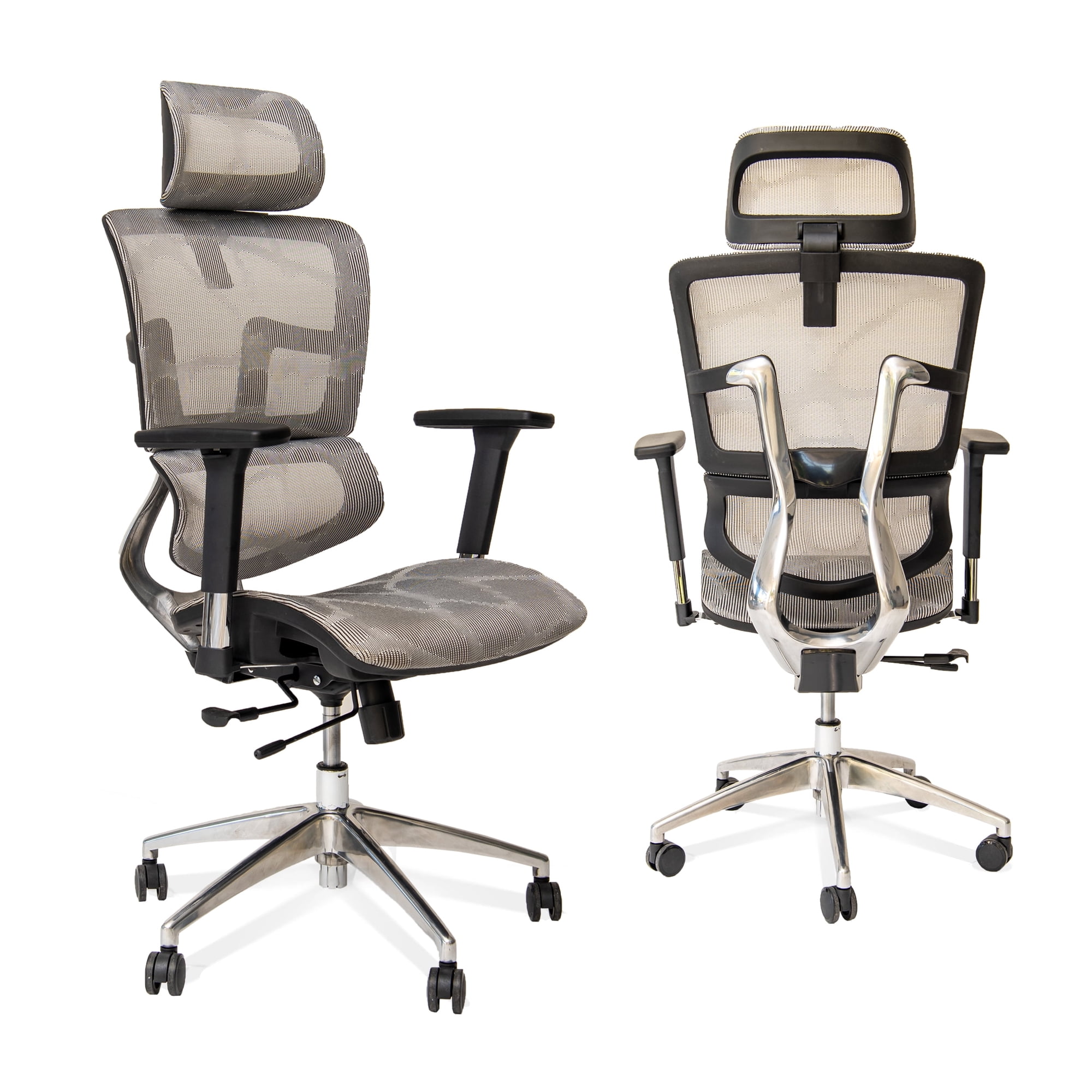
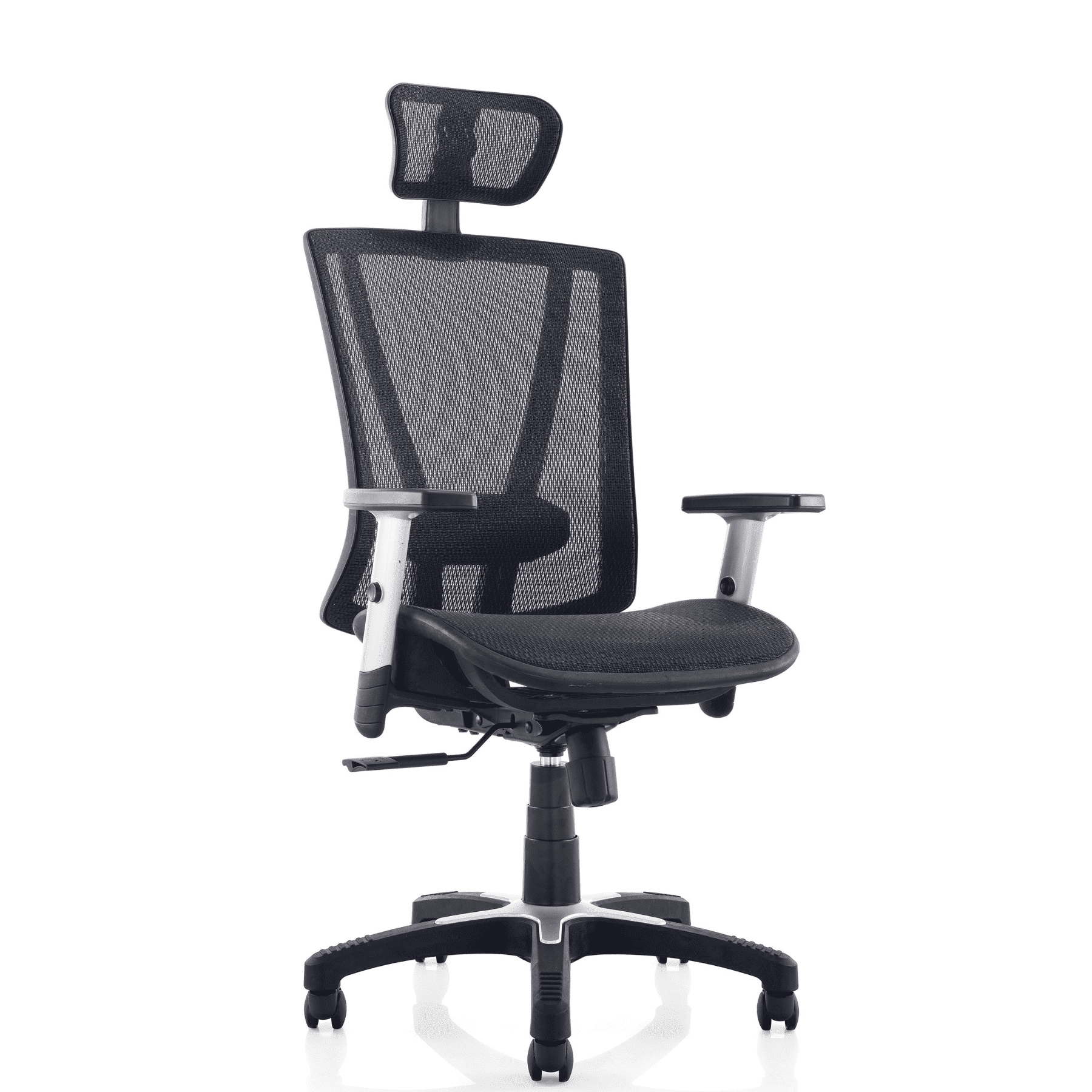
- Backrest Height (Shoulder Support): A chair back should support the entire spine, including the thoracic area (upper back). For a tall person, the backrest needs to be at least 25-30 inches tall from the seat pan. This ensures the shoulder blades are cradled, not left hanging. A chair with an integrated or adjustable headrest is a bonus, but only if it can be raised high enough to support the actual head, not the neck.
2. Lumbar Support: It Must Be Adjustable (In Height)
Static lumbar support is useless for a tall person. The curve of your lower back is located higher from the seat pan than it is for an average-height person. You absolutely need a chair with height-adjustable lumbar support. This allows you to move the supportive pad or curve up or down to perfectly align with the apex of your lumbar spine. Some high-end models also offer depth adjustment, letting you control how much the support pushes into your back.
3. Armrest Adjustability: The 4D Standard
Taller individuals often have broader shoulders and longer arms. Armrests that are fixed or only height-adjustable are rarely sufficient. Prioritize chairs with 4D armrests, meaning they adjust in height, width, depth, and pivot angle.
- Width Adjustment: Allows you to move the armrests outward to accommodate broader shoulders, keeping your elbows close to your body (neutral position).
- Depth Adjustment: Slides the armrest pad forward or backward so your forearms can rest comfortably while typing, preventing a hunched posture.
- Height Adjustment: Ensures your shoulders are relaxed, not elevated, when your hands are on the desk.
4. Stability and Build: The Foundation Matters
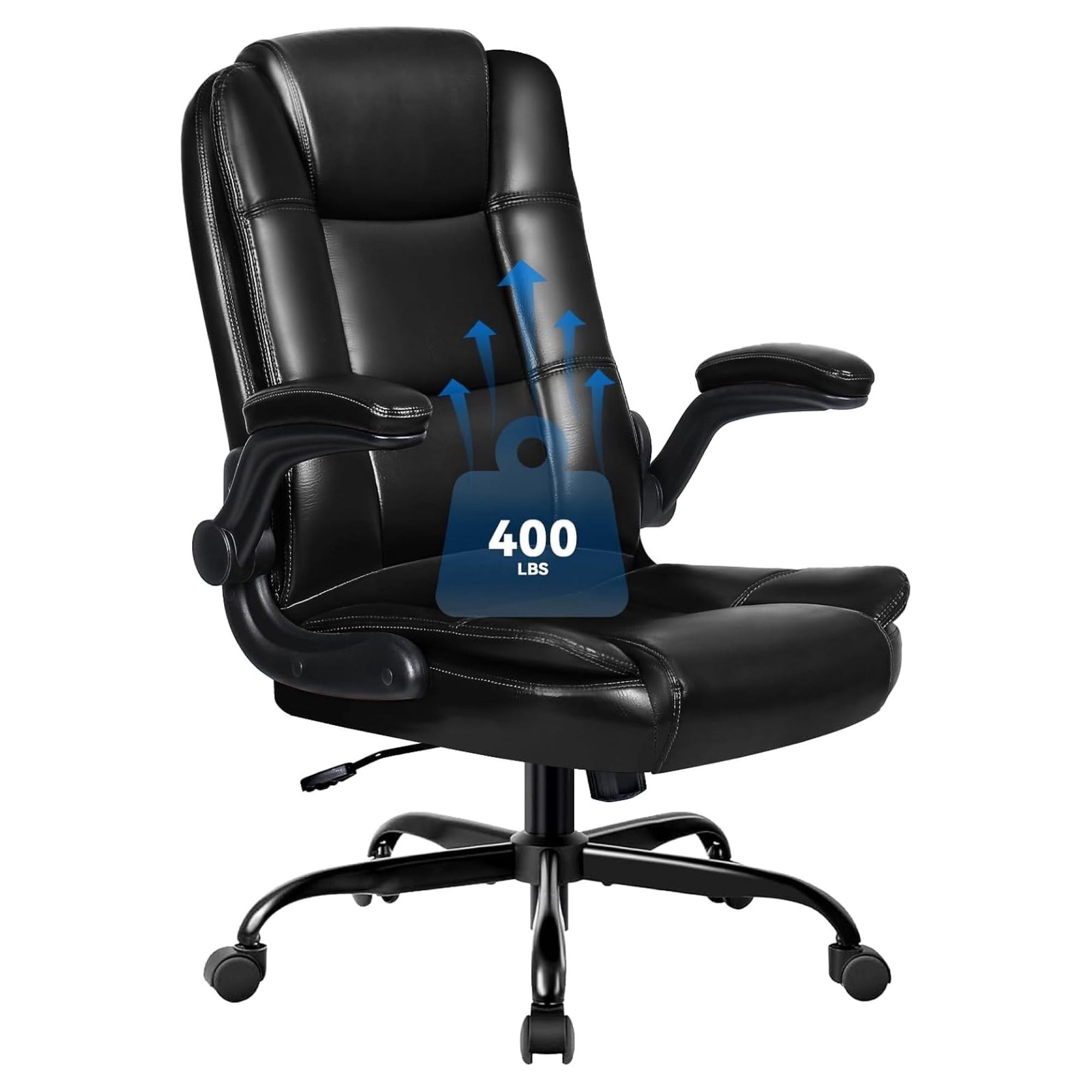
Height increases leverage. When you lean back or shift in your chair, a taller frame exerts more force on the mechanism. Therefore, the chair's construction must be robust.
Engineering Insight: Look for chairs with a Class 4 gas lift (the highest rating) and a metal or heavy-duty composite base with a diameter of at least 27 inches. This provides a wider footprint, preventing the chair from feeling tippy. Casters should be larger (3 inches) and rated for hard floors or carpets depending on your office surface.
5. The "Tall Person" Tilt Mechanism
Many chairs use a "knee-tilt" or "center-tilt" mechanism. For tall users, a synchronous tilt mechanism is often superior. It allows the backrest to recline at a different angle than the seat, keeping you supported throughout the movement. Also, ensure the tilt tension is adjustable and strong enough to support your body weight without snapping back.
22-24" Seat Height
Necessary for users 6'2" and above to achieve proper thigh angle.
20"+ Seat Depth
Supports longer femurs; look for adjustable seat slider.
25"+ Backrest
Ensures upper back and shoulder support.
Class 4 Gas Lift
Heavy-duty cylinder for safety and durability.
Material and Breathability Considerations for Tall Users
With a larger body surface area in contact with the chair, heat buildup can be a real issue. High-quality breathable mesh is an excellent choice for the backrest as it conforms to the spine while allowing air to flow. For the seat, high-density foam with a breathable fabric or perforated leather can prevent discomfort during long work sessions. The material must also be durable enough to withstand the increased wear and tear from taller frames.
Think of your chair as the suspension system in a luxury SUV. A standard car's suspension works fine on smooth roads, but for a heavier, more demanding load (your tall frame) and the bumps of a long workday, you need heavy-duty shocks and a reinforced frame. Your ergonomic office chair is that suspension system for your body.
Debunking Myths: "Just Buy a Big and Tall Chair"
While "big and tall" chairs often work, the term is misleading. Many are simply wider and have higher weight limits, but they might not have the necessary seat height or backrest length. A lean, 6'5" athlete needs a different chair than a larger 5'10" person. Focus on the dimensions (backrest height, seat depth range) rather than just the "big and tall" label. Your priority is vertical space, not necessarily horizontal space.