
The Foundation of Comfort: Seating That Supports You
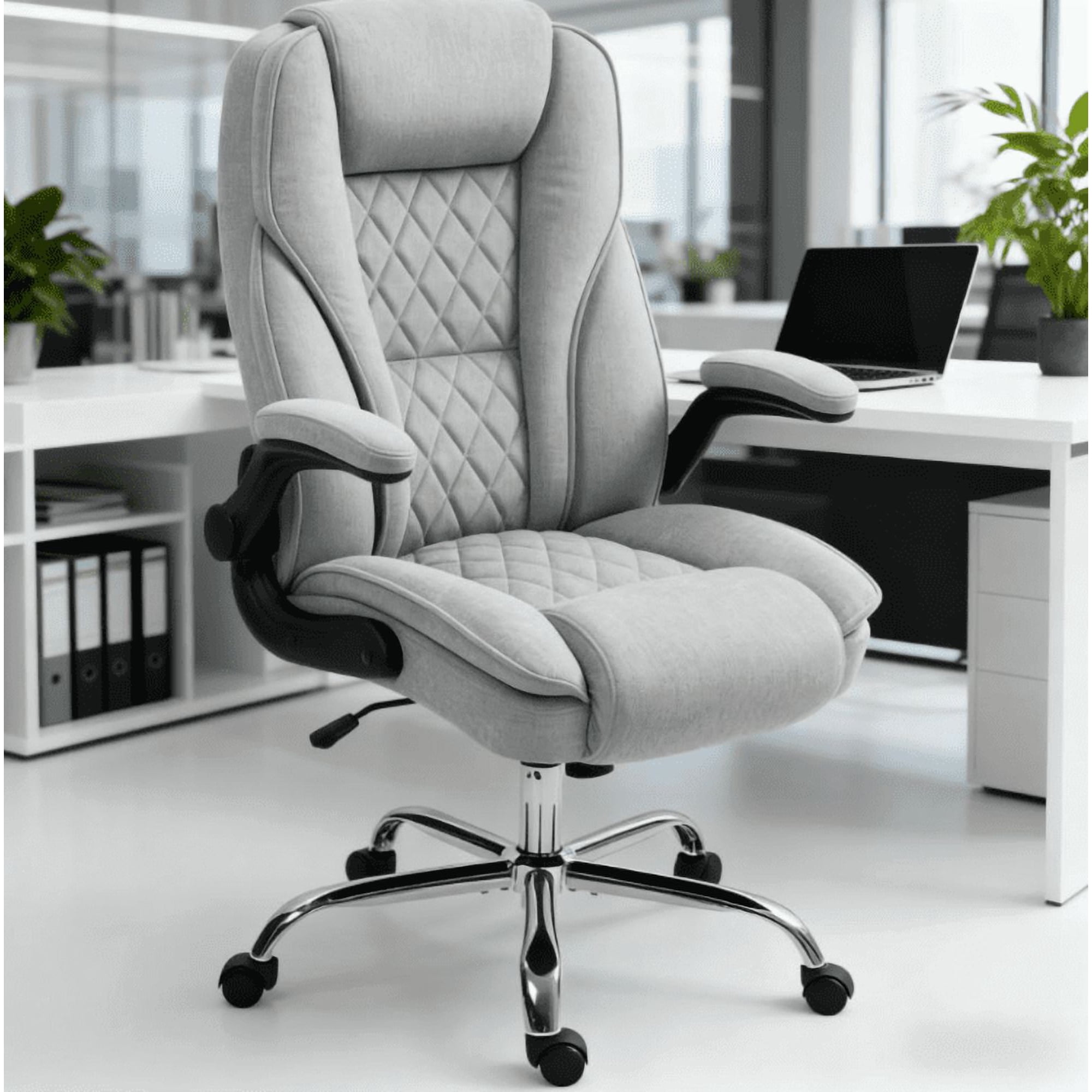
Imagine your office chair as the foundation of a house. If the foundation is weak, everything built on top—your focus, your productivity, even your physical well-being—becomes unstable. For individuals carrying extra weight, a standard office chair is like building that house on sand. It might look okay for a while, but eventually, it will shift, squeak, and fail. That's where specialized office chairs for overweight person come into play. They are the reinforced concrete and steel beams of the seating world, designed not just to hold weight, but to provide lasting comfort and support.
Did you know? According to ergonomic studies, using a chair with an insufficient weight capacity can increase pressure on the spine by up to 30% and accelerate wear and tear on the chair's components by 50%. Investing in a heavy-duty chair is an investment in your long-term health.
What Makes a Chair 'Heavy-Duty'? Beyond Just a Number
When shopping for an office chair for an overweight person, you'll often see weight capacities like 300 lbs, 400 lbs, or even 800 lbs. But the number is just the tip of the iceberg. A truly heavy-duty chair is defined by its entire construction. It's the difference between a standard car and a reinforced truck. Let's break down the critical components that separate a flimsy chair from a supportive throne.
1. The Skeleton: Frame and Base
The frame is the unsung hero of any durable chair. In standard chairs, frames are often made of plastic or thin metal. In heavy-duty models, you'll find:
- Reinforced Steel Frames: Look for chairs with a full steel frame, especially in the backrest and seat pan. This prevents twisting and cracking over time.
- Heavy-Duty Base: The five-star base must be made of nylon with fiberglass reinforcement or, even better, solid polished aluminum. These materials won't bend or snap under pressure. A flimsy plastic base is a primary failure point.
- Dual-Wheel Casters: Standard casters can flatten or break under heavy loads. Heavy-duty chairs use larger, dual-wheel casters (often 3 inches) made of hard nylon or polyurethane that roll smoothly on carpets and hard floors without deforming.
2. The Heart: Gas Lift Mechanism
The gas cylinder is what allows you to raise and lower the chair. In a chair for an overweight person, this component must be a Class 3 or Class 4 gas lift.
- Class 3: Suitable for weights up to 300-400 lbs.
- Class 4: The gold standard for heavy-duty use, supporting 400 lbs and above. It has a thicker piston and higher pressure rating, ensuring the chair doesn't sink unexpectedly throughout the day.
Think of the gas lift as the chair's engine. You wouldn't put a small car engine in a heavy truck; the same logic applies here.
3. The Comfort Zone: Seat Construction and Cushioning
A wider seat is necessary, but it's useless if the cushion collapses after a month. The key is the density of the foam.
- High-Density Foam: This is non-negotiable. High-density foam (often 2.5 lbs per cubic foot or higher) resists compression and maintains its shape for years. It distributes weight evenly, preventing the "bottoming out" feeling that leads to discomfort and pressure points.
- Reinforced Seat Box: The pan under the cushion should be made of steel or heavy-duty plywood, not mesh or thin plastic. This provides a solid, stable foundation for the foam.
- Contoured Waterfall Edge: Even in larger seats, a waterfall front edge is crucial. It curves downward slightly to reduce pressure on the underside of the thighs, promoting better blood circulation to the legs and feet.
4. The Ergonomic Features: Support Where You Need It
Weight capacity is about safety; ergonomics is about comfort and health. A true office chair for an overweight person must offer robust ergonomic adjustments to accommodate a larger frame.
Critical Ergonomic Adjustments:
- Adjustable Lumbar Support: Not just a fixed curve. Look for lumbar support that can be moved up/down and in/out to properly fill the curve of your lower back. This prevents slouching and reduces lower back strain.
- Seat Depth Adjustment: This allows you to slide the seat pan forward or backward. Proper depth means you should have 2-3 fingers of space between the back of your knee and the seat edge. This is vital for thigh support and circulation.
- 4D or 5D Armrests: Armrests should adjust in height, width, depth, and pivot. Width adjustment is particularly important for plus-size users to ensure arms are supported without being forced inwards.
- Tilt Tension and Lock: The mechanism should allow you to adjust how much force is needed to recline, and lock the chair in multiple positions. A synchronized recline mechanism, where the back and seat move together, helps maintain proper posture while leaning back.
Quick Comparison: Standard vs. Heavy-Duty Chair Specifications
| Component | Standard Office Chair | Heavy-Duty / Bariatric Chair |
|---|---|---|
| Frame Material | Plastic or thin metal | Reinforced steel or thick aluminum |
| Base Material | Nylon (often unreinforced) | Fiberglass-reinforced nylon or aluminum |
| Gas Lift Class | Class 2 or 3 (up to 250 lbs) | Class 4 or 5 (400-1000+ lbs) |
| Seat Width | 18 - 20 inches | 22 - 30 inches |
| Seat Foam Density | 1.5 - 2.0 lb density | 2.5 - 3.5 lb high-density foam |
| Caster Type | Single-wheel, plastic | Dual-wheel, polyurethane, 3" diameter |
Material Matters: Choosing the Right Upholstery
The material covering your chair affects durability, comfort, and maintenance. For heavier users, material choice is about balancing breathability with long-term wear resistance.
🔹 Heavy-Duty Fabric
Best for: Breathability and variety.
- Pros: High-quality commercial-grade fabrics (like those used in hotels) are extremely durable, breathable, and available in many colors. They resist pilling and are often treated for stain resistance.
- Cons: Can absorb spills and odors if not treated. May show wear patterns faster than leather.
🔹 Premium Bonded Leather / PU Leather
Best for: Easy cleaning and a professional look.
- Pros: Wipes clean easily, looks sleek, and is more affordable than genuine leather. Good quality PU leather can be quite durable.
- Cons: Can be less breathable, leading to heat buildup. Lower-quality bonded leather can peel or crack after a few years.
🔹 Genuine Leather (Top-Grain)
Best for: Maximum durability and luxury.
- Pros: Extremely durable (can last decades), develops a beautiful patina, breathes better than synthetics, and is naturally strong.
- Cons: Most expensive option, requires occasional conditioning, and can be warm in direct sunlight.
🔹 Breathable Mesh (with reinforced borders)
Best for: Hot climates and all-day coolness.
- Pros: Maximum airflow prevents sweaty backs. Often used in high-end ergonomic chairs.
- Cons: Must be a high-tension, reinforced mesh to support heavier weights without sagging. Not all mesh chairs are heavy-duty rated.
Step-by-Step Guide: How to Choose Your Ideal Heavy-Duty Chair
Finding the perfect seat doesn't have to be overwhelming. Follow these steps to narrow down your options and make a confident purchase.
Step 1: Know Your Numbers
- Your Weight: Be honest. Add a 20-30% safety margin. If you weigh 350 lbs, look for chairs rated for at least 420-450 lbs. This ensures the chair operates well within its limits for longevity.
- Your Height: Measure your torso length and overall height. This determines if you need a high-back chair for head and neck support.
- Seat Width Needs: Measure the widest part of your hips/thighs while seated. Add 2 inches for comfortable room. Standard wide seats are 22-24 inches; extra-wide are 26-30 inches.
Step 2: Identify Your Pain Points
- Lower Back Ache? Prioritize chairs with separate, adjustable lumbar support.
- Numbness in Legs? You need a waterfall seat edge and seat depth adjustment.
- Shoulder/Neck Tension? Look for a chair with an adjustable headrest and 4D armrests.
- Hip Discomfort? Focus on chairs with extra-thick, high-density foam seats and a wider seat pan.
Step 3: Set a Realistic Budget
A quality office chair for an overweight person is an investment. The materials and engineering required cost more. Here’s a general guide:
- $200 - $400: Entry-level heavy-duty. May have a 300-350 lb capacity. Good for occasional use, but may lack advanced ergonomics.
- $400 - $700: Mid-range sweet spot. Features Class 4 gas lifts, wider seats (22-24"), better foam, and more adjustments. Ideal for full-time office workers.
- $700 - $1,200+: Premium heavy-duty/bariatric. Includes reinforced steel frames, 500+ lb capacity, top-grain leather options, and commercial-grade warranties.
Step 4: Check the Warranty
A company that stands behind its product will offer a substantial warranty. Look for:
- Frame and Base: Minimum 5-10 year warranty.
- Mechanism and Gas Lift: Minimum 2-5 year warranty.
- Foam and Upholstery: Minimum 1-2 year warranty against defects and excessive wear.
Pro Tip: A longer warranty on the frame and mechanism is a strong indicator of the manufacturer's confidence in their product's durability.
Frequently Asked Questions About Heavy-Duty Office Chairs
Conclusion: Your Search for the Right Chair Ends Here
Finding the right office chair for an overweight person is a journey toward better health, comfort, and productivity. It's about recognizing that you deserve a seat built to your specifications, not one you have to squeeze into or worry about failing. By focusing on the key components we've discussed—the reinforced frame, the Class 4 gas lift, the high-density foam, and the essential ergonomic adjustments—you are equipping yourself with a tool that supports your success.
Remember, a chair is more than just a place to sit; it's the command center for your workday. Investing in a high-quality, heavy-duty chair is one of the best decisions you can make for your physical well-being and your professional life. Don't settle for less than the stable, comfortable support you need.
Final Recommendations by User Profile
Prioritize chairs with excellent lumbar support, seat depth adjustment, and high-density foam. A mid-range heavy-duty chair with a Class 4 lift and a 5-year warranty is your best bet.
Look for bariatric-rated chairs with steel frames, extra-wide seats (26"+), and top-grain leather or reinforced fabric. Focus on warranties of 10+ years on the frame.
Prioritize advanced ergonomics. Look for chairs with independent lumbar adjustment, synchronous recline, and a headrest. Mesh-back options can provide excellent breathable support.