
The Real Challenge: Why Your Office Chair Struggles on Carpet
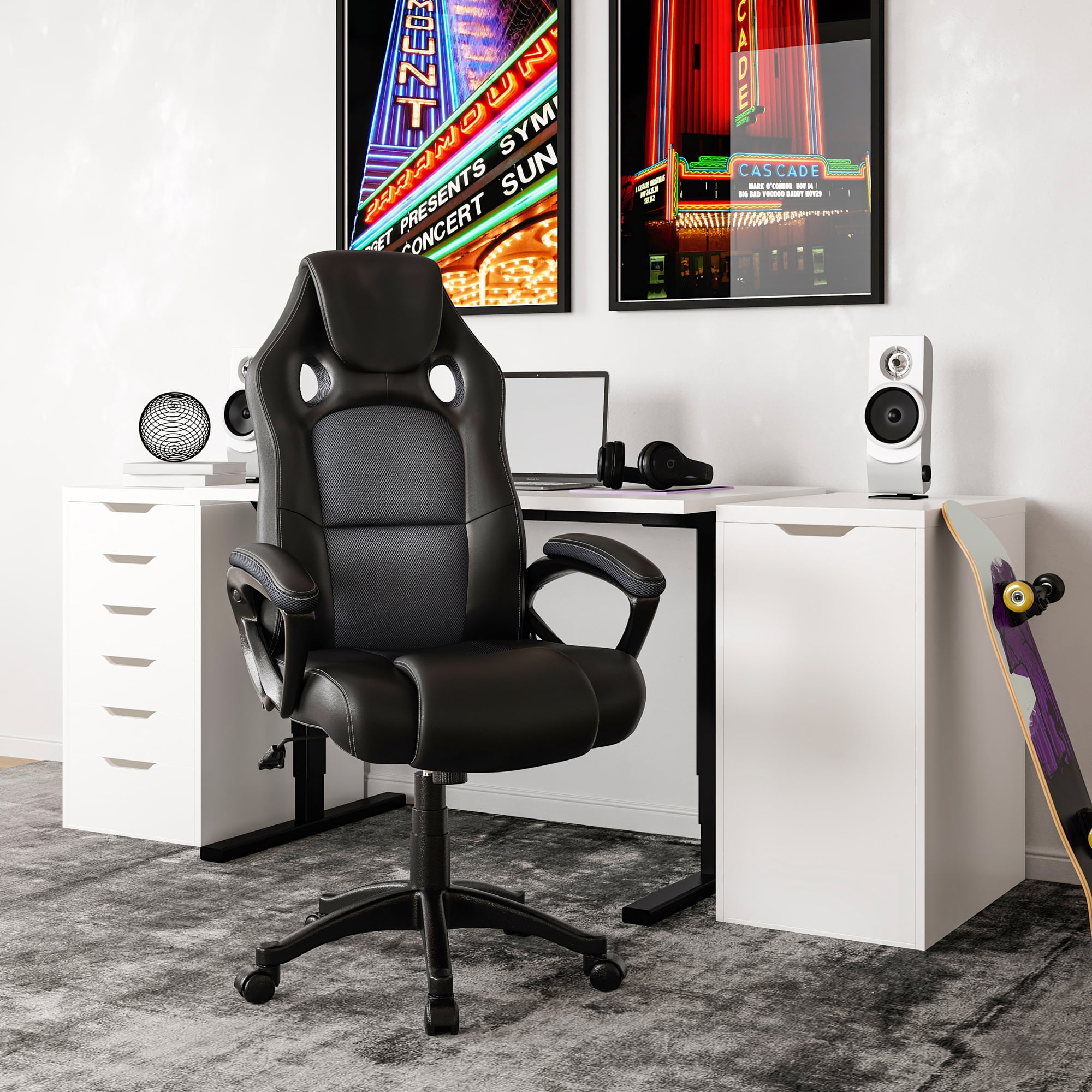
Imagine trying to push a grocery cart through deep sand. That frustrating resistance is exactly what your office chair feels like on a plush carpet. Standard chair casters, with their small, hard plastic wheels, are designed for hard surfaces. On carpet, they dig in, creating friction that makes every move a workout. This isn't just an annoyance; over time, it permanently damages your carpet fibers, leaves unsightly ruts, and can even contribute to poor posture as you twist and strain to reach your desk. Finding the right office chair on carpet solutions is essential for protecting your floor investment and creating a comfortable, productive workspace.
The good news? You don't have to choose between a cozy carpeted office and a functional chair. With a few smart adjustments and the right accessories, you can have both. This guide walks you through every viable solution, from simple wheel swaps to heavy-duty floor protectors, ensuring you find the perfect fix for your specific carpet type and office setup.
Top Office Chair on Carpet Solutions: A Detailed Breakdown
There is no one-size-fits-all answer. The best solution depends on your carpet pile (low, medium, high), the weight of the chair and user, and your budget. Let's explore the most effective methods, from the most common to specialized fixes.
1. The Foundation: Chair Mats (The Gold Standard)
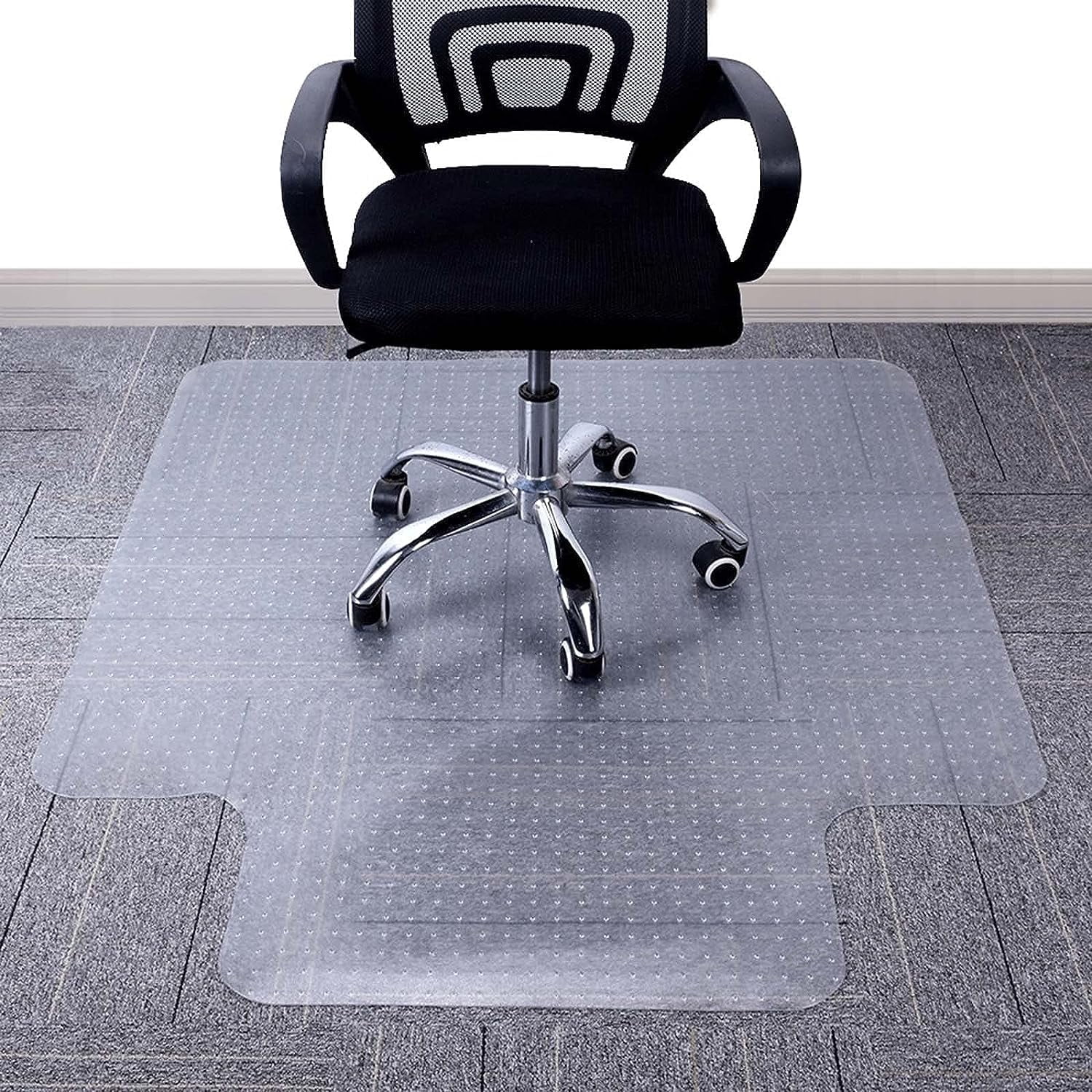
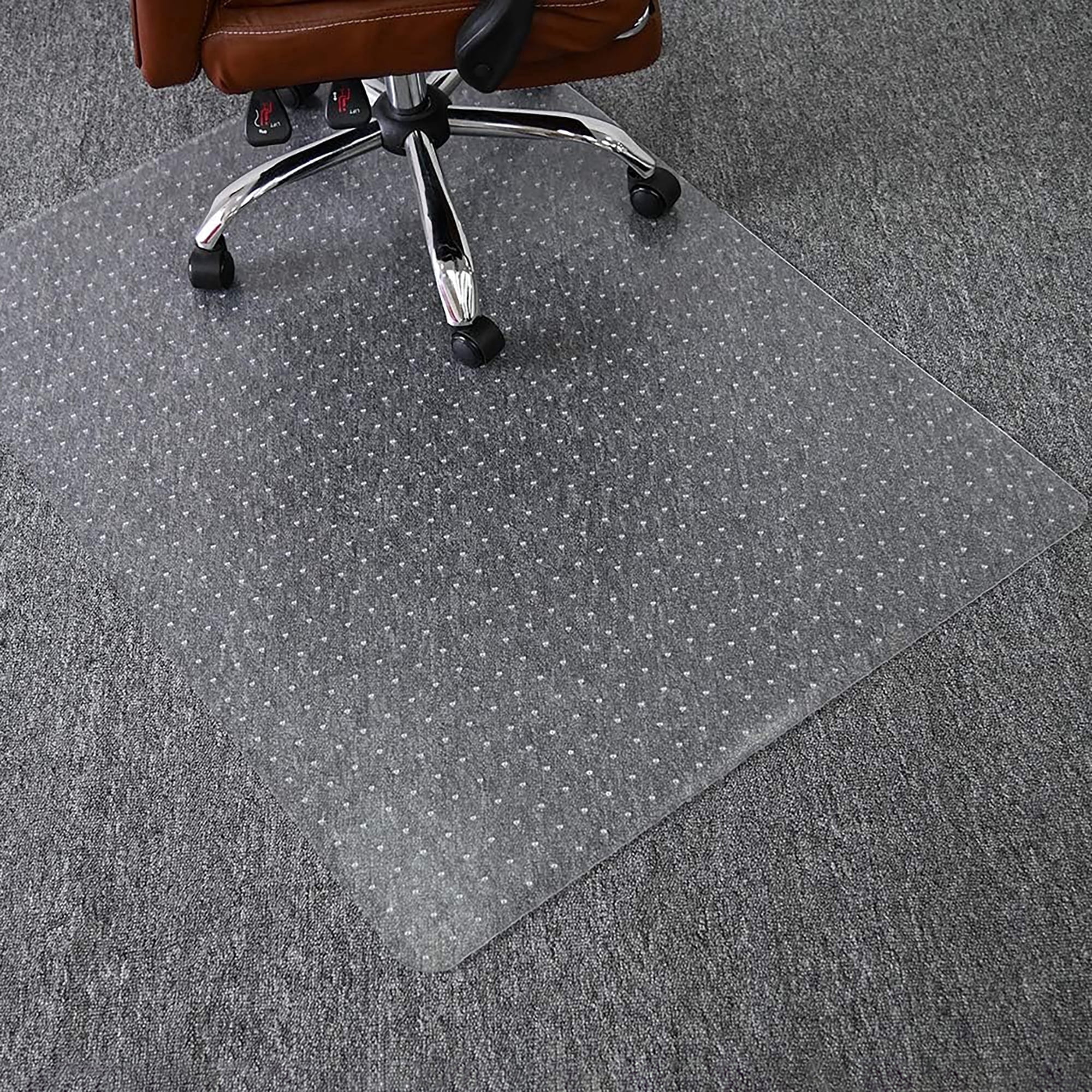
A chair mat is a sheet of durable material placed under your desk chair to create a smooth, hard surface on top of the carpet. Think of it as a 'road' for your chair. It's the most reliable and comprehensive office chair on carpet solution available.
✅ Polycarbonate Mats
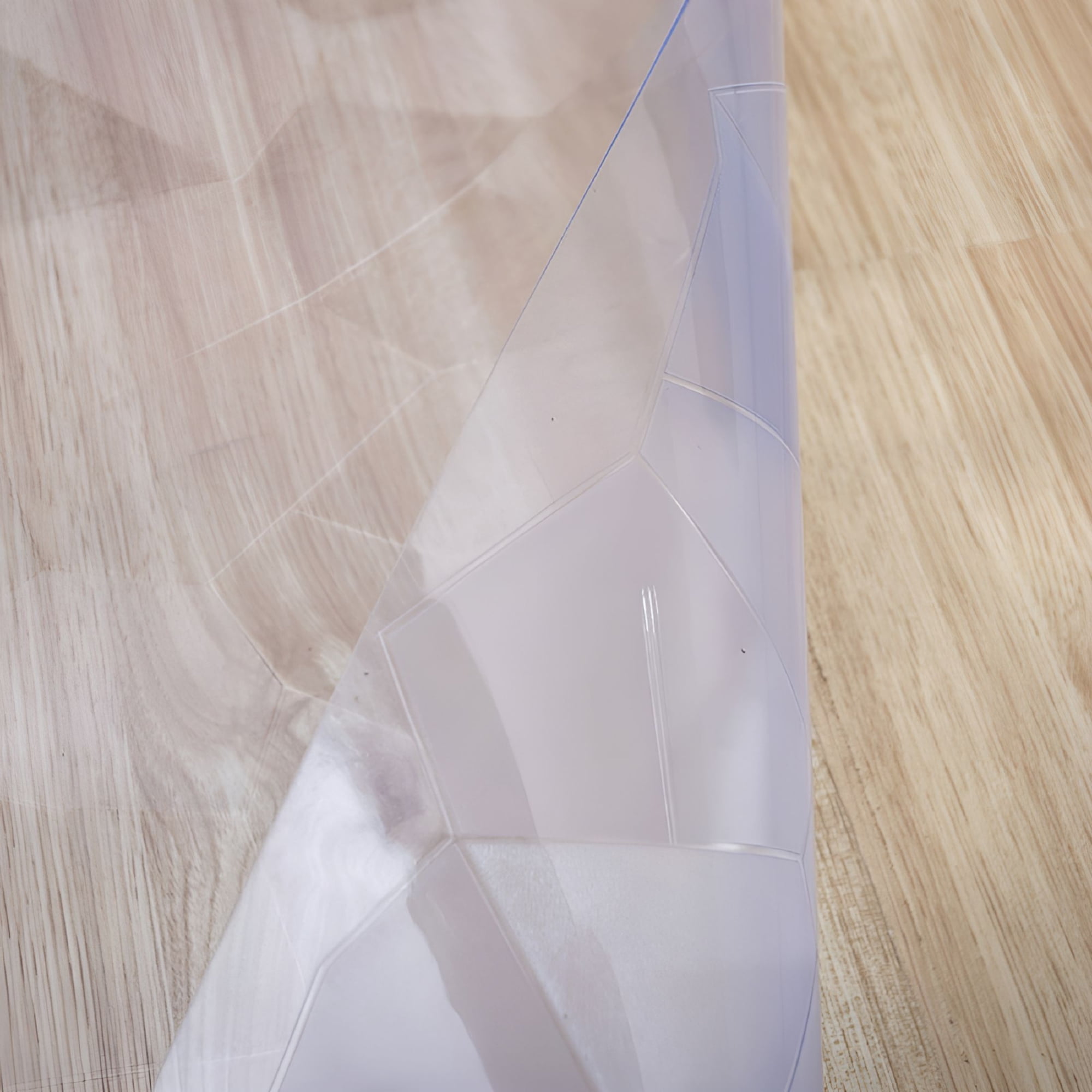
Best for: All carpet types, especially high-traffic areas. They are virtually unbreakable, crystal clear (shows off your carpet), and lie flat without curling. They are an investment but often last a lifetime.
✅ PVC (Vinyl) Mats
Best for: Low-pile carpet and budget-conscious shoppers. They are more affordable but can crack over time and may curl at the edges, especially in temperature changes. They often have a textured or 'lipped' surface.
Key Feature for Carpet: Look for a mat with cleats – small grippers on the underside that anchor the mat firmly into the carpet, preventing it from sliding around as you move. Without cleats, the mat itself can become a slipping hazard.
2. The Upgrade: Rollerblade-Style Casters (Wheel Replacement)
If you prefer not to use a mat, or want to complement one, swapping out your chair's standard casters for rollerblade-style wheels is a game-changer. These wheels are wider, softer, and often made of polyurethane.
- How they work: Their larger surface area distributes your weight, so they 'float' on top of carpet fibers rather than digging in. This significantly reduces rolling resistance.
- Floor protection: They are much gentler on carpet, preventing the 'trenching' effect that hard plastic wheels cause over time.
- Installation: Most are universal and simply pop into the existing caster sockets on your chair base. It's a 2-minute upgrade.
- Consideration: Ensure you buy the correct stem size (usually 7/16" or 11mm) for your chair.
Pro Tip: Combine Both for Ultimate Performance
For thick, plush, or berber carpet, the ultimate solution is using a high-quality chair mat and rollerblade wheels. The mat provides the hard surface, and the soft wheels roll almost silently and effortlessly on it. This combination minimizes friction to almost zero and offers maximum carpet protection.
3. Specialized Solutions for Tricky Situations
Sometimes, standard solutions need a tweak. Here are targeted fixes for common carpet challenges:
- For Extra-Thick or Shag Carpet: Standard mats can flex too much. Look for a thick, heavy-duty polycarbonate mat specifically rated for high-pile carpet. Alternatively, a hardboard or plywood sheet (cut to size and finished) can be a DIY solution, though less attractive.
- For Low-Pile Carpet (Berber/Loop): Be cautious with cleated mats, as aggressive cleats can snag looped fibers. A smooth-bottomed mat or one with a fine-grip backing is safer. Rollerblade wheels are also an excellent standalone choice here.
- For Static Chair Bases (Non-Removable Casters): Some budget chairs have casters that cannot be removed. In this case, a chair mat is your only option. You could also consider placing small, hard plastic furniture sliders under the base, but this is a temporary fix and can be unstable.
4. DIY & Quick-Fix Office Chair on Carpet Solutions
While not always permanent, these tips can provide immediate relief:
- The Cardboard Trick: Place a large, flat piece of cardboard under your chair. It's not durable, but it instantly shows you the difference a hard surface makes.
- Vacuum Regularly: Carpets with packed-down dirt are harder to roll on. Regular vacuuming lifts the fibers and reduces resistance.
- Rotate Your Chair's Position: If you don't have a mat, occasionally move your chair a few inches in a different direction to prevent permanent ruts from forming.
Why This Matters: The Cost of Doing Nothing
Think of your carpet like a lawn. Rolling a heavy chair with hard plastic wheels back and forth is like driving a tractor over the same patch of grass every day – it will eventually turn into a muddy, bare path. According to interior design studies, the area behind a desk is one of the highest-traffic zones in a home office. Without protection, carpet in this area can show significant wear within just 6-12 months, potentially voiding your carpet's warranty. Investing in proper office chair on carpet solutions preserves your carpet's appearance and extends its life, saving you the cost of premature replacement.
How to Choose the Right Solution for Your Carpet
Here's a simple decision-making flow to guide you:
- Step 1: Identify your carpet pile. (Low/Medium/High) Do the 'finger test': can you easily see the base of the carpet? That's low pile. Can you bury your fingers up to the knuckle? That's medium or high pile.
- Step 2: Assess your mobility needs. Do you roll around a lot, or do you mostly sit still? Frequent rollers benefit most from a mat + wheel combo.
- Step 3: Set your budget. A simple wheel swap is under $30. A premium mat can be $80-$200.
- Step 4: Make your choice.
- Low-pile: Rollerblade wheels OR a standard PVC mat.
- Medium-pile: Polycarbonate mat with cleats OR rollerblade wheels + (optional) mat.
- High-pile: Heavy-duty polycarbonate mat with deep cleats + rollerblade wheels.
Frequently Asked Questions About Office Chairs on Carpet
Final Verdict: Enjoy a Smooth, Damage-Free Office
Dealing with an office chair on carpet doesn't have to be a daily struggle. By understanding the mechanics of rolling resistance and carpet wear, you can implement one of the proven office chair on carpet solutions outlined above. Whether you opt for a simple set of rollerblade wheels, a durable polycarbonate mat, or the unbeatable combination of both, you're making an investment in your comfort and your home's value. A smooth-rolling chair means less physical strain, a protected floor, and a more professional and enjoyable workspace. Choose the solution that fits your carpet and start moving with ease today.