
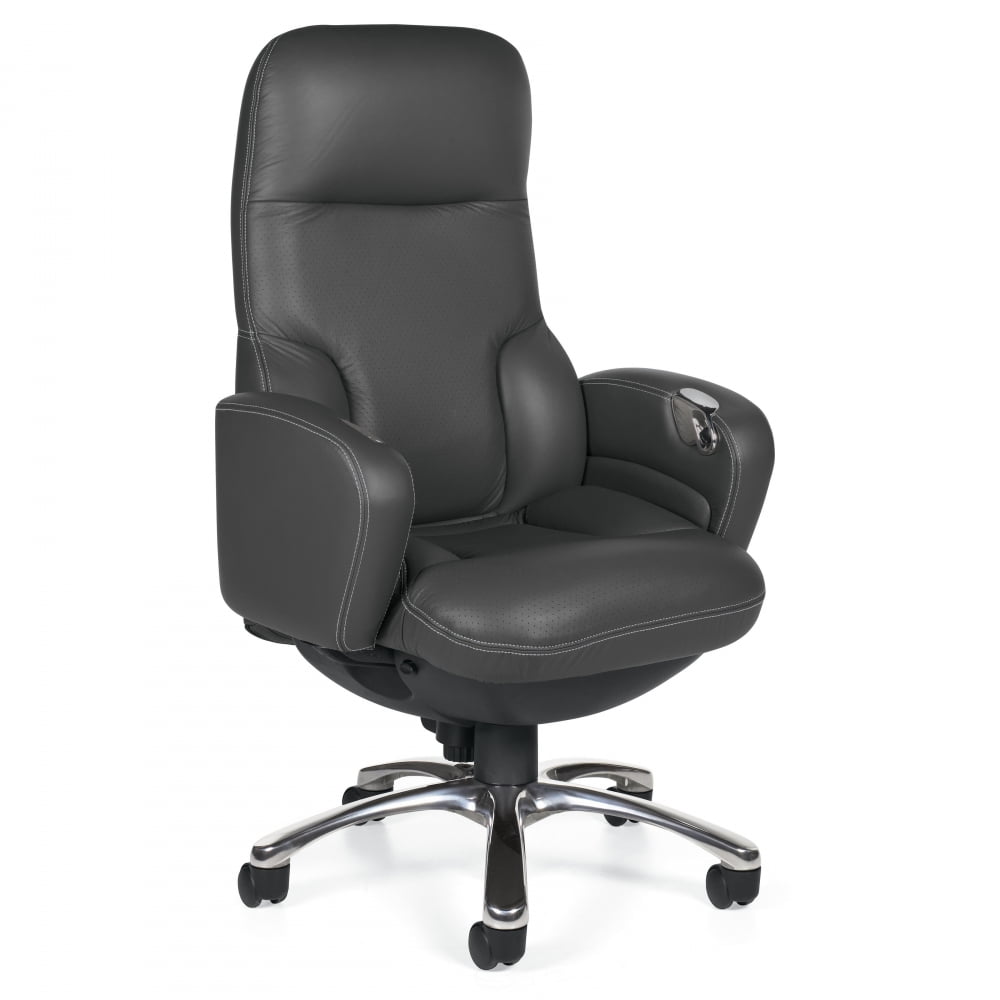
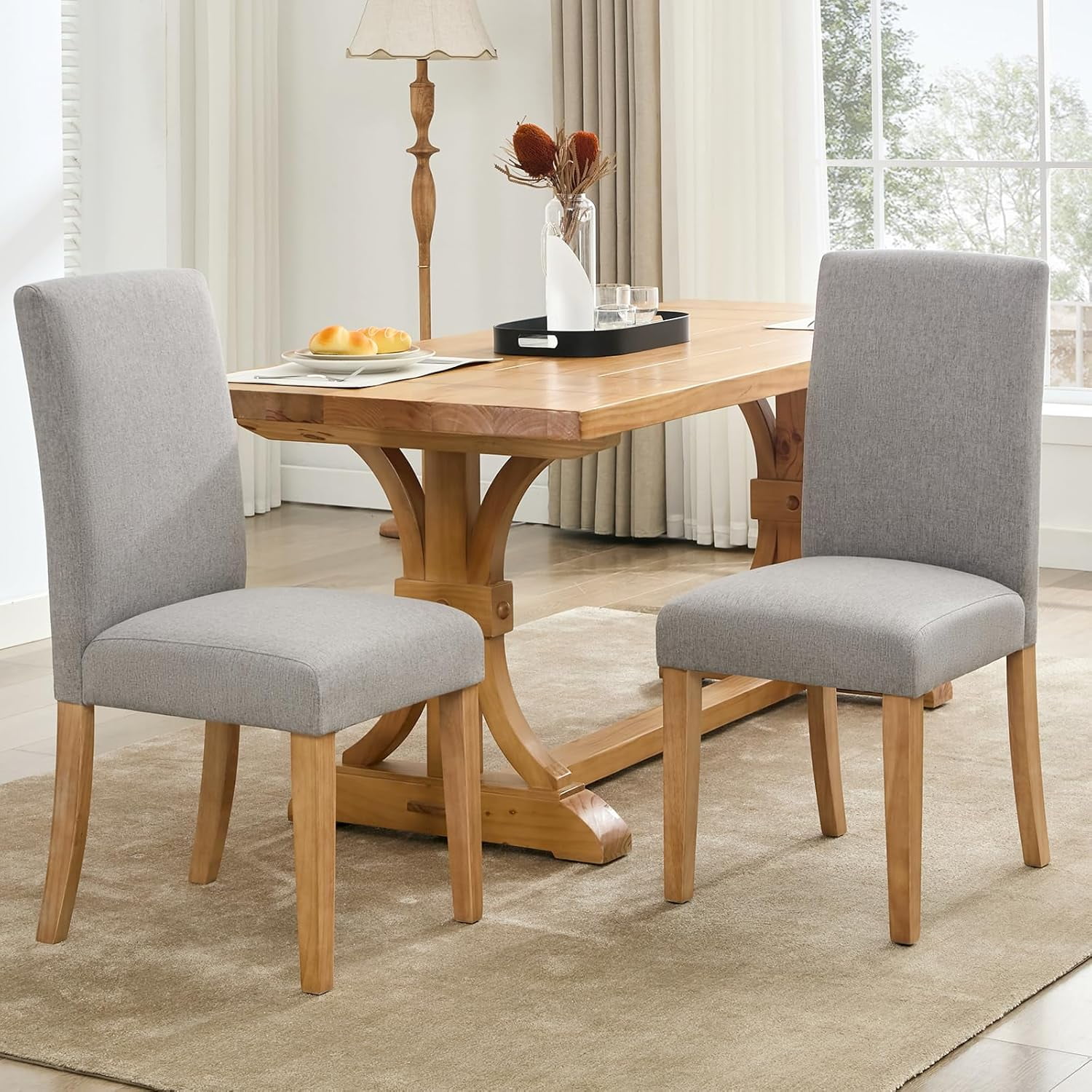
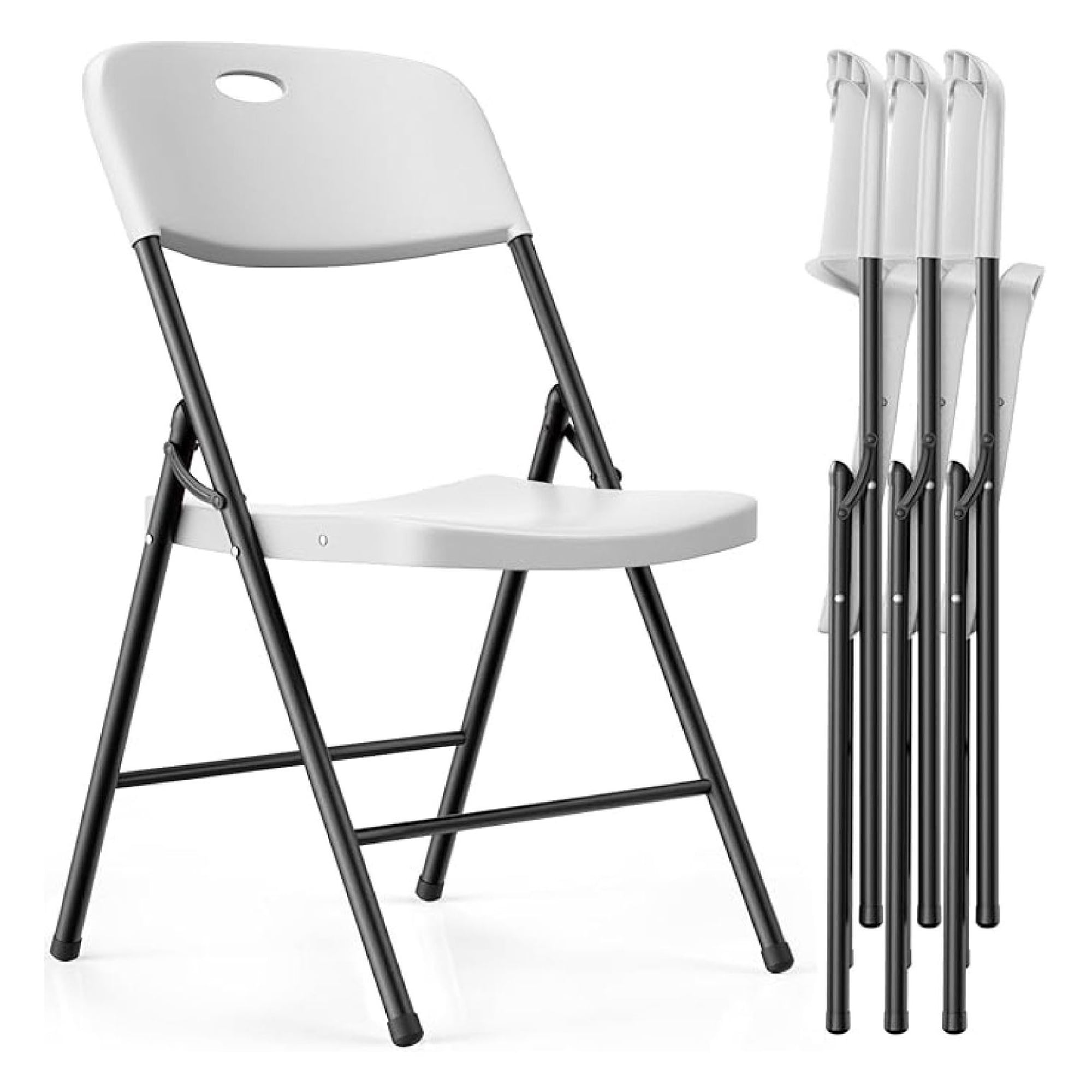
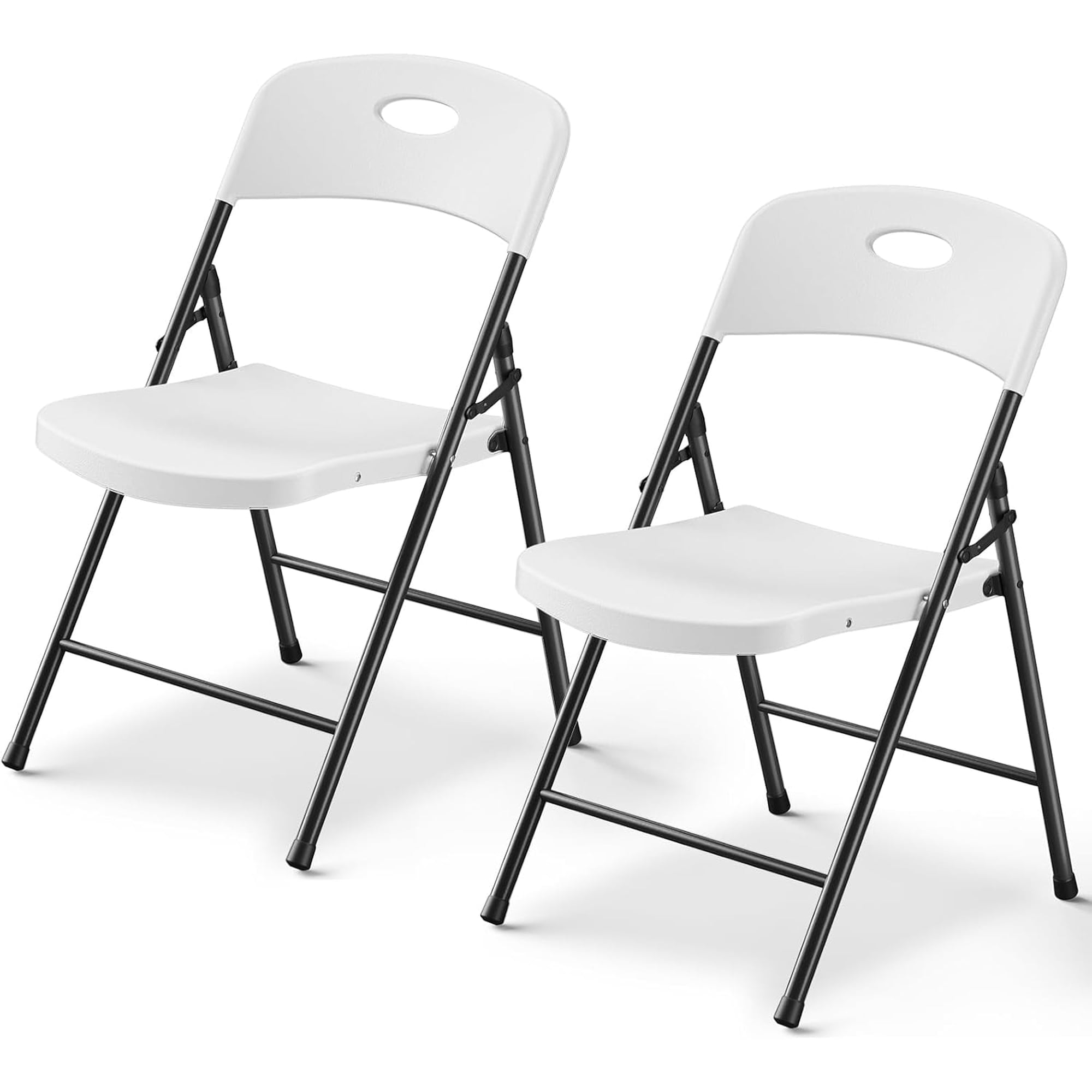
Built for the Biggest Jobs: 1000 lbs Heavy Duty Office Chairs
Finding an office chair that can safely and comfortably support up to 1000 lbs is not just about size—it's about engineering, safety, and long-term reliability. Standard chairs often fail under extreme loads, leading to broken components and potential injuries. Heavy duty office chairs 1000 lbs are purpose-built with reinforced steel frames, extra-wide seating, and industrial-grade components to provide stability and ergonomic support for larger individuals or demanding industrial environments. Whether you're a bariatric user, a very tall professional, or managing a workspace that requires extreme durability, this guide will help you navigate the key features and select the perfect chair.
Industry Insight: According to the National Institute for Occupational Safety and Health (NIOSH), using a chair with inadequate weight capacity increases the risk of falls and musculoskeletal injuries by over 60%. A chair rated for 1000 lbs isn't just furniture—it's a safety device.
Anatomy of a 1000 lbs Capacity Office Chair: What Makes It Different?
To withstand double or triple the load of a standard chair, every component must be upgraded. Here’s a breakdown of the critical parts that define a true 1000 lbs heavy duty chair.
1. The Frame: The Backbone of Strength
The frame is the most crucial element. While standard chairs use 1-1.5mm tubular steel or even plastic-reinforced frames, a 1000 lbs chair typically features:
- Reinforced 12-14 gauge steel: Thicker metal (about 2.5-3mm) welded at stress points for maximum rigidity.
- Full-frame construction: The backrest frame is also steel, integrated with the seat frame to prevent twisting or cracking.
- Cross-bracing: Some models include additional steel supports underneath the seat to distribute weight evenly.
2. Gas Lift Cylinder: The Lifting Power
The gas lift (pneumatic cylinder) must be specifically rated. A standard class 3 or 4 lift is insufficient. Look for:
- Industrial-grade Class 5 or 6 lift: Certified by BIFMA (Business and Institutional Furniture Manufacturers Association) for loads exceeding 500 lbs, with some reaching 1000+ lbs.
- Heavy-duty construction: Larger piston diameter and thicker cylinder walls to prevent explosive failure.
3. Base and Casters: Stability on the Ground
The base must support the load without bending or cracking. Key features:
- Solid steel base (not aluminum or nylon): Often 25-28 inches in diameter for a wider stance.
- Reinforced legs: Thicker steel tubing or solid plate construction.
- Heavy-duty dual-wheel casters: Made of hard nylon or steel core with soft polyurethane tread. Some have brakes for added safety.
- Weight-rated casters: Each caster should support at least 250 lbs (4 casters x 250 = 1000 lbs capacity).
4. Seat and Backrest: Comfort Meets Durability
A 1000 lbs chair needs a seat that won't bottom out and a backrest that provides proper support:
- High-density foam: At least 2.5 lbs/ft³ density, often 3 lbs, with a thick profile (4-5 inches) to prevent compression.
- Extra-wide dimensions: Seat widths typically range from 28 to 34 inches (standard is 20-22 inches).
- Reinforced stitching: Double or triple stitching on upholstery seams, often using heavy-duty nylon thread.
- Durable upholstery: Commercial-grade vinyl, bonded leather with reinforced backing, or heavy-duty fabric that resists tearing.
5. Armrests: The Overlooked Support
Armrests on 1000 lbs chairs must be exceptionally robust:
- Steel reinforced arms: Padded arms with a full steel core, attached directly to the seat frame.
- Wider arm span: Accommodates broader shoulders and provides stable leverage when sitting down or standing up.
- Weight-bearing capacity: Each armrest should support partial body weight during transfers.
Why 1000 lbs Capacity Matters: Beyond Just Weight
Choosing a chair with a 1000 lbs rating provides benefits even if you weigh less:
- Safety margin: Components are over-engineered, reducing the chance of failure under dynamic loads (sitting down quickly, leaning).
- Longevity: Heavier construction withstands years of daily use without loosening or cracking.
- Stability: The wider base and heavier chair weight prevent tipping, even during active movement.
- Future-proofing: Accommodates weight fluctuations or multiple users.
Key Ergonomic Considerations for Extra-Wide Seating
Size doesn't have to mean sacrificing ergonomics. Look for these adjustable features to maintain proper posture:
- Seat depth adjustment: Ensures proper thigh support without pressure behind the knees. For extra-wide seats, depth adjustment is crucial to fit different leg lengths.
- Adjustable lumbar support: Many heavy duty chairs now include height-adjustable lumbar or a built-in support cushion to maintain the spine's natural curve.
- Tilt tension and lock: Allows you to recline safely with resistance tailored to your weight. Look for a sturdy tilt mechanism with multi-position lock.
- Height-adjustable armrests (3D or 4D): While not always available on extreme-duty chairs, some premium models offer width, height, and pivot adjustments.
- Waterfall seat edge: Reduces pressure on thighs and improves circulation, a feature often incorporated even in heavy duty designs.
Real-World Applications: Where 1000 lbs Chairs Excel
These chairs aren't only for home offices. Their robust build makes them ideal for:
- Bariatric healthcare facilities: Providing safe, dignified seating for patients.
- Industrial control rooms: Withstanding 24/7 use by operators of all sizes.
- Gaming centers: Offering durable seating for extended periods.
- Executive suites: Conveying authority and stability with a commanding presence.
- Home offices for large-framed individuals: Ensuring comfort and safety during long workdays.
Maintenance Tips for Extreme-Duty Chairs
To maximize the lifespan of your 1000 lbs chair, follow these simple steps:
- Regularly check and tighten bolts: Use the provided tools every 3-6 months, especially on the base and armrest attachments.
- Clean upholstery with appropriate products: For vinyl/leather, use a mild soap and conditioner. For fabric, vacuum regularly.
- Lubricate moving parts: Apply silicone spray to the tilt mechanism and caster wheels if they become squeaky.
- Inspect gas lift for smooth operation: If it sinks or jerks, replace immediately—do not attempt to repair.
- Use on appropriate flooring: Hardwood-safe casters are available; avoid using standard casters on delicate floors.
Comparison: Standard Office Chair vs. 1000 lbs Heavy Duty Chair
| Component | Standard Chair (250-300 lbs) | 1000 lbs Heavy Duty Chair |
|---|---|---|
| Frame Material | 1.5mm tubular steel or plastic composite | 12-14 gauge (2.5-3mm) reinforced steel |
| Gas Lift Class | Class 3 or 4 | Class 5 or 6 (industrial) |
| Base Diameter | 24-26 inches (aluminum/nylon) | 27-30 inches (solid steel) |
| Seat Width | 19-22 inches | 28-34 inches |
| Caster Type | Single-wheel plastic | Dual-wheel reinforced nylon/steel, often with brakes |
| Typical Warranty | 1-3 years | 3-10 years on frame and components |
Frequently Asked Questions About 1000 lbs Heavy Duty Office Chairs
Conclusion: Investing in Safety, Comfort, and Durability
A heavy duty office chair with 1000 lbs capacity is more than a piece of furniture—it's an investment in personal safety, long-term comfort, and unwavering reliability. By choosing a chair with a reinforced steel frame, industrial-grade gas lift, extra-wide seating, and robust casters, you ensure that your seating solution will withstand the demands of daily use without compromise. Whether you need it for bariatric support, industrial applications, or simply desire the most durable chair on the market, the models featured above represent the pinnacle of engineering in office seating.
Remember to always verify the weight capacity certification (look for BIFMA or manufacturer testing), check the warranty on key components, and read user reviews focusing on long-term durability. With proper care, a 1000 lbs capacity chair will serve you faithfully for many years, providing a stable and comfortable foundation for work or leisure.