
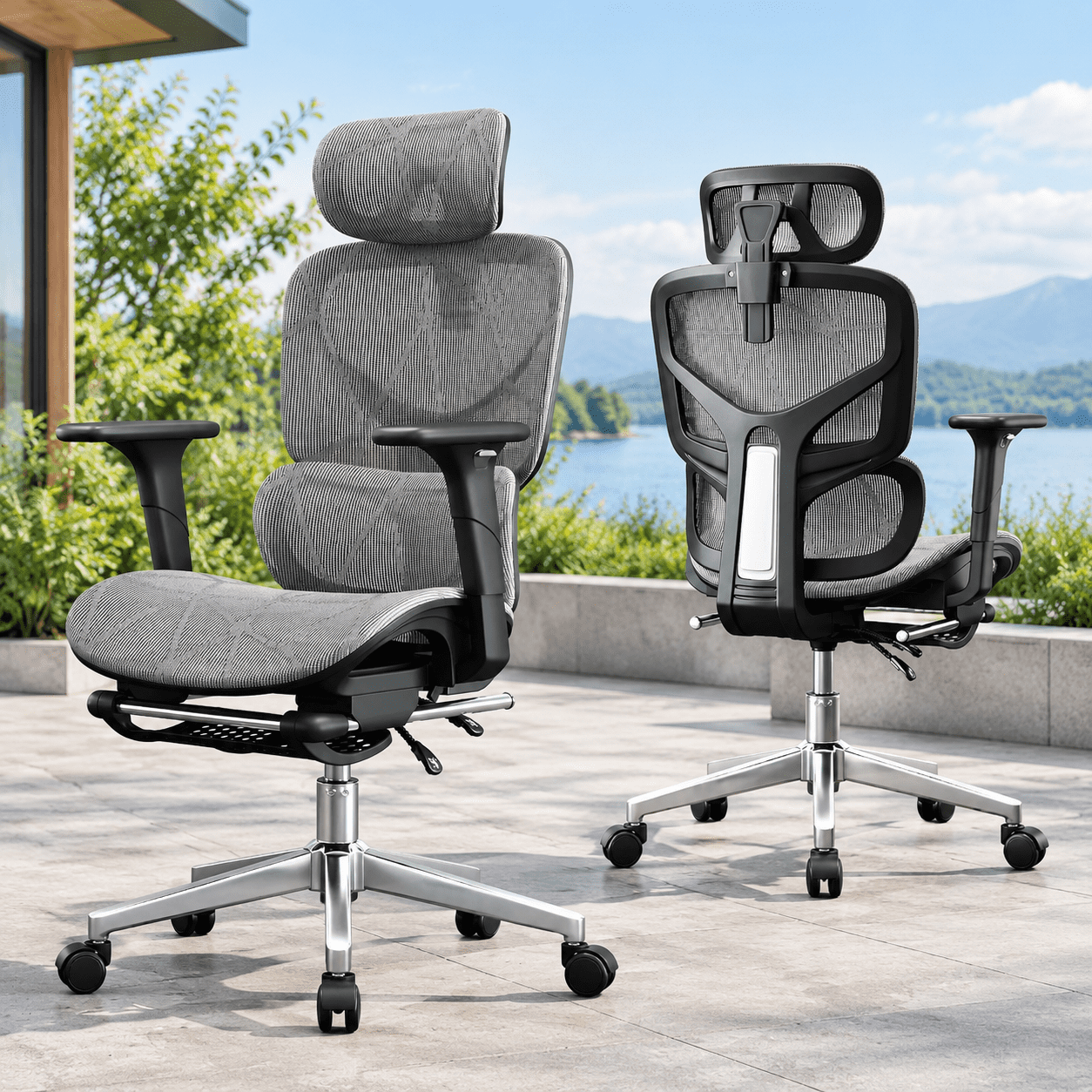
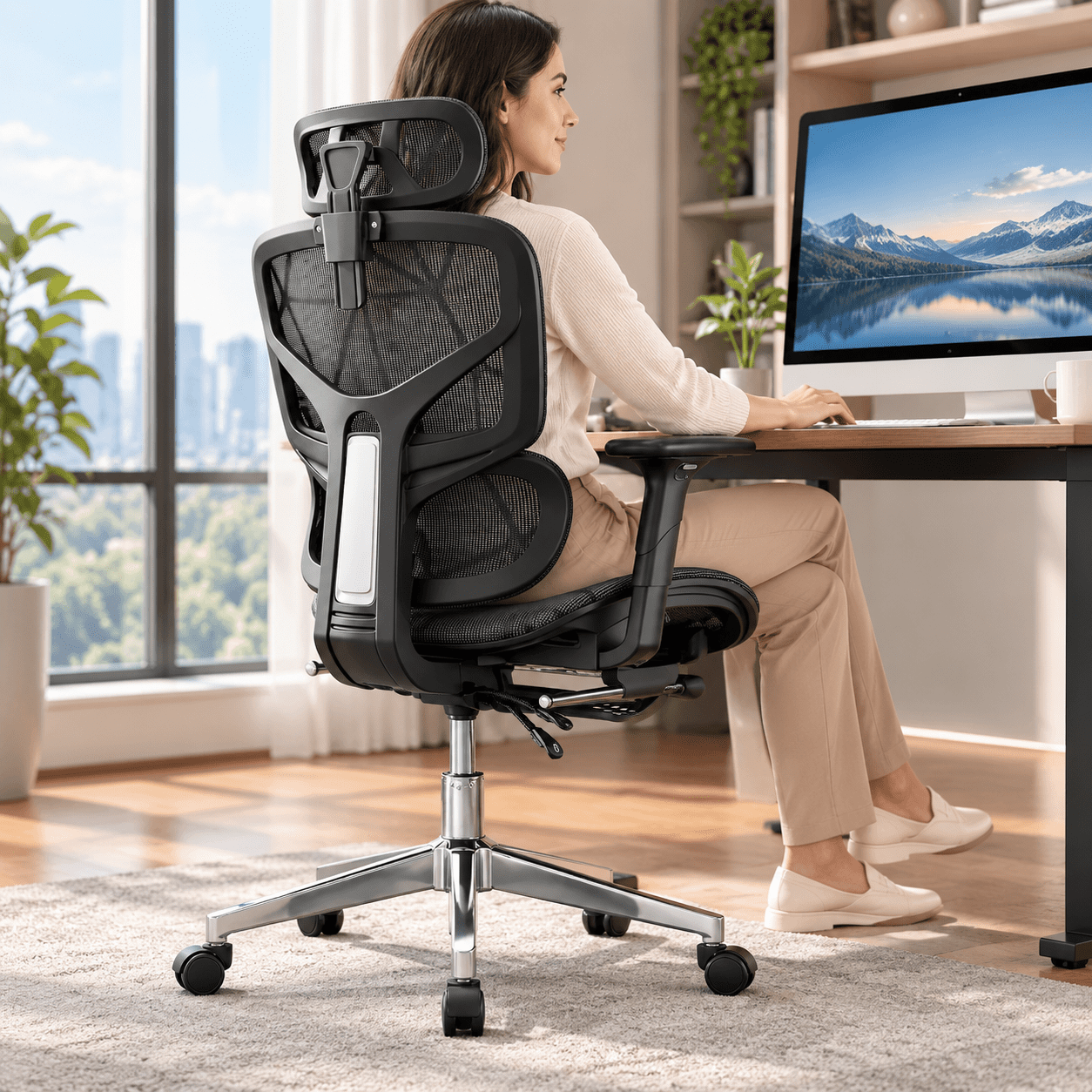
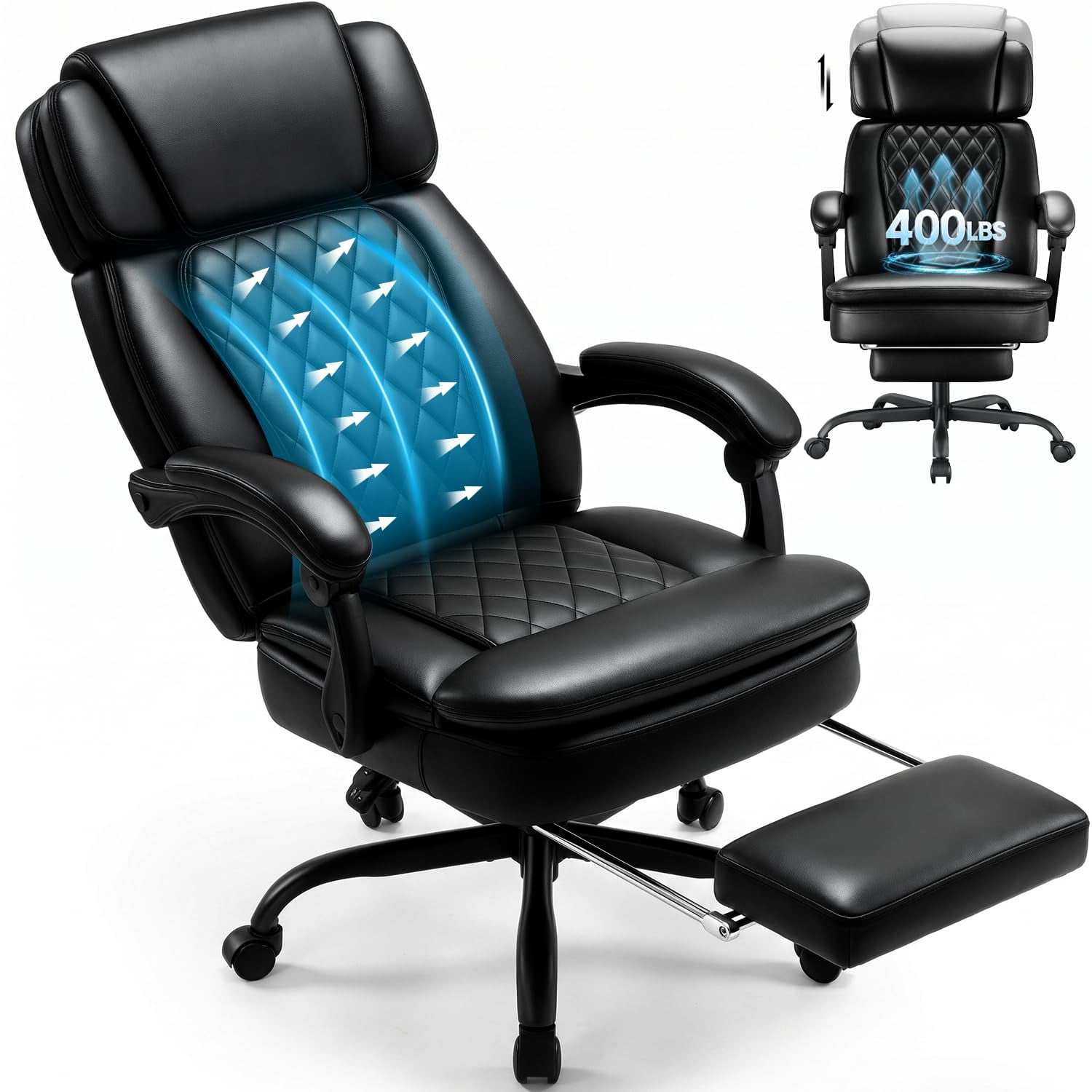
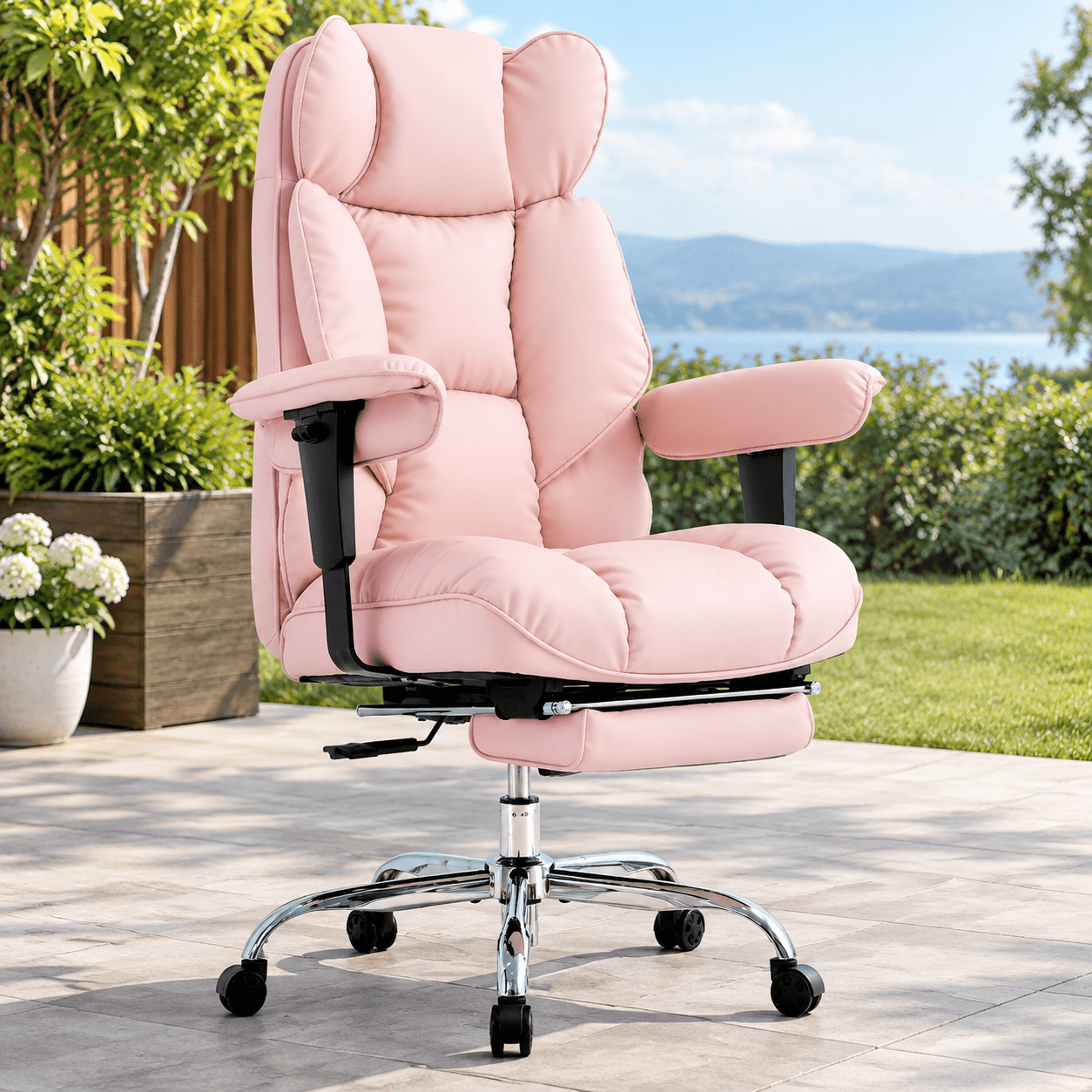
Why Standard Office Chairs Fail at 400lbs—and What to Look For
Imagine a bridge designed for cars trying to support a loaded freight truck. That's the stress a standard 250lb-rated office chair endures when a 400lb individual uses it. The components—gas lift, base, casters—simply aren't engineered for that load. A dedicated office chair for 400lbs is like a reinforced span: thicker steel, wider stance, and certified components. According to industry data from the Business + Institutional Furniture Manufacturers Association (BIFMA), chairs tested to double the standard load (approx. 500lbs) have a failure rate near zero compared to 18% for standard chairs under heavy use. This isn't just about durability; it's about safety.
The 'Over-Engineering' Principle: Why 400lbs is a Smart Threshold
Chairs rated for 400lbs typically undergo testing at 500lbs or more. This buffer ensures that everyday use—leaning, shifting, reclining—never pushes the chair to its breaking point. You're not just buying a seat; you're buying a mechanical system built with a margin of error. This is the same principle used in commercial aviation and heavy machinery: build for more than you need, and it will last.
The Hidden Cost of an Undersized Chair
Beyond the immediate risk of collapse, sitting in a chair not built for your frame has insidious effects. A seat pan that's too narrow creates pressure points on the thighs, restricting blood flow. Insufficient lumbar support leads to 'chair slump', compressing spinal discs. A wobbly base forces micro-adjustments in your core muscles, leading to fatigue and back pain. Choosing the right heavy-duty office chair is preventive health care for your professional life. A study in the journal 'Ergonomics' found that workers with properly fitted, high-capacity seating reported 47% less lower back discomfort by the end of the work week.
Anatomy of a True 400lb Capacity Office Chair
Let's dissect the critical components that separate a genuine heavy-duty chair from a standard one dressed in wider upholstery. When you're shopping for an office chair for 400lbs, these are the non-negotiable features.
1. The Foundation: Five-Star Base
• Material: Look for a base made of solid steel or reinforced nylon with a metal core. Avoid standard plastic bases; they can crack under prolonged 400lb load. The base should have a wide span (at least 28 inches) for stability.
• Design: The arms of the base should be thick and tapered towards the casters to distribute weight evenly.
2. The Heart: Class 4 or 5 Gas Lift
This is the hydraulic cylinder that raises and lowers the seat. Gas lifts are rated by class:
Always check the specification: a genuine 400lb chair will explicitly mention a Class 4 or 5 lift.
3. The Contact Points: Seat Pan and Backrest
• Seat Width: Standard seats are 19-20 inches wide. For a 400lb capacity chair, look for a seat width of 22 inches or more to prevent spillover and pressure points.
• Seat Depth: Adjustable seat depth is crucial. It allows you to set the seat so there's a 2-3 finger gap between the back of your knee and the seat edge, promoting proper circulation.
• Foam Density: High-density foam (often 2.5lbs per cubic foot or higher) resists flattening. Look for terms like "molded foam" or "cold-cured foam" which indicate durability. A chair that feels plush in the showroom but uses low-density foam will 'bottom out' within months.
4. The Mobility: Casters and Floor Protection
Standard casters often fail under 400lbs. You need heavy-duty dual-wheel casters with a metal core. The wheel material depends on your floor:
- Hard floors (wood/tile): Soft, non-marking polyurethane casters. They grip and roll without scratching.
- Carpet: Hard nylon casters that roll easily over fibers without sinking.
Many premium heavy-duty chairs allow you to swap casters, a sign of thoughtful engineering.
5. Frame Construction: The Unsung Hero
The internal frame, often hidden by upholstery, is critical. A one-piece steel back frame welded to the seat frame provides torsional rigidity. Avoid chairs where the back is attached with a single thin bolt—this is a common failure point. Look for descriptions mentioning "reinforced steel frame" or "integrated frame construction."
Material Comparison for 400lb Rated Chairs
| Component | What to Avoid | What to Look For |
|---|---|---|
| Base (Star) | Standard nylon plastic (flexes under load) | Steel, aluminum alloy, or polyamide with steel insert |
| Gas Lift | Class 2 or 3 (rated under 300lbs) | Class 4 or 5 with BIFMA certification |
| Casters | Single-wheel plastic casters | Dual-wheel, metal core, with appropriate tread |
| Upholstery | Thin bonded leather or thin fabric | Heavy-duty fabric (500+ double rubs), top-grain leather, or commercial-grade vinyl |
Step-by-Step Guide: How to Select Your 400lb Office Chair
Step 1: Measure Your Space and Yourself
• Desk height: Ensure the chair's maximum seat height (usually 20-22 inches for heavy-duty models) matches your desk.
• Seat width: Measure your hips while seated. Add 2 inches for comfortable side support.
• Weight verification: Confirm the chair's published capacity is at least 400lbs, preferably tested by BIFMA standards.
Step 2: Prioritize Adjustability
• Seat depth adjustment: Non-negotiable for proper thigh support.
• Backrest height adjustment: Allows lumbar support to hit the right spot.
• Tilt tension: Must be adjustable with a strong spring to accommodate higher weight.
• Armrests: 4D armrests (height, width, depth, pivot) are ideal, but at minimum they should be height-adjustable and wide-set.
Step 3: Assess the Warranty and Return Policy
A chair built for 400lbs should come with a robust warranty. Look for at least a 10-year warranty on the frame and mechanism, and a 2-5 year warranty on upholstery and parts. A generous return policy (30 days or more) lets you test the chair in your own environment.
Step 4: Read for Real-World Feedback
Search for reviews from users of similar stature. Look for comments on long-term durability, caster performance on your floor type, and whether the seat cushion holds its shape after 6 months. A chair that works for someone half your weight may not work for you.
Real Data: Why 400lbs is the New Benchmark
According to the National Center for Health Statistics, the average American man weighs nearly 200lbs, and over 40% of adults are classified as having a high body mass index. Consequently, the demand for office chairs supporting 300-400lbs has grown by over 300% in the last decade. Manufacturers have responded with chairs that not only hold the weight but are ergonomically designed for larger frames. The BIFMA X5.1 standard, a voluntary testing protocol for office chairs, now includes a heavy-duty test for products claiming over 300lbs capacity. When you see "Meets or exceeds BIFMA standards," it's a sign the chair has been rigorously tested.
Frequently Asked Questions: 400lb Office Chairs
Conclusion: Invest in Your Foundation
Choosing an office chair for 400lbs is not a luxury; it's a fundamental investment in your daily well-being and professional performance. The right chair provides a stable, supportive platform that allows you to focus on your work without distraction or discomfort. Look for the hallmarks of true heavy-duty engineering: a reinforced steel frame, a Class 4 or 5 gas lift, a wide, stable base, and high-density foam. By prioritizing these features, you're not just buying a chair—you're buying years of productive, comfortable, and safe seating.