
The Foundation of Comfort: Why "Extra Wide" and "Heavy Duty" Matter
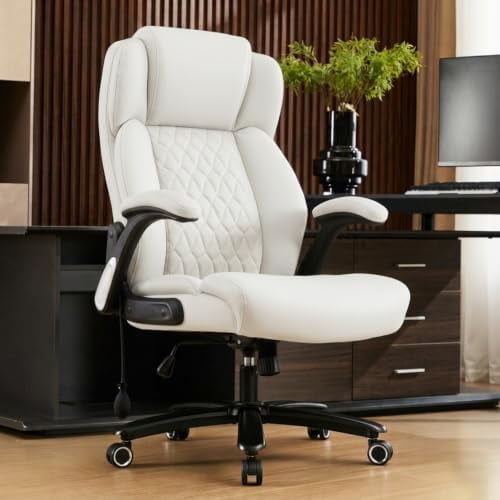
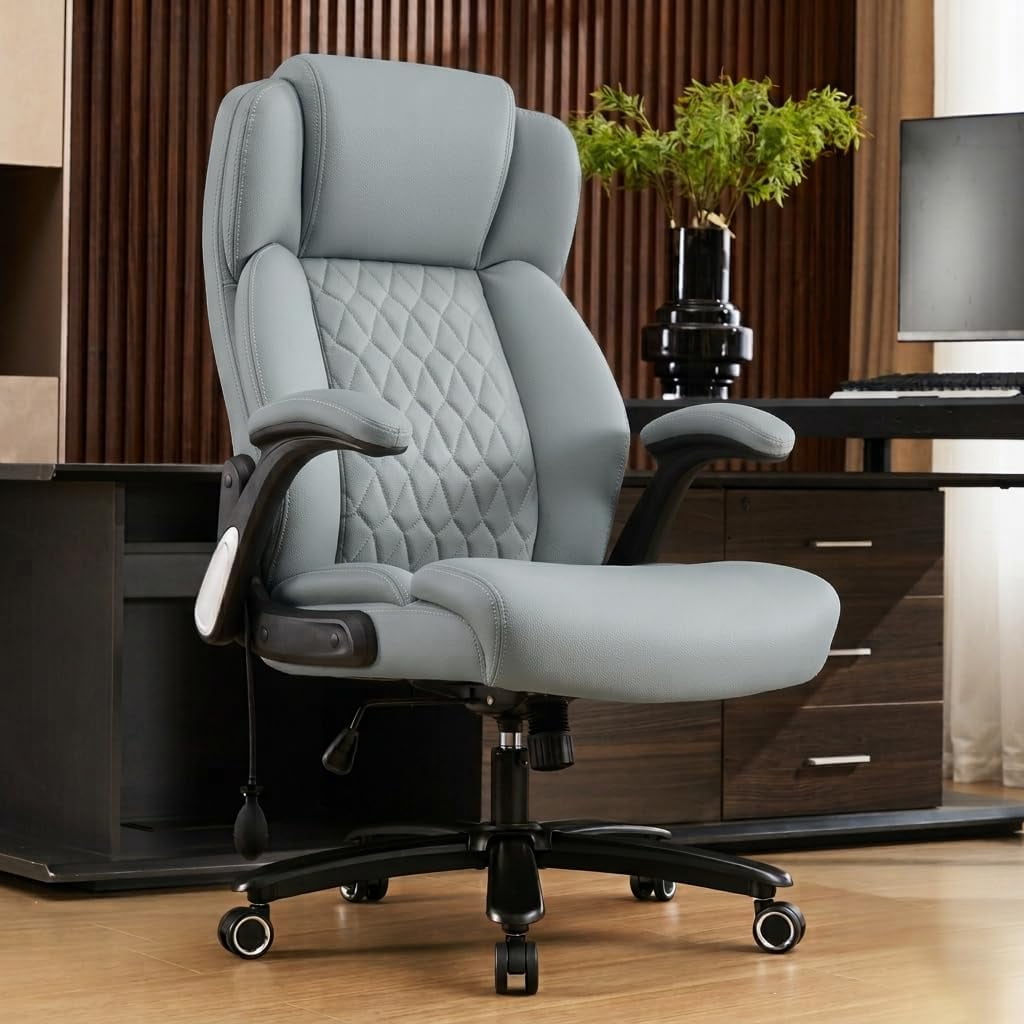
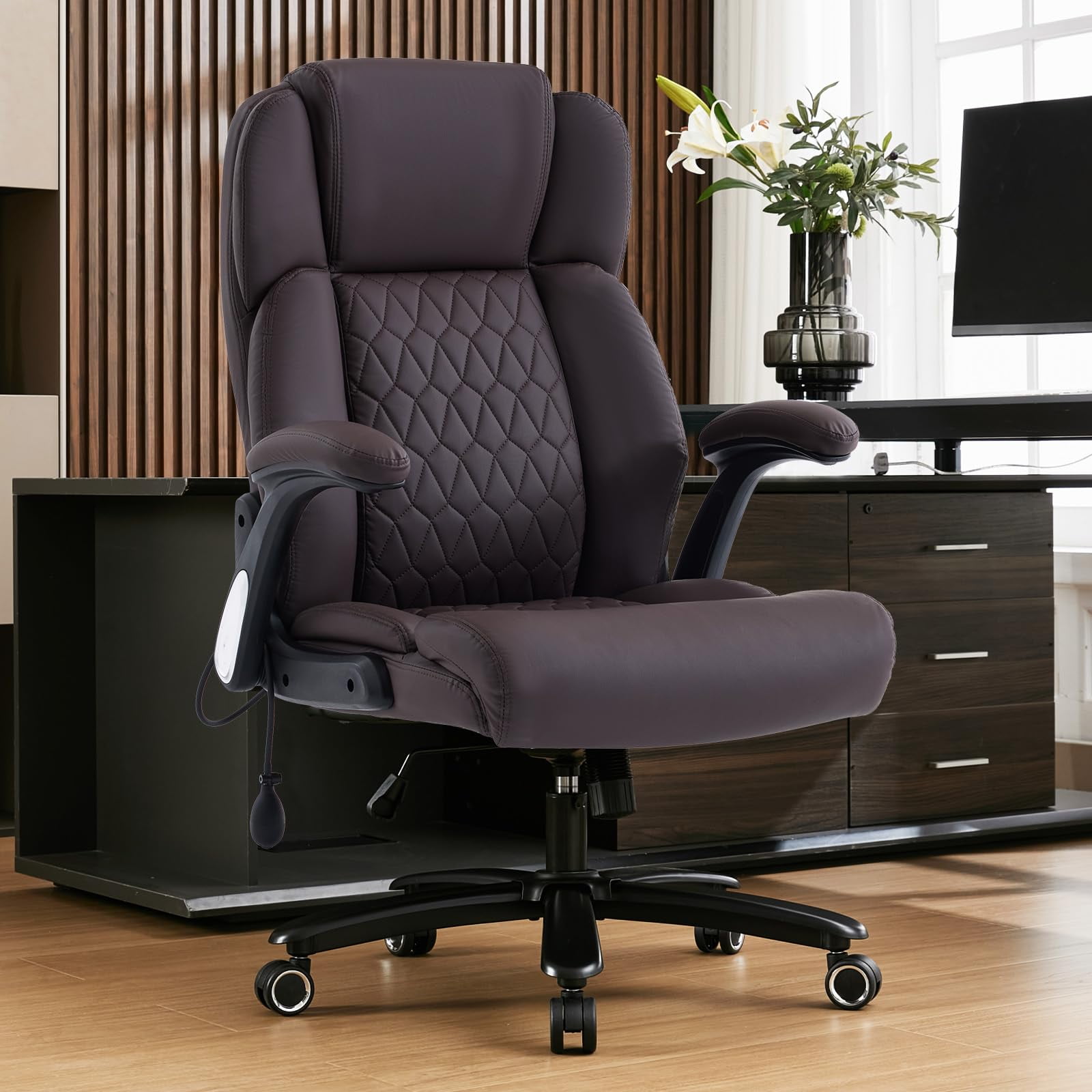
Imagine trying to fit into a suit that’s two sizes too small—it restricts movement, causes discomfort, and simply doesn’t work. The same logic applies to office chairs. For individuals with broader frames or those seeking a reinforced, long-lasting seat, a standard chair is like that ill-fitting suit. An extra wide heavy duty office chair is engineered from the ground up to provide the space and support your body deserves. It’s not just about weight capacity; it's about the quality of your work life.
Did you know? According to the CDC, the average seat width of a standard office chair (18-20 inches) accommodates only about 60% of the male population comfortably. An extra wide chair (24+ inches) ensures that your hips and thighs are fully supported, preventing pressure points that can lead to numbness and long-term circulation issues.
Anatomy of a True Heavy-Duty Chair: Beyond the Weight Rating
When shopping for an extra wide heavy duty office chair, look beyond the maximum weight number. A truly durable chair excels in four critical areas:
- Reinforced Base: The five-star base should be made of heavy-gauge steel or solid aluminum, not plastic. This prevents cracking under stress.
- Oversized Gas Lift: Standard Class 2 or 3 gas lifts are insufficient. Heavy-duty chairs use Class 4 or 5 lifts, rated for higher loads and providing smooth, reliable height adjustment.
- Dual-Hardness Foam: The seat cushion should have a firmer foam core for support and a softer top layer for comfort. This prevents the dreaded "bottoming out" feeling after an hour of sitting.
- Wider Armrests: Look for armrests that are not only adjustable but also wider and padded, providing adequate support for broader shoulders and arms.
5 Hidden Benefits of Upgrading to an Extra Wide Heavy Duty Chair
Most people think the only benefit is accommodating size, but the advantages ripple through your entire workday:
- Improved Posture: A seat that fits your frame correctly allows you to sit back fully, engaging the backrest. This naturally encourages better spinal alignment.
- Reduced Fidgeting: When you're comfortable, you're not constantly shifting to find a pain-free position. This leads to better focus and productivity.
- Enhanced Durability: Because the chair is built like a tank, it often lasts 5-10 years longer than a standard chair, making it a cost-effective investment.
- Better Temperature Regulation: Many heavy-duty chairs use breathable mesh or high-end leather that wicks heat, keeping you cooler than being cramped in a standard chair.
- Confidence & Professionalism: A chair that doesn't groan or wobble under you exudes quiet confidence in your workspace, whether you're in a client meeting or deep in focus.
Your Decision Matrix: Matching Chair to Your Body Type & Work Style
Selecting the perfect chair involves a self-assessment. Use this guide to pinpoint your needs:
The Broad-Shouldered Executive
Priority: Backrest width & armrest adjustability. Look for a backrest that is at least 22 inches wide and armrests that can pivot outward.
The Tall Professional (6'3"+ )
Priority: High backrest (30+ inches) and seat depth adjustment. Ensure the headrest is also adjustable to support the neck.
The Plus-Size User (250-400 lbs)
Priority: Weight capacity with a buffer (+100 lbs is ideal). Focus on steel frame construction and a wide, stable base.
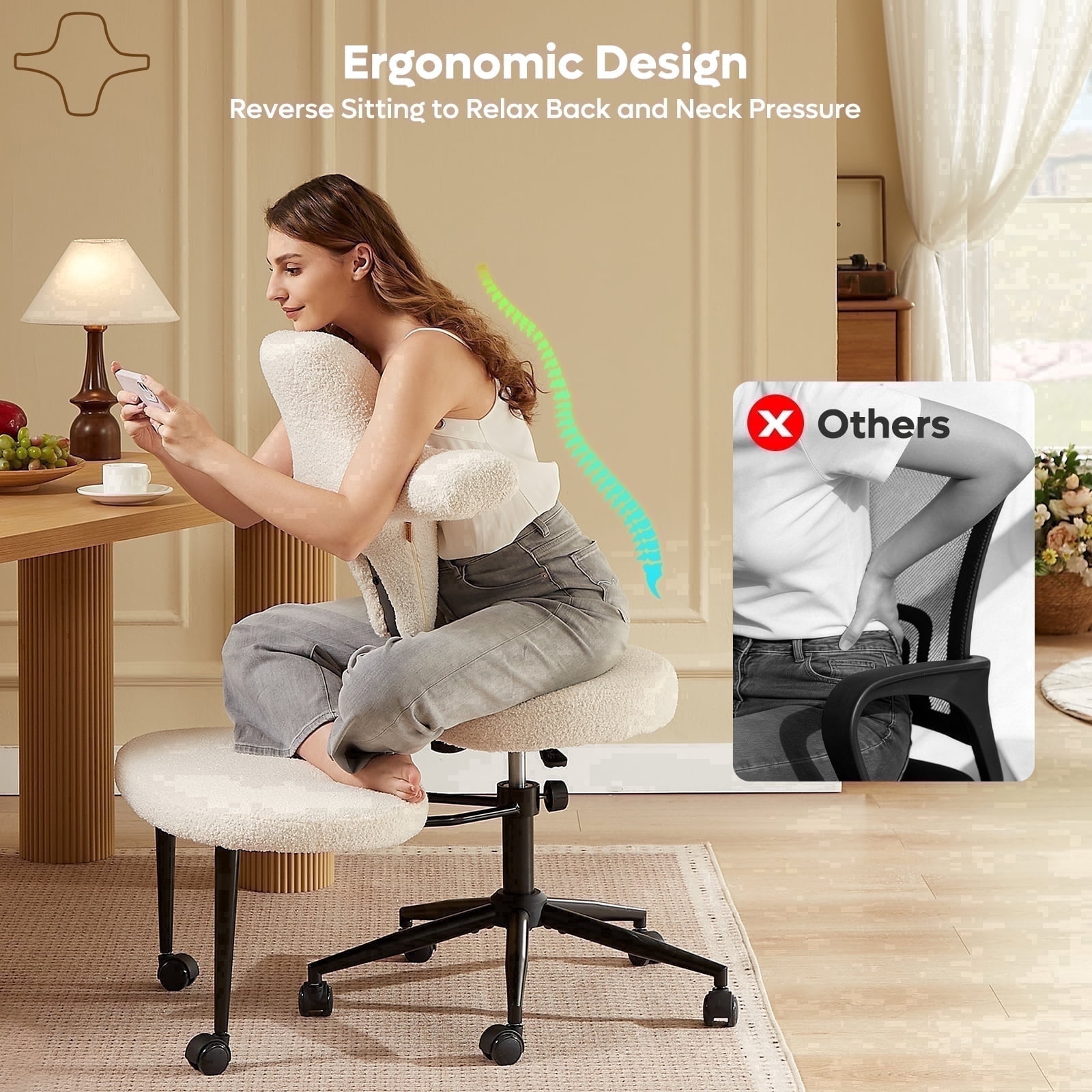
The "Cross-Legged" Sitter
Priority: Extra wide seat pan (28 inches or more) and a waterfall edge that doesn't dig into the legs when sitting in different positions.
Real-World Data: The Cost of Discomfort
A study published in the Journal of Occupational and Environmental Medicine found that employees with ergonomically mismatched furniture reported a 34% higher rate of musculoskeletal discomfort. For those in the "extra wide" demographic using standard chairs, this discomfort often translates into taking more sick days and reduced cognitive performance. Investing in a chair that fits is not an expense; it's a productivity safeguard.
Extra Wide vs. Standard: A Quick Comparison
| Feature | Standard Office Chair | Extra Wide Heavy Duty |
|---|---|---|
| Seat Width | 18" - 20" | 22" - 30" |
| Weight Capacity | Up to 250 lbs | 400 lbs - 800+ lbs |
| Base Material | Nylon / Plastic | Steel / Aluminum alloy |
| Gas Lift Class | Class 2 or 3 | Class 4 or 5 |
| Typical Lifespan | 3-5 years | 8-12 years |
Floor Protection & Mobility: Choosing the Right Casters
An often-overlooked aspect of heavy-duty chairs is the wheels. Standard plastic casters can flatten or snap under the extra weight. Look for chairs that come with or allow you to upgrade to:
- Dual-Wheel Casters: Distribute weight more evenly and roll smoother on carpets.
- Polyurethane (PU) Casters: Softer on hard floors (wood/tile), roll quietly, and resist flattening better than hard nylon.
- Braked Casters: If you're on an incline or want extra stability when standing up, some heavy-duty models offer locking casters.
Frequently Asked Questions About Extra Wide Heavy Duty Office Chairs
Conclusion: Invest in the Space You Deserve
Choosing an extra wide heavy duty office chair is a powerful statement that your comfort and health are priorities. It’s the difference between enduring your workday and thriving through it. With a reinforced frame, generous proportions, and ergonomic adjustability, these chairs are built to support you—literally and figuratively—for years to come. Use the guidelines above, assess your personal needs, and select a chair that feels like it was made just for you. Your back, your focus, and your productivity will thank you.