
Finding the Perfect Heavy Duty Ergonomic Office Chair
Finding a chair that feels both secure and comfortable can feel like searching for a needle in a haystack, especially if you're taller, larger, or simply want furniture built like a tank. A standard office chair might wobble, creak, or wear out too quickly, leading to discomfort and potential safety risks. This is where the heavy duty ergonomic office chair steps in. Think of it as the pickup truck of office seating—built on a reinforced frame, designed to handle heavy loads, and equipped with advanced features to ensure the ride is smooth, no matter how long the journey.
These chairs are not just about a higher weight capacity. They represent a philosophy of engineering where durability meets ergonomics. In this guide, we will dismantle the myths and lay out the facts, helping you invest in a chair that supports your body for years to come, boosting productivity and preventing the aches and pains associated with subpar seating.
The Critical Anatomy of a Heavy Duty Ergonomic Office Chair
To understand what makes these chairs different, we need to look under the hood. A standard chair and a heavy duty version might look similar from across the room, but the internal components are worlds apart. Here are the key areas where heavy duty chairs excel.
1. The Skeleton: Reinforced Frames & Mechanisms
The foundation of any good heavy duty chair is its frame. While standard chairs often use plastic or thin sheet metal, heavy duty variants utilize:
- Thicker Steel Construction: Look for chairs with a solid steel frame, especially in the backrest and seat pan. This prevents the chair from twisting or developing stress cracks over time.
- Heavy-Duty Gas Lift Cylinders: The cylinder is what allows you to adjust the chair's height. In heavy duty models, these are Class 4 or 5 cylinders, with a wider diameter and thicker walls to safely lift and lower heavier weights thousands of times without failing.
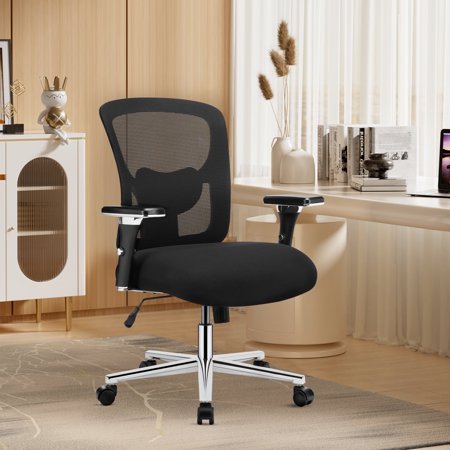
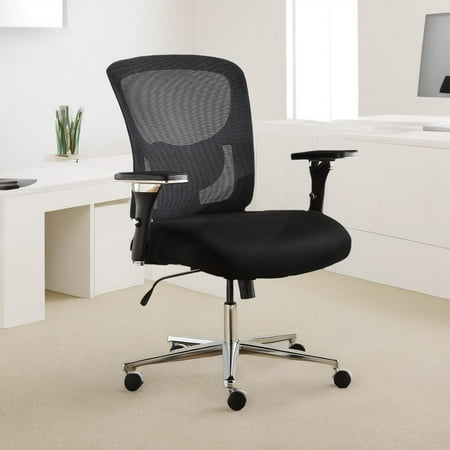
- Large Metal Base (The Star): The five-star base is often made of heavy-duty nylon or polished aluminum. It's designed with a wider span (like a longer wheelbase on a truck) to prevent tipping and distribute weight evenly. A common mistake is underestimating the importance of the base—it's your chair's foundation.
2. The Suspension & Tires: Casters Designed for Heavy Loads
If the frame is the skeleton, the casters are the tires. Standard casters can flatten, crack, or simply stop rolling under excessive weight. For a heavy duty chair, the casters are a critical safety and mobility feature.
- Dual-Wheel Casters: Instead of a single wheel, heavy duty casters typically feature two wheels mounted side-by-side. This doubles the surface area and distributes the load, making the chair much easier to roll, especially on carpets.
- Material Matters: You'll find casters made of hard polyurethane for carpets or soft rubber for hard floors. For heavy duty applications, ensure they are metal-housed to prevent the plastic housing from cracking under pressure.
- Braking Casters: Some heavy duty chairs offer lockable casters. This is a fantastic feature if you need the chair to stay absolutely still when you're standing up or sitting down, adding an extra layer of stability.
3. The Interior: High-Density Foam and Extended Seat Dimensions
Comfort in a heavy duty chair isn't just about having more padding; it's about having the right kind of padding. Standard foam can "bottom out" after a few months, losing its resilience and leading to pressure points on the hips and thighs.
- High-Density Foam: Look for seats with high-density, cold-cured foam. This type of foam is firmer initially but provides superior support and retains its shape for years. It's like a high-quality mattress compared to a cheap camping mat.
- Extra-Wide and Deep Seats: Heavy duty chairs often feature seat widths of 22 to 30 inches to accommodate larger body types comfortably. The seat depth should also be adjustable to ensure proper support for the thighs—you want about 2-4 fingers of space between the back of your knee and the seat edge.
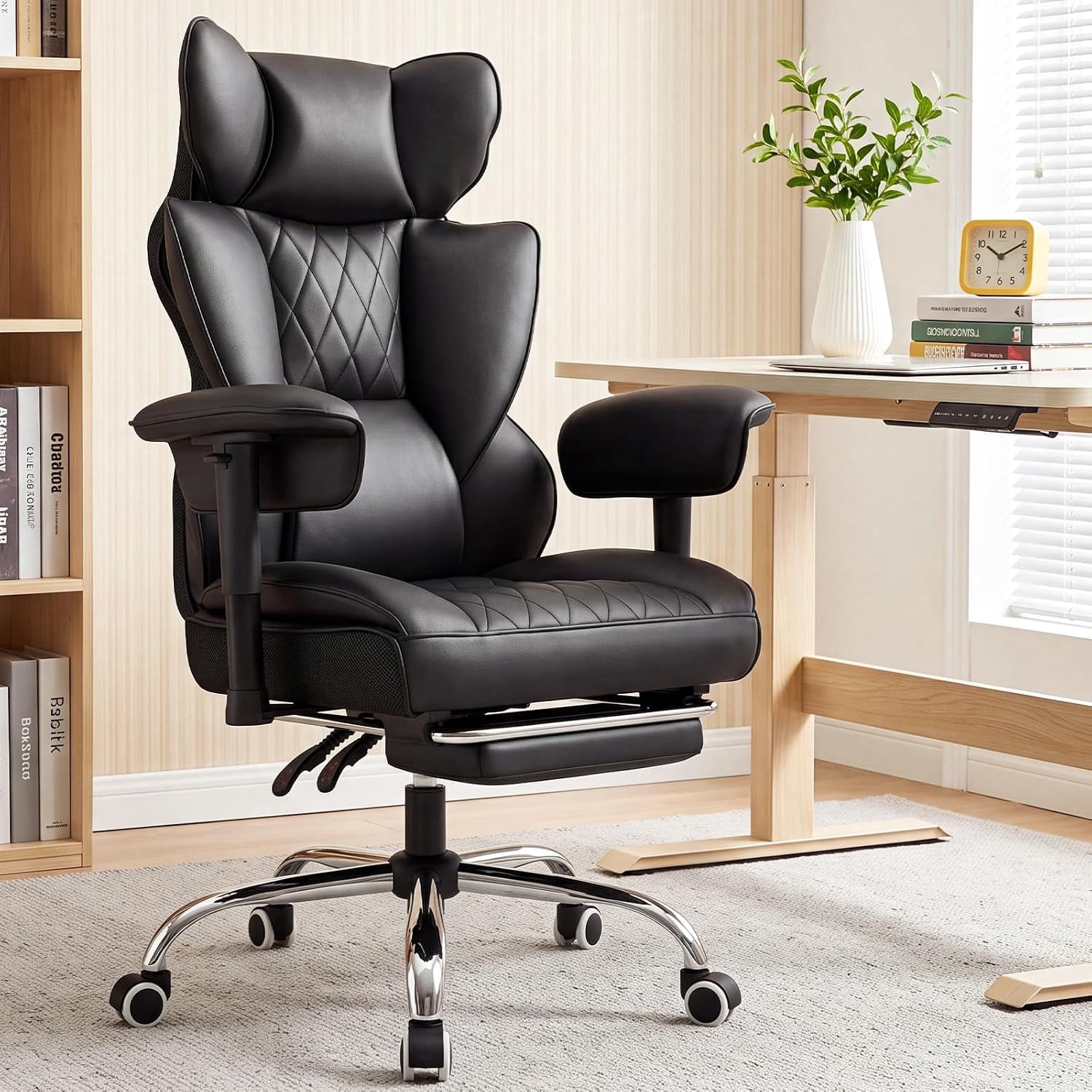
- Waterfall Edge: This design feature, where the front of the seat curves gently downward, is crucial for preventing circulation issues in the legs by reducing pressure on the underside of the thighs.
4. The Ergonomics: Support Systems for Larger Frames
A chair can be built like a tank, but if it doesn't support your spine correctly, it's just an uncomfortable tank. True heavy duty ergonomic chairs integrate support systems designed for larger frames.
- Adjustable Lumbar Support: This is non-negotiable. The lumbar (lower back) support must be adjustable in both height and depth. For heavier users, the support needs to be firmer to counterbalance the weight and maintain the spine's natural S-curve. According to ergonomic studies, proper lumbar support can reduce spinal disc pressure by up to 35%.
- 4D Armrests: Armrests on heavy duty chairs are not just wider; they are highly adjustable. "4D" means you can move them up/down, forward/back, side-to-side (pivot), and sometimes even widen them. This allows you to keep your shoulders relaxed and your elbows at a 90-degree angle, preventing neck and shoulder strain.
- Robust Recline Mechanism: A synchronized or multi-position recline mechanism allows the backrest and seat to move in harmony. For heavy duty chairs, this mechanism is built with stronger springs and gears, allowing for smooth, controlled reclining without sudden drops or jerky movements.
5. Material Selection: Upholstery That Lasts
The outer layer must withstand constant friction and pressure without tearing or wearing thin. Material choice affects both durability and comfort.
- Premium Bonded Leather or Top-Grain Leather: These are durable, easy to clean, and mold to the body over time. They offer a professional look but can be warm.
- Heavy-Duty Fabric: High-quality, tightly woven fabrics (like those used in commercial aviation) are incredibly breathable and durable. They are often reinforced with extra stitching in high-stress areas.
- Reinforced Mesh: For backrests, a high-tensile mesh is fantastic for breathability. On heavy duty chairs, this mesh is woven tighter and attached to a stronger frame to prevent sagging.
Quick Comparison: Standard vs. Heavy Duty Components
| Component | Standard Office Chair | Heavy Duty Ergonomic Chair |
|---|---|---|
| Frame Material | Thin steel or reinforced plastic | Thick-gauge steel, fully welded |
| Gas Lift Cylinder | Class 2 or 3 (up to 250 lbs) | Class 4 or 5 (400 to 500+ lbs) |
| Base Diameter | 25-27 inches | 28-30 inches |
| Seat Width | 18-20 inches | 22-28 inches |
| Caster Type | Single-wheel, plastic | Dual-wheel, metal-housed |
Your 4-Step Buying Guide for a Heavy Duty Ergonomic Office Chair
Navigating the market can be overwhelming. Use this simple step-by-step framework to make an informed decision.
- Step 1: Define Your "Heavy Duty" Needs. Don't just look at the maximum weight capacity. Consider your height, thigh length, and shoulder width. A chair rated for 400 lbs will feel different for a 5'8" person versus a 6'4" person. Measure your current chair to understand what seat width and depth feels best.
- Step 2: Prioritize the "Big Three" Adjustments. Focus on chairs that offer at least: a) Adjustable lumbar support, b) Seat depth adjustment, and c) 4D armrests. These three features will solve 80% of your comfort and posture issues.
- Step 3: Read the Warranty, Not Just the Reviews. A company that builds a true heavy duty chair will stand behind it. Look for warranties that cover the frame for 10+ years and the mechanism and foam for at least 2-5 years. This is the manufacturer's vote of confidence in their product.
- Step 4: Test the Roll. If possible, check the type of casters included. Ensure they match your floor type (carpet or hard floor). If you buy online, check if the company offers free replacement casters, as this is a common point of customization.
Injury Prevention
Sturdy support reduces the risk of chair collapse and repetitive strain injuries.
Enhanced Circulation
Wider, waterfall seats prevent pressure on the thighs, keeping blood flowing.
Long-Term Value
A $600 heavy duty chair often outlasts three $200 standard chairs, saving money.
Unshakeable Stability
No wobbling, creaking, or tipping gives you confidence and focus.
Frequently Asked Questions About Heavy Duty Ergonomic Office Chairs
Conclusion: Invest in the Foundation of Your Workday
Choosing a heavy duty ergonomic office chair is one of the most important investments you can make for your professional life and physical health. It's the foundation upon which your productive hours are built. Skimping on this foundation is like building a house on sand—eventually, things will shift, crack, and become unstable.
By focusing on the key components we've discussed—the reinforced frame, heavy-duty gas lift, high-density foam, and critical ergonomic adjustments—you can filter out the noise and find a chair that offers true, lasting support. Whether you are a plus-size user seeking comfort or simply someone who values furniture that is "built to last," the market today offers incredible options that blend industrial-strength construction with sophisticated ergonomic science. Take your time, use our guide, and choose a chair that will have your back for the next decade.