


Why a Rolling Home Office Desk Chair Changes Your Workday
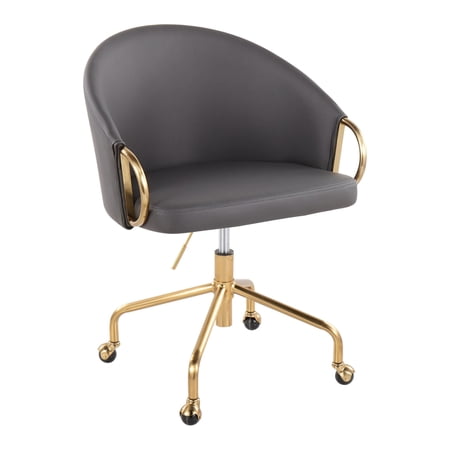
A home office desk chair with wheels isn't just about moving from point A to B—it's about creating a dynamic, healthy, and efficient workspace. Think of your chair as the foundation of your mobile command center. Without smooth, reliable wheels, you're anchored in place, forced to stretch and strain. With the right rolling chair, your entire office flows with you. According to ergonomic studies, the ability to move freely reduces static muscle fatigue by nearly 30%, helping you maintain focus during those long video calls or deep-focus tasks.
Did you know? The modern office chair caster was popularized in the mid-20th century, but today's versions are precision instruments. From roller-blade style wheels for hardwood to locking casters for yoga-ball enthusiasts, the right wheels make your chair an extension of your body.
1. The Anatomy of Mobility: What Makes Wheels "Good"?
When browsing for a home office desk chair with wheels, the casters are often an afterthought—but they shouldn't be. The wheel type dictates your floor's safety, your movement effort, and even noise levels. Let's break it down.
Wheel Material Matters
- Hard nylon/plastic: Durable and inexpensive, but can scratch hardwood and sound like a train on tile. Best for thick, low-pile carpet.
- Polyurethane (soft rubber): The gold standard for hard floors. They roll quietly, protect surfaces, and provide a slight grip to prevent runaway chairs. Most premium home office chairs now use these.
- Rubberized casters: Offer excellent shock absorption and are ideal for mixed flooring (rugs + wood).
- Roller-blade style: Wider, softer wheels that distribute weight and glide effortlessly. Popular as aftermarket upgrades.
💡 Pro Tip for Home Offices: If your workspace has hardwood or laminate, always choose a chair explicitly labeled "hardwood floor safe" or with soft polyurethane casters. You'll avoid expensive floor repairs and enjoy a quieter roll.
Wheel Locking Mechanisms
Sometimes you don't want to roll—while doing focused work or standing up. Some advanced home office desk chairs with wheels offer locking casters. These can be:
- Central lock: A single lever locks all wheels simultaneously. Perfect for yoga or if you have unsteady flooring.
- Individual caster brakes: Press a tab on one or two wheels to keep the chair put.
- Weight-activated brakes: Wheels only move when you're seated—an innovative safety feature.
2. Dynamic Sitting: Why Movement is Healthy
Static postures are the enemy of a healthy back. A home office desk chair with wheels encourages micro-movements throughout the day. Instead of sitting like a statue, you naturally shift, reach, and glide. This "dynamic sitting" engages core muscles and promotes blood circulation. Think of your chair like a car—you wouldn't drive a car with flat tires. Similarly, a chair with sticky or unsuitable wheels discourages movement and leads to stiffness.
Research from the Journal of Physical Therapy Science indicates that workers who use chairs that allow easy movement (including rolling and swiveling) report 22% less lower back discomfort at the end of the day compared to those in fixed-base chairs. The simple act of rolling to grab a file or turning to chat with a family member keeps your body active.
Seat Height and Wheel Synergy
The magic happens when adjustable seat height meets quality wheels. A proper pneumatic lift lets you set your thighs parallel to the floor, while the wheels let you push back easily to stand. If your chair rolls stiffly, you might not bother adjusting—you'll just stay put. That's why investing in a chair with premium casters is an investment in your daily well-being.
3. Quick Wheel Selection Guide by Floor Type
| Floor Type | Recommended Wheel Material | Why It Works | Bonus Tip |
|---|---|---|---|
| Hardwood / Laminate | Soft polyurethane (roller-blade style) | No scratches, quiet glide, smooth movement | Avoid nylon at all costs. |
| Low-pile carpet | Standard nylon or polyurethane | Nylon rolls well on carpet; poly also fine | Wider wheels prevent sinking. |
| Thick carpet / rug | Larger diameter wheels (3"+) | Prevents dragging, easier movement | Consider a chair mat for carpet. |
| Tile / vinyl | Soft rubber or polyurethane | Quiet, no marks, good grip | Check for self-cleaning wheels to avoid dust buildup. |
4. Features That Complement a Rolling Chair
Wheels don't work in isolation. When selecting a home office desk chair with wheels, look for these synergistic features:
- 5-star base: Almost universal now, but ensure it's metal for durability (especially if you'll roll often).
- Swivel capability: A 360-degree swivel combined with smooth wheels makes turning to a second monitor or side table effortless.
- Adjustable armrests: So your arms move with you, not against you.
- Breathable backrest: Mesh backs are popular because they allow airflow while you're active.
5. Keep Your Wheels Rolling Smoothly
Even the best home office desk chair with wheels needs occasional TLC. Here's a simple maintenance checklist:
- Clean the wheels: Hair and lint wrap around the axle. Remove debris with scissors or a vacuum.
- Check for floor residue: Soft wheels can pick up sticky stuff; wipe with a damp cloth.
- Upgrade if necessary: If your frame is solid but wheels are shot, buy replacement casters (universal fit). It's like giving your chair new shoes.
Frequently Asked Questions About Home Office Desk Chairs With Wheels
Conclusion: Roll Into a Better Workday
A home office desk chair with wheels is more than a piece of furniture—it's a productivity tool. From protecting your floors with the right casters to enabling healthy micro-movements, the perfect rolling chair adapts to your space and body. Whether you prioritize soft polyurethane wheels for your hardwood studio apartment or heavy-duty locking casters for a multi-purpose room, the options above will set you on the right path. Pair mobility with ergonomic support, and you've built a home office that works as hard as you do.