
Why Standard Chairs Fail: The Case for High-Capacity Engineering
Imagine a bridge designed for passenger cars trying to support a fleet of loaded trucks. It might hold for a while, but stress fractures, wobbling, and eventual failure are inevitable. The same principle applies to office chairs. A standard chair, typically rated for 250-300 pounds, is simply not engineered for the sustained pressure and wider dimensions required by a larger frame. A high capacity office chair is the "reinforced bridge" for your workspace—a non-negotiable investment in safety, comfort, and long-term durability.
Why It Matters: According to occupational health studies, using a chair not rated for your weight increases the risk of sudden collapse (causing injury) by over 60%. Furthermore, the constant stress on an under-rated mechanism leads to quicker wear on casters, cylinders, and the base, costing you more in replacements over time.
The Anatomy of a High Capacity Chair
What exactly makes a chair "high capacity"? It's a systematic upgrade of every component:
- Reinforced Steel Frame: Unlike standard chairs that may use plastic or thin metal, high-capacity chairs feature a heavy-gauge steel frame that resists twisting and cracking under load.
- Wider & Deeper Seat: Seats are typically 22 to 28 inches wide to provide proper thigh support without compression, preventing the "spill-over" effect.
- Industrial-Grade Gas Lift: Look for a Class 4 or Class 5 gas lift cylinder. These are tested to handle thousands of lift cycles under extreme pressure, ensuring the chair won't slowly sink or fail.
- Larger, Durable Casters: Standard casters can flatten or lock up under excessive weight. High-capacity chairs use larger, often metal-core, casters (3 inches or more) that roll smoothly even on carpets.
- High-Density Foam: The cushioning is firmer and thicker to resist bottoming out, maintaining comfort and support for years.
4 Hidden Benefits of Choosing a Heavy-Duty Chair (Even If You're Close to the Limit)
- The "Margin of Safety" Principle: If you weigh 280 pounds, a chair rated for 300 pounds has almost zero safety margin. Daily stress, leaning, and shifting can push it past its limit. A chair rated for 400+ pounds operates well within its design parameters, guaranteeing safety and longevity.
- Superior Stability: These chairs have a wider wheelbase and a lower center of gravity. You won't feel the chair tip when you lean back, offering a feeling of solidity that enhances focus.
- Better Weight Distribution: The wider seat and backrest prevent pressure points. This isn't just about comfort; it's about circulation and preventing numbness during long work sessions.
- Resale & Longevity Value: Because they are built with better materials, a high-quality heavy-duty chair can easily last 10-15 years. The total cost of ownership is often lower than buying a standard chair every 2-3 years.
Debunking Myths: "Will It Look Bulky?"
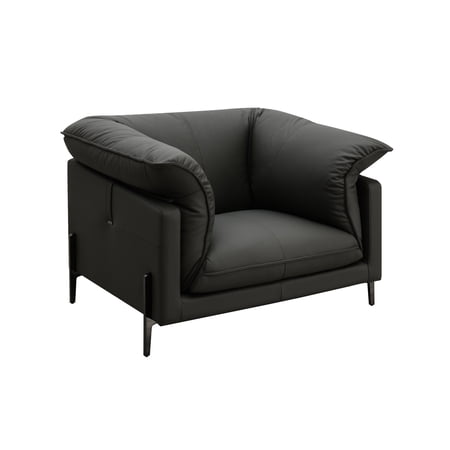
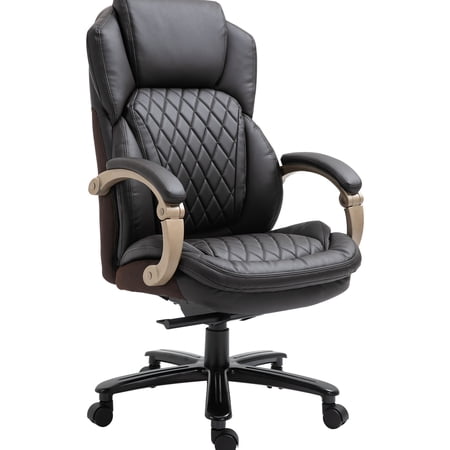
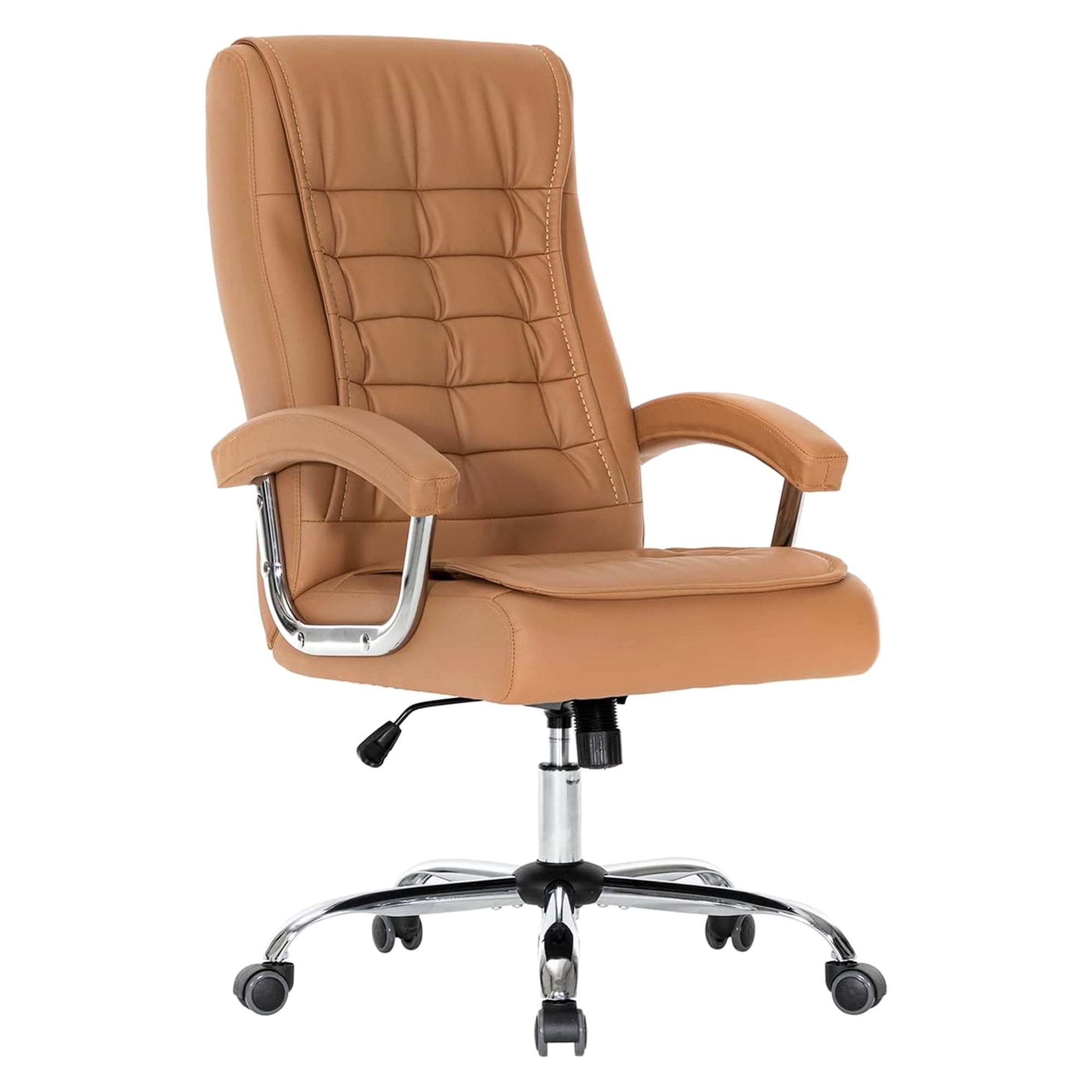
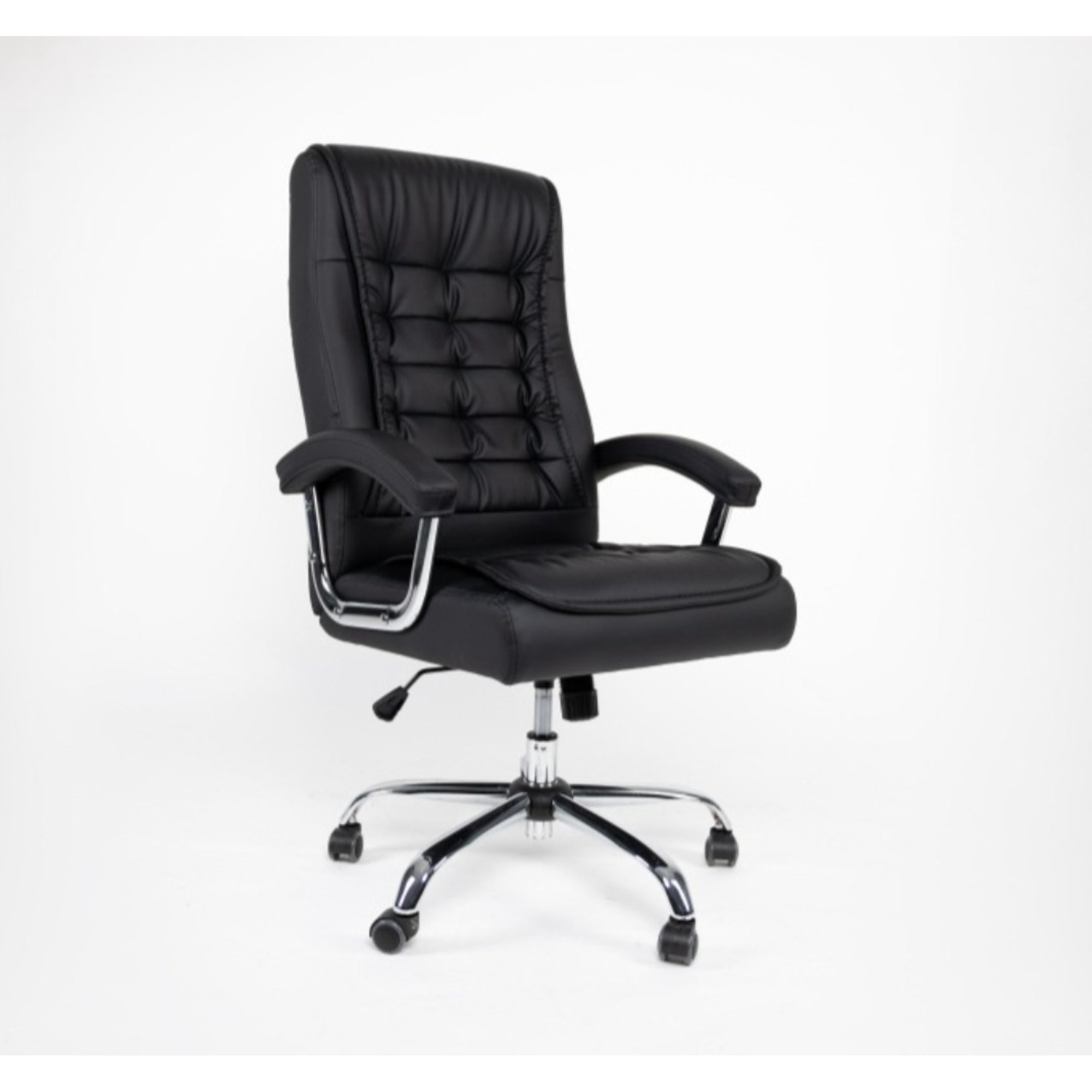
There's a persistent stereotype that heavy-duty chairs look like they belong in a factory or a medical waiting room. While purely utilitarian models exist, the market has evolved. Many manufacturers now produce "stealth" high-capacity chairs that look like premium executive or ergonomic task chairs. You can find them upholstered in bonded leather or breathable mesh, with sleek lines and professional color schemes. They convey authority and success, not a limitation.
Design Evolution: A 2023 survey by the Business Furnishings Council noted that 67% of "bariatric" or "high-capacity" chair sales were for use in executive offices and corporate settings, indicating a strong demand for professional aesthetics without compromising on strength.
Key Components Deep Dive: What to Inspect Before Buying
When shopping for a high capacity office chair, don't just look at the max weight number. Dig into these specifics:
| Component | Standard Chair | High-Capacity Chair |
|---|---|---|
| Base Material | Nylon/Plastic | Nylon with steel reinforcement or solid aluminum |
| Gas Lift Class | Class 2 or 3 | Class 4 or 5 (Certified by BIFMA) |
| Seat Width | 19-21 inches | 22-28 inches |
| Backrest Height | 20-22 inches | 25+ inches (often high-back for full support) |
| Caster Size | 2 inches | 3 inches or more, often with soft tread for carpets or hard floor variants |
Who Exactly Needs a High Capacity Chair?
- Big and Tall Individuals: The most obvious category. If you're over 6'2" or weigh over 250 lbs, a high-capacity chair provides the necessary frame size and support.
- Individuals Recovering from Injury: Those with back, hip, or knee issues need maximum stability and support, which heavy-duty chairs provide.
- Anyone Wanting "Buy-it-for-Life" Quality: If you're tired of chairs that wobble after a year, the over-engineered nature of these chairs makes them a smart long-term purchase.
- Home Offices with Multiple Users: A chair that can safely accommodate guests or family members of various sizes is a versatile choice.
Frequently Asked Questions About High Capacity Office Chairs
Conclusion: Invest in the Foundation of Your Workday
Your office chair is the physical foundation of your professional life. For those who need more from their seating, a high capacity office chair is not a luxury—it's a necessity. By prioritizing reinforced construction, generous dimensions, and certified components, you're investing in your immediate comfort, your long-term physical health, and your productivity. Don't settle for a chair that merely exists; choose one that supports you completely, every single day.
Final Recommendation: Always check the manufacturer's specifications for BIFMA (Business and Institutional Furniture Manufacturers Association) certification. This independent testing ensures the chair meets rigorous standards for safety, durability, and structural adequacy for its stated weight capacity.