
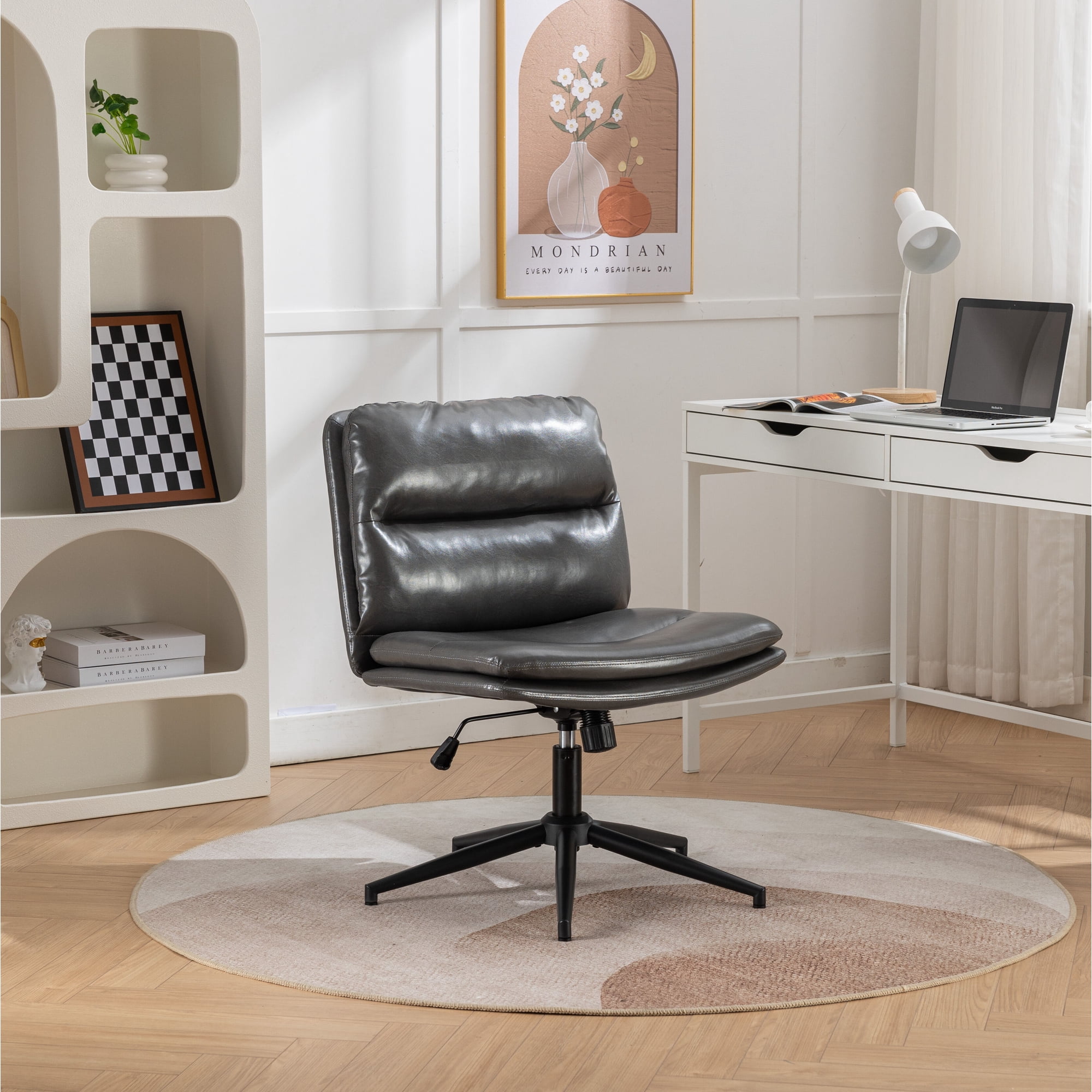
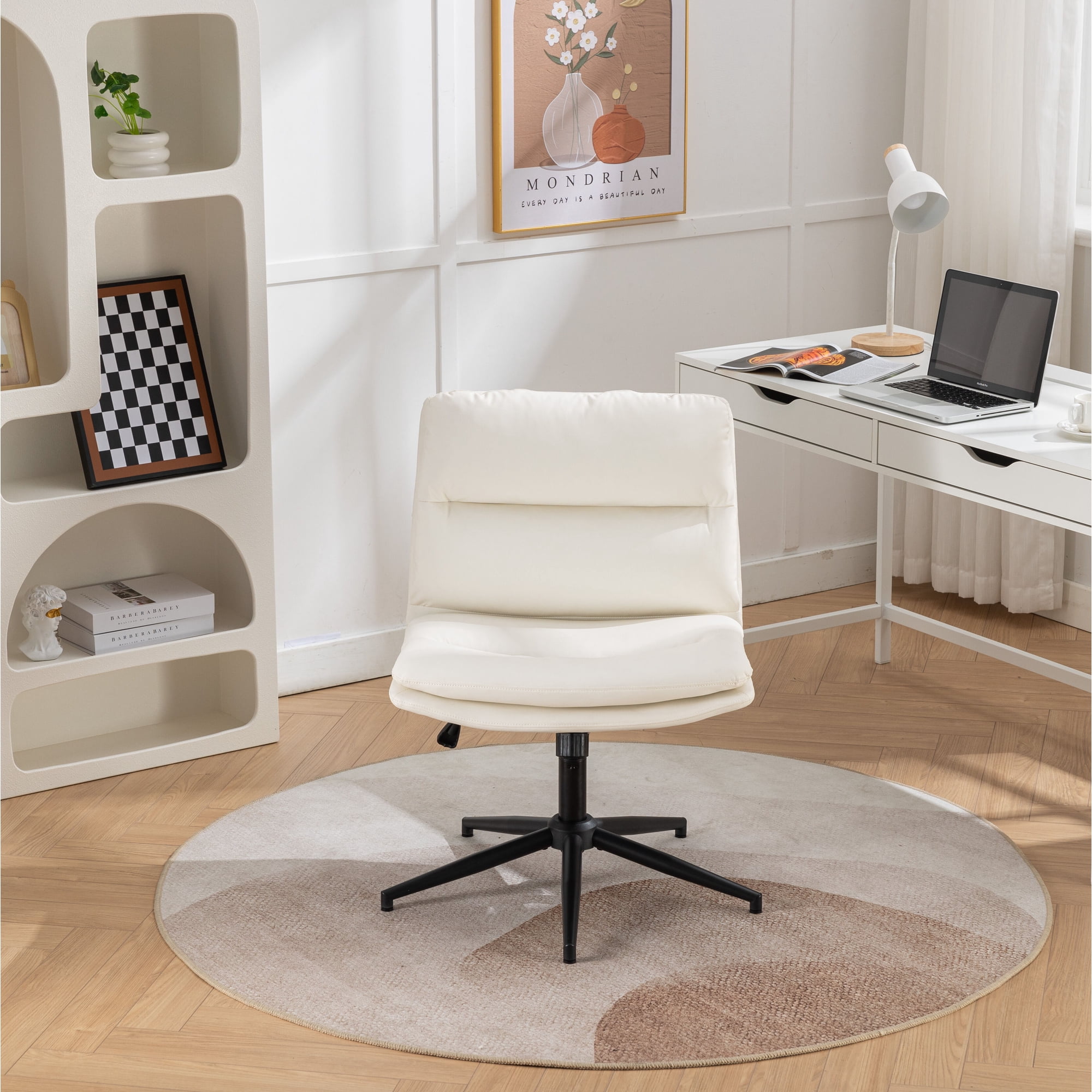
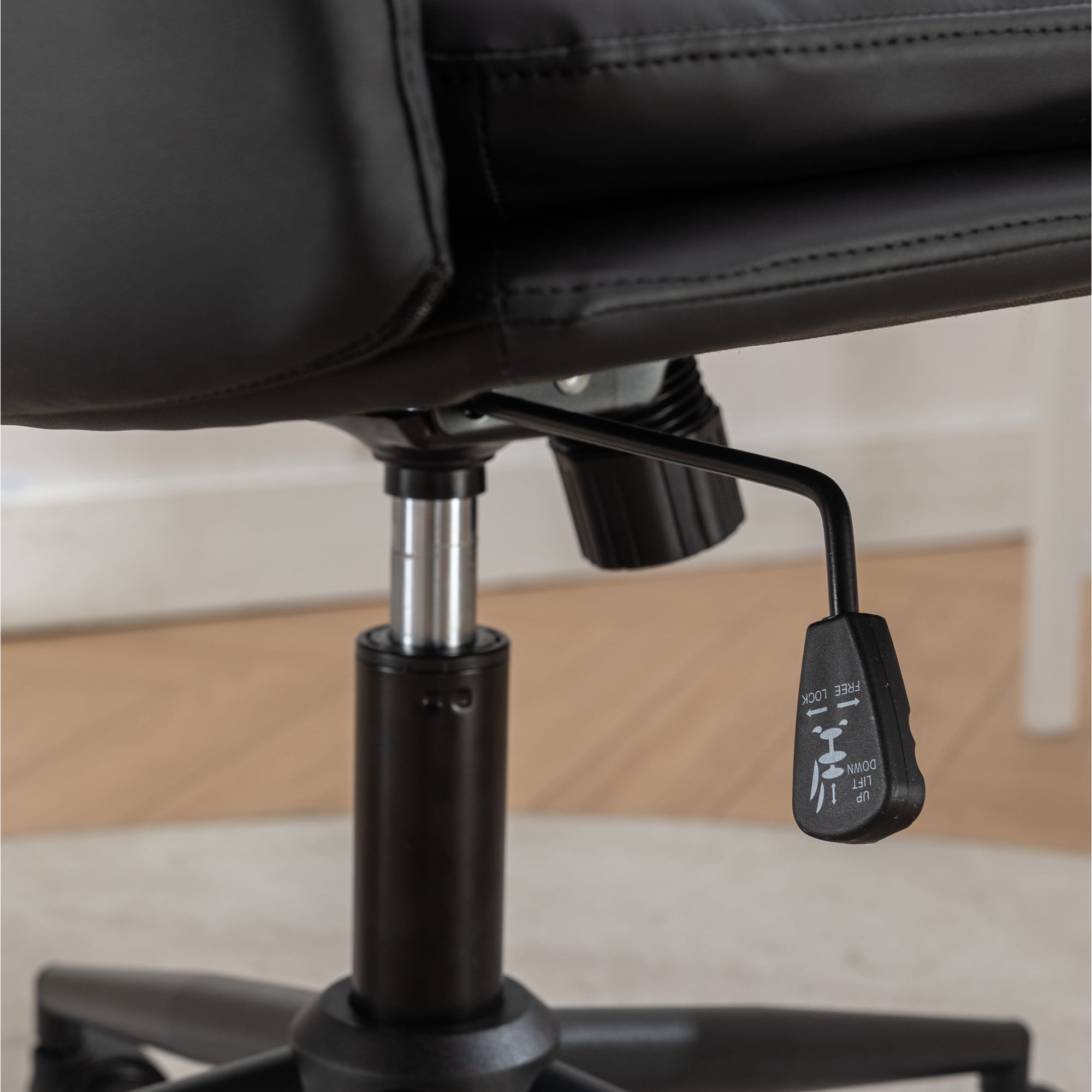
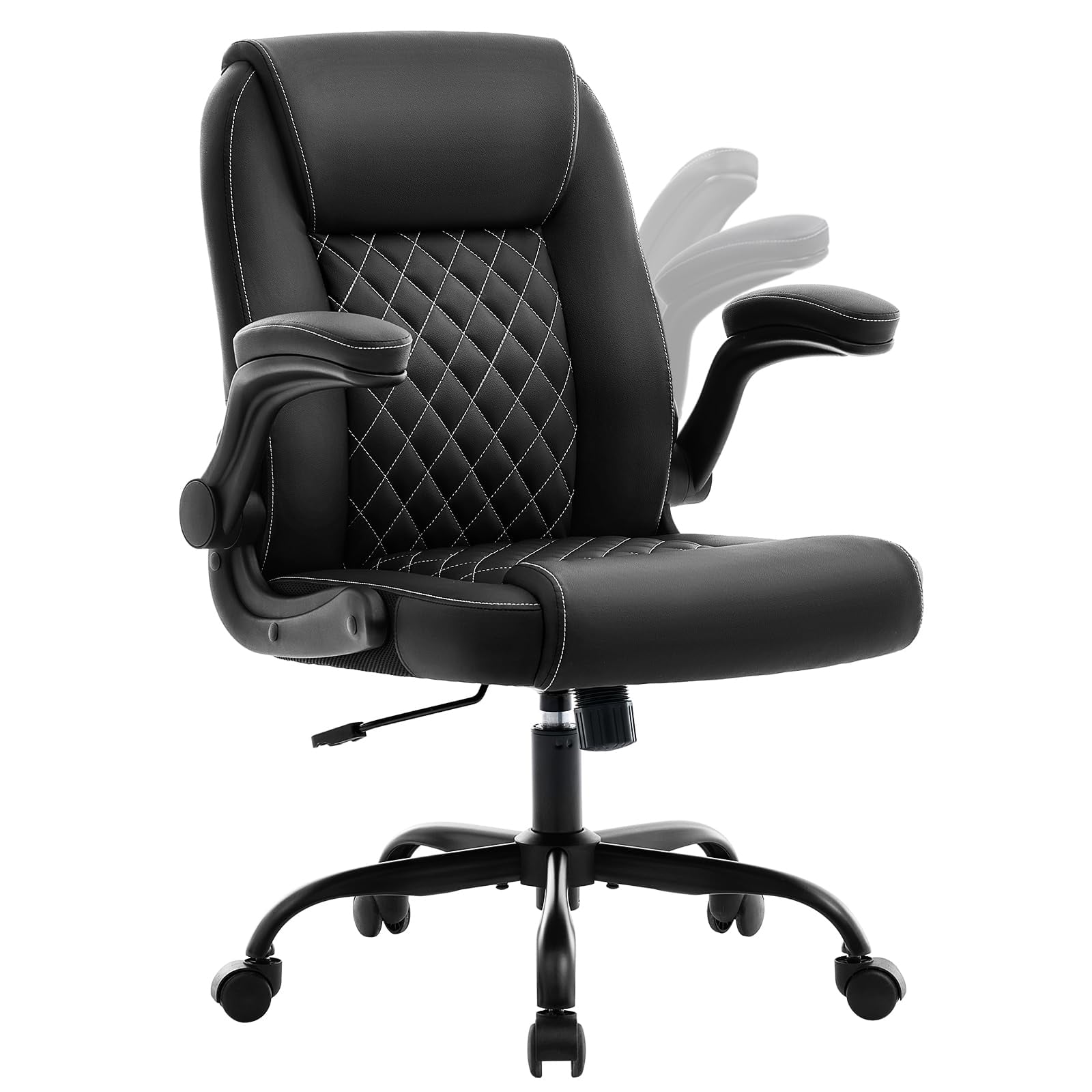
Why Invest in a Full Leather Office Chair?
A full leather office chair represents more than just a place to sit—it's a statement of professionalism, a commitment to quality, and an investment in your daily comfort. Unlike chairs that use leather only on seating surfaces, full leather office chairs feature genuine hide on all visible areas: backrest, seat, armrests, and often headrest. This comprehensive leather construction delivers unmatched durability and sophistication that synthetic materials simply cannot replicate.
Industry Data: According to office furniture industry reports, professionals spend an average of 1,800 hours per year in their office chair. A quality full leather office chair maintains its structural integrity and appearance for 10-15 years, compared to 3-5 years for bonded leather or fabric alternatives. This translates to a cost-per-hour of just $0.15-$0.30 for premium leather seating.
Understanding Leather Grades: What "Full Leather" Really Means
When shopping for a full leather office chair, understanding leather grades helps you make an informed decision. The term "full leather" can encompass several quality levels:
Full-Grain Leather
The highest quality leather available. Full-grain retains the natural grain surface without sanding or buffing, preserving the hide's natural strength and durability. It develops a beautiful patina over time and can last 15-20+ years. Look for chairs specifying "full-grain leather" for maximum longevity.
Top-Grain Leather
The second-highest grade, where the top layer is sanded and finished to remove imperfections. While slightly less durable than full-grain, top-grain offers excellent consistency and a uniform appearance. Most premium office chairs use top-grain leather.
Genuine Leather
Made from the lower layers of the hide, genuine leather is less durable but still 100% real leather. It offers a more affordable entry point into leather seating. Expect 5-8 years of service life with proper care.
Bonded Leather (Not Full Leather)
Bonded leather is made from leather scraps mixed with polyurethane. It's not considered "full leather" and typically lasts only 2-4 years before peeling or cracking. Always verify the specification to ensure you're getting genuine full leather.
🔄 Myth vs. Reality: Full Leather Office Chairs
Myth: "All leather chairs are hot and uncomfortable for long workdays."
Reality: Quality full-grain and top-grain leather are naturally breathable and actually help regulate body temperature. Unlike synthetic materials that trap heat, genuine leather absorbs excess moisture and releases it gradually, keeping you comfortable through 8+ hour work sessions.
Myth: "Leather chairs require too much maintenance."
Reality: Full leather chairs need only 10-15 minutes of care every few months. Basic dusting weekly, cleaning quarterly, and conditioning twice annually keeps leather supple and beautiful for years—far less maintenance than fabric chairs that require professional cleaning.
Myth: "Full leather means the entire chair is leather."
Reality: "Full leather" typically means all seating surfaces are leather, but the back and underside may use matching vinyl. True "all leather" chairs are rare and significantly more expensive. Read specifications carefully to understand exactly what's included.
10 Compelling Benefits of Full Leather Office Chairs
- Exceptional durability: Quality leather withstands daily use for 10-15 years without significant wear
- Natural breathability: Genuine leather's porous structure allows air circulation, preventing heat buildup
- Professional aesthetics: The rich appearance of leather conveys success and attention to detail
- Easy maintenance: Simple dusting and occasional conditioning keep leather looking new
- Hypoallergenic properties: Leather naturally resists dust mites, mold, and allergens
- Improves with age: Quality leather develops a beautiful patina, becoming more attractive over time
- Superior comfort: Leather conforms to your body shape with use, creating personalized comfort
- Stain resistance: Spills wipe away easily without penetrating the surface
- Temperature regulation: Leather stays cool in summer and warm in winter naturally
- Sustainability: Long lifespan means fewer replacements and less environmental impact
Ergonomic Features Essential for Full Leather Office Chairs
A full leather office chair should provide exceptional ergonomics to justify the investment. Here are the critical features to evaluate:
| Ergonomic Feature | Why It Matters | What to Look For |
|---|---|---|
| Lumbar Support System | Maintains natural spinal curve during extended sitting | Adjustable height and depth; some chairs offer inflatable lumbar for customized support |
| Seat Depth Adjustment | Ensures proper thigh support without pressure behind knees | 2-3 inches of slide adjustment; waterfall edge design |
| 4D Armrests | Reduces shoulder and neck strain by supporting arms naturally | Adjustable height, width, depth, and pivot angle; leather-wrapped arm pads |
| Synchronized Recline | Allows natural movement while maintaining support | Multi-position lock; adjustable tension; weight-activated mechanism |
| Headrest Integration | Supports neck during reclined positions or breaks | Adjustable height and angle; leather-wrapped for consistency |
The Science of Leather Comfort: Why It Matters for Long Workdays
Research in workplace ergonomics reveals that seating materials significantly impact comfort and productivity. A study from the Journal of Occupational Health found that workers using genuine leather seating reported 27% less discomfort during 8-hour shifts compared to synthetic alternatives. This difference stems from leather's unique properties:
- Hygroscopic nature: Leather absorbs up to 30% of its weight in moisture vapor, then releases it gradually
- Thermal conductivity: Leather's natural fibers conduct heat away from the body 40% more effectively than synthetic materials
- Pressure distribution: Quality leather with high-density foam spreads weight evenly, reducing pressure points by up to 35%
How to Identify Authentic Full Leather Office Chairs
With many chairs marketed as "leather" when they actually use bonded or faux materials, knowing how to verify authenticity protects your investment:
- Examine the grain pattern: Real leather shows natural variations, scars, and pores. Perfectly uniform grain indicates synthetic material.
- Check the edges: Genuine leather has raw, fibrous edges when cut. Faux leather shows clean, plastic-like edges.
- Perform the water test: Place a drop of water on an inconspicuous area. Real leather absorbs water slowly; synthetic materials cause water to bead.
- Smell the material: Genuine leather has a distinct natural scent that synthetic materials cannot replicate.
- Read the specifications carefully: Look for terms like "full-grain," "top-grain," or "genuine leather" specifically listed. "Leather-matched" or "leather upholstery" often means only seating surfaces are leather.
- Check the warranty: Quality leather chairs come with 5-12 year warranties. Short warranties often indicate inferior materials.
Long-Term Value Analysis: Full Leather vs. Alternative Materials
Full Leather
Initial cost: $900-$2,500
Lifespan: 10-15 years
Annual cost: $60-$250
Resale value: 30-40%
Premium Fabric
Initial cost: $400-$1,200
Lifespan: 5-8 years
Annual cost: $50-$240
Resale value: 10-15%
Bonded Leather
Initial cost: $200-$500
Lifespan: 2-4 years
Annual cost: $50-$250
Resale value: 5-10%
Mesh
Initial cost: $300-$800
Lifespan: 4-7 years
Annual cost: $43-$200
Resale value: 15-20%
While full leather has the highest initial investment, its extended lifespan often makes it the most economical choice over a 15-year period—especially when you factor in the professional image and superior comfort it provides daily.
Professional Environments Where Full Leather Excels
Full leather office chairs are particularly well-suited for specific professional settings:
- Executive offices: Conveys authority and success to clients and visitors
- Law firms: Projects professionalism and attention to detail
- Financial institutions: Communicates stability and trustworthiness
- Medical offices: Easy to sanitize and maintain hygienic standards
- Home offices: Adds elegance while providing all-day comfort
- Conference rooms: Creates a cohesive, professional appearance
Leather Care Guide: Maintaining Your Investment
Proper maintenance ensures your full leather office chair remains beautiful and functional for decades. Follow this care schedule:
Dust with soft, dry cloth to prevent particle buildup
Vacuum crevices with soft brush attachment
Clean with pH-balanced leather cleaner
Apply quality leather conditioner
Professional deep cleaning and treatment
Important care tips:
- Keep chair away from direct sunlight and heat sources to prevent drying and cracking
- Address spills immediately by blotting—never rub, which spreads the liquid
- Use a leather protector annually in high-use areas
- Avoid harsh chemicals, ammonia-based cleaners, or saddle soap (too alkaline for finished leather)
- Rotate chair use slightly each month to ensure even wear