
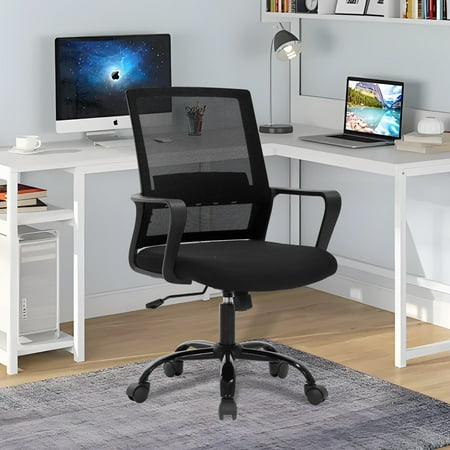
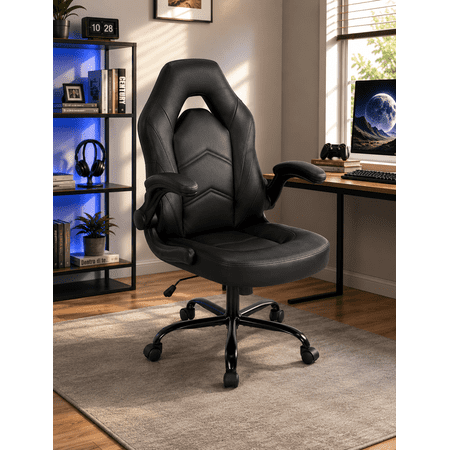
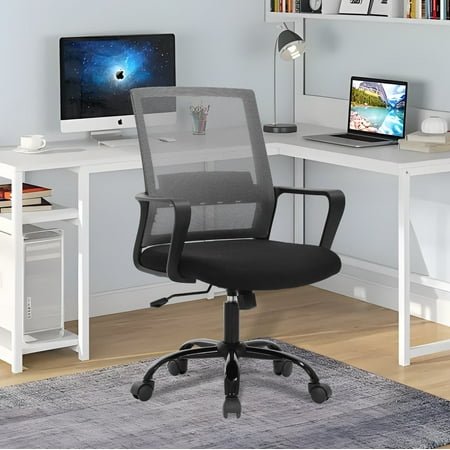
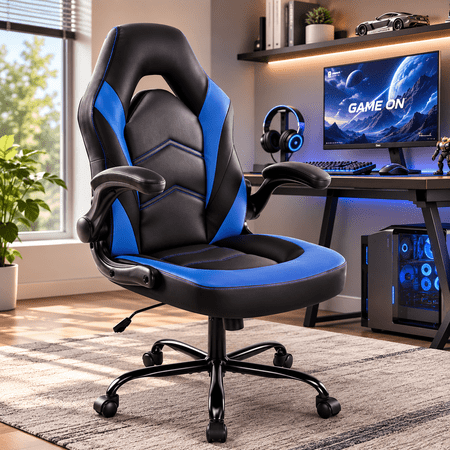
Introduction: The Quest for the Right Foundation
Finding the right office chair is a universal struggle, but for obese adults, the search comes with an added layer of complexity. It’s not just about comfort; it’s about finding a piece of furniture that will not fail under you, that will support your body in a healthy way for 8+ hours a day, and that is built with materials designed to last. A standard chair can feel like a flimsy folding chair at a concert – inadequate and frankly, a little nerve-wracking.
Think of your office chair as the foundation of your workday. Just as a house needs a solid, well-engineered base to withstand storms, your body needs a stable and supportive platform to handle the daily stresses of sitting. For a larger individual, this means moving beyond "one-size-fits-all" options and looking for chairs engineered with higher specifications. This guide will walk you through exactly what to look for, ensuring you invest in a chair that provides safety, promotes better posture, and feels great, hour after hour.
Safety First: Ignoring weight limits is not just uncomfortable, it's dangerous. A chair that collapses can cause serious injury. Always choose a chair with a published weight capacity that exceeds your body weight. This is your most important buying criterion.
Understanding the Anatomy of a Heavy-Duty Office Chair
To make an informed choice, you need to look beneath the upholstery. A chair's ability to support an obese adult comes down to the engineering of its core components. Let's dissect the anatomy of a chair built for the long haul.
1. The Frame: The Unseen Backbone
The frame is the skeleton of the chair. In standard chairs, it might be made of plastic or thin wood. In a heavy-duty chair, this is non-negotiable.
- Material is Everything: Look for chairs with a reinforced steel or heavy-gauge metal frame. This is what provides the structural integrity to handle higher weights without flexing or breaking over time. A metal frame distributes weight more evenly and is far more durable than plastic alternatives.
- The "Flex Test" (Conceptual): While you can't bend a chair in a store, you can read reviews. Look for comments about the chair feeling "solid" or "rock-solid" versus "wobbly." A solid frame should feel immovable.
2. The Base and Casters: The Stable Platform
If the frame is the skeleton, the base is the feet. A flimsy base can crack or cause the chair to become unstable.
- Five-Point Star Base: All stable chairs use a five-point base. For heavy-duty use, the material of this base is critical. Look for a base made of heavy-duty nylon, reinforced polymer, or aluminum. These materials are less likely to crack under pressure than standard plastic bases.
- Casters (Wheels) Matter: Standard casters can flatten or break under excessive weight. Heavy-duty chairs often come with larger, stronger casters, sometimes made of polyurethane, which are designed to roll smoothly under a heavier load without damaging your floor.
3. The Gas Lift Mechanism: The Lifting Power
This is the cylinder that allows you to raise and lower the seat. This component is under immense pressure every time you sit down.
- Class Ratings are Key: Gas lifts are rated by "class."
- Class 3: Standard duty, typically up to 250 lbs. Not suitable for most obese adults.
- Class 4: Heavy-duty, certified for users up to 400 lbs or more. This is the minimum you should accept.
- Class 5: Extra heavy-duty, often rated for 500 lbs and above. This is the gold standard for maximum safety and durability.
4. The Seat and Upholstery: The Comfort Zone
Beyond the mechanics, the seat itself must be designed for long-term comfort and support for a larger body.
- Seat Width and Depth: Standard seats are often 18-20 inches wide. Look for "wide seat" or "big and tall" models that offer 22 to 28 inches of seat width. Seat depth is equally important; you want a few inches of space between the back of your knee and the edge of the seat (a "waterfall edge" helps here).
- High-Density Foam: Cheaper foam will compress and "bottom out" within months, leaving you sitting on a hard board. High-density foam is firmer initially but retains its shape and supportive properties for years. It provides better pressure distribution and comfort.
- Reinforced Stitching: Look for chairs with double or triple stitching on the seams, especially if you opt for leather or faux leather. This prevents the material from ripping under stress.
Industry Insight: A study published in the journal "Work" indicated that proper ergonomic interventions, including a chair with adequate support and adjustability, can lead to a 35-40% reduction in lower back pain among obese workers. Furthermore, selecting a chair with a weight capacity 50-100 lbs above your current weight can significantly extend the chair's lifespan, making it a better long-term investment.
Your 3-Step Selection Process
Follow these steps to narrow down your choices and find the perfect fit.
- Step 1: Identify Your Non-Negotiables. Before you even start browsing, write down your essential specifications. This is your checklist:
- Minimum weight capacity (e.g., 400 lbs).
- Minimum seat width (e.g., 24 inches).
- Desired material (e.g., durable mesh for breathability, or easy-clean bonded leather).
- Must-have features (e.g., adjustable lumbar support, flip-up armrests).
- Step 2: Cross-Check Specifications, Don't Just Skim. When you find a chair you like on the product grid below or elsewhere, do not just look at the title. Go into the detailed specifications. Verify the exact numbers: weight capacity, seat width, seat depth, and gas lift class. These are your proof points.
- Step 3: Prioritize User Reviews from Similar Users. General 5-star reviews are nice, but your time is better spent searching the review text. Use keywords like "heavy," "300 lbs," "big guy," "wide," or "solid." See what other plus-size users are saying about the chair's durability after 6 months or a year. Their experience is your best real-world data.