
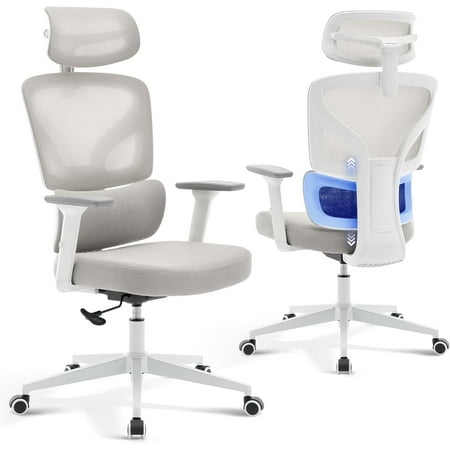
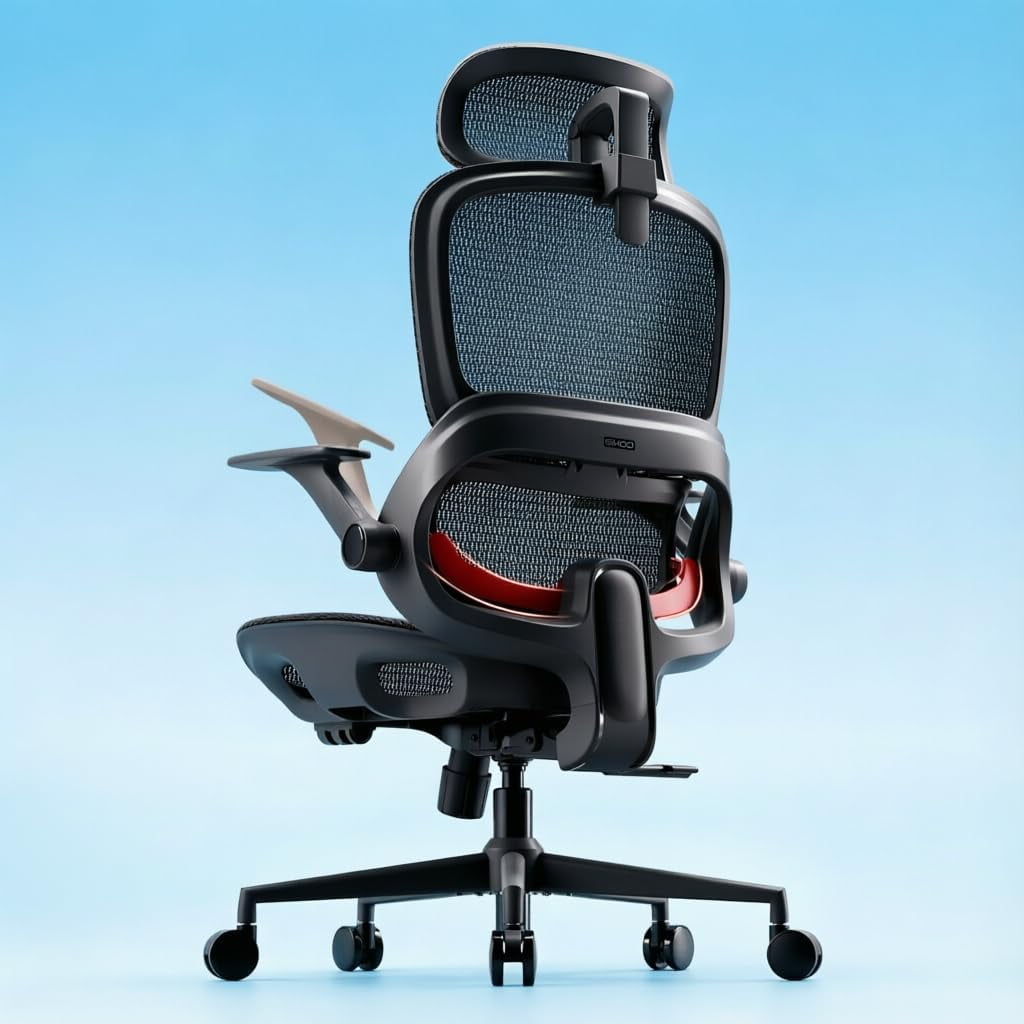
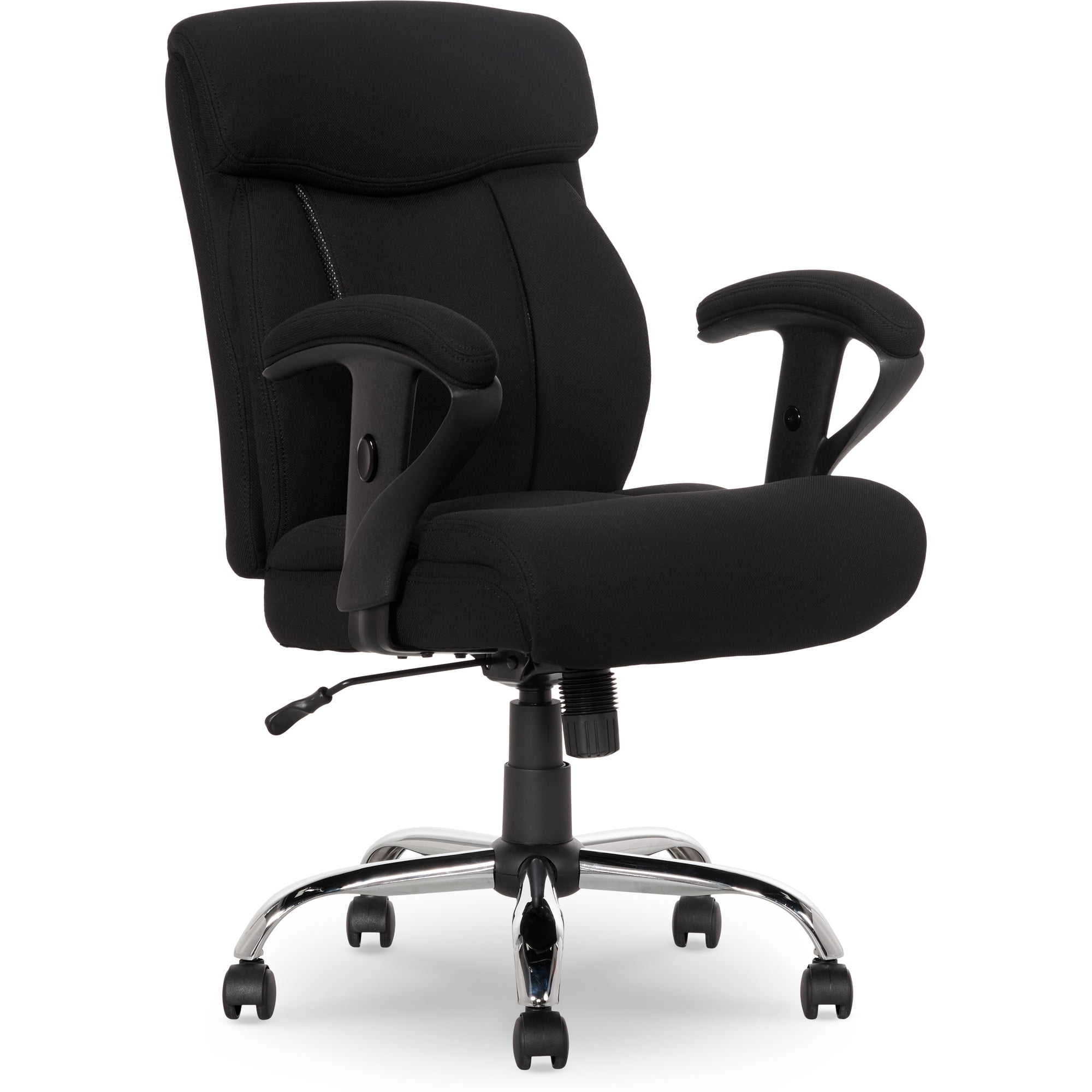
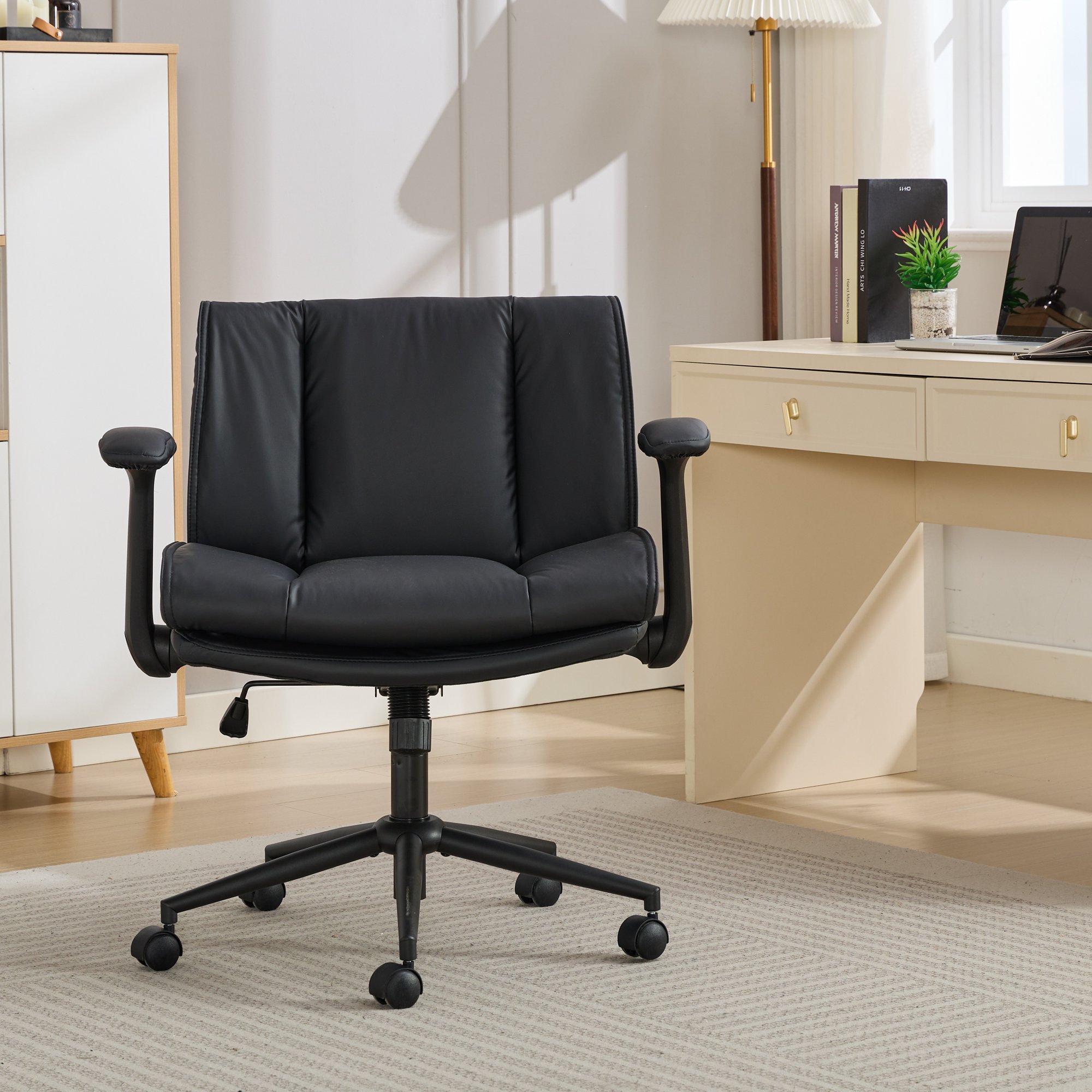
Why Weight Capacity Matters: Understanding 300 Lb Office Chair Construction
When you're searching for an office chair 300 lbs rated, you're looking for more than just a bigger seat. You're investing in engineering specifically designed to handle higher loads safely and comfortably. Think of it like comparing a standard passenger car to a heavy-duty pickup truck—both get you from point A to point B, but the truck is built with reinforced components to handle heavier loads without stress or failure.
Engineering Insight: According to BIFMA (Business and Institutional Furniture Manufacturers Association) standards, chairs rated for 300 lbs undergo rigorous testing including 100,000+ cycles of simulated sitting and leaning. This testing ensures the chair maintains structural integrity under repeated stress—equivalent to 5-10 years of daily professional use.
Critical Components of 300 Lb Rated Office Chairs
A genuine 300 lb capacity office chair differs from standard seating in several key areas. Understanding these differences helps you make an informed purchase that delivers lasting value.
Frame Construction
Steel Aluminum
Standard chairs: Often use plastic or thin-gauge steel frames that flex under load. 300 lb rated: Features 14-16 gauge reinforced steel or aircraft-grade aluminum frames that maintain rigidity and prevent twisting or cracking over time.
Gas Lift Cylinder
Standard: Class 2 or 3 cylinders rated for 200-250 lbs. 300 lb rated: Class 4 or 5 industrial-grade cylinders tested to 350-500 lbs. These have thicker walls and heavier-duty internal mechanisms that won't fail or leak under sustained weight.
Base & Casters
Standard: 26-27" nylon or plastic base with 2" casters. 300 lb rated: 28-30" reinforced aluminum or steel base with 3" heavy-duty casters designed for higher weight distribution and smoother rolling.
Seat Cushion
Standard: 2-3" of standard foam that compresses quickly. 300 lb rated: 4-5" of high-density, high-resiliency foam with memory foam layers that maintain shape and support without bottoming out.
The Safety Margin Principle
Industry experts recommend selecting a chair with a weight capacity 20-30% above your actual weight. For users weighing 250-275 lbs, a 300 lb rated chair provides adequate support. However, if you're at the upper end of that range or prefer maximum durability, consider chairs rated for 350-400 lbs for an even greater safety margin. This extra capacity ensures all components operate within their optimal range, extending the chair's lifespan by 30-50%.
Weight Capacity Comparison: What Different Ratings Mean for You
Standard Duty
Heavy-Duty
Extra Heavy-Duty
Bariatric
Seat Dimensions: Finding Your Perfect Fit
Weight capacity isn't the only measurement that matters. Seat dimensions determine whether a 300 lb rated chair will actually feel comfortable during 8+ hour workdays. Here's what to look for:
- Seat Width: Look for 22-28 inches of seat width. Standard chairs offer 18-20 inches, which can pinch hips and thighs on larger users. Measure your hip width and add 2-3 inches for comfortable movement.
- Seat Depth: Optimal depth ranges from 20-22 inches. You should have 2-4 finger widths of space between the back of your knees and the seat edge. Adjustable seat depth is valuable for proper thigh support.
- Backrest Height: High-back designs (25-30 inches) provide full upper back and shoulder support. Mid-back options (18-22 inches) focus on lumbar support only. Taller users benefit from high-back designs with adjustable headrests.
- Armrest Width: Look for adjustable armrests with 19-22 inches of external width and 7-9 inches of internal clearance. 4D armrests (adjustable height, width, depth, and angle) offer the most customization.
Material Durability: What Holds Up Under 300 Lbs Load
The upholstery and cushion materials in a 300 lb rated chair must withstand higher friction and compression forces. Consider these material options:
| Material Type | Durability Rating | Best For | Maintenance |
|---|---|---|---|
| Commercial-Grade Fabric | Excellent (100,000+ double rubs) | Breathability, color options, affordability | Vacuum weekly, spot clean |
| Premium Bonded Leather | Good (50,000-80,000 rubs) | Professional look, easy wipe-clean surface | Condition every 6 months |
| Top-Grain Leather | Superior (150,000+ rubs) | Luxury appearance, molds to body | Annual professional conditioning |
| Heavy-Duty Mesh | Very Good (100,000 rubs) | Maximum airflow, modern aesthetic | Compressed air cleaning |
7 Essential Features to Check Before Buying a 300 Lb Office Chair
Ergonomic Considerations for Larger Users
A 300 lb rated chair must provide proper ergonomic support, not just weight capacity. Here's how ergonomic features specifically benefit users at this weight range:
- Adjustable lumbar support: Look for chairs with both height and depth adjustment. Proper lumbar support prevents the "hammock effect" where the lower back rounds backward, which is more pronounced under heavier loads.
- Waterfall seat edge: This design reduces pressure on the underside of thighs, improving circulation. Under higher weight, this feature becomes even more critical to prevent numbness and discomfort.
- Synchro-tilt mechanism: Allows the seat and backrest to move together at a ratio (usually 2:1 or 3:1). This maintains proper posture while reclining and distributes weight evenly across the chair.
- Adjustable armrests: 4D armrests let you position supports exactly where needed, reducing shoulder and neck strain. Under higher loads, armrests must lock firmly without sagging.
Comparing 300 Lb Office Chairs by Use Case
| Use Case | Recommended Features | Material Preference | Typical Price Range |
|---|---|---|---|
| Executive/Management | High-back design, premium upholstery, padded armrests, tilt lock | Top-grain leather or premium bonded leather | $350-$700 |
| Home Office | Adjustable lumbar, breathable back, seat depth adjustment | High-quality mesh or commercial fabric | $250-$450 |
| 24/7 Shift Work | Industrial-grade mechanisms, extra-thick cushion, heavy-duty casters | Commercial-grade fabric or reinforced mesh | $400-$800 |
| Gaming/Entertainment | Reclining backrest, extendable footrest, adjustable armrests | PU leather or fabric with high-density foam | $300-$600 |
Common Problems with 300 Lb Rated Chairs and How to Avoid Them
Even heavy-duty chairs can develop issues. Here's what to watch for and how to prevent premature failure:
- Gas lift failure: Usually occurs with Class 2 or 3 cylinders. Always verify the cylinder class before purchase. Class 4 (rated to 350 lbs) or Class 5 (rated to 500 lbs) are essential for 300 lb applications.
- Caster breakage: Standard casters have thin stems that bend under load. Choose chairs with reinforced caster housings or upgrade to heavy-duty aftermarket casters rated for your weight and floor type.
- Seat cushion compression: Low-density foam compresses permanently within months. Look for high-resiliency foam with 2.5-3.0 lb density ratings and memory foam toppers for lasting comfort.
- Frame flex or cracking: Plastic bases and thin-gauge steel frames flex over time, leading to instability. Inspect the frame material specifications—aluminum and 14-gauge steel are preferred.
- Armrest loosening: Heavier use puts stress on armrest attachment points. Look for chairs with through-bolted armrests (bolts go completely through the frame) rather than surface-mounted designs.