
Why “High Weight Capacity” Matters More Than a Number
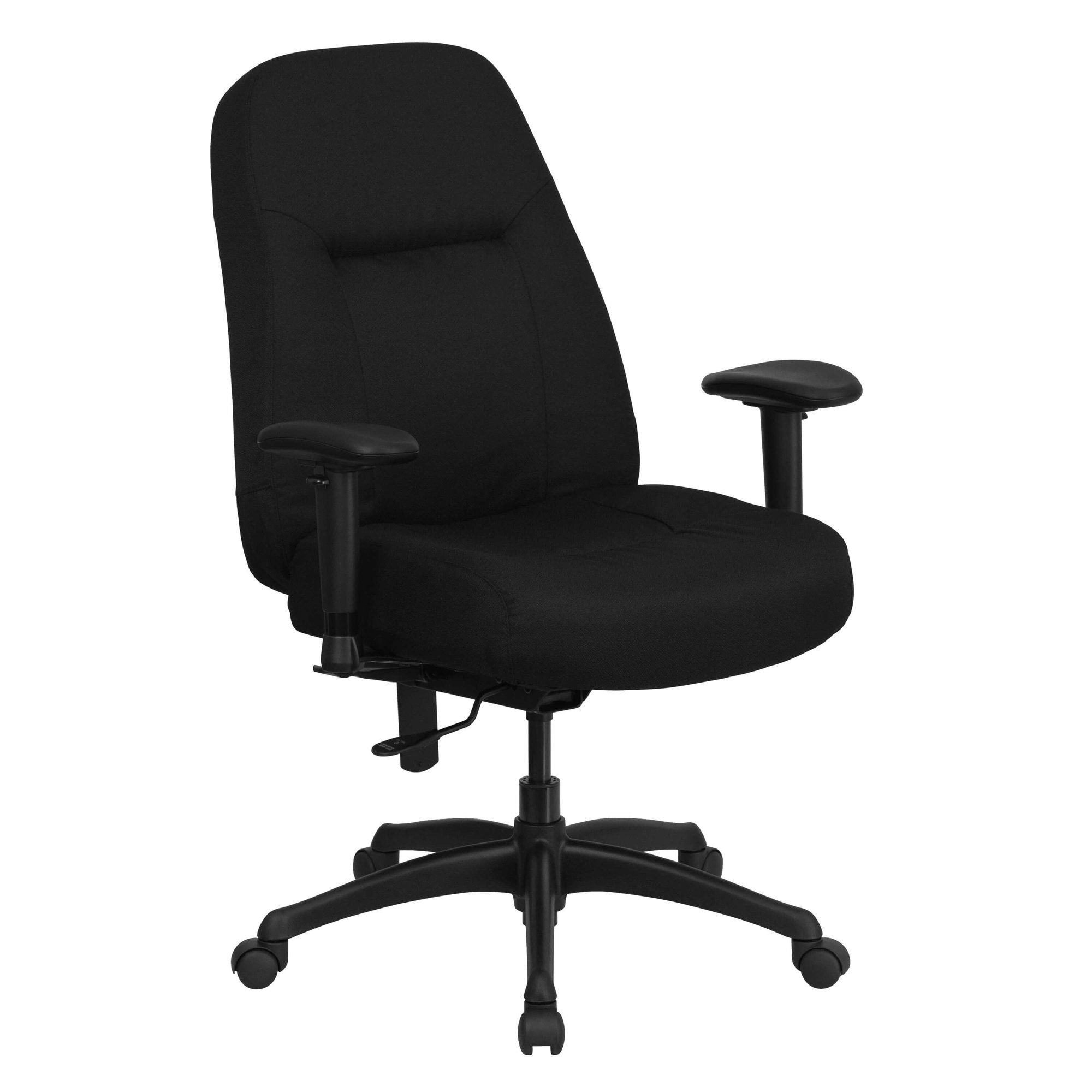
An office chair is your command center. For individuals who require extra support—whether due to body type or simply a desire for rock-solid construction—a standard chair often falls short. A high weight capacity office chair is engineered like a bridge: reinforced at every joint, using thicker materials, and tested to withstand far more stress than typical seating. Think of it as the difference between a folding chair and a throne: both may look similar, but only one inspires total confidence when you lean back. In this guide, we'll explore not just the specs, but how to choose a chair that truly supports your workday without compromise.
The Anatomy of a Truly Heavy-Duty Office Chair
What separates a chair rated for 250 lbs from one rated for 500 lbs? It's not just a thicker cushion. Manufacturers reinforce five critical areas. Understanding these components helps you evaluate quality beyond the marketing label.
1. Frame & Base: The Skeleton
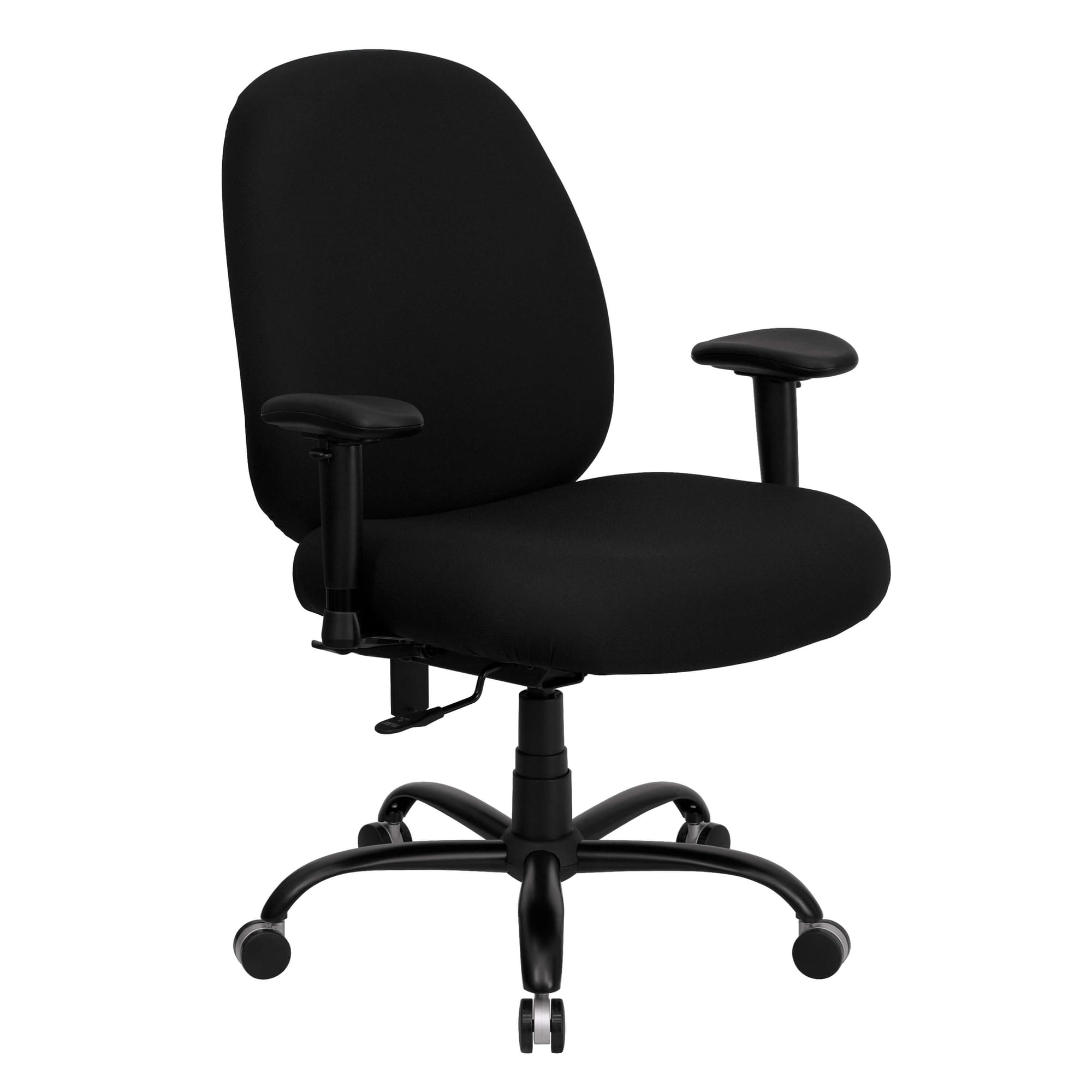
The frame is the chair's backbone. Standard chairs often use a mix of plastic and thin metal. High-capacity chairs feature all-steel frames, sometimes with reinforced welding at stress points. The base (the star-shaped part holding the casters) must be made of heavy-gauge steel or aluminum—never nylon or plastic for capacities above 400 lbs. According to industry testing, a chair with a stamped steel base can handle up to 3x the load of a plastic base before fracturing.
- Look for: “Commercial-grade steel base,” “reinforced metal frame,” “heavy-duty nylon + glass fiber composite” (acceptable for 350-400 lbs).
- Avoid: Thin plastic bases with visible seams—they are prone to cracking over time.
2. Gas Lift Mechanism: The Hidden Hero
The gas cylinder (pneumatic lift) is what lets you adjust height. It's also a common failure point. Gas lifts are rated by class: Class 3 (up to 250 lbs), Class 4 (up to 400 lbs), and Class 5 (up to 500+ lbs). A Class 4 or Class 5 gas lift uses a thicker piston wall and higher-pressure nitrogen to safely raise and lower heavier loads. Some manufacturers use a “big and tall” specific lift with a larger diameter for extra stability.
- Pro tip: If the product page doesn't specify the lift class, assume it's Class 3 and not suitable for heavy duty.
3. Seat Construction & Dimensions
A wider and deeper seat isn't just about comfort—it distributes weight more evenly. High-capacity chairs typically feature high-density foam (often 2.5 to 3.5 lbs per cubic foot density) that resists flattening. Look for seats at least 22 inches wide and a depth of 20-22 inches. The foam should be wrapped around a reinforced seat pan (often plywood or steel) rather than a mesh hammock, which can sag.
For context, a standard office chair seat width is around 19-20 inches. An extra two inches makes a significant difference for users who need room to shift positions.
4. Casters & Floor Protection
Casters on cheap chairs are the first to break under heavy load. High weight capacity chairs use dual-wheel casters with a larger contact surface, often made of hard-wearing nylon or soft polyurethane for hardwood floors. The caster stems are also thicker to fit snugly into the base. Some heavy-duty chairs offer “brake” casters that lock when weight is applied, preventing unwanted rolling when you sit down.
5. Tilt Mechanism & Recline
The mechanism under the seat controls recline and tension. For heavy users, a metal-plate mechanism with adjustable tension is essential. Look for a mechanism that allows you to lock the recline in multiple positions or provides a sturdy synchro-tilt function that keeps your feet on the floor while leaning back. Avoid lightweight plastic housings.
Quick Reference: Capacity Tiers and What They Offer
| Capacity Tier | Typical User | Frame Material | Seat Width Range | Gas Lift Class |
|---|---|---|---|---|
| 300-350 lbs | Upper end of standard | Reinforced steel/plastic hybrid | 20-22" | Class 3 or 4 |
| 400-450 lbs | Big & tall | All-steel frame, steel base | 22-24" | Class 4 |
| 500-600 lbs | Heavy-duty / bariatric | Heavy-gauge steel, reinforced welds | 24-28" | Class 5 |
| 700+ lbs | Extra heavy-duty / medical | Industrial steel, oversized base | 28"+ | Class 5+ (custom) |
Ergonomics Don't Stop at Capacity
A common myth is that heavy-duty chairs sacrifice adjustability for strength. Modern designs prove otherwise. Today's high weight capacity ergonomic chairs often include:
- Adjustable lumbar support: Both height and depth to match your spine's curve. For example, some chairs offer a lumbar pad that can be moved up/down 3-4 inches.
- 4D armrests: Height, width, depth, and pivot adjustments accommodate broader shoulders and different tasks.
- Seat depth slider: Critical for tall users to get proper thigh support without pressure behind the knees.
- Headrests: Often extra-large and adjustable to support the neck during reclining.
According to ergonomic studies, proper adjustability can reduce spinal disc pressure by up to 35% compared to a fixed-position chair—vital for anyone spending 8+ hours seated.
Choosing the Right Upholstery for Durability and Climate
🏆 Heavy-Duty Fabric
- Pros: Breathable, wide color range, often reinforced with double-stitching. Modern commercial fabrics are stain-resistant and extremely tear-resistant (tested to 100,000+ double rubs).
- Best for: Warmer climates, all-day use, budget-conscious buyers seeking durability.
💼 Premium Leather / Bonded Leather
- Pros: Classic executive look, easy to wipe clean, feels substantial.
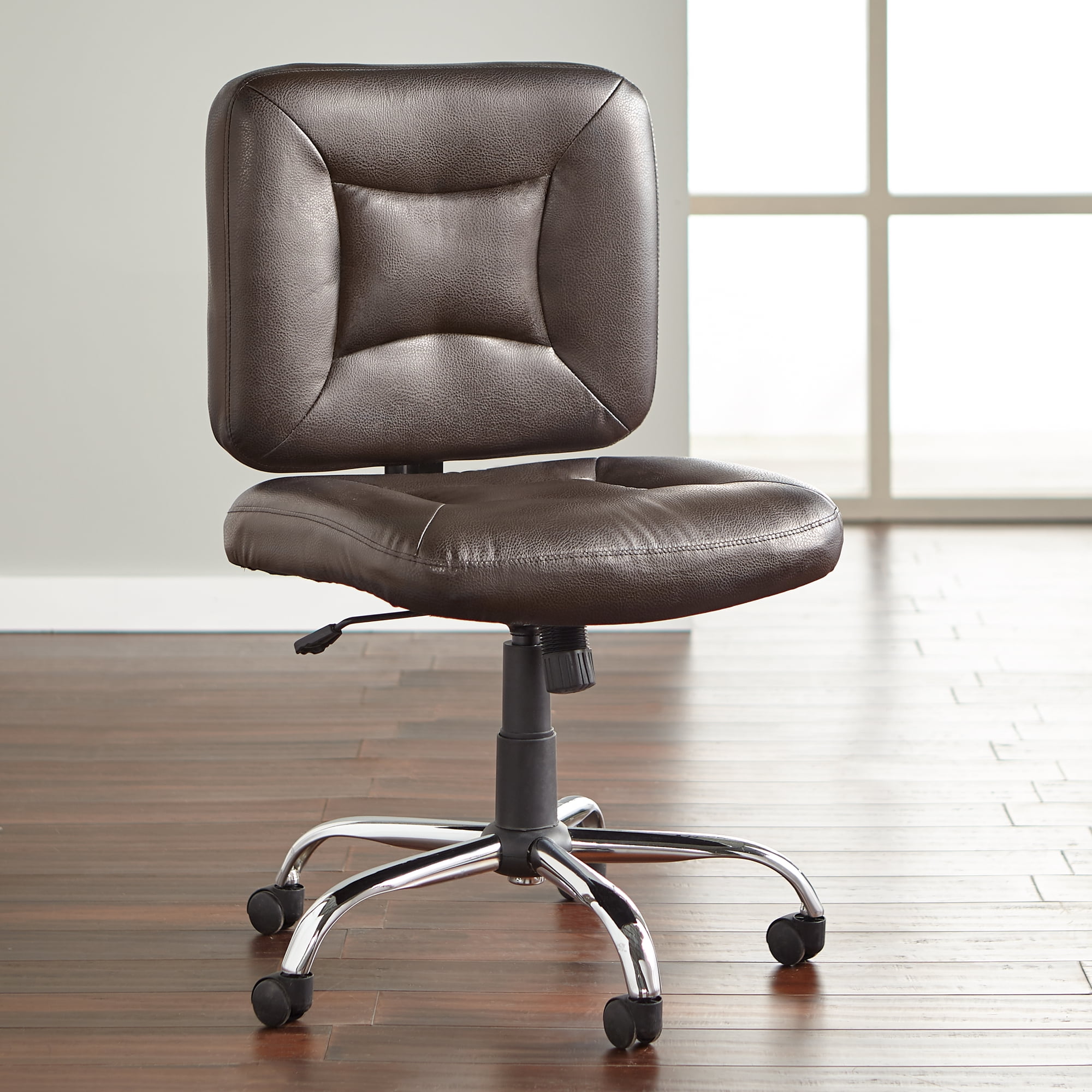
- Cons for high weight: Can stretch over time; bonded leather may crack under heavy use. Look for top-grain or thick split-grain leather with reinforced seams.
- Best for: Cooler, drier environments; executive offices with moderate use.
💡 Insider Tip: If you're a bigger person who tends to run warm, prioritize high-quality mesh on the backrest combined with a fabric seat. This provides ventilation where you need it most while maintaining a sturdy seat base. All-mesh chairs for heavy users exist but ensure the mesh is rated for high weight (some use a denser, double-weave Kevlar-infused mesh).
Step-by-Step: How to Select Your Ideal High Weight Capacity Chair
Step 1: Measure Your Space and Yourself
- Measure your desk height (typical 28-30"). Ensure the chair's max seat height is at least 2" below your desk surface.
- Measure your seat width preference: sit on a flat surface and measure hip width + 2-4 inches for comfort.
- Consider the chair's total width if you have a narrow desk opening.
Step 2: Define Your Weight Requirement with a Buffer
If you weigh 350 lbs, don't buy a chair rated exactly 350 lbs. Aim for at least 400-450 lbs. The buffer ensures the mechanism isn't constantly at its limit, prolonging the chair's life. For users over 400 lbs, seek chairs rated 600 lbs+ for a true safety margin.
Step 3: Prioritize Adjustability Based on Your Work Style
Do you answer calls and need a headrest? Do you type for hours needing perfect armrests? List your top 3 ergonomic needs. For many, adjustable lumbar and seat depth are non-negotiable.
Step 4: Read for Real-World Feedback
Look for reviews from users with similar body types. Phrases like “solid as a rock,” “caster wheels roll smoothly even on carpet,” and “seat cushion is firm but comfortable after 8 hours” are gold. Avoid chairs where multiple reviews mention “wobble” or “squeak.”
Step 5: Check the Warranty
Reputable manufacturers offer at least a 5-year warranty on mechanisms and frame, and 2 years on upholstery. A 10-year frame warranty is a sign of confidence in the product's durability.
Real-World Performance: What to Expect After 6 Months
A well-built high weight capacity chair should exhibit zero performance degradation after six months of daily use. The gas lift should still hold height without sinking, the tilt mechanism should be silent and smooth, and the seat foam should retain at least 90% of its original thickness. In contrast, a poorly made “heavy-duty” chair might develop a wobbly base, squeaky joints, or a compressed seat that leads to discomfort. Investing in a quality chair upfront prevents the “replacement cycle” every 1-2 years.