
Why 600 lbs Capacity Changes the Game for Office Seating
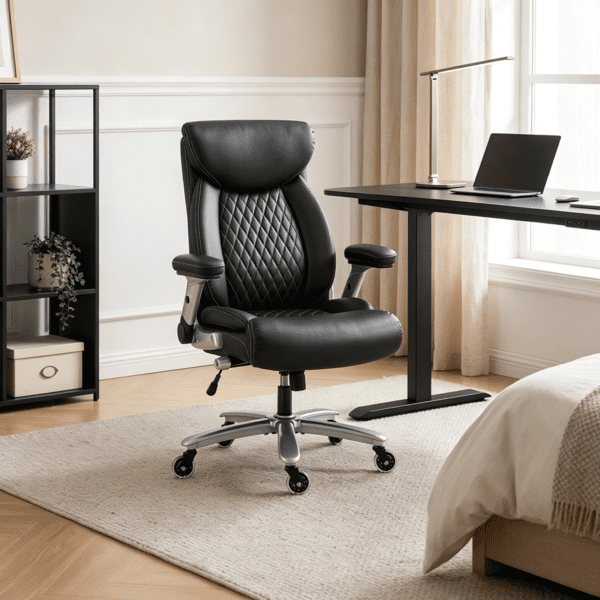
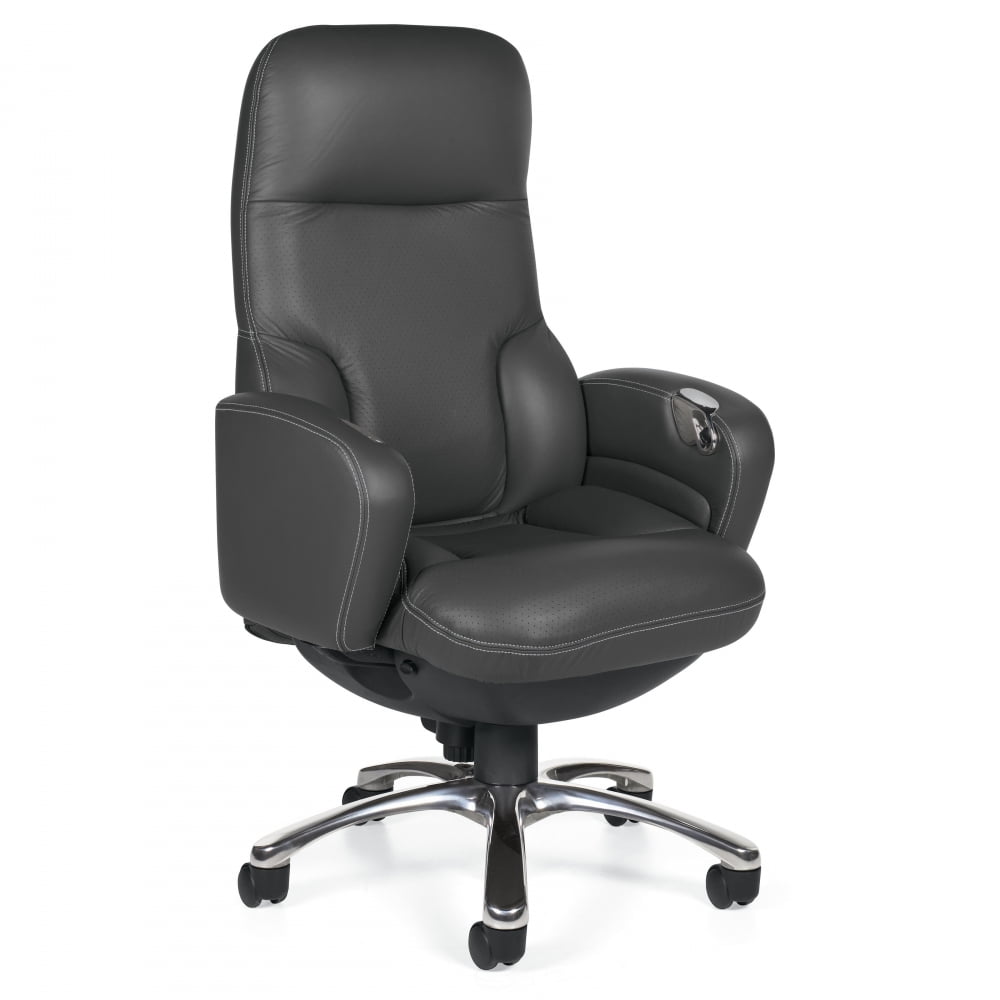
Finding a sturdy, comfortable office chair when you need a 600 lb capacity used to feel like searching for a parking spot in a crowded lot—frustrating and often fruitless. Standard chairs, typically rated for 250-300 lbs, simply aren't built for larger frames. They might feel stable at first, but over time, the gas lift can fail, the base can crack, and the upholstery wears unevenly. A true heavy duty office chair with a 600 lb rating is a different beast entirely. It's engineered like a piece of industrial machinery, but designed for the comfort of a long workday.
Think of it this way: if a standard office chair is a compact car built for commuting, a 600 lb capacity chair is a heavy-duty pickup truck. It has a reinforced frame, a more powerful suspension (gas lift), wider tires (casters), and a chassis that handles stress without creaking. For professionals who spend 8+ hours at a desk, this level of robust construction isn't a luxury—it's a necessity for safety, posture, and long-term health. This guide dives into the engineering, materials, and features that make these chairs indispensable.
The Anatomy of a 600 lb Office Chair: What’s Under the Hood?
What separates a chair that simply claims a high weight limit from one that genuinely delivers? It all comes down to the components. Let's dissect the critical parts that give these chairs their backbone.
1. The Frame: Steel vs. Reinforced Composite
The foundation of any 600 lb rated chair is a full steel frame, often with a thickness of 2.0mm or more. Unlike standard chairs that might use plastic or thin tubular steel, these frames are welded and powder-coated to prevent flex. Some high-end models incorporate reinforced nylon in non-stress areas to reduce weight, but the core load-bearing structure is always heavy-gauge metal.
2. The Gas Lift: Class 4 and Beyond
Gas lifts are classified by the German standard DIN 4550. Standard chairs use Class 2 or 3 lifts. For a 600 lb capacity, you need a Class 4 (or higher) gas lift. These have larger piston diameters and thicker cylinder walls, tested to withstand repeated loading far above the rated weight. A failing gas lift is dangerous; a Class 4 unit ensures your chair stays at the height you set, safely and consistently.
3. The Base: Diameter and Material
A wobbly base is a deal-breaker. Chairs for 600 lbs feature a base diameter of at least 28 inches, often made of solid steel or heavy-duty aluminum alloy. Nylon bases, even reinforced ones, are less common at this extreme capacity. A wider base provides a lower center of gravity, preventing tipping. Look for a mirror-polished or textured metal finish that resists scuffs.
4. The Casters: Dual-Wheel and Hardwood-Friendly
Standard casters will flatten or lock up under 600 lbs. Heavy-duty chairs use dual-wheel casters (often 3-inch diameter) with soft polyurethane treads for carpet or hard treads for hardwood. The dual wheels distribute the load, roll smoothly, and protect your flooring. Some models offer roller-blade style wheels for even smoother movement.
Seat Construction: The Difference Between a Platform and a Pillow
A seat pan for a 600 lb chair is typically wider—often 28 to 32 inches—and deeper to provide proper thigh support. Underneath the upholstery lies high-density, cold-cure foam. This isn't the soft foam that sags after six months. It's a dense, resilient material that retains its shape and provides even pressure distribution. The upholstery itself is either heavy-duty commercial-grade fabric (tested for double-rubs, a measure of abrasion resistance) or thick, top-grain leather on premium models. Faux leather is usually avoided at this weight class due to durability concerns.
Ergonomics at 600 lbs: Why Adjustability Matters More Than Ever
It's a myth that heavy-duty chairs sacrifice ergonomics for strength. In fact, the opposite is true. Because the user base is larger, adjustability becomes even more critical. A 6'5" person weighing 550 lbs has completely different proportions than someone 5'10" weighing 300 lbs. Here’s what to look for:
- Adjustable Lumbar Support: Look for chairs with both height and depth adjustment. This ensures the curve of the chair fits the curve of your spine, preventing "lower back hammock" effect. Some high-end models use air bladders for customized lumbar firmness.
- Seat Depth Adjustment (Slider): A 600 lb chair often has a deep seat (21-23 inches). A seat slider mechanism allows you to shorten the effective depth so the edge of the seat doesn't press into the back of your knees, maintaining healthy circulation.
- 3D or 4D Armrests: Armrests on these chairs are mounted to the seat frame, not the back, to handle torque. They should adjust in height, width, angle, and depth. This lets you park the armrests perfectly under the desk and support your arms without hunching your shoulders.
- Tilt Tension and Lock: The mechanism must be heavy-duty. You need the ability to adjust the force required to recline (tilt tension) and to lock the chair in multiple positions. A synchronized mechanism, where the seat and back move together at a ratio (often 2:1 or 3:1), keeps you centered and supported as you lean back.
Ergonomics by the Numbers: A study by the Human Factors and Ergonomics Society indicates that proper lumbar support and seat angle adjustability can reduce spinal disc pressure by up to 35%. For a user in a 600 lb chair, this isn't just about comfort—it's about preventing long-term musculoskeletal issues. A well-adjusted chair acts like a suspension system for your spine, absorbing shock and promoting neutral posture, much like a high-end car seat absorbs road vibrations.
Material Science: Leather, Fabric, and Longevity Under Pressure
Choosing between fabric and leather for a 600 lb capacity chair involves more than aesthetics. It's about how the material handles friction, heat, and stress.
✅ Heavy-Duty Fabric
- Breathability: Modern performance fabrics (like those using solution-dyed nylon or polyester) wick moisture and prevent heat buildup, ideal for long hours.
- Durability: Look for a fabric with a Wyzenbeek abrasion rating of 50,000+ double-rubs. This means it can withstand decades of use without wearing thin.
- Grip: Fabric provides more friction, keeping you in place on the seat.
✅ Top-Grain Leather
- Conforms: High-quality leather stretches and molds to your body over time, creating a custom fit. It's durable and easy to wipe clean.
- Support: Leather is less "squishy" than foam, providing a stable platform. However, it can be warmer in summer and cooler in winter.
- Maintenance: Requires occasional conditioning to prevent drying and cracking, especially in dry office environments.
Verdict: For pure climate control and durability, high-grade fabric is often the smarter choice. For a classic, professional look that develops character, leather is the premium option. Avoid bonded leather entirely—it's a thin layer of leather over polyurethane that will peel under stress.
5-Step Checklist for Buying Your 600 lb Office Chair
- Verify the Rating, Not Just the Claim: Look for chairs explicitly tested and certified to BIFMA (Business and Institutional Furniture Manufacturers Association) standards for your weight class. A genuine 600 lb chair will have documentation or clear statements about its testing.
- Measure Your Space and Yourself: Measure the seat width you need. If you have a 40-inch waist, you may need a 30-inch seat pan. Also, measure your desk height and the space between armrests. Write these numbers down.
- Check the Warranty on Mechanisms: A good chair will offer at least a 5-year warranty on the gas lift, base, and mechanism. The upholstery might have a shorter warranty, but the mechanical parts should be covered longer. This is a sign of manufacturer confidence.
- Prioritize the "Contact Points": Sit on the chair if possible. Focus on three points: the lumbar support (does it hit your curve?), the seat edge (is it waterfall or pressing?), and the armrests (do they adjust to where you need them?).
- Consider the Floor: Ensure the casters match your flooring. Soft rubber for carpet, hard polyurethane for hardwood/laminate. Some brands include both sets or offer easy replacements.
Quick Spec Comparison: 600 lbs vs. Standard Chairs
| Feature | Standard Office Chair | Heavy Duty 600 lbs Chair |
|---|---|---|
| Frame Material | Thin steel or plastic | Thick-gauge welded steel |
| Gas Lift Class | Class 2 or 3 | Class 4 or 5 |
| Base Diameter | 25-26 inches | 28-30 inches |
| Seat Width | 18-20 inches | 22-32 inches |
| Caster Type | Single-wheel plastic | Dual-wheel polyurethane |
| Typical Lifespan | 2-4 years | 7-12 years |
Frequently Asked Questions: Heavy Duty 600 lb Chairs
Final Verdict: Invest in the Foundation of Your Workday
Choosing a heavy duty office chair with a 600 lb capacity is an investment in your daily comfort and long-term health. It's about finding a seat that doesn't just hold you, but supports you—through long meetings, intense focus sessions, and everything in between. The best chair in this category will feel almost invisible; you won't notice the hardware because the ergonomics are so spot-on. You'll simply notice that you're more comfortable, less fatigued, and more productive. Use the checklist, understand the materials, and prioritize adjustability. Your chair is the throne of your professional life—make sure it's built to last.