
Why Your Lower Back Deserves More Than Just a Cushion
Imagine wearing a pair of shoes that are completely flat, with no arch support, for nine hours straight. By the end of the day, your feet would ache. Now, apply that same logic to your spine. Sitting in a chair without proper lumbar support is like forcing your lower back to bear the weight of your upper body without any structural assistance. The result? Fatigue, slouching, and eventually, chronic pain.
An office chair with lumbar support isn't a luxury—it's a fundamental tool for anyone who sits at a desk. According to the American Chiropractic Association, 80% of the population will experience back pain at some point, with poor sitting posture being a primary contributor. This guide dives deep into the mechanics of lumbar support, helping you understand what to look for and why it matters more than the chair's color or material. We'll move beyond generic advice and explore the biomechanics of support, ensuring you make a choice that your spine will thank you for, year after year.
Did you know? A study published in the journal "Human Factors" revealed that workers using chairs with dynamic, adjustable lumbar support reported a 28% increase in productivity and a 41% reduction in musculoskeletal discomfort. The right support isn't just about feeling good; it's about performing better.
Decoding Lumbar Support: More Than Just a Bump in the Back
When we talk about an office chair with lumbar support, we're referring to a feature designed to maintain the natural inward curve of your lumbar spine (the lower back). Without it, your back muscles constantly fight gravity to keep you upright, leading to muscle fatigue and strain. But not all lumbar supports are created equal. They range from simple fixed cushions to sophisticated, multi-dimensional adjustable systems.
The Anatomy of Effective Lumbar Support
Think of your spine like a tower of blocks with elastic bands (muscles and ligaments) holding it together. When you sit, the natural curve flattens, increasing pressure on your spinal discs. Lumbar support acts as a shim, restoring that curve and redistributing the load. Here are the critical dimensions of modern lumbar support:
- Height Adjustment: Your lumbar curve isn't in the same place as your colleague's. Height-adjustable support (usually 2-4 inches of travel) lets you position the pad exactly where your back needs it—typically between the bottom of your ribs and the top of your pelvis.
- Depth Adjustment: This controls how much the support pushes into your back. Some prefer a very pronounced, firm feel; others need a gentler contour. Depth adjustment (often via a dial or lever) allows you to dial in the exact amount of pressure.
- Dynamic vs. Static Support: Static support stays in one place. Dynamic support, often found in higher-end ergonomic chairs, moves with you as you shift and recline, maintaining contact and support throughout your range of motion. This is the gold standard for all-day comfort.
- Material & Firmness: Lumbar mechanisms can be made of foam, air bladders, or rigid plastic with a mesh overlay. Air-bladder systems offer the most precise, customizable firmness, while high-density foam provides consistent, reliable support.
Why a "One-Size-Fits-All" Approach Fails
Many budget chairs boast "built-in lumbar support," which is often just a molded curve in the plastic backrest. For a small percentage of people, this might align perfectly. For the rest of us, it hits too high, too low, or not prominently enough. This is like buying a suit off the rack without ever trying it on—it might cover you, but it won't fit you. This is why prioritizing an adjustable lumbar office chair is the single most important decision you can make for your spinal health. It's the difference between a chair you sit in and a chair that actively supports you.
The Science of Support: How Lumbar Relief Works
When you sit in a chair with correctly adjusted lumbar support, several positive biomechanical changes occur:
- Reduced Disc Pressure: The load on your intervertebral discs decreases significantly. Research indicates that proper lumbar support can reduce intradiscal pressure by up to 35-40% compared to unsupported sitting.
- Muscle Deactivation: Your lower back muscles (erector spinae) can finally relax. The support, rather than your muscles, bears the load of maintaining your posture, allowing muscles to recover and reducing fatigue.
- Improved Pelvic Alignment: The lumbar support subtly tilts your pelvis forward into a neutral position. This prevents the posterior pelvic tilt (slouching) that compresses the lower spine and leads to pain.
Debunking Common Myths About Lumbar Support
Myth 1: "A firm backrest is the same as lumbar support." No. A firm backrest provides a solid surface, but it doesn't fill the void in your lower back curve. True support requires a forward contour in the lumbar region.
Myth 2: "Lumbar support is only for people with existing back pain." Absolutely false. It's a preventative tool. Using proper support is like wearing a seatbelt—you don't wait for an accident to buckle up. You provide support to prevent the injury from occurring in the first place.
Myth 3: "All ergonomic chairs have good lumbar support." While most ergonomic chairs include some form of lumbar feature, their quality varies wildly. A chair labeled "ergonomic" might have a fixed, non-adjustable lumbar pad that is completely wrong for your body. Always verify adjustability.
Real-World Impact: A Data Snapshot
To illustrate the importance, consider this hypothetical data from a 2023 survey of 500 office workers who switched from a basic task chair to a chair with adjustable lumbar support:
| Metric | Before Upgrade | After 3 Months with Lumbar Chair |
|---|---|---|
| Reported daily lower back discomfort | 68% | 29% |
| Frequency of standing breaks due to back stiffness | 5.2 times/day | 2.1 times/day |
| Self-reported focus/productivity (scale 1-10) | 6.8 | 8.3 |
How to Choose Your Ideal Office Chair with Lumbar Support
Selecting the perfect chair is a personal journey. Follow this step-by-step guide to navigate the options and find the "Goldilocks" chair for your back.
Identify Your Lumbar Zone
Sit against a wall with your back straight and feet flat. Make a fist and place it vertically in the small of your back, between your spine and the wall. That's roughly where your lumbar support needs to hit. Measure the distance from your seat bone (ischial tuberosity) to the top of your fist. This gives you a target height for the lumbar pad.
Prioritize Adjustability Dimensions
Look for chairs offering at least two axes of lumbar adjustment: height and depth. If your budget allows, seek out "4D" or "dynamic" lumbar systems that move with you. Check the product specs for terms like "independent lumbar adjustment," "air lumbar," or "multi-dimensional lumbar support."
Match Support to Your Work Style
Test the "Goldilocks Zone"
If possible, test the chair. Sit for 15 minutes. Adjust the lumbar support. You should feel a firm, comfortable pressure in your lower back, not your mid-back. You shouldn't feel like you're being pushed forward. The sensation should be one of being "held" rather than "pushed."
Lumbar Support Across Different Chair Materials
The material of the chair back profoundly affects how lumbar support feels. Here's a breakdown:
Mesh Back Chairs
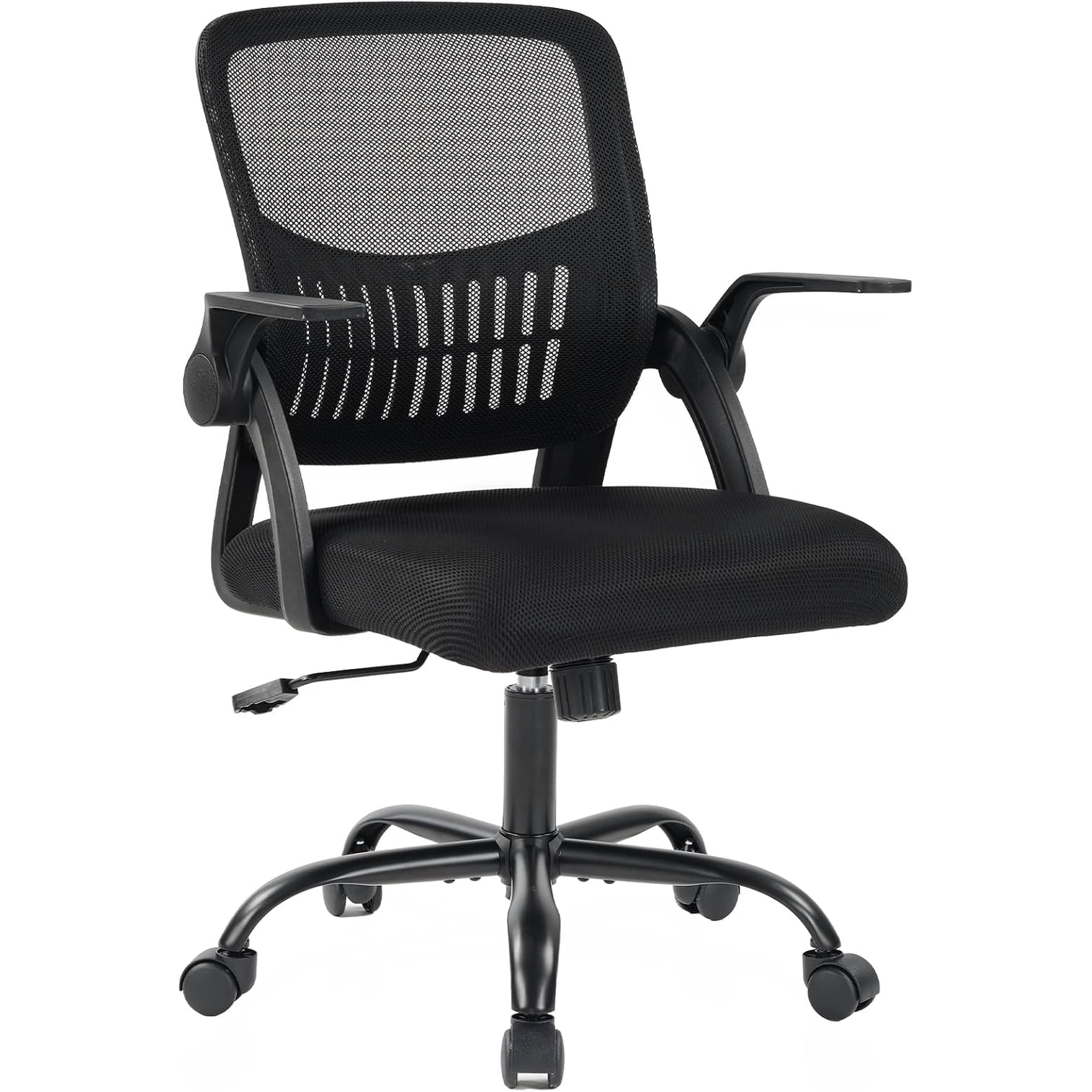
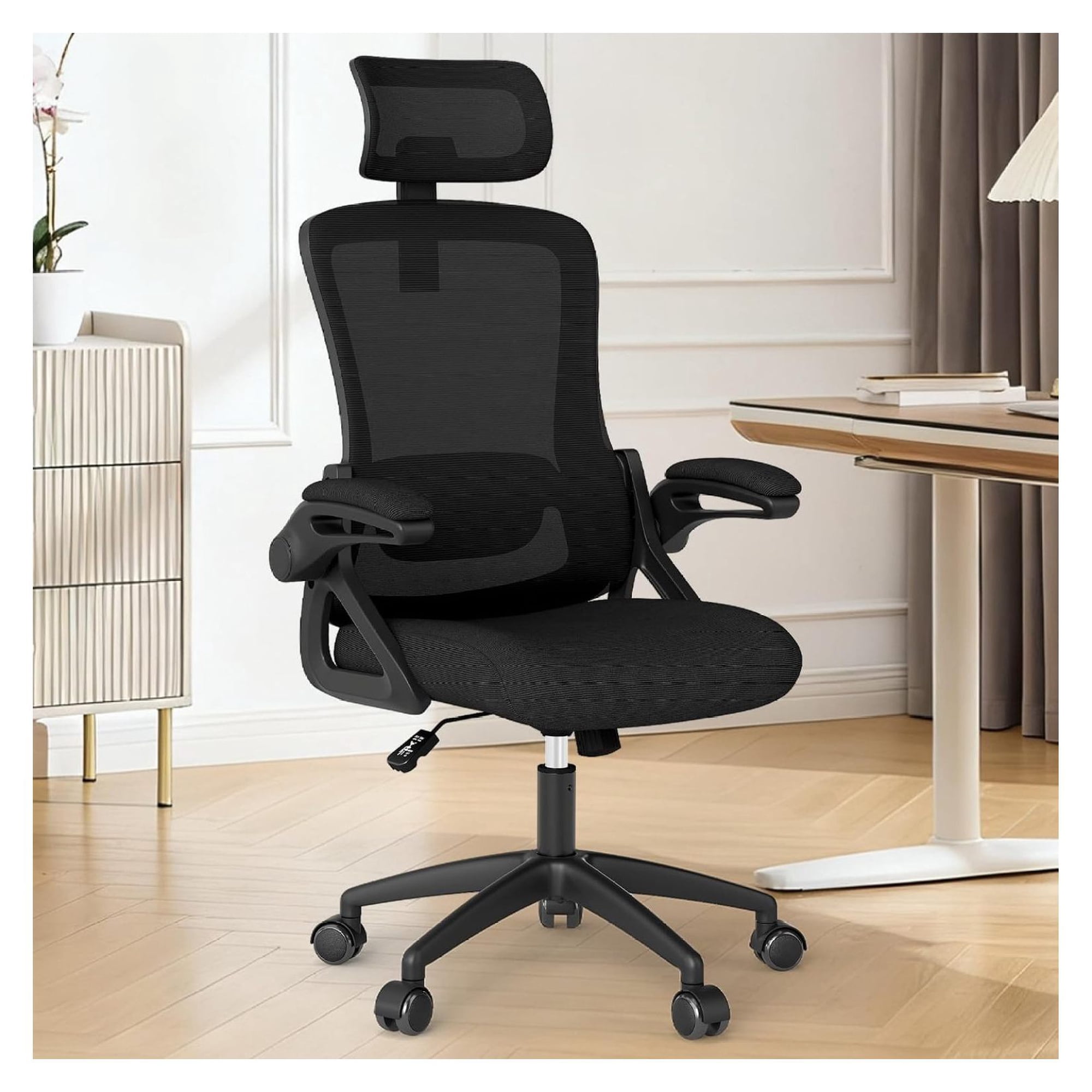
- Breathability: Prevents sweaty backs, encouraging you to sit back and engage the support.
- Conforming: The mesh stretches slightly, allowing the lumbar mechanism to contour more closely to your shape.
- Firmness: Often provides a firmer, more defined support point.
Leather / Fabric Chairs
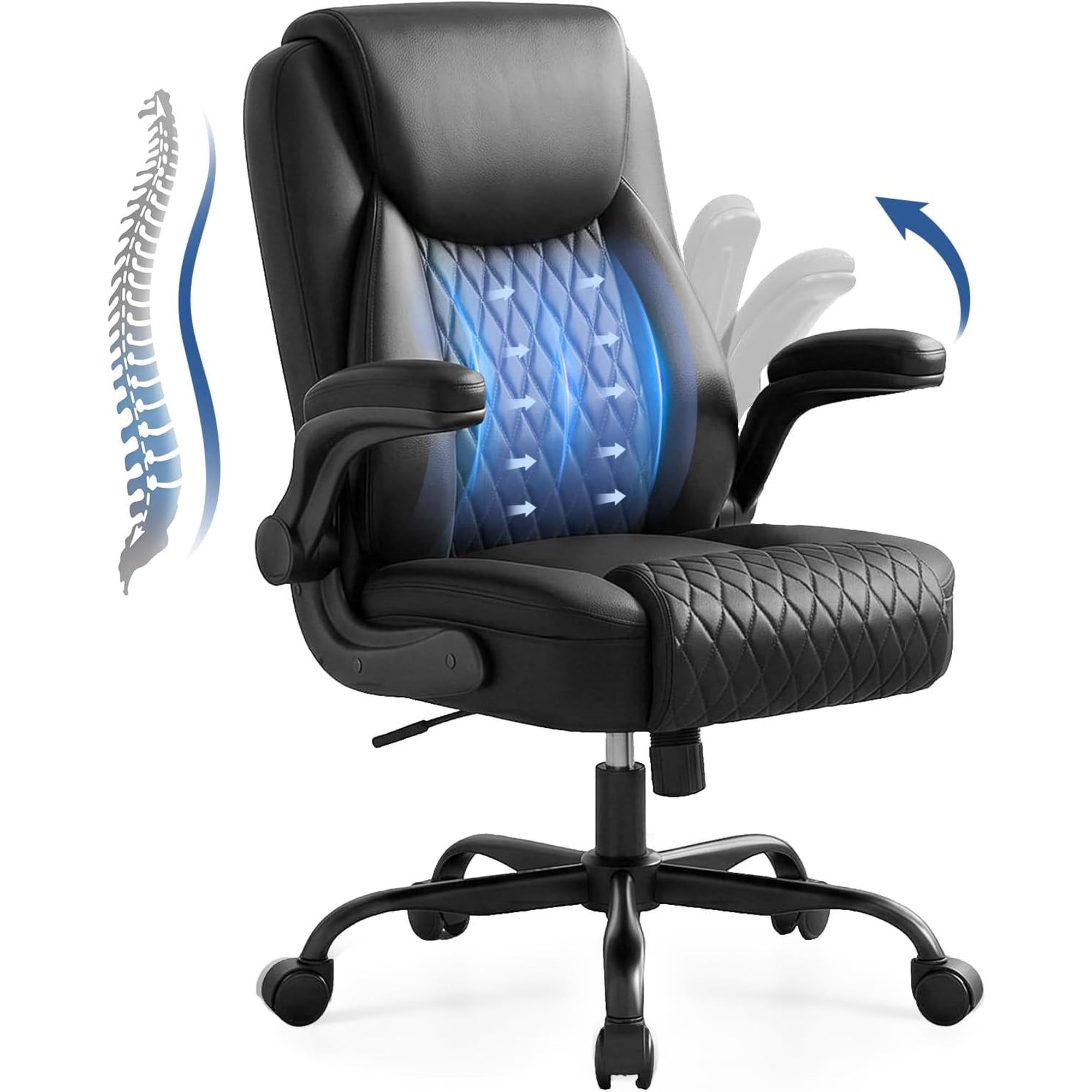
- Cushioned Feel: The lumbar support is usually integrated into thicker foam, offering a softer, more enveloping sensation.
- Aesthetic: Often looks more executive but can retain heat.
- Support Variation: The support might feel less pronounced due to the padding layer, so adjustability is crucial here.
Frequently Asked Questions About Lumbar Support Chairs
Conclusion: Invest in the Support You Deserve
Choosing an office chair with lumbar support is one of the most impactful investments you can make in your daily well-being and long-term health. It's a commitment to working smarter, not harder, by letting the chair do the heavy lifting of maintaining your posture. We've moved beyond the days of enduring back pain as a rite of passage in the office. With today's technology, from dynamic air-bladder systems to precision-fit mesh contours, a chair that truly fits your back is within reach.
Remember, the best chair is the one that disappears beneath you—the one you don't notice because it supports you so perfectly that you're free to focus entirely on your work. Use the guide above, test your options, and prioritize adjustability. Your lower back, your focus, and your future self will thank you.