
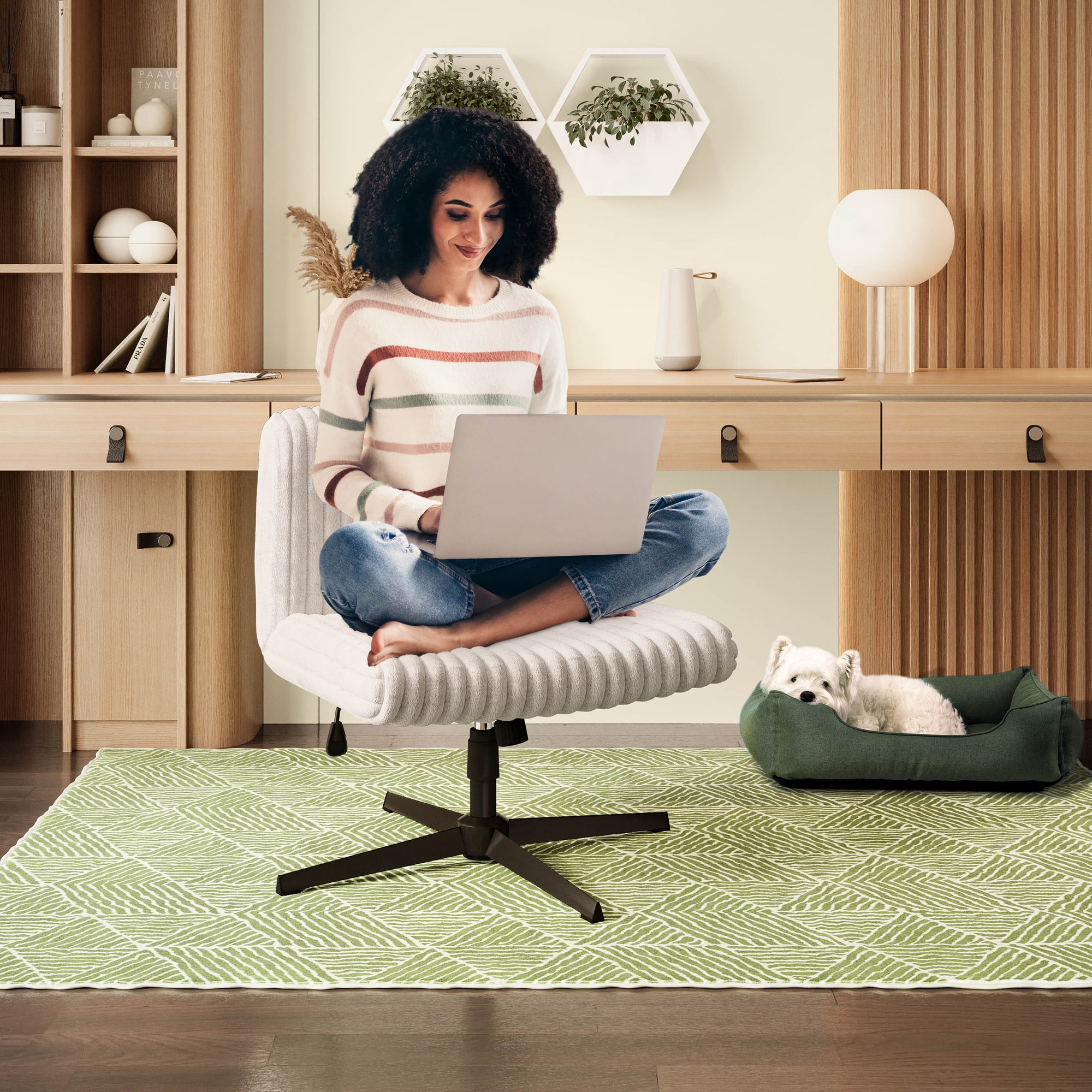
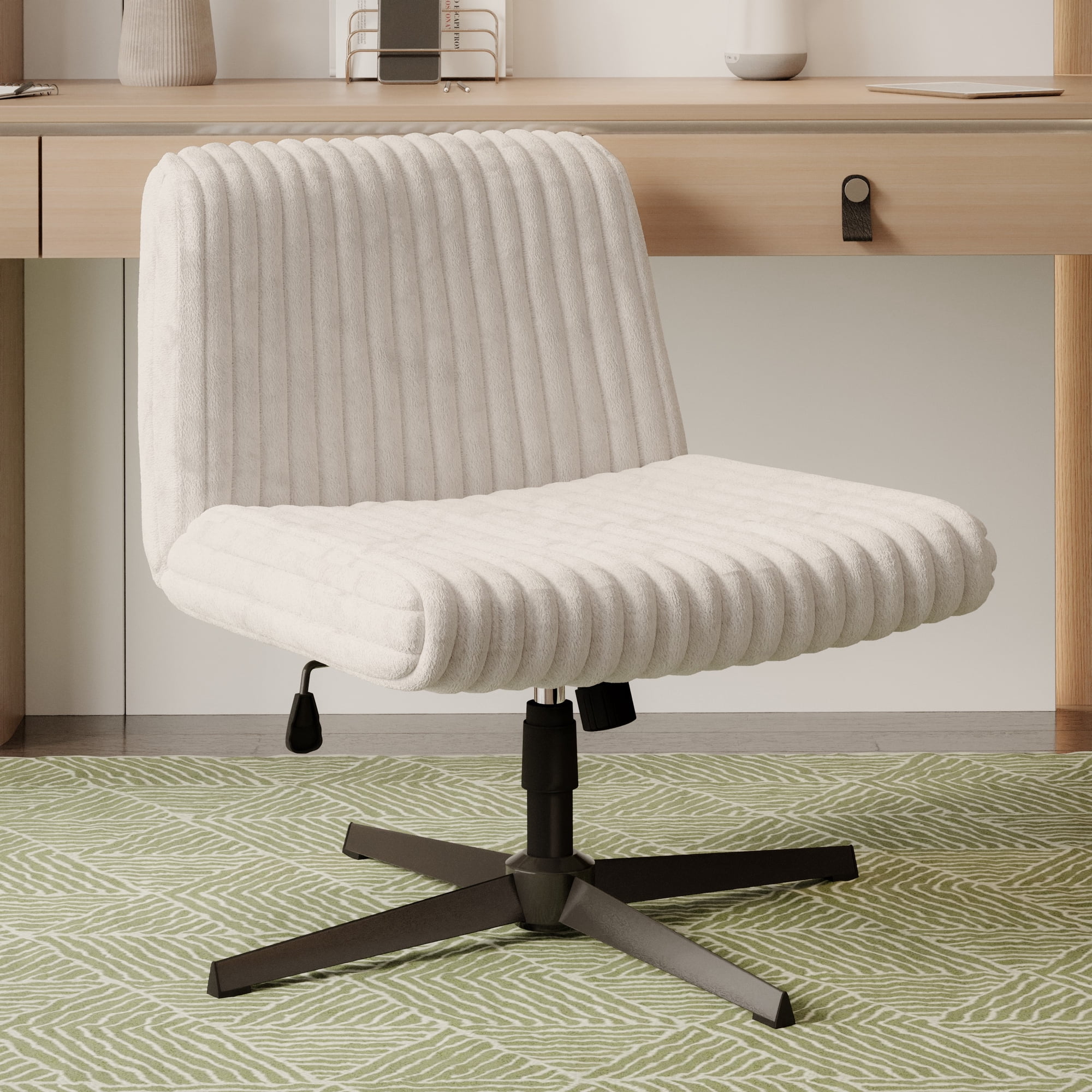
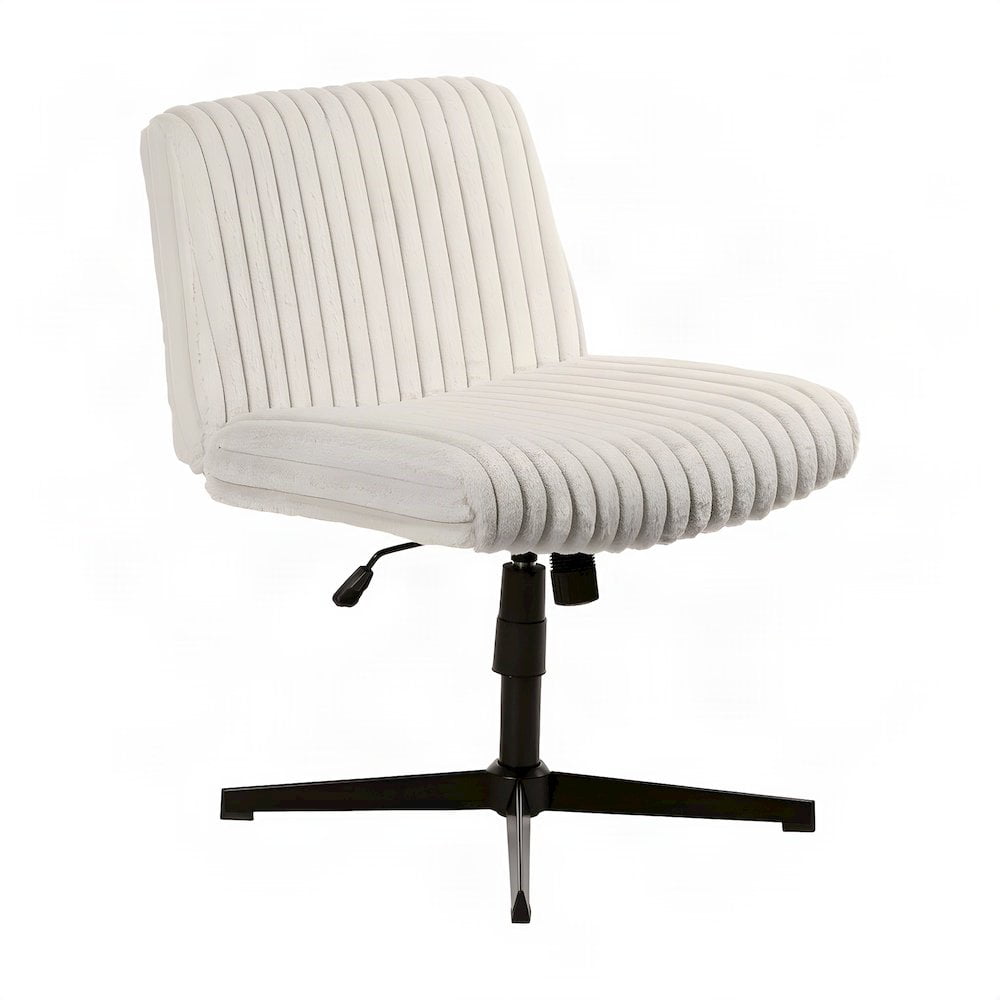
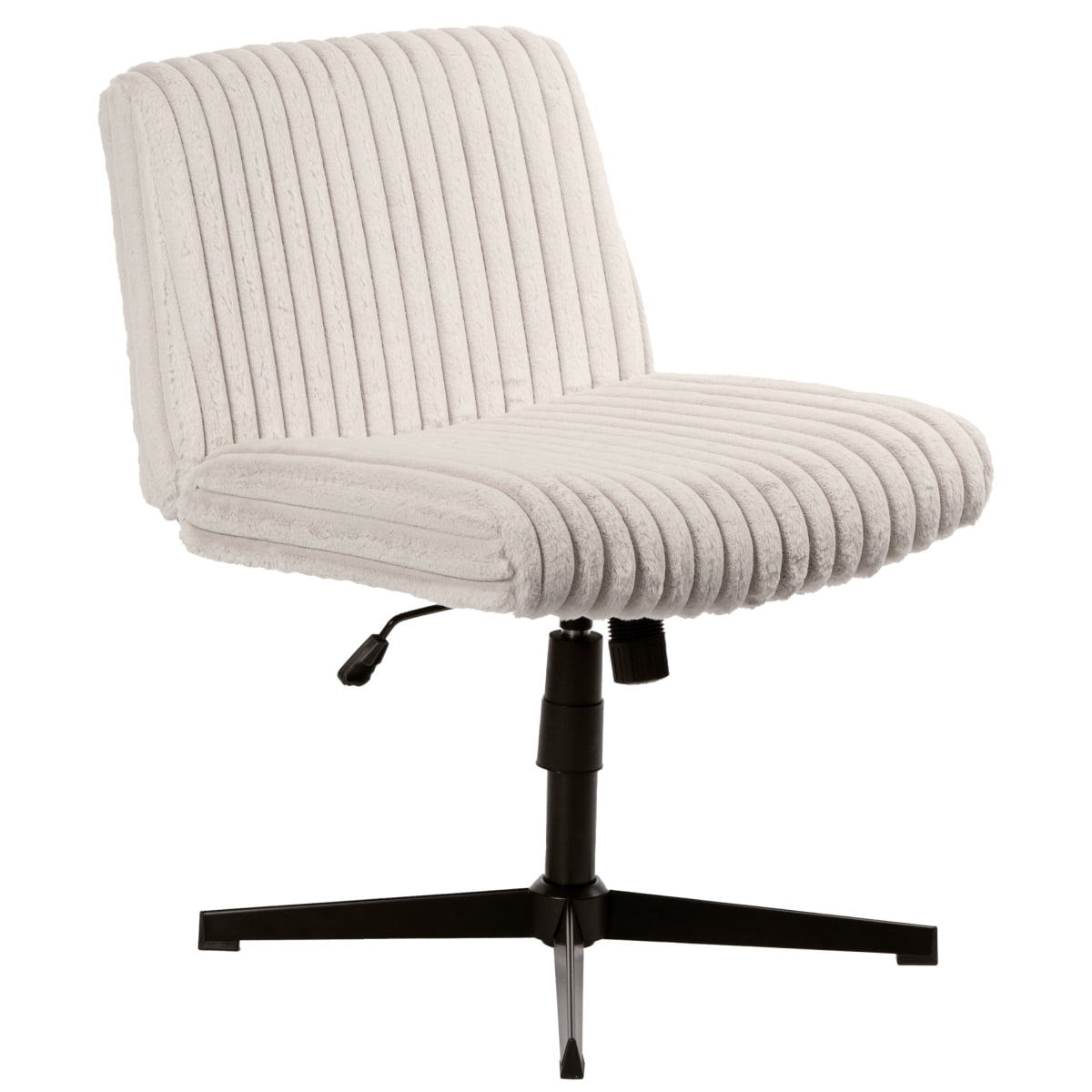
Why an Extra Wide Office Chair Transforms Your Workday
Imagine sitting in a chair that actually fits—no squeezed hips, no overhanging edges, no constant shifting to find a comfortable position. For many professionals, a standard office chair feels like a constraint rather than a support system. If you're larger-framed, tall, or simply prefer more personal space while you work, an extra wide office chair isn't a luxury—it's an ergonomic necessity.
According to the National Institute for Occupational Safety and Health (NIOSH), poor seating fit can lead to circulation problems, pressure points, and chronic discomfort. A 2021 survey by the Ergonomic Trends Association found that 67% of workers using ill-fitting chairs reported daily lower back fatigue. Extra wide chairs address this by providing a seat pan that fully supports the thighs and hips, distributing weight evenly to reduce stress on the spine.
⚖️ The 'sweet spot' for durability: While standard chairs often max out at 250-275 lbs, a quality extra wide office chair should support at least 350 lbs. Many heavy-duty models are tested to 500 lbs or more, using reinforced gas lifts and wider five-star bases to ensure stability.
Anatomy of a Proper Extra Wide Office Chair: Beyond Just Width
Selecting the right chair involves more than just looking at the seat measurement. Here are the critical components that separate a truly supportive extra wide chair from a standard one that's merely been stretched.
1. Seat Dimensions: Width, Depth, and Contour
Seat width is the headline feature, but seat depth matters just as much. A chair that's wide but too shallow won't support your thighs properly. Look for a depth of at least 20-22 inches. Many extra wide models offer sliding seat pans to adjust depth. Contoured foam (high-density or memory foam) prevents the "hammock effect" where the seat sags over time.
- Width checklist: 22" to 30" seat pan – ensure it fits your doorways!
- Depth range: adjustable from 18" to 22" to support different leg lengths.
- Waterfall edge: reduces pressure behind the knees, crucial for taller users.
2. Reinforced Frame & Base: The Hidden Strength
An extra wide chair must have a steel-reinforced frame and a heavy-duty base. Look for bases made of nylon with steel inserts or solid aluminum. The casters should be rated for the chair's capacity—soft rubber casters for hardwood, hard dual-wheel for carpet. A Class 4 or Class 5 gas lift is non-negotiable for safety and longevity.
✅ Advantages of a Reinforced Frame
- Stability during reclining (no wobble)
- Longevity: 7-10 years of daily use
- Confidence for users up to 500 lbs
- Smooth tilt mechanism without creaking
⚠️ Trade-offs to Consider
- Heavier weight (30-60 lbs) – harder to move
- Higher price point ($300-$800+)
- Bulky appearance – not for minimalist spaces
- May require assembly assistance
3. Ergonomic Adjustments Tailored for Larger Bodies
Extra wide doesn't mean one-size-fits-all. Modern designs include:
- Adjustable lumbar support that moves vertically and in depth to match your spine's curve.
- 4D armrests (height, width, depth, pivot) to accommodate broader shoulders and allow the chair to fit under desks.
- Independent seat angle adjustment to reduce pressure on the lower back.
A study in the Journal of Ergonomics (2022) highlighted that users of ergonomic extra wide chairs experienced a 41% reduction in upper back tension after 4 weeks compared to those using non-adjustable wide seats.
4. Material Durability and Breathability
For larger users, materials take more abuse. Prioritize:
- Commercial-grade fabric with high rub count (100,000+ double rubs) – resists pilling and tearing.
- Top-grain leather or bonded leather with reinforced stitching – easier to clean but may trap heat.
- High-density foam (2.5 lbs per cubic foot or higher) – retains shape for years.
- Breathable mesh back – ideal for those who run warm, but ensure the mesh is rated for high weight.
🧑💼 Pro Tip for Remote Workers: If you sit for 8+ hours, choose a chair with a synchronized tilt mechanism. This allows the backrest and seat to move in a natural ratio (usually 2:1 or 3:1) while keeping your feet flat on the floor. It reduces spinal compression by up to 35% compared to fixed chairs.
How to Measure Yourself for the Perfect Extra Wide Fit
Before you buy, take these simple measurements to avoid returns:
- Hip width: Sit on a flat surface and measure across the widest part of your hips/thighs. Add 2-4 inches for comfortable movement → this is your minimum seat width.
- Thigh length: From the back of your buttock to the back of your knee. Subtract 2 inches → this is your ideal seat depth (to avoid pressure behind knees).
- Shoulder height: From the seat surface to your shoulder top. The backrest should be at least 22-26 inches tall to support your shoulders.
- Desk clearance: Measure from floor to desk underside. Ensure the chair's armrests can be lowered enough to slide under.
According to the American Industrial Hygiene Association, 80% of office workers use chairs that are either too narrow or too shallow. Taking 10 minutes to measure can prevent months of discomfort.
Frequently Asked Questions: Extra Wide Office Chairs
Conclusion: Invest in Space That Works for You
Choosing an extra wide office chair is a commitment to your daily comfort and long-term well-being. Whether you're a big and tall executive, someone who loves to sit dynamically, or you simply refuse to squeeze into a standard seat, the right chair pays dividends in focus, energy, and physical ease.
Remember the three pillars: correct measurements, verified weight capacity, and robust adjustability. The chairs featured above (updated via Walmart API) represent some of the best options available, combining generous proportions with the ergonomic science that keeps you productive. Don't settle for less—your body will thank you.