

Why Stackable Office Chairs Are a Game-Changer for Dynamic Workplaces
Imagine a conference room that transforms into a training hub in minutes, or a multipurpose hall that hosts both all-hands meetings and cocktail events. Stackable office chairs make this flexibility possible. They are the unsung heroes of space management, offering a practical solution for offices where every square foot counts. Unlike fixed seating, stackable chairs can be neatly stored away, freeing up valuable floor space for other activities.
According to a recent survey by the International Facilities Management Association (IFMA), 68% of companies with flexible workspaces report higher employee satisfaction and more efficient use of real estate. Stackable seating plays a crucial role in this shift. But not all stackable chairs are created equal. The difference between a flimsy, uncomfortable stacker and a robust, ergonomic model can significantly impact your team's productivity and the impression you leave on clients.
Key Insight: The global market for stackable chairs is projected to grow by 5.2% annually, driven by the demand for adaptable office layouts. Investing in high-quality stackable chairs means fewer replacements and a better return on investment over time.
The Anatomy of a Superior Stackable Office Chair
Choosing the right stackable chair is like picking the right tool for a job—you need to understand its components. Here’s a deep dive into what makes a stackable chair durable, comfortable, and truly space-saving.
1. Frame & Material: The Backbone of Durability
The frame determines the chair's lifespan and weight capacity. You'll typically encounter these materials:
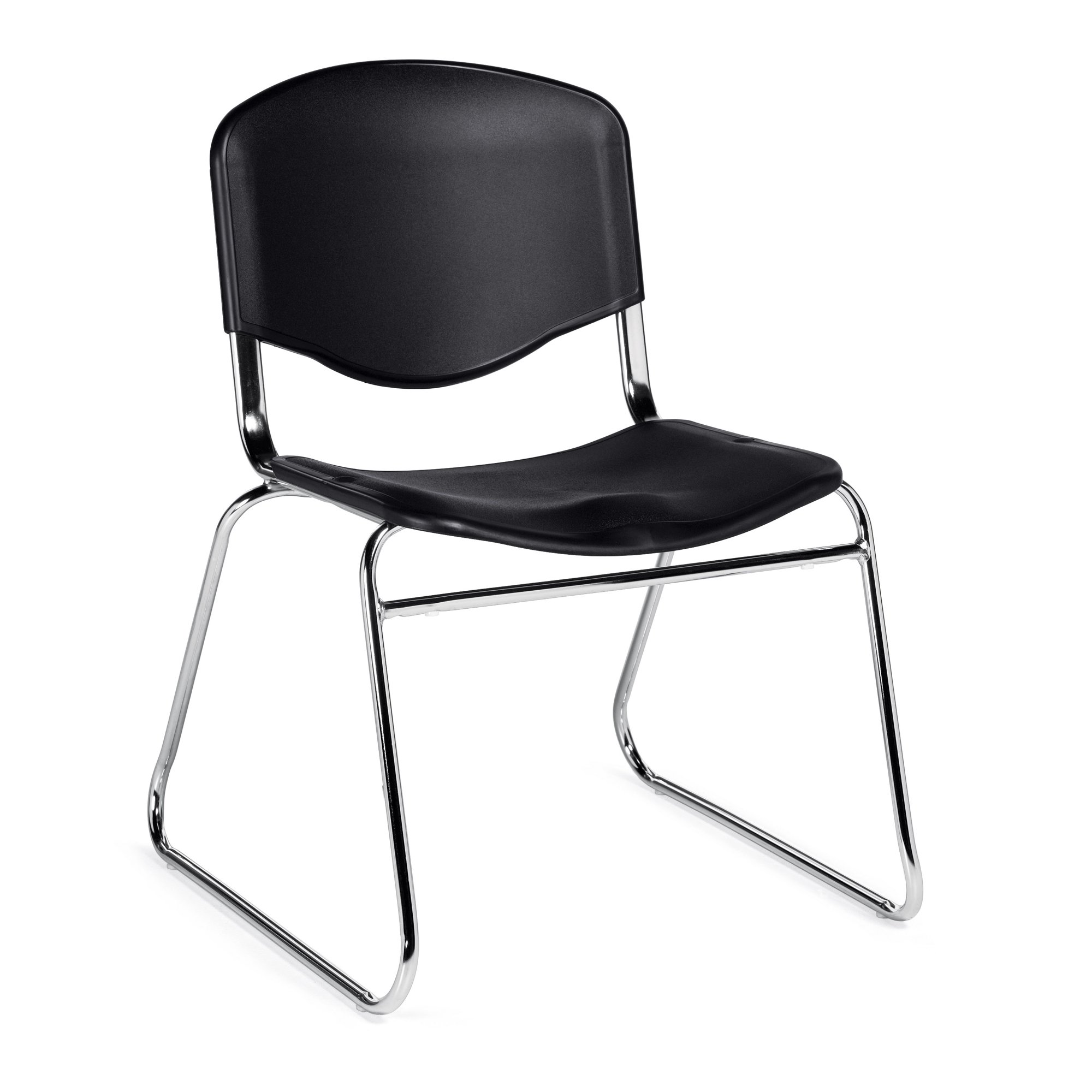
- Polypropylene (Plastic): This is the most common material for lightweight stackers. It's resistant to moisture, easy to clean, and available in a rainbow of colors. High-quality polypropylene frames are reinforced with glass fiber for added strength. Think of it like a high-performance car bumper—strong yet flexible.
- Steel or Aluminum Frames: For heavy-duty use, metal frames are the gold standard. Powder-coated steel offers exceptional strength (supporting up to 500 lbs), while aluminum provides a rust-proof, lightweight alternative. These are ideal for 24/7 commercial environments like airports or large training centers.
- Wood: Wooden stackable chairs bring a warm, executive feel to boardrooms. They are often heavier and used in less frequent stacking scenarios, focusing more on aesthetics than high-volume stacking.
Data Point: In a stress test, commercial-grade polypropylene chairs withstood over 100,000 stacking cycles without cracking, proving that modern materials can rival metal in longevity.
2. Stacking Mechanism & Safety
The genius of a stackable chair lies in its ability to pile securely. Look for these design features:
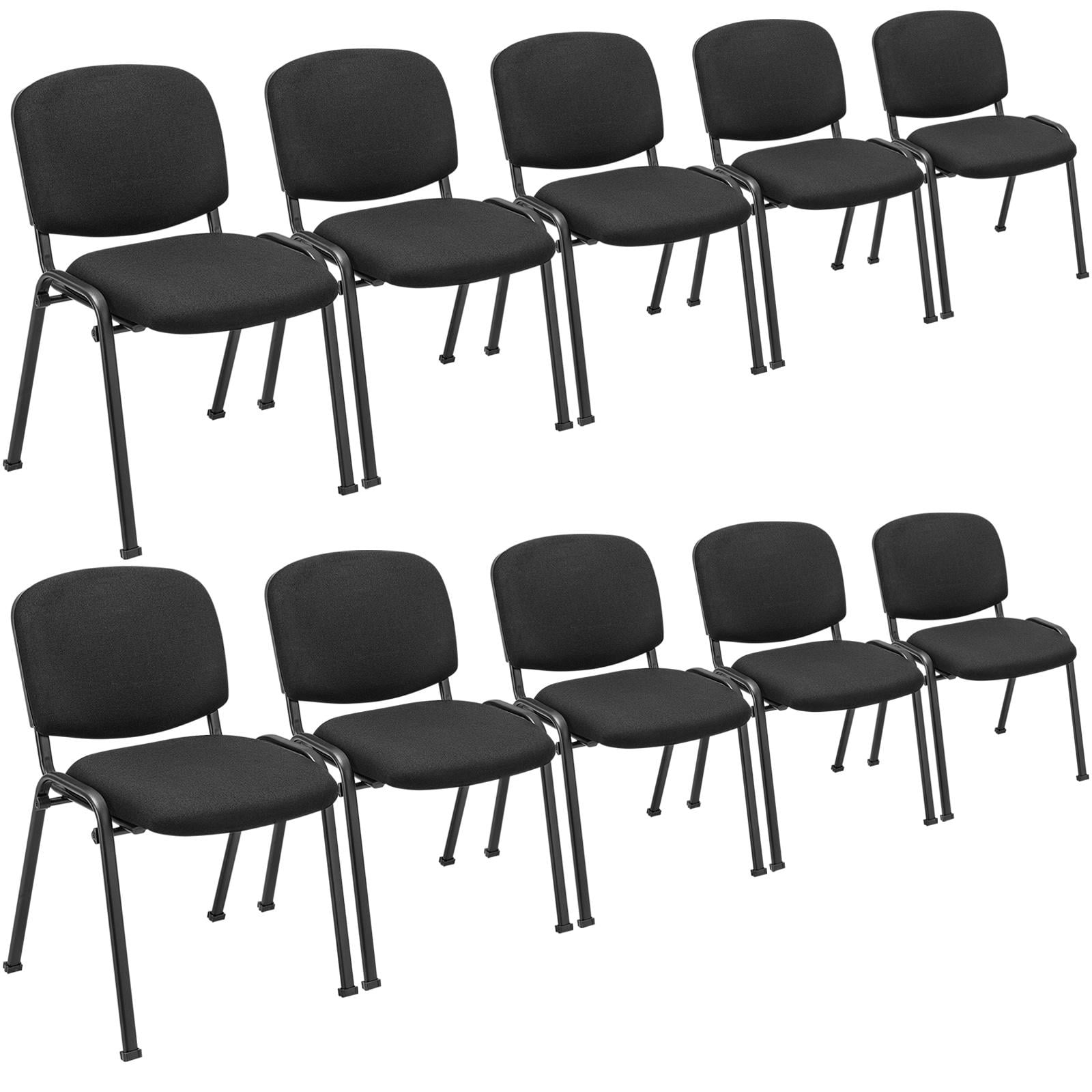
- Stacking Bumpers: These are small plastic protrusions on the legs that prevent the chairs from scratching each other and ensure a stable stack. Without them, chairs can wobble and become a tipping hazard.
- Integrated Handles: Some chairs have cut-outs or built-in handles on the backrest, making it easy to lift and carry multiple chairs at once. This is a massive time-saver for staff setting up rooms.
- Stacking Height & Stability: A well-designed chair stacks evenly, with the stack's center of gravity remaining low. Most chairs stack 4-6 high safely. For very tall stacks (8+ chairs), look for models with reinforced leg connectors.
Think of a well-stacked chair like a set of perfectly balanced blocks—each one locks into place, creating a stable tower.
3. Ergonomics Meets Stackability: Comfort for Guests
For years, stackable chairs had a reputation for being uncomfortable "event chairs." That's no longer the case. Modern designs incorporate ergonomic principles:
- Contoured Seats and Backs: Many stackable chairs now feature a slight waterfall edge on the seat to reduce pressure on thighs, and a lumbar curve to support the lower back. This passive ergonomics approach provides comfort without complex adjustments.
- Breathable Mesh Inserts: For warmer climates or long sessions, chairs with mesh backs allow air circulation, preventing that sticky feeling.
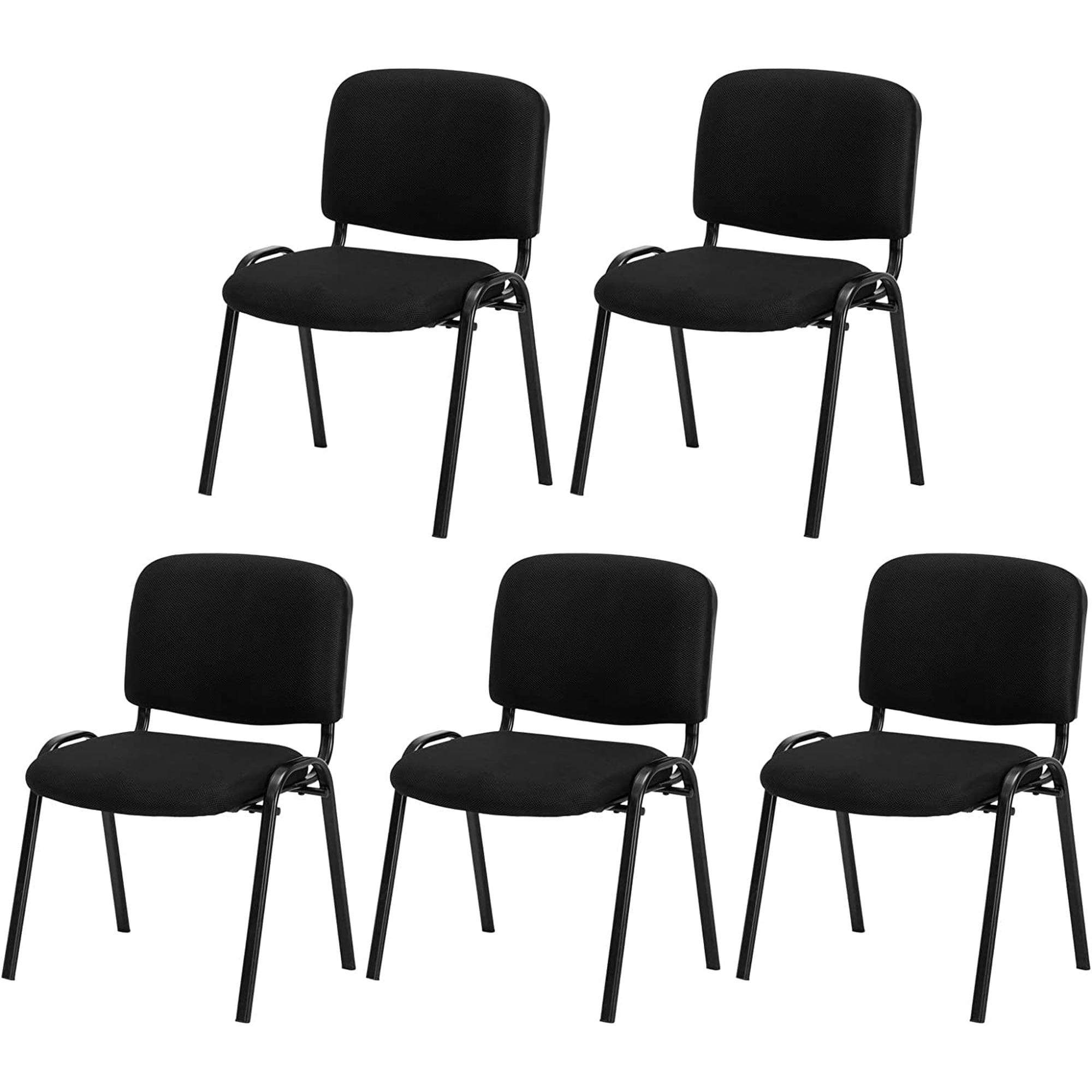
- Optional Padding: While all-plastic chairs are cost-effective, upholstered seats with high-density foam add a layer of luxury for executive meeting rooms. Some even feature "flip-up" seats that allow for tighter stacking while protecting the upholstery.
Ergonomic Fact: A study from Cornell University found that even a slightly contoured seat can reduce perceived discomfort by up to 30% during a 2-hour sitting period.
4. Choosing the Right Style for Your Space
Stackable chairs are not one-size-fits-all. Here's a quick guide to common variants:
| Chair Type | Best Use Case | Key Feature |
|---|---|---|
| Armless Stackers | Classrooms, worship spaces, high-density storage | Most compact stack, fits more chairs per square foot |
| Stackable Chairs with Arms | Conference rooms, dining areas | Comfort of armrests; often with flip-up arms for stacking |
| Stackable Chairs with Casters | Training rooms, collaborative zones | Easy to move around; wheels lock for safety |
| Ganging Stackable Chairs | Auditoriums, waiting areas | Built-in clips to connect chairs side-by-side, creating rows |
| Folding vs. Stacking | Multi-purpose halls | Folding chairs often stack but may be less durable; stacking chairs are typically sturdier |
Extending the Life of Your Stackable Seating
Proper maintenance ensures your investment lasts. Here’s a simple 3-step routine:
- Clean Regularly: For plastic or metal frames, a damp cloth with mild soap is sufficient. For fabric chairs, vacuum regularly and treat stains immediately with a fabric cleaner. Pro tip: Avoid harsh chemicals that can degrade plastic over time.
- Inspect Stacking Points: Every few months, check the stacking bumpers and leg glides. Replace them if worn out to prevent scratches and ensure stable stacking. Most manufacturers sell these as inexpensive replacement parts.
- Rotate Usage: In high-traffic areas, rotate chairs from the bottom to the top of the stack periodically. This distributes wear evenly across your fleet.
Think of it like rotating tires on a car—it prevents uneven wear and extends the overall lifespan.
Frequently Asked Questions About Stackable Office Chairs
Conclusion: Making the Smart Choice for Flexible Seating
Stackable office chairs are more than just a space-saving afterthought; they are a strategic component of a modern, agile workplace. By understanding the nuances of frames, ergonomics, and safety features, you can select chairs that not only fit your budget but also enhance the comfort of your team and visitors.
Whether you need lightweight plastic stackers for a bustling training center or upholstered armed chairs for an executive boardroom, the market offers a solution tailored to your needs. Prioritize durability, test for comfort, and consider the stacking mechanism. A well-chosen stackable chair will serve your organization for years, adapting seamlessly to your evolving space requirements.
Final Thought
View your stackable chairs as an investment in flexibility. The ability to reconfigure a room in minutes—from a lecture setup to a networking event—adds a dynamic layer to your office that fixed furniture simply cannot match.