
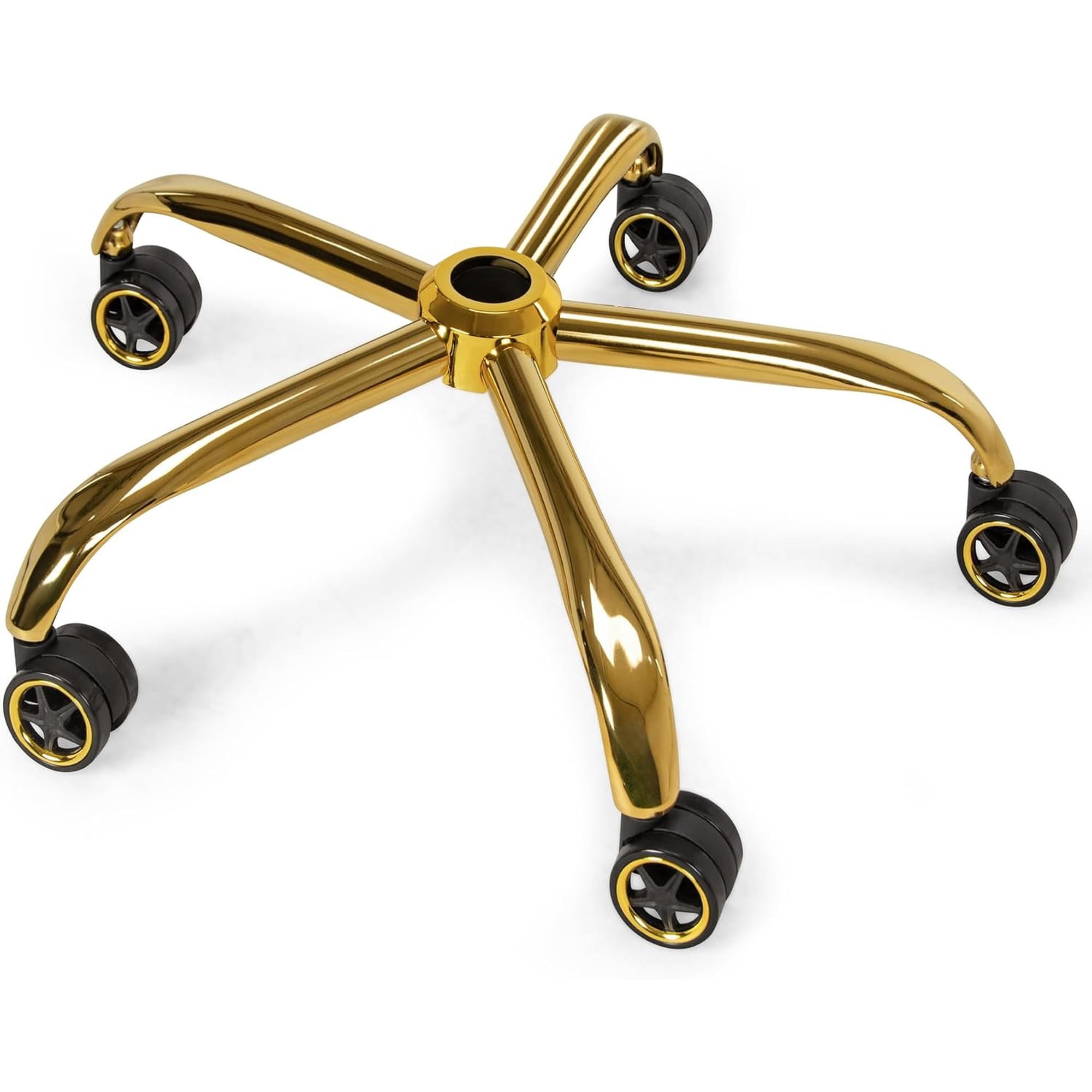
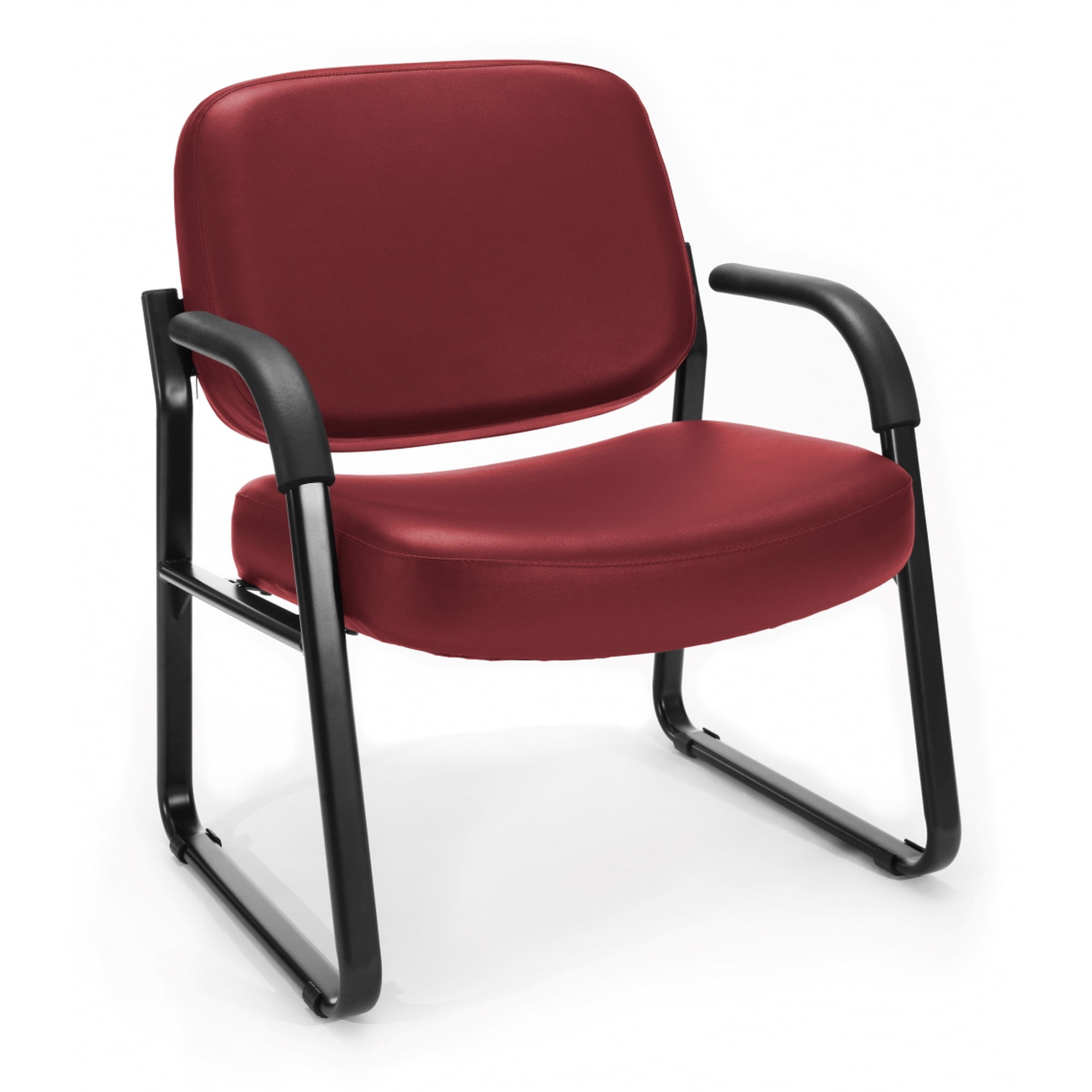
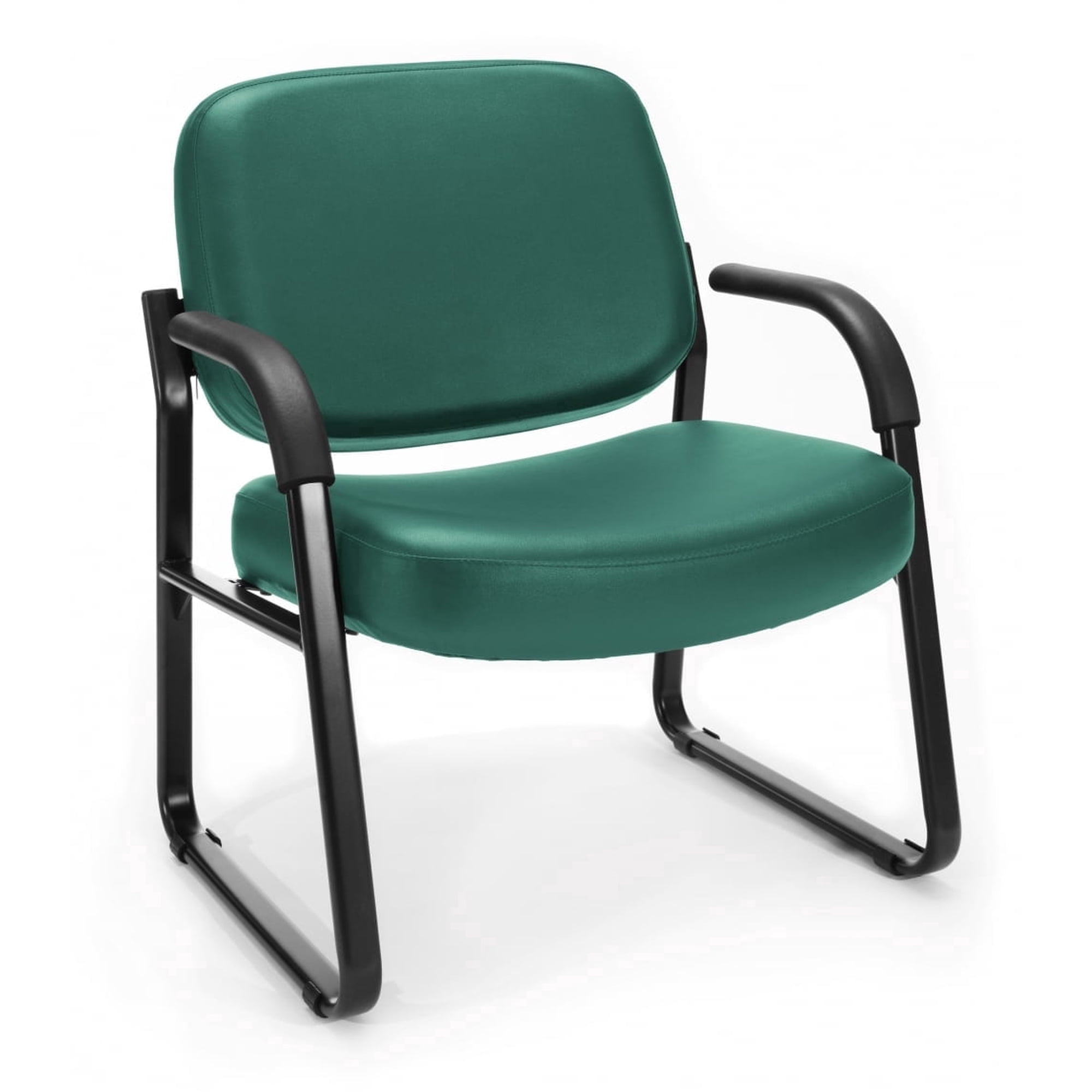
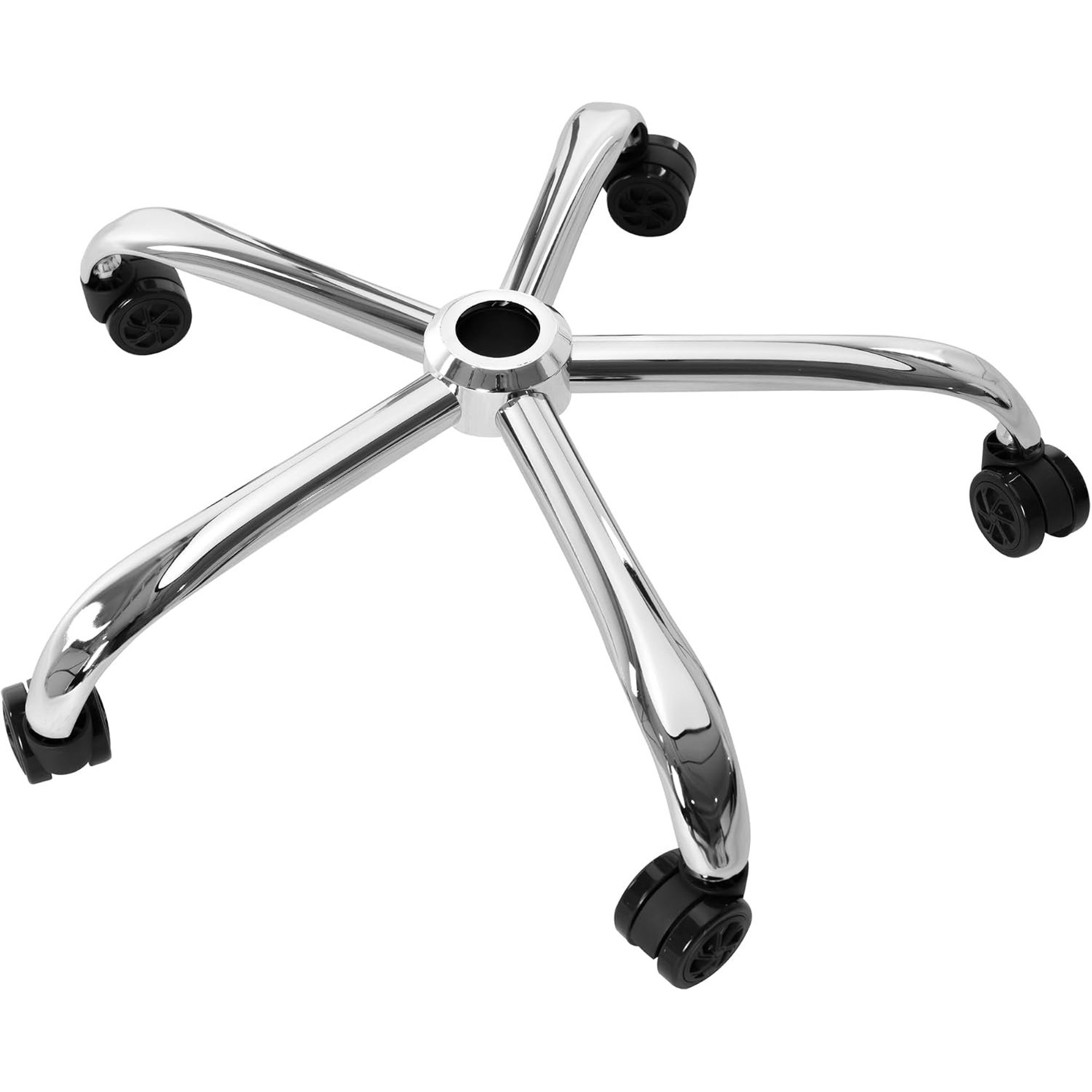
Why Your Heavy Duty Chair Deserves Reinforced Wheels
Imagine building a powerful truck and fitting it with flimsy bicycle tires. That's exactly what happens when a high-capacity heavy duty office chair is paired with standard plastic casters. The wheels are the only point of contact between you, your chair, and the floor. For individuals who require heavy duty office chair wheels, this component isn't an afterthought—it's the foundation of safety, mobility, and comfort.
Standard wheels, often rated for 200-250 pounds, fail under the stress of daily use by larger individuals. They crack, flatten, and cease to roll smoothly, turning a premium chair into a frustrating, static hazard. Upgrading to reinforced casters isn't just about replacement; it's about enhancing the performance of your existing heavy-duty chair. Whether you're navigating a thick carpet in a home office or gliding across hardwood in a corporate suite, the right wheels transform your experience.
Ergonomic Fact: According to occupational health studies, improper chair mobility can increase the risk of strain by 30%. Wheels that don't roll freely force you to twist your torso or exert uneven pressure, leading to back and shoulder fatigue. Heavy duty wheels ensure movement is effortless, keeping your body aligned and relaxed.
Decoding Heavy Duty Chair Wheels: Materials, Stems, and Load Ratings
Selecting the right casters requires understanding three critical factors: the wheel material, the stem type, and the weight capacity. Unlike standard chair wheels, heavy-duty variants are built with industrial-grade components to withstand immense pressure without deforming.
1. Wheel Material: The Battle of Durability vs. Floor Safety
The material of your heavy duty office chair wheels dictates how they interact with your flooring. Here’s a breakdown of the most common types:
Polyurethane (Rollerblade Style)
- Superior weight distribution: Supports 400+ lbs without flattening.
- Quiet & smooth: Glides silently over cracks and transitions.
- Floor-safe: Non-marking and won't scratch hardwood or tile.
- Long lifespan: Resists wear and tear from daily use.
Hard Nylon / Plastic
- Prone to cracking: Under heavy loads, plastic can fatigue and snap.
- Damages floors: Can leave black marks on hardwood and crush carpet fibers.
- Noisy: Clatter across hard surfaces.
- Accumulates debris: Hair and dust get wrapped in the axle.
Verdict: For true heavy duty applications, solid polyurethane is the gold standard. It combines the hardness needed for weight support with the give required to protect your floors.
2. Stem Types: Ensuring Compatibility
You can't just buy any wheel; it must fit your chair's control mechanism. Heavy duty office chair wheels typically come with one of these stem configurations:
- Standard Grip Ring Stem (7/16" or 11mm): The most common type. It has a series of rings that snap into the chair leg. Universal heavy-duty replacements usually include this.
- Brake Stem: Features a small indentation for a locking clip. Often found in office chairs with wheel locks.
- Threaded Stem: Screws into the chair base. Less common in modern office chairs but found in some vintage or specialized models.
- Plate Casters: Used in some heavy-duty industrial or reception chairs. They bolt onto a metal plate.
When purchasing replacements, look for "universal fit" heavy duty casters that include adapter sleeves to fit 7/16", 3/8", and other common stem diameters. This ensures you won't need to return them due to a size mismatch.
3. Weight Capacity: The Non-Negotiable Number
Marketing can be misleading. A wheel advertised as "heavy duty" might only support 250 lbs. Here’s how to decode the ratings:
| Wheel Class | Capacity per Wheel | Total Chair Capacity (5 wheels) | Recommended For |
|---|---|---|---|
| Standard | 50-60 lbs | 250-300 lbs | Light office use, guest chairs |
| Reinforced | 75-90 lbs | 375-450 lbs | Big & Tall users, 24/7 use |
| Industrial / Heavy Duty | 100-150 lbs+ | 500-750 lbs+ | Extreme weight, medical bariatric, industrial workstations |
Always multiply the per-wheel capacity by five (since chairs have five casters) to get the safe working load. For a 350-pound user, you need wheels rated for at least 70 lbs each.
4. Floor Type: Matching Wheels to Your Environment
Using the wrong wheel on your floor type is a recipe for disaster. Use this quick guide:
Thick Carpet
Choose larger diameter wheels (3"+) with soft polyurethane. They roll over fibers without sinking.
Hardwood / Laminate
Opt for soft rubber or polyurethane. Avoid hard nylon at all costs. Look for "non-marking" labels.
Tile / Concrete
Medium-durometer polyurethane works best. It absorbs vibration and won't chip tile.
Low-Pile Office Carpet
Standard polyurethane rollerblade wheels excel here, providing smooth glide and stability.
5. Locking Mechanisms: When Stability is Key
For heavy duty applications, locking casters add a layer of safety. If you use a standing desk, have a slight slope in your office, or simply want the chair to stay put when you stand up, consider heavy duty office chair wheels with brakes. These casters allow you to lock one or more wheels, preventing any movement. There are two types:
- Total-Lock Brakes: A lever engages a brake pad against the wheel, stopping rotation completely.
- Directional Locks: Allow the wheel to roll forward/backward but lock the swivel, keeping the chair facing one direction—useful for assembly line work or specific desk setups.
6. Installation: A DIY-Friendly Upgrade
Upgrading your wheels is one of the simplest yet most impactful office improvements. Follow these steps:
- Remove the old wheel: Tilt the chair and pull firmly on the old caster. If it's stuck, use a wrench or a pry bar gently between the stem and the chair leg.
- Check the stem size: Compare it to your new wheel's stem. Use any provided adapters to match the diameter.
- Insert the new heavy duty wheel: Push firmly until you hear a click (for grip ring stems). For threaded stems, screw them in clockwise.
- Test: Ensure the wheel spins freely and locks properly (if applicable).
Pro Tip: Before inserting a new grip-ring stem, rub a little dish soap or wax on the rings. This lubricates the insertion and helps it seat fully without damaging the rings.
7. Maintenance for Longevity
To ensure your heavy duty wheels last for years, a little care goes a long way:
- Clean regularly: Hair, lint, and string can wrap around the axle. Remove debris with scissors or a seam ripper.
- Check for flat spots: If you park your chair in the same spot daily, the wheels can develop a flat spot. Roll the chair to a different position periodically.
- Lubricate: If wheels squeak, apply a dry silicone lubricant to the axle—never oil, as it attracts dirt.
Frequently Asked Questions About Heavy Duty Office Chair Wheels
Conclusion: Invest in the Foundation of Your Comfort
Your heavy duty office chair is an investment in your health and productivity. Don't let substandard wheels undermine that investment. By upgrading to purpose-built heavy duty office chair wheels, you address the most common point of failure in big and tall seating. You gain effortless mobility, protect your flooring, and ensure the chair's mechanisms aren't stressed by dragging or jerking movements.
Remember the key factors: choose polyurethane for a balance of strength and floor safety, verify your stem type, and select a weight capacity that exceeds your needs. Whether you opt for smooth-rolling casters or lockable ones for stability, the right wheels will make your chair feel brand new. Browse the top-rated options above and give your chair the mobility it deserves.