
The Ultimate Guide to Heavy Duty Office Chair 500 lbs: Strength Meets Ergonomics
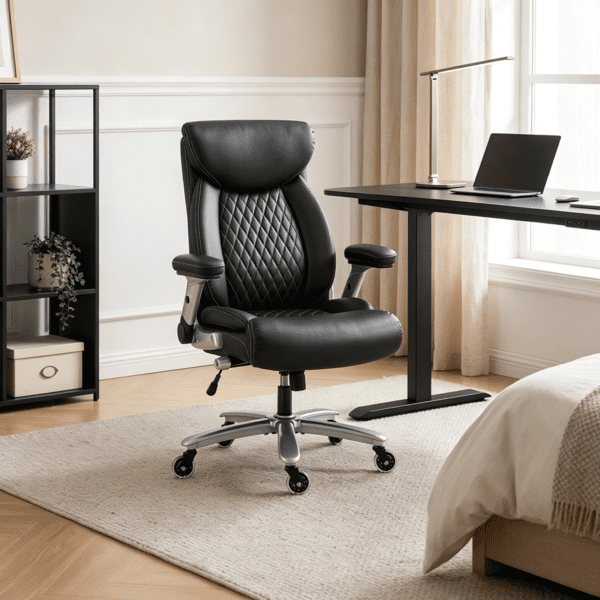
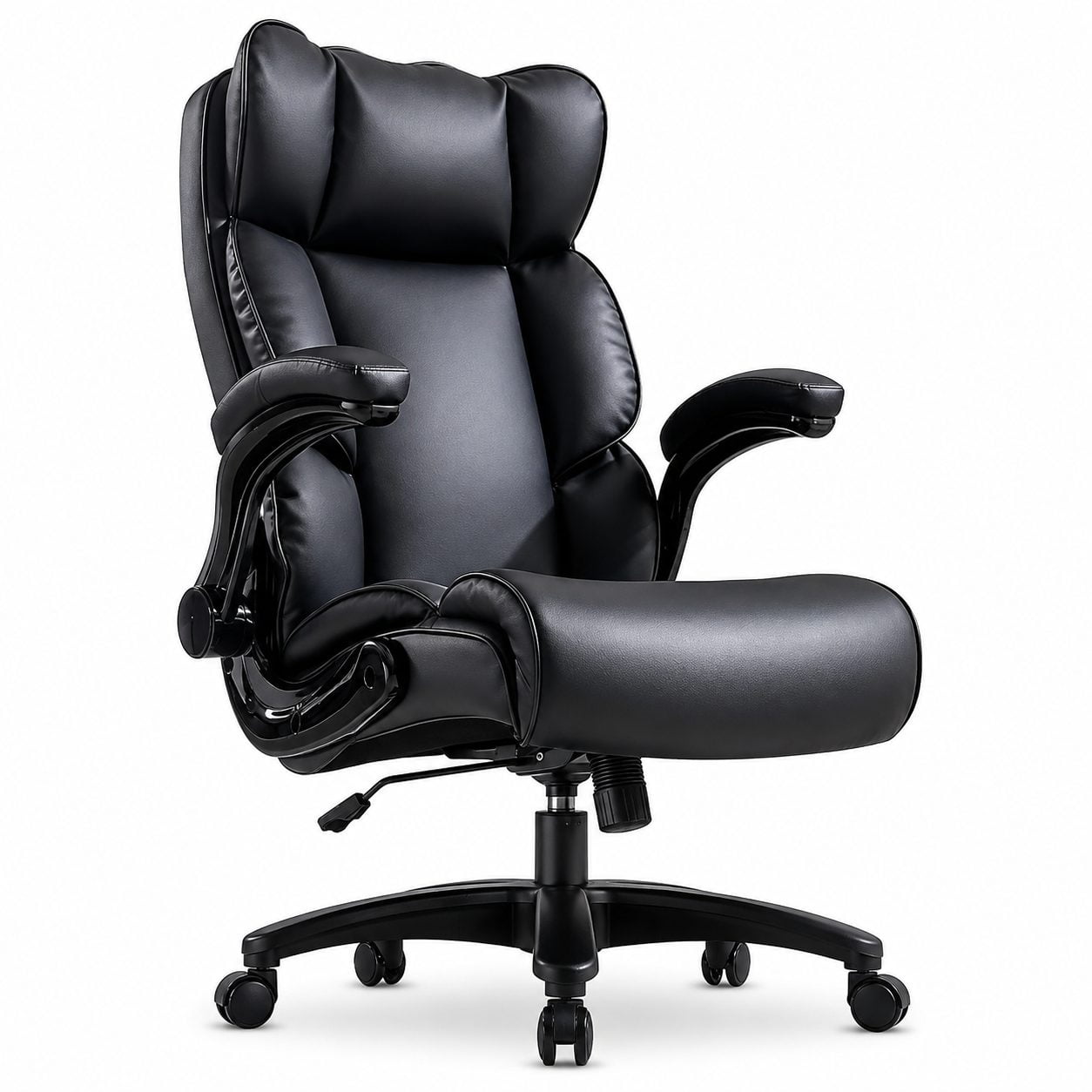
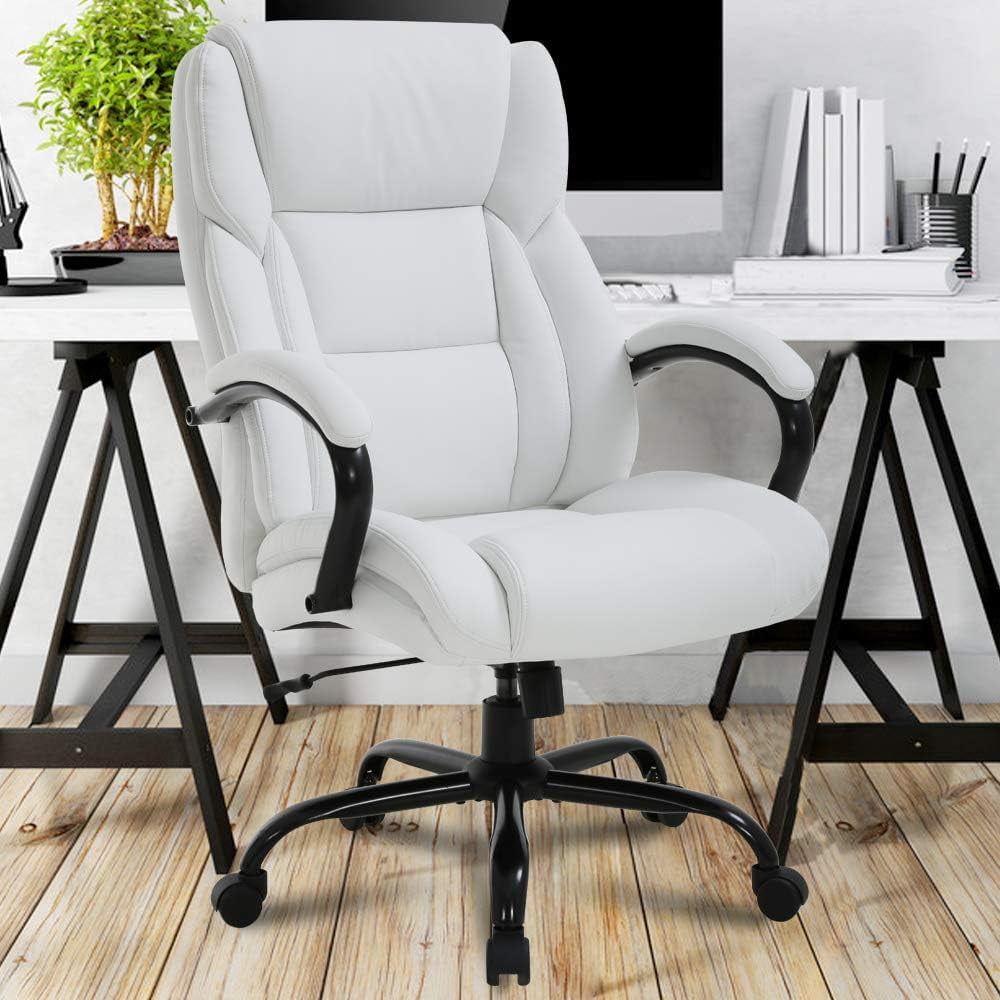
Finding an office chair that comfortably and safely supports 500 lbs can feel like searching for a vehicle that fits a family of six—it requires specialized engineering. A standard office chair, typically rated for 250–300 lbs, simply won't provide the stability, durability, or comfort needed for larger body types. Enter the heavy duty office chair 500 lbs category: these are the reinforced, extra-wide, commercial-grade seats built to last. This guide dives deep into what makes these chairs different, who needs them, and how to select the perfect one for your home office or corporate workspace.
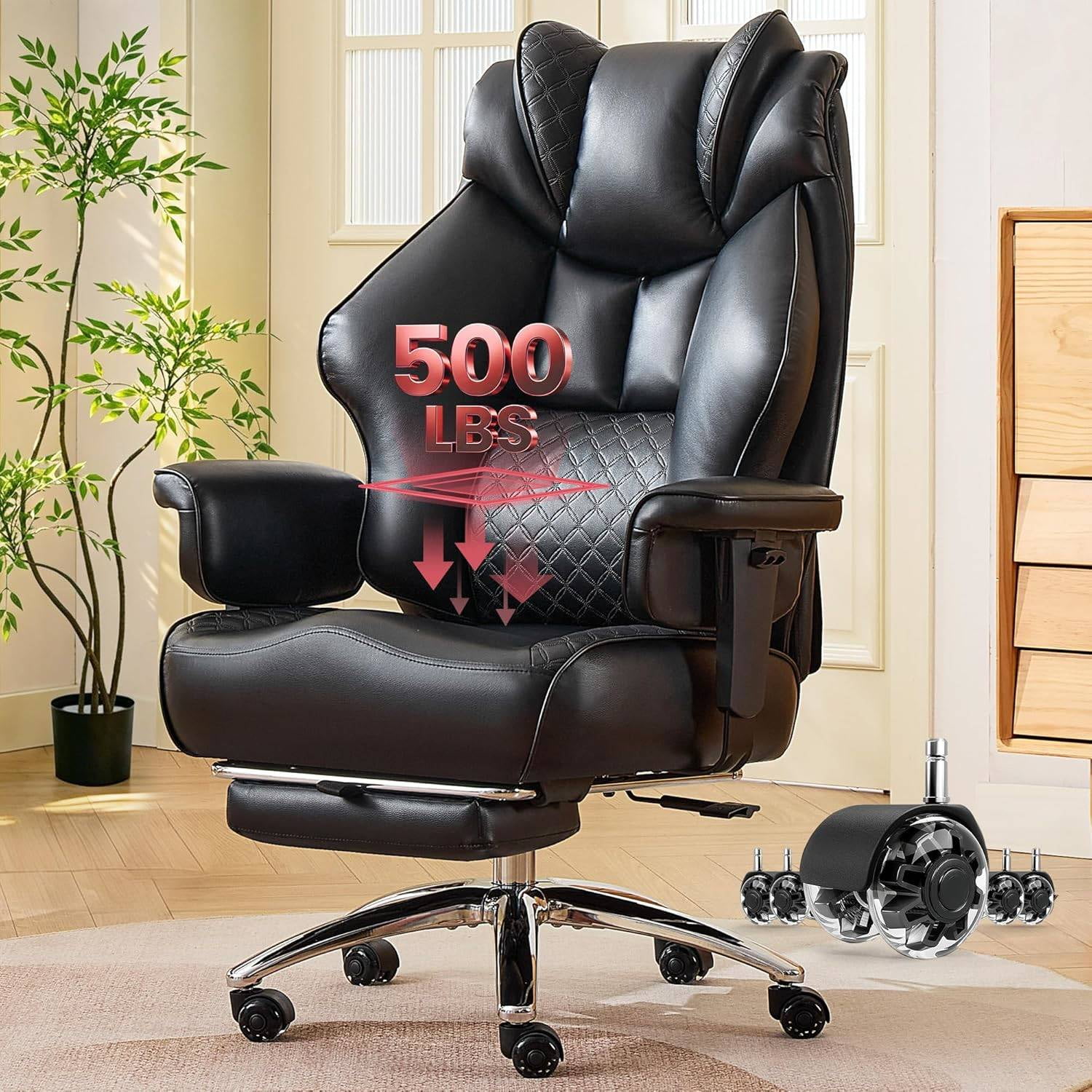
Why 500 lbs is a benchmark: Chairs at this capacity represent the top tier of residential and light-commercial seating. They incorporate heavy-gauge steel frames, wider bases (often 28"+) , and pneumatic cylinders tested to withstand extreme loads. According to industry data, proper seating for individuals over 300 lbs reduces pressure points by up to 50% and significantly lowers the risk of chair failure.
1. The Anatomy of a 500 lb Capacity Office Chair
Think of a standard chair as a bicycle and a 500 lb rated chair as a heavy-duty truck. The components are fundamentally different:
- Reinforced Steel Frame: Not just welded, but often with thicker gauge steel (2.0mm or more) in the base and backrest connection points. This eliminates wobble and twisting.
- Industrial-Grade Gas Lift: Certified by agencies like BIFMA or TÜV for high loads. A standard class 3 or 4 lift is replaced with a heavy-duty class 5 or even custom hydraulic unit.
- Wider, Durable Base: A 28" - 30" nylon or aluminum base with reinforced arms to prevent cracking. Often paired with larger, dual-wheel casters (3" diameter) to roll smoothly on carpets.
- High-Density Foam: The seat cushion is not your average foam. It's often a multi-layer design with a firm, supportive core that resists bottoming out, even after 10+ hour days.
2. Who Specifically Benefits from a 500 lb Rated Chair?
While the most obvious user is a person weighing close to 500 lbs, this category serves a broader audience:
- Big & Tall Individuals: Anyone over 6'2" or 250 lbs will appreciate the extra seat width (typically 22"-30") and taller backrests.
- Users Seeking "Bulletproof" Durability: Even if you weigh 200 lbs, a 500 lb rated chair will likely outlast three standard chairs. It's an investment in longevity.
- Shared Workspaces or 24/7 Environments: In offices where chairs are used by multiple shifts, the reinforced construction handles abuse better.
Analogy: Buying a chair with double your weight capacity is like buying a truck that can tow 10,000 lbs when you only tow a 3,000 lb boat. The engine and frame are under much less stress, leading to a longer lifespan.
3. Critical Features to Evaluate Before Buying
Not all "500 lb" chairs are created equal. Here's a checklist to separate the robust from the risky:
3.1. Seat Width and Depth Adjustability
Look for a seat width of at least 22 inches. For maximum comfort, 28-30 inches is ideal. Seat depth is equally important—you want 2-3 fingers of space between the back of your knee and the seat edge. Adjustable depth is a premium feature worth seeking.
3.2. Backrest Height and Lumbar Support
A tall backrest (26" or higher) ensures your shoulders are supported. Adjustable lumbar support is non-negotiable for long hours. It should move vertically and, ideally, in depth to fill the curve of your lower back.
3.3. Material Integrity: Upholstery and Foam
Commercial-grade bonded leather or durable fabric is standard. Avoid cheap vinyl that cracks. The foam density should be at least 2.5 lbs per cubic foot for high resilience. Some chairs use memory foam on top of high-density base foam for comfort.
3.4. Mechanism and Tilt
A multi-function mechanism that allows you to lock the tilt and adjust tension is vital. For heavier users, a synchronized mechanism (where the back and seat move together) provides better balance and prevents tipping.
4. Comparing 500 lb Chairs to Other Heavy-Duty Classes
Understanding the market helps set expectations. Here's a quick comparison:
| Weight Capacity | Typical Seat Width | Frame Material | Best For |
|---|---|---|---|
| 400 lbs | 20" - 22" | Reinforced Steel | Entry-level heavy duty, smaller budgets |
| 500 lbs | 24" - 28" | Heavy-Gauge Steel | Sweet spot for most big & tall users, commercial use |
| 600+ lbs | 28" - 32" | Extra-thick steel, often aluminum base | Bariatric needs, extreme durability, often higher cost |
According to recent market analysis, the 500 lb category represents the fastest-growing segment in office seating, with a 22% year-over-year increase in searches. This reflects a growing awareness that proper seating is a health investment.
5. Health and Posture Benefits of Correct Sizing
Sitting in a chair that's too small is like wearing shoes that are too tight—it causes problems. A properly fitted 500 lb chair provides:
✅ Positive Health Impacts
- Reduced pressure on sciatic nerve from proper seat width.
- Improved circulation due to waterfall edge not cutting off thighs.
- Better spinal alignment with correctly positioned lumbar support.
- Decreased fatigue from stable, wobble-free base.
⚠️ Risks of an Undersized Chair
- Pinching and discomfort in hips and thighs.
- Increased lower back strain from lack of support.
- Premature wear and potential collapse of components.
- Poor posture leading to headaches and neck pain.
6. Step-by-Step Guide to Testing Your Chair's Fit
Once you've purchased a chair, use this 5-step method to dial in your settings:
- Seat Height: Adjust so your feet are flat on the floor, thighs parallel to the ground. Knees should be at a 90-degree angle or slightly lower than hips.
- Seat Depth: If adjustable, slide the seat forward or back until you have 2-3 finger widths between the back of your knee and the seat pan.
- Backrest Angle & Lumbar: Sit back. Adjust lumbar support so it fits snugly into the curve of your lower back. Set the backrest recline tension so you can lean back with moderate effort.
- Armrests: Set them so your shoulders are relaxed, elbows at 90 degrees, and forearms parallel to the floor. They should lightly support your arms while typing.
- Test Drive: Spend 15 minutes performing your typical tasks. Make micro-adjustments. Any pressure points? Tweak again.
7. Maintenance Tips to Maximize Chair Lifespan
A 500 lb chair is an investment. Make it last 7-10 years with these tips:
- Clean upholstery monthly: Use a mild cleaner and soft cloth. Avoid harsh chemicals that dry out leather/fabric.
- Tighten bolts every 6 months: Vibration from use can loosen connections. A simple check with an Allen wrench prevents wobble.
- Lubricate moving parts: A silicone spray on the gas lift mechanism and tilt mechanism keeps action smooth.
- Protect casters: Remove hair and debris wrapped around wheels to prevent them from seizing.
Frequently Asked Questions About Heavy Duty Office Chair 500 lbs
Conclusion: Secure Your Comfort and Safety
Choosing a heavy duty office chair 500 lbs is not just about meeting a weight limit—it's about respecting your body's need for proper support and ensuring your workspace is safe, comfortable, and productive. By focusing on reinforced construction, quality materials, and adjustability, you're making a decision that pays dividends in health and durability for years. Remember the analogy of the truck: over-engineering is a feature, not a flaw. Use the checklist and steps in this guide to confidently select a chair that will serve you faithfully through countless workdays. Your back, and your peace of mind, will thank you.