
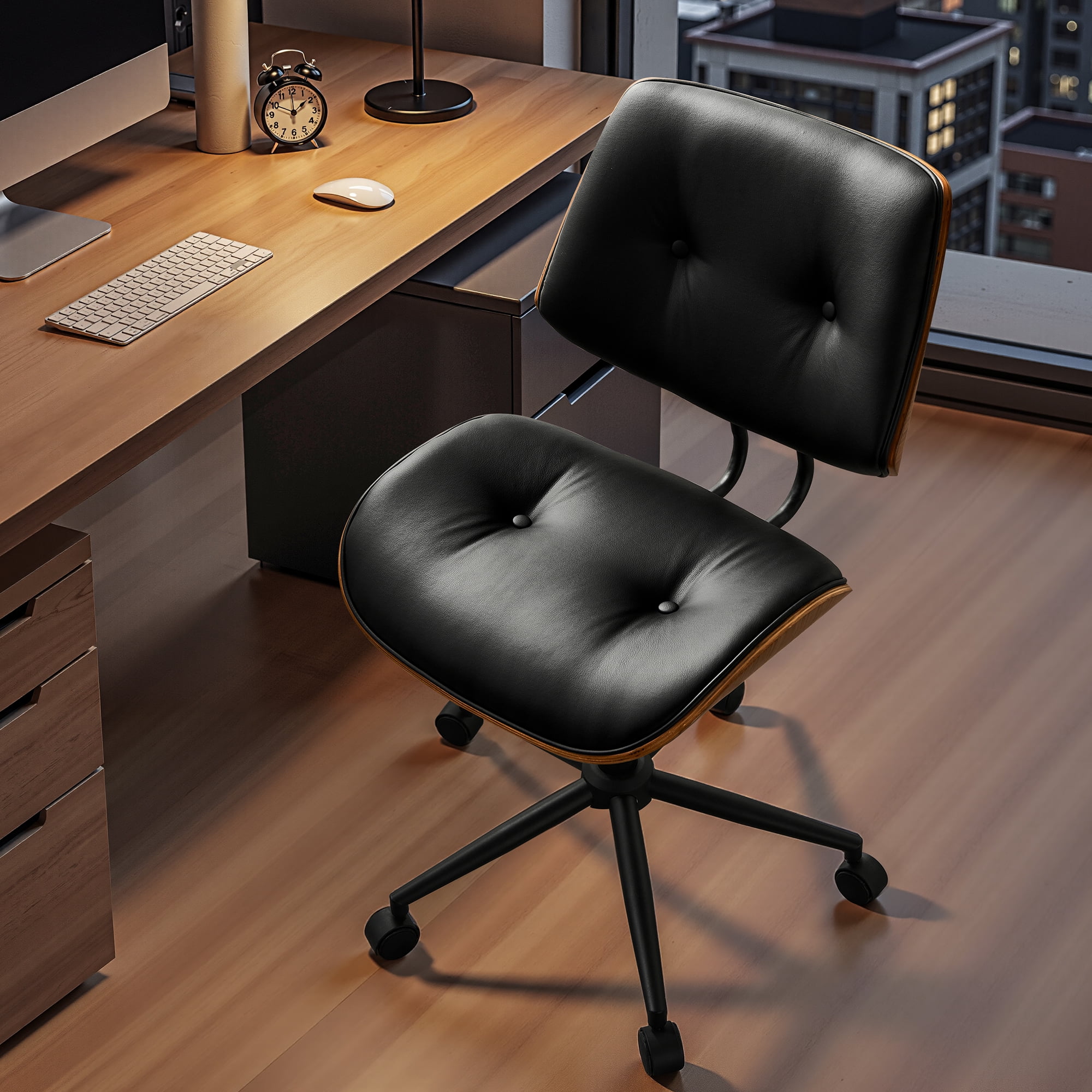
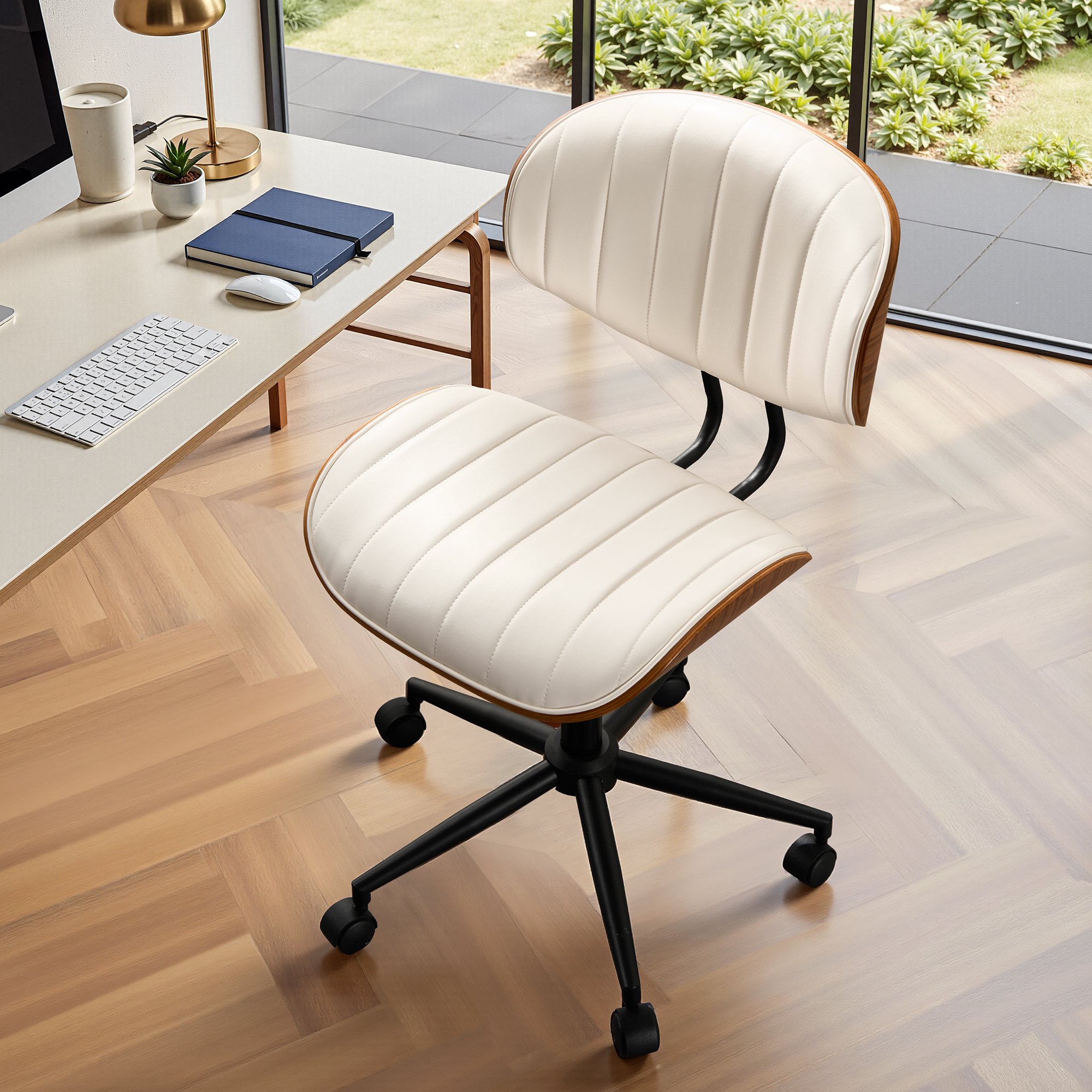
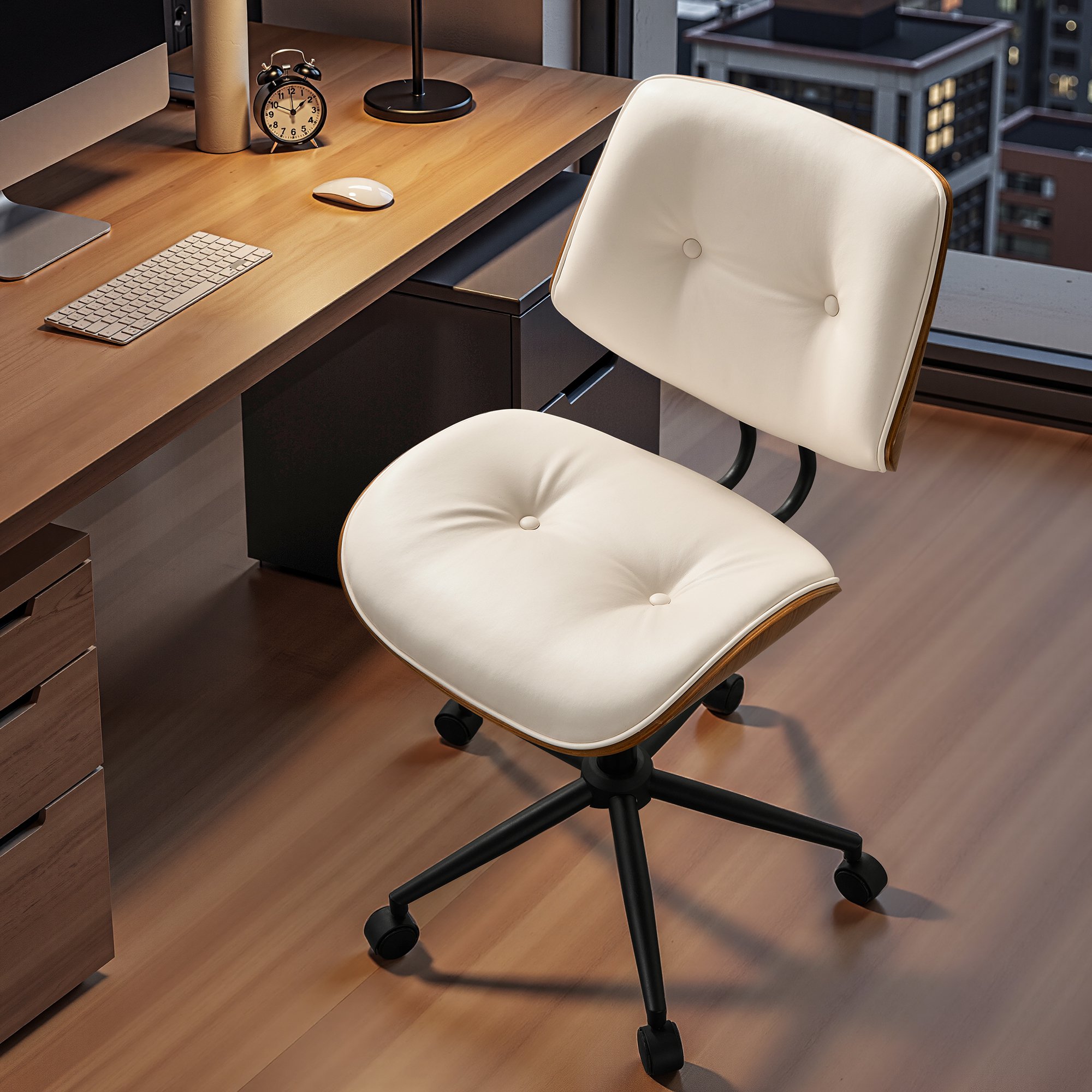
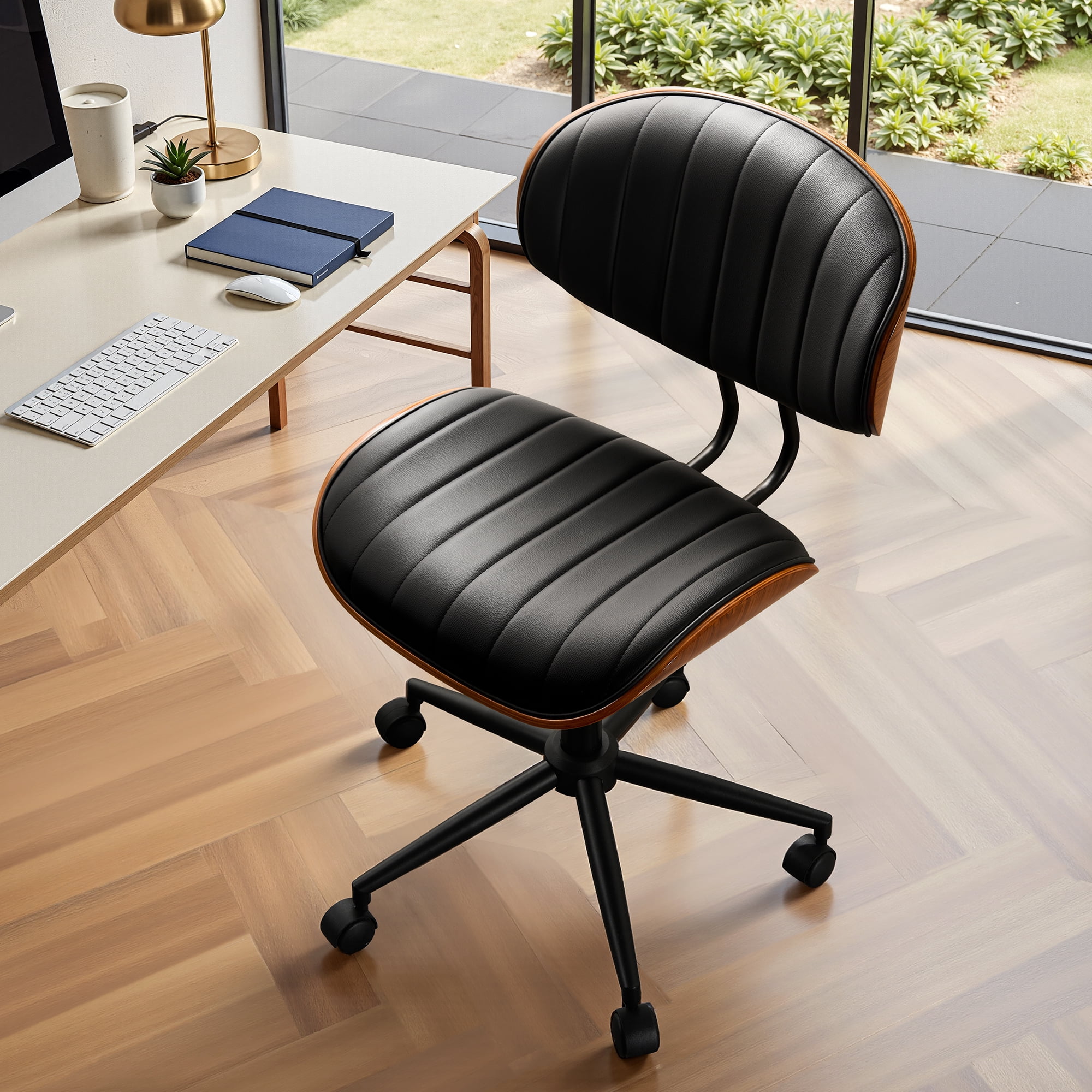
The Enduring Appeal of Wooden Office Chairs
In an era of disposable furniture and fleeting trends, the wooden office chair stands as a testament to permanence and refined taste. Unlike synthetic alternatives that may crack, fade, or feel cold and impersonal, wood brings warmth, character, and a connection to nature into your professional environment. A well-crafted wooden chair is not merely a place to sit—it's a daily reminder of quality and craftsmanship.
Did You Know? According to interior design studies, incorporating natural elements like wood into office spaces can reduce stress levels by up to 15% and increase creativity by 20%. The biophilic design principle suggests that humans have an innate connection to natural materials, making wooden office chairs not just aesthetically pleasing but psychologically beneficial for focused work.
Types of Wood Used in Premium Office Chairs
The choice of wood dramatically affects the chair's appearance, durability, and weight. Here are the most sought-after hardwoods in executive wooden office chairs:
🌳 Oak
Characteristics: Extremely hard, prominent grain patterns, light to medium brown tones.
Best For: Traditional and rustic offices. Oak resists wear exceptionally well and takes stains beautifully.
Durability: Janka hardness rating of 1,290 — excellent for daily heavy use.
🌰 Walnut
Characteristics: Rich chocolate brown color, straight grain, sometimes with wavy or curly patterns.
Best For: Executive suites, law offices, and spaces demanding sophisticated elegance.
Durability: Janka rating of 1,010 — stable and resistant to shrinkage.
🍂 Mahogany
Characteristics: Reddish-brown hue, fine grain, exceptional stability.
Best For: Classic boardrooms and formal offices. Mahogany resists swelling and warping.
Durability: Janka rating of 800-900 — easy to work with yet strong.
🍒 Cherry
Characteristics: Warm reddish tones that darken with age, smooth texture.
Best For: Home offices and creative professional spaces. Cherry develops a beautiful patina over time.
Durability: Janka rating of 950 — hard and durable with excellent finishing properties.
The Craftsmanship Behind Quality Wooden Chairs
A superior wooden office chair is defined not just by the wood species but by how it's constructed. Mass-produced chairs often rely on staples and glue, while heirloom-quality pieces use time-tested joinery techniques that ensure stability for decades.
Timber Selection
Master craftspeople select kiln-dried lumber with consistent grain and no defects. Moisture content is reduced to 6-8% to prevent future cracking.
Precision Cutting
CNC machines or hand tools shape components with exacting tolerances. Curved seat pans and contoured backrests are carved for ergonomic support.
Joinery
Mortise and tenon joints, dovetails, or dowel joints provide mechanical strength. Corner blocks reinforce stress points for added durability.
Finishing
Multiple coats of lacquer, oil, or varnish protect the wood and enhance its natural beauty. Hand-rubbed finishes achieve a depth that spray-on finishes cannot match.
Ergonomic Considerations in Wooden Office Chairs
One common misconception is that wooden chairs are rigid and uncomfortable. Modern wooden office chairs ingeniously blend the strength of wood with ergonomic features that rival any contemporary design:
- Contoured wooden seats that follow the natural curve of the thighs, reducing pressure points
- High-density foam cushions upholstered in leather or premium fabric, providing comfort without compromising the wooden aesthetic
- Adjustable lumbar support integrated into the wooden backrest frame
- Pneumatic height adjustment mechanisms concealed within wooden bases for seamless functionality
- Tilt and swivel mechanisms engineered to handle the weight and dynamics of the wooden structure
- Armrests shaped from solid wood and positioned for optimal arm support during typing
Ergonomics Meets Tradition: A study by the American Posture Institute found that chairs with solid wooden frames provide better stability during dynamic sitting (leaning, twisting, reaching) compared to lightweight metal frames. The inherent weight of wood anchors the chair, reducing micro-adjustments that can lead to fatigue over long periods.
Wooden Office Chairs by Style and Era
Wooden office chairs span a remarkable range of design philosophies. Understanding these styles helps you select a chair that harmonizes with your office decor:
Intricate carvings, high back, tufted leather
Straight lines, exposed joinery, quarter-sawn oak
Organic curves, tapered legs, walnut or teak
Minimalist, functional, ladder-back design
Handcrafted, natural finishes, substantial form
Sleek wood frames with mesh or leather upholstery
Maintenance Guide: Preserving Your Wooden Office Chair
A quality wooden office chair can last a lifetime with proper care. Follow this comprehensive maintenance routine:
🪑 Monthly Care Checklist
- Dusting: Use a microfiber cloth to remove dust from all surfaces, including carved details and underneath the seat.
- Polishing: Apply high-quality furniture wax or lemon oil every 2-3 months to nourish the wood and maintain luster.
- Hardware check: Tighten any loose screws on the swivel mechanism, armrests, or casters.
- Upholstery care: Vacuum fabric cushions or wipe leather with a damp cloth and apply conditioner annually.
- Environmental control: Maintain indoor humidity between 40-45% to prevent wood expansion or cracking.
Warning: Never use silicone-based polishes, as they can build up and damage the wood's finish over time. Avoid placing wooden chairs near heating vents or radiators.
Sustainability and Wood Sourcing
For environmentally conscious professionals, the origin of the wood matters significantly. Responsible manufacturers prioritize sustainable forestry practices:
- FSC Certification: Look for Forest Stewardship Council labels, ensuring wood comes from responsibly managed forests that provide environmental, social, and economic benefits.
- Reclaimed Wood: Some artisans craft chairs from reclaimed barn wood or salvaged timber, giving new life to centuries-old wood with unparalleled character.
- Domestic Hardwoods: Choosing chairs made from locally sourced wood reduces transportation carbon footprint. American black cherry, walnut, and oak are excellent choices.
- Durability = Sustainability: A wooden chair that lasts 50 years is inherently more sustainable than five chairs that last 10 years each. The longevity of quality wooden furniture reduces landfill waste.
Comparing Wooden Office Chairs to Other Materials
To help you make an informed decision, here's how wooden chairs stack up against common alternatives:
| Feature | Wooden Chair | Metal Frame Chair | Plastic/Mesh Chair |
|---|---|---|---|
| Aesthetic Appeal | Warm, timeless, luxurious | Industrial, modern | Utilitarian, casual |
| Durability | 50+ years with care | 20-30 years | 5-10 years |
| Environmental Impact | Low (renewable, biodegradable) | Medium (mining, recycling possible) | High (petroleum-based) |
| Comfort (with cushioning) | Excellent with proper padding | Good | Varies widely |
| Weight Capacity | Very high (300-500 lbs) | High | Moderate |
| Repairability | Excellent (can be refinished, re-glued) | Good (welding possible) | Poor (often disposable) |
How to Choose the Perfect Wooden Office Chair
Selecting your ideal wooden office chair involves balancing aesthetics, ergonomics, and practical considerations. Follow this systematic approach:
- Measure your space: Wooden chairs tend to have larger visual presence. Ensure the chair's dimensions fit your desk height and room proportions.
- Test the seat height range: With an adjustable gas lift, the seat should allow your feet to rest flat with thighs parallel to the floor.
- Examine the joinery: Look for dovetail joints, mortise and tenon construction, or corner blocks—signs of quality craftsmanship.
- Check the wood finish: Run your hand over surfaces to ensure smoothness. The finish should be even without drips or rough spots.
- Sit for at least 15 minutes: Assess comfort, lumbar support, and whether the armrests allow proper desk positioning.
- Verify weight capacity: Confirm the chair is rated for your weight, especially if you prefer a larger frame.
- Consider casters: Ensure the wheels are appropriate for your floor type (hardwood, carpet, tile).
Investment Perspective: A high-quality wooden office chair is not an expense—it's an investment. While you might pay $800-$2,500 upfront, amortized over 30 years, that's merely $27-$83 per year for a piece that enhances your daily work life and elevates your office's professional image.