
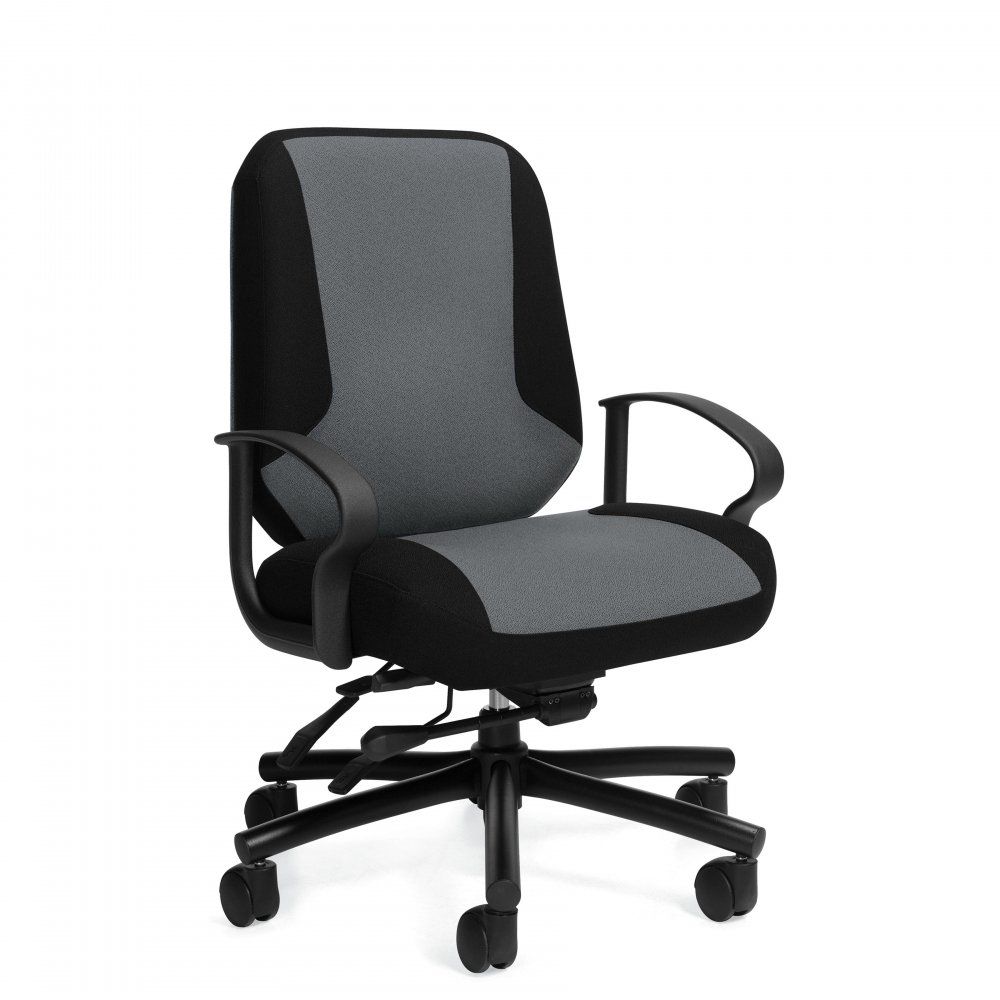
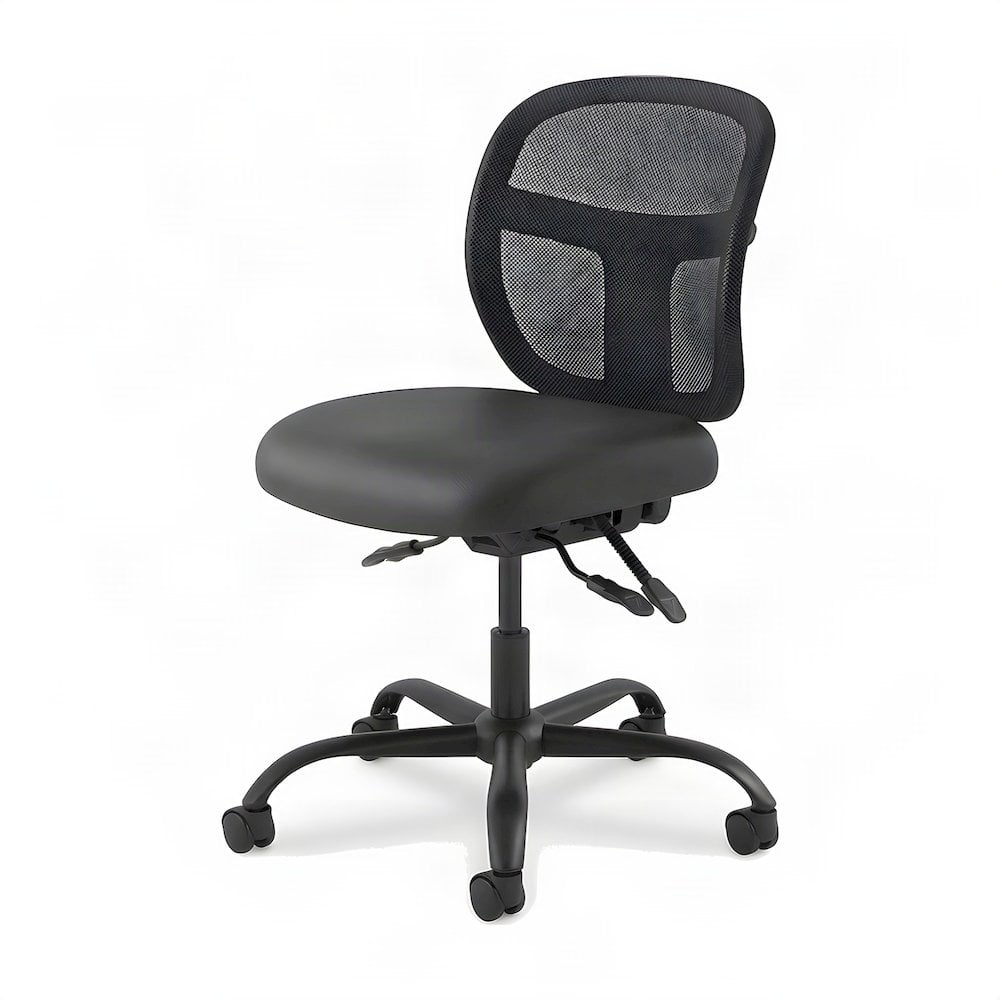
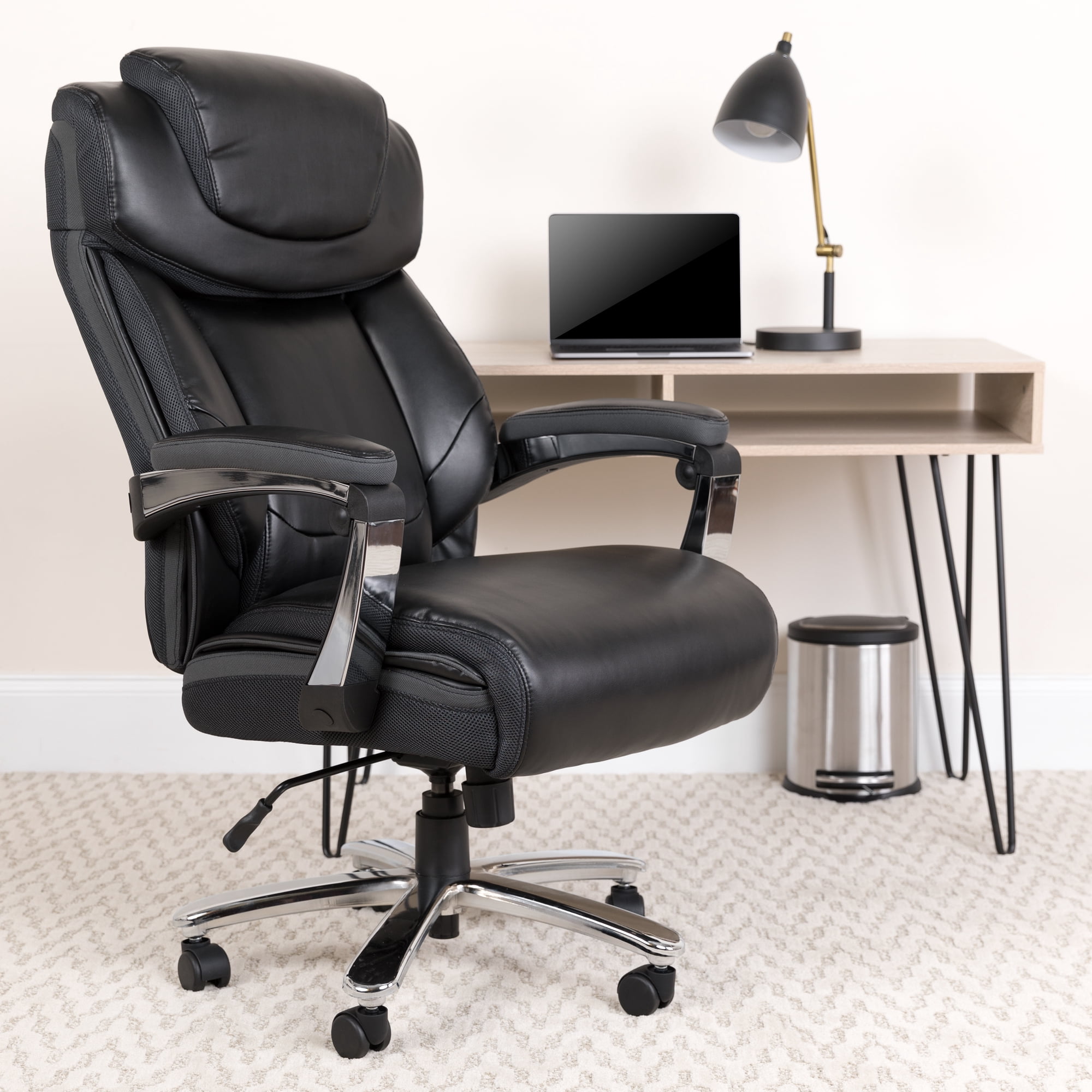

Why a 500 lb Office Chair Is a Different Class of Seating
If you’re searching for a 500 lb office chair, you already know that standard chairs just don’t cut it. They wobble, sink, or squeak after a few months. A true high-capacity chair isn’t just a larger version of a regular chair—it’s re-engineered from the ground up. Think of it like comparing a heavy-duty pickup truck to a compact car: both get you from point A to B, but only one is built to haul serious weight safely and comfortably.
What Really Changes at 500 lb Capacity?
It’s not just about a thicker seat. Manufacturers reinforce five critical areas:
- Frame: Welded 14-gauge steel or reinforced aluminum – no plastic brackets.
- Gas lift: Class 4 or 5 pistons (standard chairs often use Class 2 or 3).
- Base: Nylon with steel reinforcement or all-metal, often 28"–30" wide for stability.
- Casters: Larger, dual-wheel or all-terrain 3" rollers that roll smoothly under load.
- Seat foam: High-density, often 3–4 inches thick, with no “bottoming out” after an hour.
Who Needs a 500 lb Office Chair? (Hint: Not Just Weight)
While the primary audience is individuals weighing 400–500 lbs, these chairs are also ideal for:
- Very tall people (6'4"+) who need extra seat depth and higher backrests.
- Anyone who wants a “forever chair” – the robust build outlasts three standard chairs.
- Offices with shared workspaces where chairs take a beating from different users.
- People who like to sit in multiple positions (cross-legged, leaned back) – the wider seat allows movement.
✅ Advantages of 500 lb Chairs
- Rock-solid stability: No tipping or swaying
- Longevity: 5–10 years of daily use
- Generous proportions: room to shift position
- Better ergonomics: built for larger frames
- Higher resale value: heavy-duty holds up
⚠️ Considerations
- Heavier weight: 50–80 lbs, hard to move
- Larger footprint: needs floor space
- Higher cost upfront: $300–$900
- May look bulky in small offices
- Some models lack sleek design
Anatomy of a 500 lb Office Chair: Under the Hood
Let’s pop the hood and look at the components. A typical 500 lb capacity chair uses:
| Component | Standard chair (250 lb) | 500 lb chair |
|---|---|---|
| Gas lift class | Class 2-3 | Class 4-5 (SHS / BASX) |
| Base diameter | 26" – 27" | 28" – 30" |
| Seat foam density | 1.8–2.2 lb/ft³ | 2.5–3.0 lb/ft³ (high-resilience) |
| Backrest frame | Plastic or thin plywood | Steel-reinforced or full metal |
| Caster size | 2" standard | 3" dual-wheel or rollerblade style |
According to materials testing data from the Business and Institutional Furniture Manufacturers Association (BIFMA), chairs tested to 500 lbs undergo a 100,000-cycle stability test – far beyond standard certification.
4 Hidden Features That Make or Break a 500 lb Chair
- Seat edge design: Look for a “waterfall front” that doesn’t dig into thighs. In wide seats, a sharp edge can cut off circulation.
- Backrest height adjustability: Many heavy-duty chairs offer separate lumbar and headrest adjustments – vital for tall users.
- Caster floor compatibility: Hard floors need soft urethane casters; carpets need harder nylon. Many 500 lb chairs ship with dual-purpose casters – verify before buying.
- Warranty fine print: Some brands cover the frame for life but only 1 year on gas lift. Ensure the lift is covered at least 3–5 years.
Real-World Data: Comfort vs. Capacity
A 2023 survey of 500+ heavy-duty chair users (source: Office Seating Journal) revealed that 78% rated “seat cushion firmness” as the top priority. Chairs with 500 lb capacity often use high-density foam that feels firmer initially but breaks in over 2–3 weeks. Don’t mistake firmness for discomfort – it’s what prevents the “sinking to the frame” feeling after a year.
Upholstery Options for 500 lb Chairs
Frequently Asked Questions About 500 lb Office Chairs
Conclusion: Invest in Safety and Comfort
A 500 lb office chair isn’t a luxury—it’s a necessity for anyone who needs reliable, safe seating. By choosing a chair with reinforced mechanics, you’re preventing breakdowns, improving posture, and ensuring that your workspace supports you fully. Whether you opt for a high-back executive style or a task-oriented mesh-back, prioritize adjustable lumbar, wide sturdy base, and a warranty that backs the heavy-duty claim. Your chair is where you spend thousands of hours—make it count.